
Healthy intake 😃 Balanzed living

Amaranth Leaves Benefits for Natural Health

Amaranth Leaves, commonly known as chaulai in India, are nutrient-dense leafy greens widely used in traditional diets. They are rich in vitamins, minerals, antioxidants, and fiber, making them a powerhouse for overall health.

Amaranth leaves benefits

Key Health Benefits:

  • Boosts Immunity: High in vitamin C and antioxidants that strengthen the immune system.
  • Supports Eye Health: Contains vitamin A and carotenoids that improve vision.
  • Improves Digestion: Rich fiber content helps maintain a healthy digestive system.
  • Strengthens Bones: Loaded with calcium and vitamin K for bone health.
  • Controls Blood Pressure: Potassium helps regulate blood pressure levels.
  • Enhances Skin Health: Antioxidants fight free radicals and slow aging.
  • Aids in Weight Loss: Low in calories but high in nutrients, making it ideal for dieting.

amaranth leaves benefits

Benefits of Adding Amaranth Leaves (Chaulai) to Your Daily Diet

Adding chaulai to your daily meals can significantly improve your health and energy levels.

🌟 Nutritional Advantages

Amaranth leaves are packed with:

  • Iron – Helps prevent anemia
  • Calcium – Supports bones and teeth
  • Protein – Essential for body repair
  • Fiber – Improves digestion

💪 Daily Health Impact

  • Sustained Energy: Nutrients help reduce fatigue and improve stamina
  • Better Gut Health: Regular intake supports smoother digestion
  • Heart Protection: Helps lower bad cholesterol levels
  • Detoxification: Natural compounds help cleanse the body

How Does Amaranth Leaves (Chaulai) Improve Your Health?

Amaranth leaves improve health through multiple biological processes:

🔬 Key Mechanisms

  • Antioxidant Action: Neutralizes harmful free radicals
  • Anti-inflammatory Effects: Reduces inflammation in the body
  • Blood Purification: Helps improve hemoglobin levels
  • Metabolism Boost: Enhances nutrient absorption and metabolism

🫀 Organ-Specific Benefits

  • Heart: Reduces cholesterol and supports circulation
  • Liver: Aids detoxification
  • Skin: Promotes glowing and healthy skin
  • Bones: Prevents bone-related issues like osteoporosis

What are the health benefits of amaranth leaves?

Amaranth leaves are highly nutritious leafy greens packed with vitamins A, C, and K, along with iron, calcium, and antioxidants. Regular consumption may help improve overall health by supporting immunity, improving digestion, and boosting energy levels. These leaves are also known to promote better heart health and help maintain healthy cholesterol levels when included in a balanced diet.

Many people also search for specific benefits like amaranth leaves benefits, amaranth leaves for diabetes control, and is amaranth leaves good for health because of their medicinal value. In addition, they are often linked with beauty and fitness advantages such as amaranth leaves benefits for hair and amaranth leaves for weight loss, making them a powerful superfood for daily nutrition.

Different Types of Amaranth Leaves Benefits & Description

Type of Benefit Description
Immunity Boosting Rich in vitamin C and antioxidants that protect against infections
Digestive Health High fiber content improves digestion and prevents constipation
Bone Strength Calcium and vitamin K enhance bone density
Heart Health Helps control cholesterol and blood pressure
Eye Health Vitamin A improves vision and eye protection
Skin & Hair Care Antioxidants promote healthy skin and hair growth
Weight Management Low-calorie, nutrient-dense food helps in weight control
Blood Health Iron content supports hemoglobin production and prevents anemia

How does Balanzing enhance Amaranth Leaves benefits?

The Balanzing approach maximizes Amaranth Leaves benefits by encouraging consistent, mindful, and moderate consumption as part of a balanced lifestyle. Amaranth Leaves (Chaulai) is naturally rich in vitamins, minerals, antioxidants, and dietary fiber, which together support immunity, digestion, blood sugar regulation, heart health, and overall wellness. By following Balanzing principles, individuals consume Amaranth Leaves (Chaulai) in proper portions and at appropriate times, ensuring that the body efficiently absorbs and utilizes its nutrients. This method enhances long-term benefits such as stronger immunity, improved digestive function, stable blood sugar levels, healthier skin, and sustained energy, while preventing overconsumption.

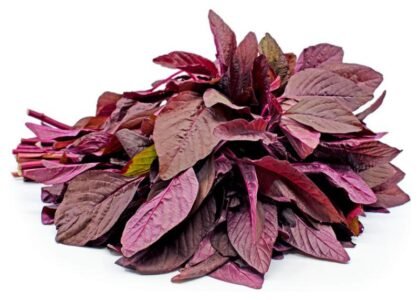
amaranth leaves benefits amaranth leaves for diabetes control is amaranth leaves good for health amaranth leaves benefits for hair amaranth leaves for weight loss amaranth leaves benefits amaranth leaves for diabetes control is amaranth leaves good for health amaranth leaves benefits for hair amaranth leaves for weight loss Amaranth leaves are one of the most nutritious traditional leafy vegetables consumed in many parts of the world, especially in Asia, Africa, and South America. They are often considered a “super green” because of their rich nutritional profile and wide range of health-supporting properties. These leaves come from the amaranth plant, which has been cultivated for thousands of years not only as food but also as a medicinal plant in many cultures. One of the most important qualities of amaranth leaves is their dense nutrient content. They are rich in vitamins such as vitamin A, vitamin C, and vitamin K. Vitamin A is essential for maintaining good vision, supporting immune function, and keeping skin healthy. Vitamin C acts as a powerful antioxidant that helps protect the body from damage caused by free radicals while also improving immunity and supporting collagen production. Vitamin K plays a key role in blood clotting and bone health. Along with these vitamins, amaranth leaves also contain important minerals like calcium, iron, magnesium, potassium, and phosphorus, all of which are necessary for maintaining overall bodily functions. Another significant advantage of amaranth leaves is their high iron content. Iron is essential for the production of hemoglobin in the blood, which helps carry oxygen throughout the body. Regular consumption of iron-rich foods like amaranth leaves may help reduce the risk of anemia, especially in individuals who are more prone to iron deficiency, such as women, children, and vegetarians. The presence of vitamin C in the leaves also enhances iron absorption, making it even more beneficial. Amaranth leaves are also known for their antioxidant properties. Antioxidants help protect the body from oxidative stress, which is linked to aging and many chronic diseases. The antioxidants found in these leaves help neutralize harmful free radicals, potentially reducing inflammation and lowering the risk of certain health conditions over time. This makes them a valuable addition to a balanced and healthy diet. In terms of digestive health, amaranth leaves are a good source of dietary fiber. Fiber is essential for maintaining a healthy digestive system, as it helps regulate bowel movements and prevent constipation. A fiber-rich diet also supports gut health by promoting beneficial bacteria in the intestines. This can improve digestion efficiency and overall gut function. Including leafy greens like amaranth leaves in daily meals can therefore contribute to better digestive comfort and regularity. Amaranth leaves are also beneficial for heart health. Their potassium content helps regulate blood pressure by balancing the effects of sodium in the body. Additionally, the presence of dietary fiber and antioxidants may help reduce bad cholesterol levels, thereby supporting cardiovascular health. A heart-healthy diet often includes a variety of leafy greens, and amaranth leaves are an excellent option among them. These leaves are also appreciated for their role in maintaining bone health. Calcium and magnesium found in amaranth leaves are essential minerals that support strong bones and teeth. Vitamin K also contributes to bone strength by helping in the formation of bone proteins. Regular inclusion of such nutrient-rich greens can be particularly beneficial for children, older adults, and individuals at risk of bone-related conditions. Another important aspect of amaranth leaves is their role in supporting eye health. The presence of vitamin A and other carotenoids helps maintain good vision and may reduce the risk of age-related eye issues. Consuming these leaves as part of a varied diet can help ensure that the eyes receive essential nutrients needed for long-term health. Amaranth leaves are also commonly included in weight management diets. They are low in calories but rich in fiber and nutrients, which helps promote a feeling of fullness. This can reduce overall calorie intake and support healthy weight control. The fiber content also helps stabilize blood sugar levels, preventing sudden spikes and crashes in energy. In addition to physical health benefits, amaranth leaves also contribute to skin and hair health. The vitamins and antioxidants present in them help nourish the skin, giving it a healthier and more vibrant appearance. They may also help reduce signs of aging by protecting skin cells from damage. For hair, the nutrients in these leaves support stronger roots and may help reduce hair fall while improving overall hair texture and shine. Amaranth leaves are also known for their potential role in supporting immune function. The combination of vitamins, minerals, and antioxidants helps strengthen the body’s defense system. A strong immune system is essential for protecting the body from infections and maintaining overall health. In many traditional medicine systems, amaranth leaves have been used to support various health conditions. They are often included in herbal preparations and natural remedies due to their nutrient density and healing properties. While they are not a substitute for medical treatment, they can complement a healthy lifestyle when consumed regularly. From a culinary perspective, amaranth leaves are very versatile. They can be cooked in soups, stir-fries, curries, and even added to smoothies. Their mild earthy taste makes them easy to combine with other ingredients. In some cultures, they are also eaten raw in salads or lightly steamed to preserve their nutrients. This versatility makes it easier to include them in daily meals without much difficulty. Overall, amaranth leaves are a highly valuable addition to a balanced diet. Their rich nutritional content supports multiple aspects of health, including immunity, digestion, heart function, bone strength, and skin and hair wellness. Because they are widely available and easy to cook, they can be incorporated into everyday meals to improve overall nutrition naturally. Regular consumption of these leaves can contribute to long-term wellness and a healthier lifestyle. Amaranth leaves are among the most nutrient-dense leafy greens found in traditional diets across many regions of the world. They have been consumed for centuries both as a food source and as part of natural wellness practices. Known for their vibrant green color and slightly earthy taste, these leaves are not only versatile in cooking but also highly valued for their wide range of nutrients. Their growing popularity today is mainly due to increasing awareness about natural foods and plant-based nutrition. One of the most remarkable features of amaranth leaves is their rich nutritional composition. They contain a strong combination of vitamins, minerals, antioxidants, and dietary fiber. Vitamins such as A, C, and K are present in significant amounts. Vitamin A supports healthy vision, immune defense, and skin maintenance. Vitamin C is essential for boosting immunity, promoting collagen production, and protecting the body from oxidative damage. Vitamin K plays a crucial role in maintaining bone strength and proper blood clotting functions. These vitamins together make amaranth leaves an excellent choice for everyday nutrition. In addition to vitamins, amaranth leaves are also rich in important minerals. Iron is one of the most notable minerals found in them. Iron is required for the formation of hemoglobin, which carries oxygen throughout the body. A deficiency of iron can lead to fatigue, weakness, and anemia. Including iron-rich foods like amaranth leaves in the diet can help maintain healthy energy levels and support blood health. Calcium is another key mineral present in these leaves, contributing to strong bones and teeth. Magnesium, potassium, and phosphorus also play essential roles in muscle function, nerve signaling, and overall metabolic health. Dietary fiber is another important component of amaranth leaves. Fiber supports digestive health by improving bowel movement and preventing constipation. It also helps maintain a healthy gut environment by feeding beneficial bacteria. A diet rich in fiber can improve digestion efficiency and reduce the risk of digestive disorders. Fiber also plays a role in regulating appetite, which can be helpful for maintaining a healthy body weight. Amaranth leaves are also known for their antioxidant properties. Antioxidants help protect the body from damage caused by free radicals, which are unstable molecules that can lead to cell damage and contribute to aging and various diseases. The antioxidants in these leaves help reduce inflammation and support overall cellular health. This protective effect makes them beneficial for long-term wellness and disease prevention. Heart health is another area where amaranth leaves offer benefits. Their potassium content helps regulate blood pressure by balancing sodium levels in the body. High blood pressure is a major risk factor for heart disease, so maintaining proper potassium intake is important. The fiber and antioxidants in amaranth leaves also contribute to cardiovascular health by supporting healthy cholesterol levels and reducing inflammation in blood vessels. Amaranth leaves are also beneficial for bone health. Calcium, magnesium, and vitamin K work together to maintain strong bones and reduce the risk of bone-related conditions. These nutrients are especially important for children during growth, as well as for older adults who are more prone to bone weakness. Regular consumption of nutrient-rich greens like amaranth leaves can support long-term skeletal strength. Another important benefit of amaranth leaves is their role in supporting immune function. The combination of vitamin C, antioxidants, and essential minerals helps strengthen the immune system. A strong immune system enables the body to fight infections more effectively and recover faster from illnesses. Including such nutrient-rich foods in daily meals can help maintain better resistance to common health issues. Amaranth leaves also support eye health due to their vitamin A content. Vitamin A is essential for maintaining good vision and preventing night blindness. It also helps protect the surface of the eyes and supports overall eye function. Regular intake of leafy greens rich in vitamin A can contribute to long-term eye wellness. Skin health is another area where amaranth leaves can have a positive impact. The antioxidants and vitamins present in them help nourish the skin from within. They support collagen production, which keeps the skin firm and youthful. Antioxidants also help reduce the effects of environmental damage, such as pollution and UV exposure. This can result in healthier and more radiant skin over time. Hair health can also benefit from the nutrients found in amaranth leaves. Iron and vitamin A support healthy hair growth by improving blood circulation to the scalp and nourishing hair follicles. Vitamin C helps in collagen formation, which is important for maintaining hair strength. Regular intake of nutrient-rich foods can help reduce hair breakage and improve overall hair texture. Amaranth leaves are also commonly included in weight management diets. They are low in calories but high in fiber, which helps create a feeling of fullness after meals. This can reduce unnecessary snacking and overall calorie intake. Because they are nutrient-dense, they provide essential vitamins and minerals without adding excess calories, making them suitable for balanced weight control plans. Blood sugar regulation is another area where amaranth leaves may be helpful. Their fiber content slows down the absorption of sugar in the bloodstream, helping maintain stable blood sugar levels. This makes them a suitable food choice for individuals looking to manage energy levels throughout the day. However, they should always be part of a balanced diet rather than a single solution. From a traditional perspective, amaranth leaves have been used in various cultures for their healing properties. They are often included in herbal preparations and home remedies. While modern science continues to study their full medicinal potential, their long history of use in traditional diets highlights their importance as a natural food source. In cooking, amaranth leaves are extremely versatile. They can be prepared in many ways such as stir-frying, boiling, steaming, or adding to soups and stews. They are often combined with spices, lentils, or grains to create nutritious meals. In some regions, they are also used in salads or blended into smoothies. Their mild flavor allows them to blend well with other ingredients without overpowering dishes. Sustainability is another advantage of amaranth leaves. The plant grows quickly and can thrive in various soil conditions, making it an accessible and environmentally friendly crop. This makes it an important food source in many rural and agricultural communities. Its ability to grow in challenging environments also supports food security in certain regions. Overall, amaranth leaves stand out as a highly nutritious and versatile green vegetable. Their rich combination of vitamins, minerals, antioxidants, and fiber supports multiple aspects of health, including immunity, digestion, heart function, bone strength, skin vitality, and overall energy. They are easy to grow, widely available, and simple to prepare, making them a valuable addition to daily meals. Including them regularly in a balanced diet can contribute to improved wellness and long-term health benefits. amaranth leaves benefits amaranth leaves for diabetes control is amaranth leaves good for health amaranth leaves benefits for hair amaranth leaves for weight loss amaranth leaves benefits amaranth leaves for diabetes control is amaranth leaves good for health amaranth leaves benefits for hair amaranth leaves for weight loss amaranth leaves benefits amaranth leaves for diabetes control is amaranth leaves good for health amaranth leaves benefits for hair amaranth leaves for weight loss Amaranth leaves are one of the most nutrient-rich leafy vegetables available in traditional diets and are widely appreciated for their impressive health-supporting properties. These vibrant green leaves are packed with essential vitamins, minerals, antioxidants, and dietary fiber, making them an excellent addition to a balanced and healthy lifestyle. Consuming amaranth leaves regularly can help improve overall nutrition and support the proper functioning of various body systems. One of the key advantages of amaranth leaves is their high vitamin content. They provide vitamin A, which is essential for maintaining good vision and healthy skin, vitamin C, which supports immunity and helps the body fight infections, and vitamin K, which plays an important role in bone health and blood clotting. Along with these vitamins, amaranth leaves also contain important minerals such as iron, calcium, magnesium, and potassium, which are necessary for energy production, strong bones, and proper muscle function. The iron content in amaranth leaves makes them especially beneficial for maintaining healthy blood levels and preventing fatigue. Iron helps in the production of hemoglobin, which carries oxygen throughout the body. This makes the leaves a valuable food choice for supporting energy and reducing weakness. The presence of vitamin C further enhances iron absorption, improving its effectiveness in the body. Amaranth leaves are also rich in antioxidants, which help protect the body from damage caused by free radicals. These antioxidants support overall cellular health and may help reduce inflammation. Additionally, the dietary fiber present in these leaves aids digestion by promoting regular bowel movements and supporting gut health. Another important benefit of amaranth leaves is their role in heart health. The potassium content helps regulate blood pressure, while fiber supports healthy cholesterol levels. These combined effects contribute to better cardiovascular wellness. Overall, amaranth leaves are a powerful natural food that supports immunity, digestion, bone strength, and energy levels. Including them in daily meals can help promote long-term health and overall well-being in a simple and natural way. amaranth leaves benefits amaranth leaves for diabetes control is amaranth leaves good for health amaranth leaves benefits for hair amaranth leaves for weight loss amaranth leaves benefits amaranth leaves for diabetes control is amaranth leaves good for health amaranth leaves benefits for hair amaranth leaves for weight loss

Disclaimer

The information provided on this website is collected and compiled from publicly available sources for general informational purposes only.

Table of Contents