
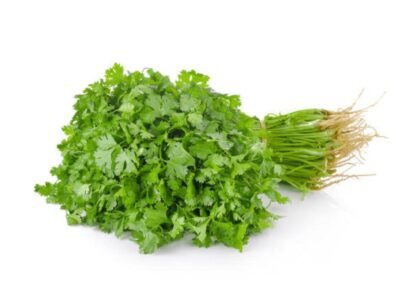
Coriander Leaves Benefits for Better Health
Coriander leaves—also known as cilantro or dhaniya—are one of the most commonly used herbs in Indian kitchens. Beyond their fresh aroma and taste, they offer a wide range of health benefits thanks to their rich nutritional profile.
Coriander Leaves Benefits
🌱 Key Health Benefits
- Rich in Antioxidants: Helps fight free radicals and reduce oxidative stress.
- Supports Digestion: Stimulates digestive enzymes and improves gut health.
- Detoxifies the Body: Assists in removing heavy metals and toxins.
- Regulates Blood Sugar: Beneficial for people managing diabetes.
- Boosts Immunity: Contains vitamin C, vitamin A, and antibacterial properties.
- Promotes Heart Health: Helps reduce bad cholesterol (LDL) and increase good cholesterol (HDL).
- Improves Skin Health: Natural detoxification leads to clearer, glowing skin.

Benefits of Adding Coriander Leaves to Your Daily Diet
Including coriander leaves in your daily meals is a simple yet powerful way to improve overall health.
🌿 1. Enhances Nutritional Intake
Coriander leaves are low in calories but packed with essential nutrients like iron, calcium, potassium, and vitamins A, C, and K. Adding them to your diet ensures a natural nutrient boost without extra calories.
🌿 2. Supports Healthy Digestion
They help stimulate appetite and prevent common digestive issues like bloating, gas, and indigestion. Coriander chutney or fresh garnish can make meals easier to digest.
🌿 3. Helps Manage Blood Sugar Levels
Coriander leaves may improve insulin activity, making them especially helpful for people with diabetes or those at risk.
How Does Coriander Leaves Improve Your Health?
Coriander leaves improve health through multiple biological mechanisms:
🔬 1. Antioxidant Action
They contain compounds like quercetin and flavonoids that neutralize harmful free radicals, reducing inflammation and preventing chronic diseases.
🔬 2. Blood Sugar Regulation
Coriander leaves stimulate insulin secretion and improve glucose metabolism, helping maintain stable blood sugar levels.
🔬 3. Digestive Enzyme Activation
They promote the production of digestive enzymes, improving nutrient absorption and gut health.
🔬 4. Detoxification Process
Coriander helps bind with heavy metals and toxins, aiding their removal from the body.
What are the health benefits of coriander leaves?
Coriander leaves are a flavorful herb packed with nutrients that support overall wellness. Many people search for coriander leaves benefits because they help improve digestion, support hydration, and add freshness to daily meals. These leaves are also widely used in cooking, making them an easy addition to a balanced diet. Regular use highlights the importance of coriander leaves uses in daily diet, as they can be added to salads, curries, and chutneys for both taste and nutrition.
In addition to general health support, coriander leaves are known for their cleansing properties. They are often associated with coriander leaves detox benefits, helping the body maintain internal balance. Their nutrients also support skin health, which is why many people look into coriander leaves benefits for skin. Overall, if you’re wondering is coriander leaves good for health, the answer is yes—when included regularly, they contribute to a healthier and more natural lifestyle.
Different Types of Coriander Leaves Benefits & Description
| 🌿 Benefit Type | 💪 Description |
|---|---|
| 🛡️ Immunity Boosting | Rich in vitamins A & C, strengthens immune defense |
| ❤️ Heart Health | Reduces cholesterol and maintains blood pressure |
| 🍽️ Digestive Health | Improves digestion and reduces bloating |
| 🩸 Blood Sugar Control | Helps regulate glucose levels |
| 🌟 Skin Health | Promotes clear, glowing skin |
| 🧠 Brain Health | Antioxidants support cognitive function |
How does Balanzing enhance Coriander Leaves Health benefits?
The Balanzing approach maximizes Coriander Leaves benefits by encouraging consistent, mindful, and moderate consumption as part of a balanced lifestyle. Coriander Leaves is naturally rich in vitamins, minerals, antioxidants, and dietary fiber, which together support immunity, digestion, blood sugar regulation, heart health, and overall wellness. By following Balanzing principles, individuals consume Coriander Leaves in proper portions and at appropriate times, ensuring that the body efficiently absorbs and utilizes its nutrients. This method enhances long-term benefits such as stronger immunity, improved digestive function, stable blood sugar levels, healthier skin, and sustained energy, while preventing overconsumption.



Disclaimer
The information provided on this website is collected and compiled from publicly available sources for general informational purposes only.
Table of Contents
Toggle