
Healthy intake 😃 Balanzed living

Radish Benefits for Healthy Daily Living

Radish, commonly known as mooli, is a crunchy root vegetable packed with nutrients, antioxidants, and natural healing properties.

Radish Benefits

Rich in Nutrients

Radish contains essential nutrients such as:

  • Vitamin C
  • Potassium
  • Calcium
  • Magnesium
  • Folate
  • Fiber
  • Antioxidants

These nutrients help maintain healthy body functions and improve overall energy levels.
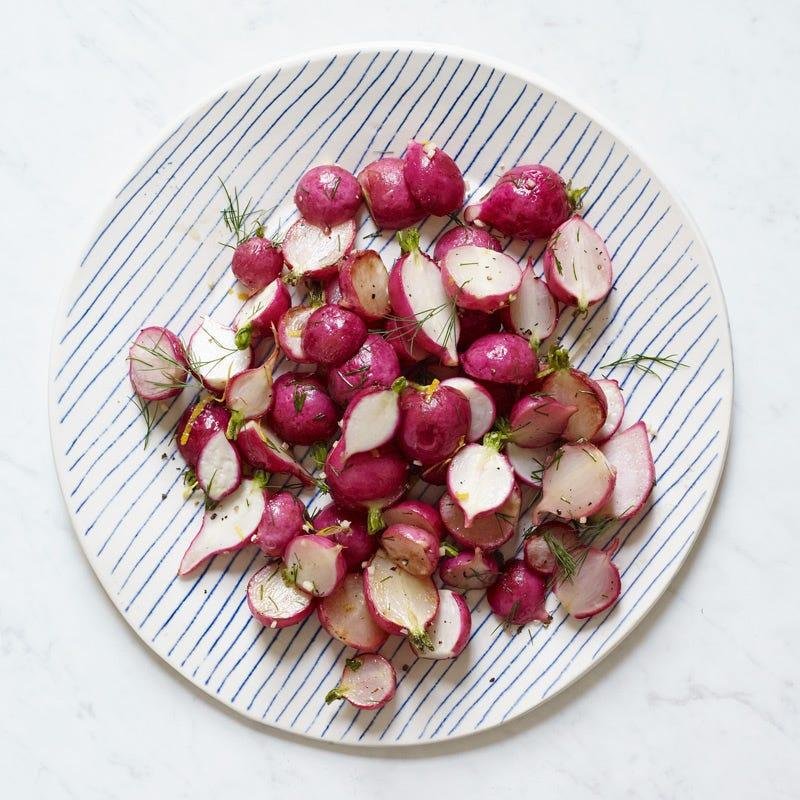
radish benefits

Benefits of Adding Radish (Mooli) to Your Daily Diet

Adding radish to your daily meals can improve your overall health in many ways. Since it is versatile and easy to prepare, radish can be consumed raw, cooked, pickled, or juiced.

Daily Energy and Hydration

Radish contains high water content that helps keep the body hydrated and energized throughout the day. Proper hydration supports healthy skin, digestion, and body temperature regulation.

Better Digestion Every Day

Consuming radish daily promotes smoother digestion because its fiber content keeps the digestive system active and healthy.

How Does Radish (Mooli) Improve Your Health?

Radish improves health by nourishing the body with essential vitamins, minerals, antioxidants, and hydration. Its medicinal and nutritional properties help support multiple body systems naturally.

Improves Digestive Function

Radish stimulates digestive juices and improves gut movement, helping the body digest food more efficiently.

Result:

  • Better nutrient absorption
  • Reduced digestive discomfort
  • Healthier gut system

Why Is Radish Considered a Healthy Vegetable for Everyday Meals?

Many people include radish in their regular meals because of the excellent radish benefits linked to hydration, digestion, and balanced nutrition. The vegetable is naturally low in calories and contains fiber, antioxidants, and important nutrients that support overall wellness. The health benefits of radish also make it a refreshing addition to salads, soups, and healthy side dishes. Because radish contains a high water content, it is often preferred during warm weather and in light meal preparations.

The white radish health benefits are especially appreciated in traditional diets where the vegetable is commonly used in soups, stir-fries, and pickled dishes. Many people ask, is radish good for daily diet plans, and the answer is yes when consumed as part of balanced nutrition. Among the best ways to eat radish are fresh salads, vegetable platters, yogurt-based side dishes, and lightly cooked meals that help preserve texture and flavor while adding freshness to everyday eating habits.


What Are the Major Health Benefits of Including Radish in Your Daily Diet?

Type of Benefit How Radish Helps Main Nutrients Involved
Digestive Health Improves digestion and prevents constipation Fiber, Water
Immunity Support Helps fight infections and boosts immunity Vitamin C, Antioxidants
Heart Health Supports blood circulation and blood pressure Potassium
Weight Management Keeps you full with fewer calories Fiber, Water
Skin Health Promotes glowing and healthy skin Antioxidants, Vitamin C
Detoxification Cleanses liver and kidneys naturally Natural Compounds

How does Balanzing enhance Radish benefits?

The Balanzing approach maximizes Radish benefits by encouraging consistent, mindful, and moderate consumption as part of a balanced lifestyle. Radish (Mooli) is naturally rich in vitamins, minerals, antioxidants, and dietary fiber, which together support immunity, digestion, blood sugar regulation, heart health, and overall wellness. By following Balanzing principles, individuals consume Radish (Mooli) in proper portions and at appropriate times, ensuring that the body efficiently absorbs and utilizes its nutrients. This method enhances long-term benefits such as stronger immunity, improved digestive function, stable blood sugar levels, healthier skin, and sustained energy, while preventing overconsumption.
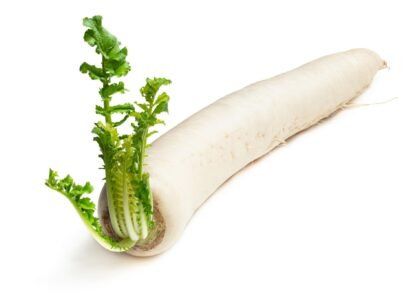
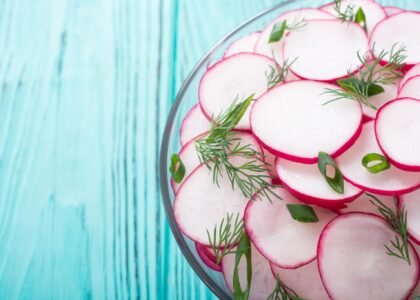
radish benefits white radish health benefits is radish good for daily diet best ways to eat radish health benefits of radish Amazing Radish Benefits for a Healthy Daily Lifestyle Radish is one of the most refreshing and nutritious root vegetables commonly included in healthy diets around the world. Known for its crunchy texture, mild peppery flavor, and hydrating properties, radish has been valued for generations as a natural food that supports overall wellness. Whether eaten raw in salads, added to traditional dishes, or used as a light snack, this vegetable offers a wide range of nutritional advantages that make it an excellent addition to balanced eating habits. Many people today are becoming more conscious about healthy food choices and natural ingredients. As a result, interest in vegetables rich in vitamins, minerals, antioxidants, and fiber has increased significantly. Among these healthy options, radish continues to stand out because it combines nutrition, versatility, and freshness in one simple vegetable. What Makes Radish a Valuable Vegetable? Radish belongs to the root vegetable family and is available in different varieties, sizes, and colors. White radish, red radish, and long Asian radish varieties are among the most commonly consumed types. Each variety contains beneficial nutrients that support health and wellness. Radish is naturally low in calories and rich in water content, making it suitable for people who prefer light, refreshing foods. It is also widely appreciated for its crisp texture and ability to add flavor and freshness to meals. Nutrients Commonly Found in Radish Dietary fiber Vitamin C Potassium Calcium Antioxidants Natural plant compounds Water-rich nutrition These nutrients contribute to the growing popularity of radish in modern healthy diets. Radish Benefits for Overall Wellness One of the main reasons people include radish in meals is because of its nutritional value. The vegetable supports several important body functions while fitting easily into different types of diets. Supports Healthy Digestion Radish contains dietary fiber, which plays an important role in digestive health. Fiber helps support regular digestion and contributes to smoother bowel movement. Many people prefer fiber-rich vegetables because they help maintain digestive balance naturally. The water content in radish also supports hydration, which is important for healthy digestion and overall body function. Digestive Advantages Helps support regular digestion Contributes to digestive comfort Supports healthy eating habits Provides natural hydration support Helps Maintain Hydration Radish contains a high percentage of water, making it a refreshing vegetable during warm weather and daily meals. Hydration is important for maintaining energy levels, supporting skin health, and helping normal body functions operate effectively. Adding water-rich vegetables to meals may help improve daily hydration intake naturally. Hydration Benefits Refreshing during hot weather Helps support fluid balance Suitable for light meals and snacks Supports active lifestyles Rich in Antioxidants Antioxidants are important compounds that help protect the body from oxidative stress caused by free radicals. Radish contains natural antioxidants and plant compounds that support overall wellness and healthy body function. Many health-conscious individuals choose antioxidant-rich vegetables as part of balanced diets focused on long-term wellness. Antioxidant Support Helps protect body cells Supports natural wellness Contributes to healthy nutrition Encourages balanced eating habits White Radish Health Benefits White radish varieties are widely used in many traditional cuisines and wellness-focused diets. These varieties are often appreciated for their mild flavor, crisp texture, and nutritional profile. White radish is commonly included in soups, salads, pickled dishes, and cooked recipes. It is especially popular in Asian cooking and traditional home meals. Supports Light and Balanced Eating White radish is naturally low in calories while still offering nutritional value. This makes it suitable for individuals who prefer lighter meals or are looking for vegetables that fit into balanced daily diets. Benefits of White Radish Low-calorie vegetable option Easy to include in meals Suitable for refreshing dishes Adds texture and freshness May Support Immune Health Vitamin C found in radish contributes to normal immune system function. Many people include vitamin-rich vegetables in their diets to support overall wellness and maintain healthy body function. A balanced diet that includes vegetables rich in vitamins and antioxidants may help support general health over time. Immune Support Features Contains vitamin-rich nutrition Supports healthy body function Suitable for daily vegetable intake Helps maintain balanced nutrition Is Radish Good for Daily Diet? Many people ask whether radish is suitable for regular daily consumption. In most balanced diets, radish can be included as part of healthy meal planning because it provides nutrients while remaining low in calories. Radish is versatile and can be enjoyed in several forms, making it easier to include regularly in meals and snacks. Easy to Include in Daily Meals One advantage of radish is its flexibility in cooking and preparation. It can be sliced raw into salads, mixed into vegetable bowls, added to soups, or used as a crunchy side dish. Ways People Commonly Eat Radish Fresh salads Vegetable platters Pickled preparations Soups and stews Stir-fried dishes Healthy snack combinations Its refreshing flavor makes it suitable for both traditional and modern recipes. Suitable for Balanced Nutrition Radish works well alongside other vegetables, proteins, and grains in balanced meal plans. Because it is light and refreshing, it is often used to add texture without making meals feel too heavy. People who enjoy vegetable-rich diets often appreciate radish because it combines freshness with nutritional value. Reasons It Fits Daily Diets Naturally low in calories Contains fiber and nutrients Easy to prepare quickly Works with many cuisines Refreshing and crunchy texture Best Ways to Eat Radish There are many creative ways to enjoy radish while maintaining its freshness and nutritional value. Some preparation methods preserve the crisp texture, while others create softer and milder flavors. Raw in Fresh Salads One of the most popular ways to enjoy radish is raw in salads. Thin slices add crunch and freshness to vegetable bowls and healthy side dishes. Salad Ideas Mixed green salads Cucumber and radish salads Lemon-based vegetable salads Yogurt and herb combinations Raw radish helps preserve its crisp texture and refreshing taste. Pickled Radish Preparations Pickling is another common method used in many cuisines. Pickled radish adds tangy flavor and can be served alongside rice dishes, grilled foods, or traditional meals. Pickled Radish Benefits Long-lasting preparation option Adds strong flavor contrast Popular in Asian cuisine Convenient side dish Cooked in Soups and Stir-Fries Cooking radish softens its texture and creates a milder taste. White radish varieties are especially popular in soups and slow-cooked dishes. Cooked Dish Ideas Vegetable soups Stir-fried vegetables Steamed preparations Traditional home-style dishes Cooked radish blends well with herbs, spices, and other vegetables. Health Benefits of Radish for Modern Lifestyles Modern lifestyles often involve busy schedules, irregular eating habits, and high consumption of processed foods. Vegetables like radish provide a simple way to include fresh nutrition in daily meals. Supports Healthy Snacking Habits People increasingly look for healthy snack alternatives that provide crunch and freshness without excessive calories. Sliced radish can be paired with dips, salads, or healthy snack platters. Healthy Snacking Ideas Radish with hummus Vegetable snack bowls Fresh salad combinations Mixed vegetable platters Useful for Refreshing Meals Because radish has a light and crisp texture, it is especially suitable for refreshing meals during warm weather or after heavy dishes. Refreshing Meal Benefits Light and hydrating Adds freshness to meals Easy to combine with vegetables Suitable for healthy lunch options Growing Popularity of Natural Vegetables As interest in natural foods continues growing worldwide, vegetables like radish are becoming more popular among health-conscious consumers. People increasingly prefer fresh ingredients that provide nutrition without relying heavily on processed foods. Radish fits well into this trend because it is affordable, versatile, easy to prepare, and naturally nutritious. Why Consumers Prefer Natural Vegetables Fewer processed ingredients Rich in nutrients and fiber Supports balanced eating habits Easy to include in recipes Fresh and natural flavor Tips for Buying and Storing Radish Fresh radish should feel firm, crisp, and brightly colored. Soft or wilted radishes may lose texture and freshness more quickly. Simple Storage Tips Store in refrigerator Keep away from excess moisture Wash before use Use fresh for best texture Proper storage helps maintain crunchiness and freshness longer. Radish continues to be one of the most valuable vegetables for healthy daily eating because it combines freshness, nutrition, and versatility in a simple ingredient. From supporting digestion and hydration to providing antioxidants and fiber, the vegetable offers many advantages that fit modern wellness-focused lifestyles. Whether enjoyed raw in salads, cooked in soups, or prepared as refreshing side dishes, radish remains a practical and nutritious addition to balanced diets. White radish varieties, in particular, are appreciated for their mild flavor and adaptability in different cuisines. For individuals seeking simple ways to improve daily nutrition, adding radish to meals can be an easy and refreshing choice. Its crunchy texture, nutritional profile, and wide range of preparation options continue making it popular among people who value healthy and natural eating habits. Radish is a nutritious root vegetable enjoyed in many parts of the world for its crisp texture, refreshing taste, and health-supporting properties. It is commonly added to salads, soups, stir-fries, and traditional dishes because it combines flavor with valuable nutrients. As more people focus on natural foods and balanced eating habits, radish has become increasingly popular among health-conscious individuals looking for simple ways to improve daily nutrition. This vegetable belongs to the cruciferous family, which also includes cabbage, broccoli, and cauliflower. Radish is available in several varieties, including red radish, white radish, and long Asian radish. Each type offers nutritional value while adding freshness and crunch to meals. Because it is naturally low in calories and rich in water content, radish fits easily into healthy meal plans and light diets. Nutritional Value of Radish Radish contains important nutrients that support overall wellness and healthy body function. Although small in size, it provides several beneficial compounds that contribute to balanced nutrition. Important Nutrients Found in Radish Vitamin C Dietary fiber Potassium Calcium Magnesium Antioxidants Natural plant compounds These nutrients help make radish a useful vegetable for maintaining a healthy lifestyle. Supports Healthy Digestion One of the most appreciated radish benefits is its support for digestive health. Radish contains dietary fiber, which plays an important role in maintaining smooth digestion and supporting regular bowel movement. Fiber helps add bulk to food and supports better digestive balance. People who consume enough fiber through vegetables and fruits often experience improved digestive comfort and healthier eating habits. Digestive Benefits of Radish Supports regular digestion Helps maintain bowel movement Encourages healthy eating habits Contributes to digestive comfort The high water content in radish also helps support hydration, which is important for digestive function. Helps Maintain Hydration Radish contains a large amount of water, making it a refreshing food choice during warm weather and active lifestyles. Hydration is essential for maintaining energy levels, healthy skin, and proper body function. Including water-rich vegetables in meals may help improve overall hydration naturally. Hydration Advantages Refreshing and light Suitable for hot weather meals Helps support fluid balance Easy to include in salads and snacks Because of its crisp texture and cooling effect, radish is often included in refreshing side dishes and fresh vegetable combinations. Rich Source of Antioxidants Antioxidants help protect the body from oxidative stress caused by free radicals. Radish contains natural antioxidants and plant compounds that support healthy body function and overall wellness. Many people choose antioxidant-rich vegetables as part of healthy diets because they help support long-term wellness and balanced nutrition. Antioxidant Support Helps protect body cells Supports healthy nutrition Contributes to natural wellness Encourages balanced eating habits Regular intake of antioxidant-rich vegetables may help support general health over time. White Radish Health Benefits White radish varieties are widely used in traditional cooking and wellness-focused diets. These varieties are often appreciated for their mild taste and versatility in recipes. White radish is commonly added to soups, curries, stir-fries, and pickled preparations. It blends well with herbs, spices, and vegetables while still providing nutritional value. Benefits of White Radish Naturally low in calories Easy to digest in cooked meals Suitable for light diets Adds freshness to recipes Many people prefer white radish because it can be eaten both raw and cooked depending on personal preference. Supports Healthy Weight Management Radish is naturally low in calories while still offering fiber and water content that may help people feel satisfied after meals. This makes it a useful vegetable for balanced eating habits and mindful nutrition plans. People often choose vegetables like radish because they provide texture and freshness without adding excessive calories. Why Radish Fits Healthy Diets Low-calorie vegetable option Contains filling fiber Helps create balanced meals Suitable for healthy snack ideas Combining radish with salads, lean proteins, and whole foods may help support healthier eating routines. Is Radish Good for Daily Diet? Many people wonder whether radish can be included in everyday meals. In balanced diets, radish can be consumed regularly because it offers nutrients while remaining light and refreshing. Its versatility makes it easy to add to many types of meals without requiring complicated preparation. Reasons Radish Works Well in Daily Diets Quick and easy to prepare Suitable for raw or cooked dishes Adds crunch and freshness Pairs well with other vegetables Supports balanced meal planning Because of its mild flavor, radish can easily fit into modern and traditional recipes alike. Best Ways to Eat Radish There are many ways to enjoy radish while preserving its flavor and texture. Some people prefer it raw for maximum crunch, while others enjoy cooked preparations that create a softer texture. Fresh Salad Preparations Raw radish is one of the most popular forms because it adds crispness and freshness to salads. Popular Salad Ideas Mixed vegetable salads Lemon and herb salads Yogurt-based side dishes Fresh cucumber combinations Thinly sliced radish works especially well in refreshing lunch meals and healthy snack platters. Pickled Radish Dishes Pickling radish is common in many cuisines around the world. Pickled radish provides a tangy flavor and can be served with rice dishes, grilled foods, or traditional meals. Benefits of Pickled Radish Long-lasting preparation method Strong and refreshing flavor Convenient side dish option Popular in Asian cuisines Cooked Radish Meals Cooking radish softens its texture and creates a milder flavor. White radish is commonly used in soups and slow-cooked dishes because it absorbs flavors well. Cooked Dish Ideas Vegetable soups Stir-fried dishes Steamed vegetables Traditional home recipes Cooked radish blends easily with spices and herbs while maintaining nutritional value. Radish and Modern Healthy Eating Trends Modern lifestyles have increased interest in fresh vegetables and minimally processed foods. Many people now look for natural ingredients that support wellness while fitting into busy schedules. Radish matches these trends because it is: Affordable Easy to prepare Nutrient-rich Refreshing and versatile Suitable for different cuisines Health-conscious individuals often include vegetables like radish in meal plans focused on balanced nutrition and natural foods. Tips for Selecting and Storing Fresh Radish Fresh radish should feel firm, crisp, and brightly colored. Soft or wilted radishes may lose flavor and texture more quickly. Storage Tips Keep refrigerated Wash before use Store away from excess moisture Consume while fresh for best texture Proper storage helps maintain freshness and crunchiness longer. Conclusion Radish continues to be one of the most valuable vegetables for healthy daily eating because it combines nutrition, freshness, and versatility in one simple ingredient. From supporting digestion and hydration to providing antioxidants and fiber, the vegetable offers many advantages that fit modern wellness-focused lifestyles. White radish varieties are especially appreciated for their mild flavor and adaptability in both raw and cooked dishes. Whether added to salads, soups, side dishes, or healthy snacks, radish provides a refreshing way to improve daily nutrition naturally. As more people choose fresh vegetables and balanced eating habits, radish remains a practical and nutritious addition to healthy meal plans for individuals and families alike. radish benefits white radish health benefits is radish good for daily diet best ways to eat radish health benefits of radish radish benefits white radish health benefits is radish good for daily diet best ways to eat radish health benefits of radish radish benefits white radish health benefits is radish good for daily diet best ways to eat radish health benefits of radish radish benefits white radish health benefits is radish good for daily diet best ways to eat radish health benefits of radish radish benefits white radish health benefits is radish good for daily diet best ways to eat radish health benefits of radish radish benefits white radish health benefits is radish good for daily diet best ways to eat radish health benefits of radish

Disclaimer

The information provided on this website is collected and compiled from publicly available sources for general informational purposes only.

Table of Contents