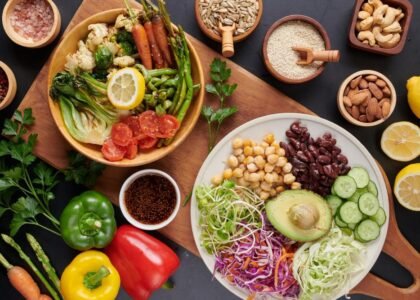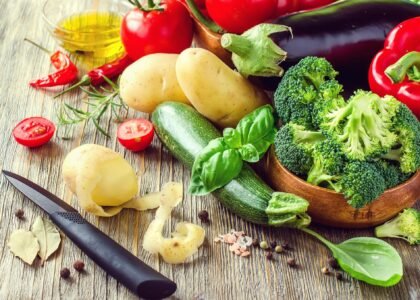
Healthy intake 😃 Balanzed living

Fiber Power for Healthy Living

Fiber-rich vegetables are an essential part of a healthy and balanced diet. They provide important nutrients, improve digestion, support heart health, and help maintain a healthy weight

Fiber rich vegetables

Fiber-rich vegetables provide many health advantages that support both physical and digestive wellness.

Improves Digestive Health

Fiber helps food move smoothly through the digestive tract and prevents constipation. It also promotes healthy gut bacteria, which supports better digestion and nutrient absorption.

Supports Weight Management

High-fiber vegetables keep you feeling full for a longer time. This reduces unnecessary snacking and helps control calorie intake naturally.

Helps Control Blood Sugar Levels

Fiber slows down sugar absorption into the bloodstream, helping maintain stable blood sugar levels. This is especially beneficial for people with diabetes.

Promotes Heart Health

Vegetables rich in soluble fiber help lower bad cholesterol levels and reduce the risk of heart disease and high blood pressure.

Enhances Gut Health

Fiber acts as food for healthy gut bacteria, improving the balance of microorganisms in the digestive system.

fiber rich vegetables

Benefits of Adding Fiber-Rich Vegetables to Your Daily Diet

Including fiber-rich vegetables in your daily meals is one of the simplest ways to improve long-term health. Regular consumption provides several important benefits.

Better Digestion Every Day

Fiber adds bulk to stool and helps prevent digestive discomfort. Eating vegetables daily supports smoother digestion and regular bowel movements.

Natural Energy Support

Fiber-rich vegetables contain slow-digesting carbohydrates that provide steady energy throughout the day without sudden spikes or crashes.

Improved Weight Control

Vegetables rich in fiber are usually low in calories and highly filling. This combination supports healthy weight management and reduces overeating.

Stronger Immune System

Many fiber-rich vegetables are rich in vitamin C, antioxidants, and plant nutrients that strengthen the immune system and help the body fight infections.

How Does Fiber-Rich Vegetables to improve Your Health?

Fiber-rich vegetables improve health in multiple ways by supporting the body’s natural systems.

Cleans the Digestive System

Fiber helps remove waste and toxins from the body, keeping the digestive tract cleaner and healthier.

Improves Metabolism

A healthy digestive system improves nutrient absorption and supports better metabolism.

Regulates Appetite

Fiber slows digestion, helping control hunger and reducing cravings for unhealthy foods.

Maintains Healthy Cholesterol Levels

Soluble fiber binds with cholesterol and helps remove it from the body, supporting heart health.

Supports Healthy Gut Microbiome

Gut-friendly bacteria feed on dietary fiber, producing beneficial compounds that support digestion and immunity.

Why are fiber rich vegetables important for daily health and digestion?

Including fiber rich vegetables in daily meals is important because they support healthy digestion, improve nutrient absorption, and help maintain overall wellness naturally. Vegetables such as broccoli, spinach, carrots, cabbage, peas, and beans are considered some of the top vegetables with high fiber because they provide essential nutrients along with dietary fiber. These vegetables help regulate bowel movements, reduce digestive discomfort, and support long-term gut health. Following a healthy fiber rich diet also helps maintain balanced energy levels and supports healthy weight management naturally.

The importance of fiber rich foods for gut health is highly recognized because fiber supports beneficial gut bacteria and improves digestive system function. Consuming natural fiber rich foods regularly may help improve metabolism, maintain better appetite control, and support heart health. Fiber-rich vegetables also help people feel full for longer periods, reducing unhealthy snacking and supporting balanced nutrition. Including nutritious vegetables in everyday meals is a simple and effective way to maintain healthy digestion and overall body wellness.

Different Types of Fiber-Rich Vegetables, Nutrients & Their Health Benefits

Fiber-Rich Vegetable Main Nutrients Health Benefits
Broccoli Fiber, Vitamin C, Vitamin K Supports digestion and immunity
Spinach Iron, Fiber, Antioxidants Improves blood health and digestion
Carrots Beta-carotene, Fiber Good for eye health and digestion
Green Peas Protein, Fiber Supports weight management
Sweet Potatoes Fiber, Potassium Helps regulate blood pressure
Brussels Sprouts Fiber, Vitamin C Supports immunity and gut health
Kale Calcium, Fiber Strengthens bones and heart health
Beetroot Fiber, Folate Improves blood circulation

How does Balanzing enhance Fiber-Rich Vegetables benefits?

The Balanzing approach maximizes Fiber-Rich Vegetables benefits by encouraging consistent, mindful, and moderate consumption as part of a balanced lifestyle. Fiber-Rich Vegetables is naturally rich in vitamins, minerals, antioxidants, and dietary fiber, which together support immunity, digestion, blood sugar regulation, heart health, and overall wellness. By following Balanzing principles, individuals consume Fiber-Rich Vegetables in proper portions and at appropriate times, ensuring that the body efficiently absorbs and utilizes its nutrients. This method enhances long-term benefits such as stronger immunity, improved digestive function, stable blood sugar levels, healthier skin, and sustained energy, while preventing overconsumption.


fiber rich vegetables fiber rich foods for gut health natural fiber rich foods top vegetables with high fiber healthy fiber rich diet fiber rich vegetables fiber rich foods for gut health natural fiber rich foods top vegetables with high fiber healthy fiber rich diet Fiber Rich Vegetables for Better Digestion and Overall Health Maintaining a healthy lifestyle begins with proper nutrition, and including fiber rich vegetables in daily meals is one of the best ways to support overall wellness naturally. Fiber is an essential nutrient that helps improve digestion, maintain gut health, support heart function, and promote balanced nutrition. Many people today are becoming more aware of the importance of consuming vegetables high in dietary fiber because of their long-term health benefits. Vegetables rich in fiber not only support digestion but also help maintain healthy body weight, improve metabolism, and support natural detoxification. A balanced diet filled with nutrient-rich vegetables helps the body function properly while reducing the risk of digestive discomfort and unhealthy eating habits. What Are Fiber Rich Vegetables? Fiber rich vegetables are vegetables that contain high amounts of dietary fiber, which supports healthy digestion and gut function. Fiber is a type of carbohydrate that the body cannot fully digest, but it plays a major role in maintaining digestive health. Vegetables such as broccoli, spinach, carrots, cabbage, peas, beans, sweet potatoes, cauliflower, beetroot, and Brussels sprouts are considered excellent sources of fiber. These vegetables contain both soluble and insoluble fiber, which help maintain healthy bowel movements and improve nutrient absorption. Adding vegetables to daily meals is one of the easiest and healthiest ways to increase dietary fiber intake naturally. Fiber Rich Foods for Gut Health The role of fiber rich foods for gut health is extremely important because fiber supports the digestive system and helps maintain healthy gut bacteria. A healthy gut is essential for proper digestion, nutrient absorption, immunity, and overall wellness. Dietary fiber acts as food for beneficial bacteria in the digestive system. These healthy bacteria help break down food, improve digestion, and support the body’s natural defense system. A balanced gut microbiome contributes to better metabolism and improved overall health. Fiber also helps regulate bowel movements and prevents constipation by adding bulk to stool and supporting smooth digestion. People who consume fiber-rich foods regularly often experience better digestive comfort and improved gut function. Broccoli, cabbage, carrots, peas, and spinach are among the most effective vegetables for supporting gut health naturally. Natural Fiber Rich Foods for Balanced Nutrition Many people prefer consuming natural fiber rich foods because they provide essential nutrients without excessive processed ingredients. Natural foods are rich in vitamins, minerals, antioxidants, and fiber that help maintain healthy body functions naturally. Fiber-rich vegetables support healthy eating habits because they help people feel full for longer periods. This reduces unnecessary snacking and helps maintain balanced calorie intake. Vegetables are also low in unhealthy fats and high in nutrition, making them ideal for maintaining overall wellness. Natural fiber-rich foods also support better blood sugar balance and heart health. Soluble fiber helps slow digestion and may help maintain stable blood sugar levels. This makes fiber-rich vegetables beneficial for long-term health management. Top Vegetables With High Fiber There are many top vegetables with high fiber that support digestion and overall wellness naturally. Each vegetable provides unique nutrients and health benefits. Broccoli Broccoli is rich in fiber, antioxidants, vitamin C, and vitamin K. It supports digestion, immunity, and detoxification while improving overall nutrition. Spinach Spinach contains fiber, iron, and antioxidants that help support digestion, blood circulation, and energy levels. Carrots Carrots are high in fiber and vitamin A, supporting digestion, healthy skin, and better immunity. Cabbage Cabbage is beneficial for gut health because it contains fiber and nutrients that support healthy digestion and metabolism. Sweet Potatoes Sweet potatoes are excellent sources of dietary fiber and complex carbohydrates that support energy and digestion naturally. Green Peas Green peas contain both fiber and plant protein, helping maintain digestive health and long-lasting fullness. Cauliflower Cauliflower supports gut health and detoxification because it contains fiber and antioxidants that improve digestion naturally. Beetroot Beetroot contains fiber and nutrients that help improve circulation, digestion, and detoxification. Including different vegetables in meals helps provide complete nutrition and supports overall wellness naturally. Healthy Fiber Rich Diet for Daily Wellness Following a healthy fiber rich diet is important for maintaining balanced nutrition and overall body wellness. A fiber-rich diet supports digestion, metabolism, heart health, and appetite control naturally. People who consume enough dietary fiber often experience better digestive comfort and improved energy levels. Fiber also helps slow down digestion, allowing the body to absorb nutrients more effectively. A healthy diet with vegetables, fruits, whole grains, legumes, and natural foods supports long-term health and wellness. Including fiber-rich vegetables in soups, salads, curries, steamed dishes, and snacks is an easy way to improve daily nutrition. Fiber Rich Vegetables for Weight Management One of the major advantages of consuming fiber rich vegetables is their role in supporting healthy weight management. Fiber-rich foods help people feel full for longer periods, reducing overeating and unnecessary cravings. Vegetables are naturally low in calories but high in nutrients, making them ideal for balanced diet plans. Fiber also helps regulate appetite and supports healthier eating habits naturally. A balanced diet rich in vegetables helps maintain healthy metabolism and supports long-term fitness goals. Benefits for Heart Health Fiber-rich vegetables support heart health by helping maintain healthy cholesterol levels and blood circulation. Soluble fiber may help reduce cholesterol absorption in the body, supporting cardiovascular wellness naturally. Vegetables such as broccoli, spinach, and carrots contain antioxidants and potassium that help maintain healthy blood pressure and improve circulation. A healthy heart supports better energy, stamina, and overall body function. Improving Blood Sugar Balance Fiber-rich foods help slow the digestion process, which supports better blood sugar balance. Stable blood sugar levels help maintain energy and reduce sudden hunger cravings. This is one of the reasons why a healthy fiber rich diet is recommended for maintaining balanced nutrition and overall wellness. Natural Detoxification and Digestive Support Fiber helps support natural detoxification by helping remove waste and toxins from the body. Proper digestion and bowel movements improve internal health and overall wellness. Vegetables rich in fiber help cleanse the digestive system naturally while supporting liver and gut function. A healthy digestive system improves nutrient absorption and supports stronger immunity. Fiber Rich Foods and Immunity A healthy digestive system is closely connected to immunity. Since much of the immune system is linked to gut health, consuming fiber rich foods for gut health may also support stronger immunity. Healthy gut bacteria help maintain immune function and support the body’s natural defense system against infections and illnesses. Vegetables rich in vitamins, antioxidants, and fiber contribute to stronger body function and improved wellness naturally. Fiber Rich Vegetables for Healthy Skin Proper digestion and detoxification also contribute to healthier skin. Fiber-rich foods help remove toxins from the body, which may improve skin clarity and natural glow. Vegetables such as carrots, spinach, and beetroot support healthier skin because they contain antioxidants and important vitamins that help maintain skin health naturally. Healthy skin often reflects balanced nutrition and proper digestion. Daily Meal Ideas With Fiber Rich Vegetables Adding fiber-rich vegetables to meals can be simple and enjoyable. Salads with broccoli, carrots, and spinach provide excellent nutrition. Vegetable soups, steamed vegetables, and healthy curries also support daily fiber intake. Roasted sweet potatoes and stir-fried cabbage are healthy meal options that improve both nutrition and taste. Smoothies with leafy greens and vegetables can also help increase daily fiber consumption naturally. Importance of Hydration With Fiber Intake When consuming more fiber, proper hydration is also important. Drinking enough water helps fiber move smoothly through the digestive system and supports healthy digestion. A balanced combination of fiber-rich foods and hydration supports better digestive comfort and overall body wellness. Long-Term Benefits of Fiber Rich Vegetables Long-term consumption of fiber rich vegetables supports digestive health, heart wellness, weight management, better immunity, and balanced nutrition naturally. Healthy eating habits help reduce the risk of digestive discomfort and support stronger body function over time. Fiber-rich diets also support healthier lifestyle habits and improved energy levels. Consistent nutrition plays an important role in maintaining long-term wellness and active living. Including fiber rich vegetables in daily meals is one of the best ways to improve digestion, support overall health, and maintain balanced nutrition naturally. The importance of fiber rich foods for gut health continues to grow because healthy digestion supports immunity, metabolism, and overall wellness. Consuming natural fiber rich foods regularly helps improve digestive comfort, maintain healthy weight, and support better energy levels. The top vegetables with high fiber provide essential nutrients that support long-term health and wellness naturally. Following a healthy fiber rich diet is a simple and effective step toward better digestion, improved gut health, and a healthier lifestyle for people of all ages. Fiber Rich Vegetables for Better Digestion and Healthy Living Including fiber rich vegetables in daily meals is one of the most effective ways to maintain a healthy lifestyle naturally. Fiber is an important nutrient that supports digestion, improves gut health, maintains healthy body weight, and supports overall wellness. Vegetables rich in dietary fiber provide essential vitamins, minerals, antioxidants, and plant nutrients that help the body function properly. Modern eating habits often include processed foods with low fiber content, which may lead to digestive discomfort and unhealthy lifestyle patterns. Adding vegetables high in fiber to everyday meals helps improve nutrition and supports long-term health naturally. A balanced diet rich in vegetables supports healthy digestion, better metabolism, and improved energy levels. Importance of Fiber Rich Foods for Gut Health The role of fiber rich foods for gut health is extremely important because gut health directly affects digestion, immunity, and nutrient absorption. Dietary fiber helps feed beneficial bacteria inside the digestive system, supporting a healthy gut microbiome. Healthy gut bacteria help break down food efficiently and support smoother digestion. Fiber also helps regulate bowel movements and prevents constipation by adding bulk to stool. A healthy digestive system supports better nutrient absorption and overall wellness. People who consume fiber-rich vegetables regularly often experience improved digestive comfort and reduced bloating. Proper gut health also contributes to stronger immunity and better metabolism naturally. Natural Fiber Rich Foods for Daily Nutrition Many people prefer consuming natural fiber rich foods because they provide nutrition without excessive processed ingredients or unhealthy additives. Vegetables naturally contain fiber, vitamins, minerals, and antioxidants that support overall health. Natural foods help maintain healthy eating habits and improve long-term wellness. Fiber-rich vegetables also help people feel full for longer periods, reducing unnecessary snacking and overeating. This supports healthier weight management and balanced calorie intake. Vegetables such as broccoli, carrots, spinach, cabbage, sweet potatoes, peas, cauliflower, beetroot, and beans are excellent natural sources of dietary fiber. Top Vegetables With High Fiber There are many top vegetables with high fiber that support digestion and improve overall wellness naturally. Broccoli Broccoli is rich in dietary fiber, antioxidants, vitamin C, and vitamin K. It supports digestion, detoxification, and immune health. Spinach Spinach contains fiber, iron, and antioxidants that improve digestion and support healthy blood circulation. Carrots Carrots provide fiber and vitamin A that support digestive health, skin wellness, and immunity. Cabbage Cabbage supports healthy digestion and gut health due to its fiber and nutrient content. Sweet Potatoes Sweet potatoes are rich in fiber and healthy carbohydrates that support energy and digestive wellness. Green Peas Green peas provide fiber and plant protein, helping maintain fullness and healthy digestion. Cauliflower Cauliflower helps improve gut health and supports natural detoxification. Beetroot Beetroot supports digestion, circulation, and internal cleansing naturally. Including different vegetables in daily meals provides balanced nutrition and supports overall body health. Healthy Fiber Rich Diet for Balanced Wellness Following a healthy fiber rich diet is important for maintaining proper digestion and balanced nutrition. A fiber-rich diet helps improve metabolism, supports healthy blood sugar balance, and promotes digestive comfort. Fiber slows the digestion process, allowing nutrients to be absorbed more efficiently. This also helps maintain steady energy levels throughout the day and reduces sudden hunger cravings. A healthy fiber-rich diet may include vegetables, fruits, legumes, whole grains, nuts, and seeds. Balanced meals with enough fiber help support long-term health and overall wellness naturally. Fiber Rich Vegetables for Weight Management One of the major fiber rich vegetables benefits is their ability to support healthy weight management. Fiber-rich foods help control appetite because they keep the stomach full for longer periods. Vegetables are naturally low in calories but high in nutrition, making them ideal for balanced diet plans. People who regularly consume fiber-rich vegetables often maintain healthier eating habits and reduced unhealthy snacking. This supports long-term fitness goals and healthier body composition naturally. Benefits for Heart Health Fiber-rich vegetables also support heart health by helping maintain healthy cholesterol levels and improving circulation. Soluble fiber may help reduce cholesterol absorption, supporting cardiovascular wellness. Vegetables such as broccoli, spinach, and carrots contain antioxidants and potassium that help maintain healthy blood pressure and improve blood flow. A healthy cardiovascular system supports better energy, stamina, and long-term wellness. Supporting Blood Sugar Balance Fiber helps slow down digestion, which may support better blood sugar control and stable energy levels. Balanced blood sugar helps reduce sudden hunger and unhealthy cravings. This is one reason why a healthy fiber rich diet is widely recommended for maintaining balanced nutrition and healthy metabolism naturally. Natural Detoxification and Internal Health Fiber-rich vegetables support natural detoxification by helping remove waste and toxins from the digestive system. Proper digestion improves overall body function and supports healthier metabolism. Vegetables such as beetroot, cabbage, and broccoli help support liver health and internal cleansing naturally. A healthy digestive system contributes to improved wellness and stronger immunity. Fiber Rich Foods and Immunity The digestive system is closely connected to immunity. Consuming fiber rich foods for gut health helps support beneficial gut bacteria, which contribute to stronger immune function. Vegetables rich in antioxidants and vitamins help protect body cells and support the body’s natural defense system. Healthy digestion supports better nutrient absorption and improved immunity naturally.

Disclaimer

The information provided on this website is collected and compiled from publicly available sources for general informational purposes only.

Table of Contents