
Organic Vegetables Health Benefits
Organic vegetables are becoming increasingly popular among health-conscious people around the world. They are grown naturally without the use of synthetic pesticides, chemical fertilizers, or genetically modified organisms (GMOs).
Organic Vegetables Health Benefits
1. Improves Digestion
Organic vegetables are high in dietary fiber, which helps improve digestion and prevents constipation. Fiber also supports healthy gut bacteria.
2. Boosts Immunity
Vegetables rich in vitamins A, C, and E strengthen the immune system and help the body fight infections naturally.
3. Supports Heart Health
Leafy greens and fiber-rich vegetables help lower cholesterol levels and maintain healthy blood pressure.
4. Helps in Weight Management
Organic vegetables are low in calories and high in nutrients, making them ideal for healthy weight loss diets.
5. Promotes Healthy Skin
Antioxidants found in vegetables help protect the skin from damage and support natural glow and hydration.
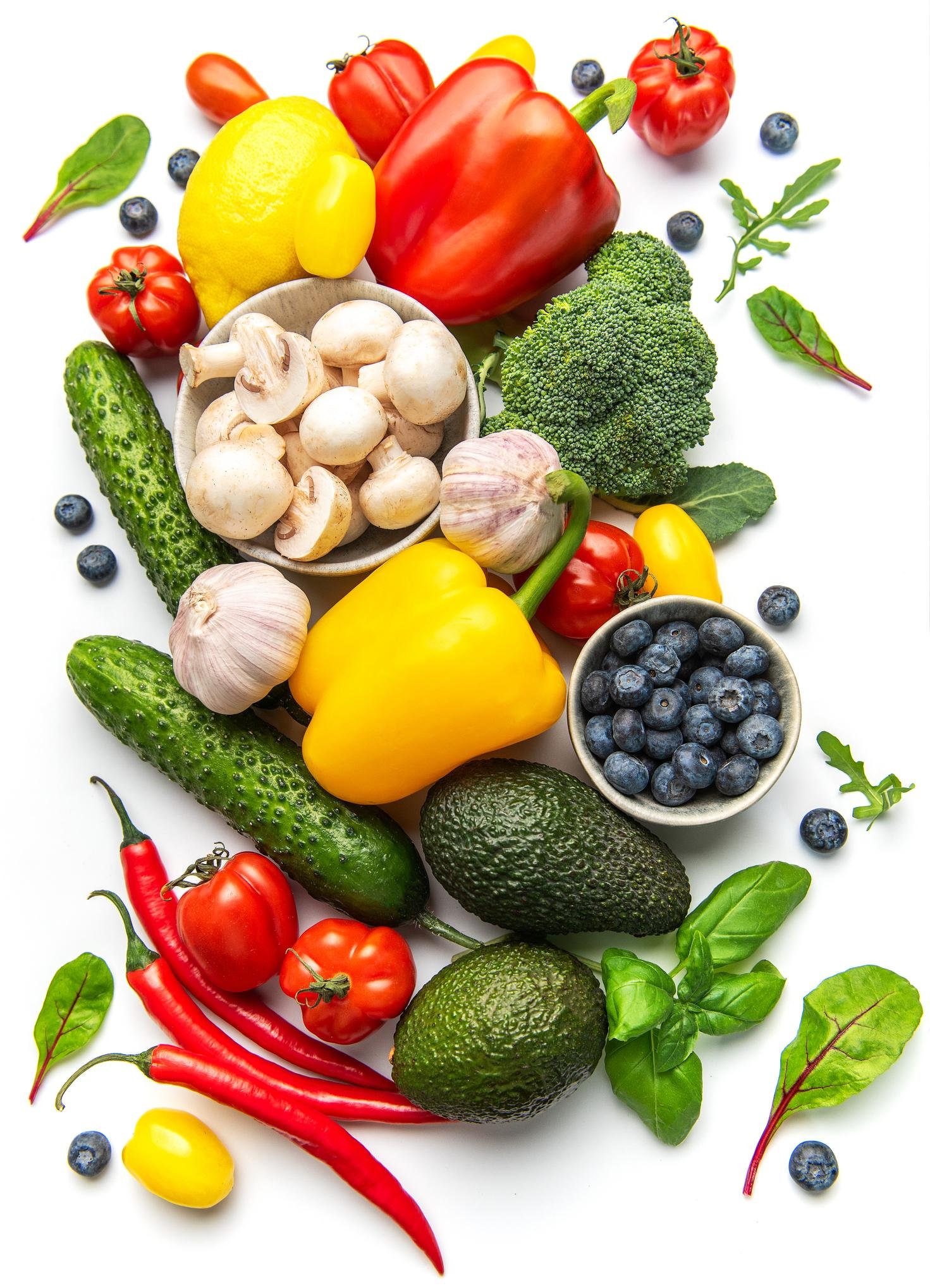
Benefits of Adding Organic Vegetables to your daily diet
Daily Benefits of Eating Organic Vegetables
Better Nutrient Intake
Organic vegetables provide essential nutrients such as:
- Vitamin C
- Vitamin K
- Potassium
- Iron
- Magnesium
- Calcium
- Folate
These nutrients support healthy bones, muscles, nerves, and immunity.
Improves Gut Health
Vegetables rich in fiber improve digestion and support beneficial bacteria in the digestive system.
Helps Detoxify the Body
Natural antioxidants and water-rich vegetables help flush toxins from the body and support liver function.
How Does Organic Vegetables to improve Your Health?
Natural Antioxidant Protection
Organic vegetables contain antioxidants that help protect body cells from damage caused by free radicals.
Cleaner Food Choices
Choosing organic vegetables may help reduce exposure to pesticide residues and artificial chemicals.
Supports Long-Term Wellness
Eating vegetables daily helps create healthy lifestyle habits that support long-term health and disease prevention.
Different Types of Organic Vegetables & Their Health Benefits
| Type of Organic Vegetable | Examples | Main Nutrients | Health Benefits |
|---|---|---|---|
| Leafy Green Vegetables | Spinach, kale, lettuce | Iron, calcium, folate | Improves immunity and bone health |
| Root Vegetables | Carrot, beetroot, radish | Beta-carotene, fiber | Supports eye health and digestion |
| Cruciferous Vegetables | Broccoli, cabbage, cauliflower | Vitamin C, antioxidants | Helps detoxification and heart health |
| Fruiting Vegetables | Tomato, cucumber, bell pepper | Vitamins A and C | Supports skin and hydration |
| Legume Vegetables | Beans, peas | Protein, fiber | Helps muscle growth and digestion |
| Allium Vegetables | Onion, garlic | Sulfur compounds | Supports immunity and heart health |
| Water-Rich Vegetables | Cucumber, celery | Water, minerals | Keeps body hydrated |
How does Balanzing enhance Organic Vegetables benefits?
The Balanzing approach maximizes Organic Vegetables benefits by encouraging consistent, mindful, and moderate consumption as part of a balanced lifestyle. Organic Vegetables is naturally rich in vitamins, minerals, antioxidants, and dietary fiber, which together support immunity, digestion, blood sugar regulation, heart health, and overall wellness. By following Balanzing principles, individuals consume Organic Vegetables in proper portions and at appropriate times, ensuring that the body efficiently absorbs and utilizes its nutrients. This method enhances long-term benefits such as stronger immunity, improved digestive function, stable blood sugar levels, healthier skin, and sustained energy, while preventing overconsumption.


Disclaimer
The information provided on this website is collected and compiled from publicly available sources for general informational purposes only.
# Organic Vegetables Health Benefits Organic Vegetables Health Benefits have become a popular topic among health-conscious consumers who are looking for natural ways to improve their diet and overall wellness. As people become more aware of the importance of food quality and sustainable farming practices, organic vegetables continue to gain attention for their role in supporting healthy eating habits. Fresh vegetables grown through organic farming methods are valued for their natural cultivation process and their ability to contribute to a balanced and nutritious lifestyle. Many individuals and families are choosing organic produce as part of their commitment to healthier food choices and a more mindful approach to nutrition. One of the key reasons people explore Organic Vegetables Health Benefits is the growing interest in natural and minimally processed foods. Organic vegetables are produced using farming practices that focus on soil health, biodiversity, and sustainable agricultural methods. These practices help create a food system that emphasizes natural growth and environmental responsibility. For consumers seeking wholesome ingredients for daily meals, organic vegetables are often viewed as an appealing option that aligns with wellness-focused lifestyles. Including fresh organic produce in meals can help encourage healthier eating habits and inspire a greater appreciation for natural foods. The Benefits of eating organic vegetables extend beyond simple meal preparation. Many people choose organic produce because it supports a lifestyle centered on fresh, natural ingredients. Organic vegetables can be incorporated into a wide range of dishes, including salads, soups, stir-fries, curries, wraps, grain bowls, and smoothies. Their versatility makes them suitable for breakfast, lunch, dinner, and snacks, allowing individuals to enjoy a variety of flavors and textures while maintaining balanced dietary habits. This flexibility helps make healthy eating more practical and enjoyable for people with different preferences and lifestyles. Understanding the Nutritional value of organic vegetables is an important part of recognizing their role in a healthy diet. Vegetables naturally contain vitamins, minerals, dietary fiber, and plant-based compounds that contribute to overall nutrition. Organic produce can be included as part of a varied and balanced eating pattern that emphasizes fresh ingredients and nutrient-rich meals. By consuming a wide range of vegetables, individuals can enjoy different flavors and nutritional profiles that help support a more diverse diet. Variety is often encouraged because different vegetables contribute unique nutrients and culinary experiences. Many consumers ask, Why choose organic vegetables when planning healthier meals and shopping for fresh produce. One reason is the desire to support farming methods that prioritize environmental sustainability and natural growing practices. Organic agriculture often emphasizes responsible land management and the preservation of soil quality, which can contribute to long-term agricultural sustainability. Consumers who value these principles may choose organic vegetables as part of a broader commitment to environmentally conscious living. In addition, selecting organic produce can encourage people to focus on fresh foods and home-cooked meals, both of which are commonly associated with healthier eating habits. Organic vegetable diet benefits are frequently discussed by individuals who are interested in improving their overall dietary quality. Incorporating organic vegetables into daily meals can encourage greater consumption of fresh produce and a stronger focus on whole foods. Many people find that prioritizing vegetables in their diet naturally leads to more balanced meal planning and reduced reliance on heavily processed foods. Organic vegetables can be combined with grains, legumes, fruits, nuts, and seeds to create satisfying meals that support a wholesome approach to eating. This emphasis on fresh ingredients helps promote long-term healthy habits and a more mindful relationship with food. Organic Vegetables Health Benefits are also connected to the enjoyment of seasonal produce. Seasonal vegetables often offer excellent flavor and freshness, making them an attractive choice for home cooks and food enthusiasts. Choosing vegetables that are in season can inspire creativity in the kitchen and encourage individuals to explore a wider variety of ingredients. Seasonal eating can also help maintain interest in healthy meal preparation by introducing new flavors and textures throughout the year. This variety supports a more enjoyable and sustainable approach to nutrition. The Benefits of eating organic vegetables can also be appreciated through the positive impact they have on meal quality. Fresh vegetables add color, texture, and flavor to dishes, making meals more visually appealing and satisfying. A colorful plate filled with vegetables often reflects a diverse range of ingredients that contribute to balanced nutrition. Including a variety of vegetables in daily meals can help individuals create dishes that are both nourishing and enjoyable. This combination of nutrition and culinary appeal is one of the reasons vegetables remain a central component of healthy eating patterns. The Nutritional value of organic vegetables becomes especially important when considering long-term dietary habits. Consistent consumption of fresh vegetables helps encourage a balanced intake of essential nutrients and supports overall meal quality. Organic vegetables can be part of a dietary pattern that prioritizes natural foods and emphasizes variety. Whether consumed raw in salads, blended into smoothies, or cooked as part of a main dish, vegetables contribute valuable nutritional elements that help create well-rounded meals. For many consumers, the answer to Why choose organic vegetables lies in the broader lifestyle choices associated with healthy eating. Organic produce is often selected by individuals who value freshness, sustainability, and mindful food consumption. These consumers may view organic vegetables as part of a larger commitment to making informed decisions about the foods they eat and the agricultural systems they support. By focusing on fresh ingredients and home-prepared meals, people can develop healthier eating routines that are easier to maintain over time. Organic vegetable diet benefits can also include greater awareness of food quality and meal preparation. Cooking with fresh vegetables often encourages people to spend more time planning meals and experimenting with recipes. This involvement in food preparation can lead to a deeper appreciation for natural ingredients and a stronger connection to healthy eating practices. Home-cooked meals that feature organic vegetables can be tailored to individual preferences and nutritional goals, making it easier to maintain a balanced and enjoyable diet. Organic Vegetables Health Benefits continue to attract interest because they align with many modern wellness trends that emphasize natural foods and sustainable living. As consumers become more informed about nutrition and food production, they are increasingly seeking options that support both personal health and environmental responsibility. Organic vegetables fit well within this framework because they combine the advantages of fresh produce with farming practices designed to promote sustainability. This combination makes them appealing to individuals who want to make positive choices for themselves and the planet. The Benefits of eating organic vegetables are often linked to the broader goal of creating a healthier lifestyle. Including more vegetables in meals can help improve overall dietary balance and encourage the consumption of nutrient-rich foods. Fresh produce provides an opportunity to enjoy a variety of flavors while supporting wholesome eating habits. Organic vegetables, in particular, are frequently chosen by people who appreciate natural cultivation methods and want to prioritize fresh ingredients in their diets. The Nutritional value of organic vegetables remains one of the most important reasons for their popularity. Vegetables are naturally rich in nutrients that contribute to balanced nutrition and enjoyable meal experiences. By incorporating a diverse selection of vegetables into daily meals, individuals can create a diet that emphasizes variety, freshness, and nutritional quality. This approach helps support long-term wellness and encourages sustainable eating habits that can be maintained throughout life. When considering Why choose organic vegetables, many people focus on the desire to align their food choices with their personal values. Organic agriculture often reflects principles such as environmental stewardship, biodiversity, and responsible resource management. Choosing organic produce allows consumers to support these principles while also enjoying fresh and flavorful foods. This connection between food choices and personal values can strengthen motivation to maintain healthy eating habits and make more conscious decisions about nutrition. Organic vegetable diet benefits can also be seen in the positive impact they have on meal planning and food preparation. Vegetables provide a foundation for countless recipes and can be adapted to suit different tastes, dietary preferences, and cultural traditions. Their versatility makes them a practical choice for individuals seeking to improve the quality of their meals without sacrificing flavor or convenience. Whether preparing simple salads or elaborate family dinners, organic vegetables offer a reliable and nutritious ingredient that enhances both taste and nutritional value. In conclusion, Organic Vegetables Health Benefits continue to make organic produce an attractive option for people interested in healthy living and balanced nutrition. The Benefits of eating organic vegetables include supporting fresh food choices, encouraging wholesome meal preparation, and promoting a lifestyle centered on natural ingredients. The Nutritional value of organic vegetables contributes to their role in balanced diets, while the question of Why choose organic vegetables often leads consumers to consider sustainability, food quality, and mindful eating habits. Organic vegetable diet benefits highlight the importance of incorporating fresh produce into daily routines and creating meal patterns that support long-term wellness. By embracing organic vegetables as part of a healthy lifestyle, individuals can enjoy nutritious meals, diverse culinary experiences, and a stronger connection to natural food choices. Organic Vegetables Health Benefits are becoming increasingly important for people who want to adopt healthier eating habits and make more informed food choices. As awareness about nutrition and sustainable agriculture grows, many consumers are turning to organic produce as a valuable part of their daily diet. Fresh vegetables cultivated through organic farming methods are widely appreciated for their natural growing practices and their contribution to wholesome meal planning. Including organic vegetables in everyday meals can help create a more balanced and enjoyable approach to nutrition while encouraging the use of fresh, minimally processed ingredients. The Benefits of eating organic vegetables can be seen in the way they support a diet centered on natural foods. Many individuals prefer organic produce because it aligns with their desire to consume ingredients that are grown using environmentally responsible methods. Organic vegetables can easily be incorporated into a variety of recipes, making them suitable for different dietary preferences and lifestyles. From colorful salads and nourishing soups to homemade curries and vegetable-based side dishes, organic produce provides endless opportunities to prepare satisfying meals. This flexibility helps individuals maintain healthier eating routines while enjoying a diverse range of flavors and textures. Understanding the Nutritional value of organic vegetables is essential for anyone interested in improving the quality of their diet. Vegetables naturally provide a variety of vitamins, minerals, dietary fiber, and beneficial plant compounds that contribute to balanced nutrition. By including a wide range of organic vegetables in meals, people can enjoy greater dietary diversity and create more nutrient-rich eating patterns. Different vegetables offer unique nutritional profiles, which is why consuming a variety of produce is often encouraged. This approach supports a more complete and enjoyable eating experience while helping individuals appreciate the natural goodness of fresh foods. Many people ask, Why choose organic vegetables when there are many food options available today. One common reason is the desire to support farming practices that focus on sustainability and environmental care. Organic agriculture often emphasizes natural methods of cultivation and responsible resource management, making it appealing to consumers who value environmentally conscious choices. Choosing organic vegetables can also inspire individuals to spend more time preparing meals at home and focusing on fresh ingredients, which are habits often associated with healthier lifestyles. Organic vegetable diet benefits are also linked to the promotion of balanced meal planning and mindful eating. Including organic vegetables in daily menus can encourage people to prioritize fresh produce and explore creative ways to prepare nutritious dishes. These vegetables pair well with grains, legumes, fruits, nuts, and seeds, making it easy to create complete and satisfying meals. Their versatility allows them to fit into breakfast, lunch, dinner, and snack options, providing convenient ways to increase vegetable consumption throughout the day. Overall, Organic Vegetables Health Benefits continue to attract attention because they support a lifestyle focused on fresh ingredients, balanced nutrition, and sustainable food choices. The Benefits of eating organic vegetables, combined with the Nutritional value of organic vegetables, make them an excellent addition to everyday meals. For those wondering Why choose organic vegetables, the answer often lies in their connection to healthier eating habits and environmentally responsible farming practices. Organic vegetable diet benefits highlight the value of incorporating fresh produce into regular meal routines, helping individuals enjoy flavorful foods while supporting long-term wellness and a more mindful approach to nutrition. Fresh vegetables have been an important part of human diets for centuries and continue to play a significant role in healthy eating habits today. People around the world rely on vegetables as a source of flavor, variety, and nourishment, making them one of the most versatile food groups available. Whether included in simple home-cooked meals or elaborate culinary creations, vegetables provide countless opportunities to create satisfying dishes that support a balanced lifestyle. Their adaptability allows them to fit into a wide range of cuisines and dietary preferences, making them a valuable ingredient in everyday cooking. One of the greatest advantages of incorporating more vegetables into meals is the variety they bring to the table. Different vegetables offer unique textures, colors, and flavors that can transform ordinary dishes into enjoyable dining experiences. Crisp leafy greens, vibrant bell peppers, hearty root vegetables, and seasonal produce each contribute something special to recipes. This diversity helps keep meals interesting and encourages people to explore new ingredients and cooking techniques. A colorful plate filled with a variety of vegetables often feels more appealing and satisfying, making healthy eating easier to maintain over time. Many individuals are becoming more conscious of the foods they consume and are placing greater emphasis on fresh, natural ingredients. This shift has led to increased interest in foods that are minimally processed and closer to their natural state. Vegetables fit perfectly into this approach because they can be enjoyed with minimal preparation while still providing excellent flavor and versatility. Choosing fresh produce often encourages people to spend more time preparing meals at home, which can lead to healthier eating patterns and a stronger appreciation for quality ingredients. Home cooking offers numerous opportunities to make vegetables a central part of daily meals. They can be added to soups, stews, casseroles, stir-fries, pasta dishes, grain bowls, wraps, sandwiches, and salads. Their ability to complement a wide range of ingredients makes them an essential component of balanced meal planning. Many families find that incorporating more vegetables into recipes helps create meals that are both nourishing and enjoyable, supporting long-term healthy eating habits without sacrificing taste. Seasonal produce is especially valued because it often offers peak freshness and flavor. Choosing vegetables that are naturally available during different times of the year allows individuals to enjoy a changing variety of ingredients while supporting local food systems. Seasonal eating can inspire creativity in the kitchen, encouraging people to experiment with new recipes and discover unfamiliar vegetables. This variety helps maintain interest in healthy eating and prevents meals from becoming repetitive. Vegetables are also appreciated for their ability to pair well with a wide range of other foods. They can be combined with grains, legumes, herbs, spices, nuts, and seeds to create meals that are rich in flavor and texture. These combinations provide endless possibilities for meal preparation and make it easier to create dishes that suit individual tastes and preferences. Whether someone enjoys simple recipes or more complex culinary creations, vegetables can easily be adapted to fit different styles of cooking. The visual appeal of vegetables is another reason they are so popular in meal preparation. Bright colors and varied shapes can make dishes look more appetizing and inviting. Meals that include a range of colorful ingredients often feel more balanced and satisfying, encouraging people to make healthier food choices. The natural beauty of fresh produce can inspire greater enjoyment of meals and contribute to a more positive relationship with food. Modern lifestyles can sometimes make healthy eating seem challenging, but vegetables offer a practical solution because they are available in many convenient forms. Fresh, frozen, and minimally processed options make it easier than ever to include vegetables in daily routines. Quick recipes such as salads, stir-fries, roasted vegetable trays, and blended soups can be prepared with relatively little effort while still providing flavorful meal options. This convenience helps support consistent healthy eating habits, even for individuals with busy schedules. Many people also find that increasing their consumption of fresh produce encourages them to become more adventurous in the kitchen. Trying new vegetables, experimenting with different seasonings, and exploring diverse cuisines can make meal preparation more enjoyable and rewarding. Cooking with a variety of ingredients helps develop culinary skills while promoting a greater appreciation for wholesome foods. Over time, these experiences can lead to more confident cooking habits and a stronger commitment to preparing meals at home.
Table of Contents
Toggle