
Balanced Vegetable Diet Health Benefits
A balanced vegetable diet is a healthy eating pattern that includes a variety of vegetables from different food groups to provide essential nutrients, vitamins, minerals, fiber, and antioxidants
Balanced Vegetable Diet Health Benefits
A balanced vegetable diet offers numerous health benefits due to its rich nutritional profile. Vegetables contain vitamins A, C, E, K, folate, potassium, magnesium, and dietary fiber that support various bodily functions.
Supports Heart Health
Vegetables are rich in potassium and antioxidants that help regulate blood pressure and reduce inflammation. Regular vegetable consumption is associated with improved cardiovascular health and lower risk of heart disease.
Enhances Digestive Health
The fiber found in vegetables promotes healthy digestion by supporting beneficial gut bacteria and preventing constipation. Fiber also helps maintain regular bowel movements and improves nutrient absorption.
Strengthens the Immune System
Vegetables contain immune-supporting nutrients such as vitamin C, vitamin A, and antioxidants that help the body fight infections and illnesses.
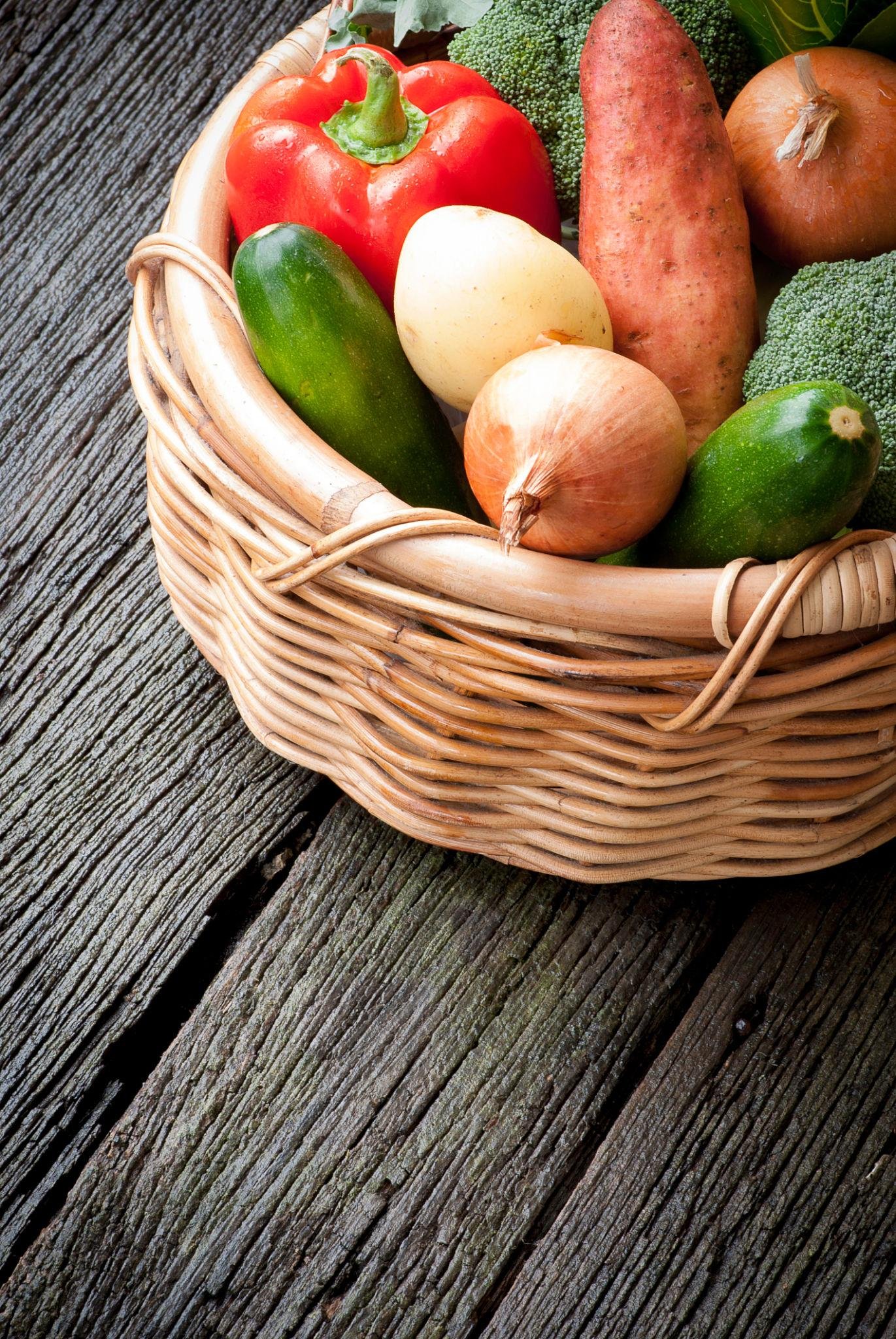
Benefits of Adding Balanced Vegetable Diet to your daily diet
Adding plant-based vegetables to your daily meals is one of the most effective ways to improve overall health and wellness. Regular consumption provides long-term benefits that impact nearly every system in the body.
Enhanced Energy Levels
Vegetables provide complex carbohydrates, vitamins, and minerals that help the body produce energy efficiently. Unlike highly processed foods, vegetables provide sustained energy without causing sudden spikes and crashes in blood sugar levels.
Better Digestive Function
The dietary fiber found in vegetables helps maintain regular bowel movements and supports a healthy digestive system. Fiber also feeds beneficial gut bacteria, which play an important role in digestion and immunity.
Improved Weight Control
People who consume more vegetables often find it easier to maintain a healthy weight. Vegetables add volume to meals without significantly increasing calorie intake, helping reduce overeating.
Stronger Immune System
Vegetables contain a wide range of immune-supporting nutrients, including vitamin C, vitamin A, zinc, and antioxidants. These nutrients help the body defend itself against illness and infections.
How Does Balanced Vegetable Diet to improve Your Health?
Adding a balanced vegetable diet to your daily routine can significantly improve your quality of life. The long-term health benefits extend far beyond simple nutrition.
Provides Complete Nutritional Support
Different vegetables offer unique nutrients. Consuming a variety ensures your body receives a broad spectrum of vitamins and minerals necessary for optimal functioning.
Increases Daily Energy Levels
Vegetables provide essential nutrients that support energy production at the cellular level. Unlike processed foods that cause energy crashes, vegetables provide sustained energy throughout the day.
Improves Mental Well-Being
Research suggests that diets rich in vegetables may contribute to improved mood, reduced stress levels, and better cognitive performance. Nutrients such as folate and antioxidants support brain health.
Supports Healthy Aging
Vegetables contain powerful antioxidants that help combat oxidative stress, one of the major contributors to aging and age-related diseases.
Different Types of Balanced Vegetable Diet & Their Health Benefits
| Health Benefit Category | Key Vegetables | Main Nutrients | Major Benefits |
|---|---|---|---|
| Heart Health | Spinach, Broccoli, Kale | Potassium, Fiber | Supports blood pressure and cardiovascular health |
| Digestive Health | Carrots, Peas, Cabbage | Fiber | Improves digestion and gut health |
| Immune Support | Bell Peppers, Tomatoes, Broccoli | Vitamin C, Antioxidants | Strengthens immune system |
| Eye Health | Carrots, Sweet Potatoes, Spinach | Beta-Carotene, Lutein | Supports healthy vision |
| Bone Health | Kale, Broccoli, Bok Choy | Calcium, Vitamin K | Strengthens bones |
| Weight Management | Cucumbers, Lettuce, Zucchini | Fiber, Water | Promotes fullness and weight control |
How does Balanzing enhance Balanced Vegetable Diet benefits?
The Balanzing approach maximizes Balanced Vegetable Diet benefits by encouraging consistent, mindful, and moderate consumption as part of a balanced lifestyle. Balanced Vegetable Diet is naturally rich in vitamins, minerals, antioxidants, and dietary fiber, which together support immunity, digestion, blood sugar regulation, heart health, and overall wellness. By following Balanzing principles, individuals consume Balanced Vegetable Diet in proper portions and at appropriate times, ensuring that the body efficiently absorbs and utilizes its nutrients. This method enhances long-term benefits such as stronger immunity, improved digestive function, stable blood sugar levels, healthier skin, and sustained energy, while preventing overconsumption.


Disclaimer
The information provided on this website is collected and compiled from publicly available sources for general informational purposes only.
# Balanced Vegetable Diet Health Benefits: A Complete Guide to Better Nutrition and Everyday Wellness A nutritious eating pattern is one of the most important foundations of a healthy lifestyle, and vegetables play a central role in achieving that goal. The **Balanced Vegetable Diet Health Benefits** are widely recognized because vegetables provide essential vitamins, minerals, dietary fiber, antioxidants, and beneficial plant compounds that contribute to overall nutritional wellness. By including a variety of vegetables in daily meals, individuals can improve dietary quality while enjoying flavorful and satisfying foods. Modern nutrition experts consistently encourage increased vegetable consumption because vegetables are among the most nutrient-dense foods available. They provide substantial nutritional value while remaining naturally low in calories, making them an excellent choice for people seeking healthier eating habits. Understanding the importance of a balanced approach to vegetable consumption can help individuals make informed dietary decisions that support long-term wellness. ## Understanding Balanced Vegetable Diet Health Benefits The **Balanced Vegetable Diet Health Benefits** go beyond basic nutrition. A diet that includes a wide range of vegetables provides diverse nutrients that contribute to overall dietary balance and meal quality. Different vegetables contain different nutrient profiles, which is why consuming a variety of colors and types is often recommended. Some major advantages include: * Increased nutrient diversity * Greater dietary variety * Higher intake of vitamins and minerals * Improved meal quality * Rich source of dietary fiber * Naturally low-calorie food choices * Access to beneficial antioxidants * Better overall nutritional balance * More enjoyable and colorful meals These advantages highlight why vegetables should be included regularly in a healthy eating pattern. ## Balanced Vegetable Diet Nutrition and Why It Matters Understanding **Balanced vegetable diet nutrition** is essential for anyone interested in improving their eating habits. Vegetables contain a broad spectrum of nutrients that contribute to daily nutritional requirements and overall dietary quality. Unlike highly processed foods, vegetables provide naturally occurring nutrients without excessive additives. Their nutrient density makes them one of the most valuable food groups available. ### Important Vitamins Found in Vegetables Many vegetables provide: * Vitamin A * Vitamin C * Vitamin K * Vitamin E * Folate * Several B vitamins These nutrients contribute to a balanced and varied diet. ### Important Minerals Found in Vegetables Vegetables are also rich sources of: * Potassium * Magnesium * Calcium * Iron * Phosphorus * Zinc The variety of nutrients available through **Balanced vegetable diet nutrition** demonstrates why vegetables are a key component of healthy meal planning. ## Nutrient Packed Vegetable Foods for Better Wellness Many vegetables qualify as **Nutrient packed vegetable foods** because they provide significant nutritional value relative to their calorie content. ### Spinach Spinach is valued for its content of: * Iron * Folate * Magnesium * Vitamin K ### Broccoli Broccoli provides: * Vitamin C * Fiber * Antioxidants ### Carrots Carrots contain: * Vitamin A * Fiber * Beneficial plant compounds ### Tomatoes Tomatoes are known for: * Lycopene * Vitamin C * Potassium ### Bell Peppers Bell peppers offer: * Vitamin C * Vitamin A * Antioxidants ### Cabbage Cabbage contains: * Fiber * Vitamin C * Valuable plant compounds These **Nutrient packed vegetable foods** can significantly enhance the nutritional quality of everyday meals. ## Vegetable Rich Balanced Diet for Daily Nutrition A **Vegetable rich balanced diet** focuses on incorporating a variety of vegetables throughout the day. This approach helps ensure a broader intake of nutrients while improving meal diversity and satisfaction. ### Benefits of a Vegetable Rich Balanced Diet * Provides diverse nutrients * Enhances meal variety * Supports balanced nutrition * Encourages healthier food choices * Adds color and texture to meals * Increases fiber intake * Promotes nutrient-dense eating habits The flexibility of a **Vegetable rich balanced diet** allows it to fit into many different lifestyles and dietary preferences. ## Healthy Vegetable Eating Habits for Long-Term Success Developing **Healthy vegetable eating habits** can make it easier to maintain balanced nutrition over time. Small daily actions often lead to meaningful improvements in overall dietary quality. ### Include Vegetables in Every Meal Adding vegetables to breakfast, lunch, and dinner helps increase overall intake. ### Choose a Variety of Colors Different colors often indicate different nutrients and beneficial plant compounds. ### Prepare Vegetables in Advance Washing and chopping vegetables ahead of time makes healthy choices more convenient. ### Experiment with New Varieties Trying new vegetables can add excitement and diversity to meals. ### Make Vegetables Easily Accessible Keeping vegetables available for snacks encourages healthier eating choices. Consistently practicing these **Healthy vegetable eating habits** can contribute to better dietary patterns and long-term wellness. ## The Importance of Variety in Balanced Vegetable Diet Nutrition One of the key principles of **Balanced vegetable diet nutrition** is variety. Different vegetables provide different combinations of nutrients, making diversity essential for maximizing nutritional intake. ### Green Vegetables Examples include: * Spinach * Kale * Broccoli * Green beans Green vegetables often contain vitamins, minerals, and fiber. ### Red Vegetables Examples include: * Tomatoes * Red bell peppers * Radishes These vegetables contribute antioxidants and valuable nutrients. ### Orange and Yellow Vegetables Examples include: * Carrots * Pumpkin * Sweet potatoes These colorful vegetables are often rich in vitamin-related nutrients. ### Purple Vegetables Examples include: * Purple cabbage * Eggplant Purple vegetables contain unique plant compounds that contribute to dietary diversity. A colorful plate often reflects a broader range of nutrients and supports the **Balanced Vegetable Diet Health Benefits** associated with vegetable-rich eating patterns. ## Daily Meal Ideas Featuring Nutrient Packed Vegetable Foods ### Breakfast Nutritious breakfast options include: * Vegetable omelets * Spinach smoothies * Tomato breakfast wraps * Mixed vegetable breakfast bowls ### Lunch Healthy lunch ideas include: * Fresh salads * Vegetable soups * Grain bowls * Vegetable sandwiches ### Dinner Dinner meals can feature: * Stir-fried vegetables * Roasted vegetable platters * Vegetable curries * Steamed side dishes ### Snacks Convenient vegetable snacks include: * Carrot sticks * Cucumber slices * Bell pepper strips * Cherry tomatoes * Celery sticks These meal ideas help individuals enjoy more **Nutrient packed vegetable foods** throughout the day. ## Fresh Produce and Healthy Vegetable Eating Habits Fresh vegetables offer excellent opportunities to improve overall meal quality. Developing **Healthy vegetable eating habits** often starts with making fresh produce a regular part of meal planning. ### Seasonal Produce Seasonal vegetables often provide excellent flavor and freshness. ### Local Produce Locally sourced vegetables may offer greater freshness and variety. ### Meal Preparation Preparing vegetables in advance makes healthy eating more convenient. ### Creative Cooking Methods Vegetables can be enjoyed through: * Roasting * Steaming * Grilling * Stir-frying * Raw preparations These strategies help make vegetables more appealing and encourage regular consumption. ## Nutrient Packed Vegetable Foods for Families Families can benefit significantly from incorporating more vegetables into daily meals. Advantages include: * Greater meal variety * More colorful food presentations * Improved dietary balance * Increased nutrient diversity * Opportunities to explore new recipes Children and adults alike can benefit from regular exposure to a variety of vegetables and preparation methods. ## Why a Vegetable Rich Balanced Diet Supports Better Nutrition The **Vegetable rich balanced diet** approach focuses on consuming vegetables consistently while maintaining variety. This strategy helps individuals access a wider range of nutrients and promotes healthier meal choices. Benefits include: * Better nutritional balance * Greater intake of vitamins and minerals * More fiber-rich food choices * Increased meal satisfaction * Enhanced dietary diversity These advantages contribute to the overall **Balanced Vegetable Diet Health Benefits** that nutrition experts frequently emphasize. ## Practical Tips for Balanced Vegetable Diet Nutrition To maximize **Balanced vegetable diet nutrition**, consider these practical suggestions: ### Fill Half Your Plate with Vegetables This simple strategy can increase vegetable intake significantly. ### Plan Meals Around Vegetables Making vegetables the centerpiece of meals encourages consistent consumption. ### Try New Recipes Exploring different cuisines can introduce new vegetable varieties and preparation techniques. ### Mix Raw and Cooked Vegetables Combining preparation methods increases variety and meal enjoyment. ### Keep Healthy Snacks Ready Prepared vegetables make convenient and nutritious snack options. ## Conclusion The many **Balanced Vegetable Diet Health Benefits** highlight why vegetables remain one of the most valuable food groups for supporting overall nutrition and wellness. Through proper **Balanced vegetable diet nutrition**, individuals can obtain a wide range of vitamins, minerals, fiber, antioxidants, and beneficial plant compounds that contribute to a healthier eating pattern. The importance of including **Nutrient packed vegetable foods**, developing **Healthy vegetable eating habits**, and following a **Vegetable rich balanced diet** cannot be overstated. By consistently incorporating a variety of colorful vegetables into daily meals, individuals can improve dietary quality, enhance nutrient intake, and build long-term healthy eating habits that support overall well-being. ## Additional Insights on Balanced Vegetable Diet Health Benefits A well-planned eating pattern that includes a variety of vegetables can contribute significantly to overall dietary quality. Vegetables are valued not only for their nutritional content but also for their versatility and ability to enhance meals. By making vegetables a consistent part of everyday eating habits, individuals can enjoy a wider range of nutrients while creating more colorful and satisfying meals. One of the most important aspects of a balanced approach to nutrition is consistency. Consuming vegetables regularly helps create a dependable source of vitamins, minerals, dietary fiber, and beneficial plant compounds. Rather than focusing on a single type of vegetable, nutrition experts often recommend including different varieties throughout the week. This approach helps maximize nutrient diversity and supports a more comprehensive nutritional profile. ### How Variety Enhances Nutritional Value Different vegetables contain different nutrients. Green leafy vegetables often provide vitamins and minerals, while colorful vegetables contribute unique antioxidants and plant compounds. Root vegetables add texture and diversity to meals, while cruciferous vegetables are valued for their nutrient density. Examples of vegetables that can be included regularly include: * Spinach * Kale * Broccoli * Cabbage * Carrots * Beetroot * Tomatoes * Bell peppers * Cauliflower * Green beans Rotating these options throughout weekly meal plans can help increase nutrient variety and prevent meal fatigue. ### The Role of Meal Planning Meal planning is one of the easiest ways to maintain a vegetable-focused eating routine. Preparing a shopping list that prioritizes fresh produce can help ensure vegetables remain readily available throughout the week. Planning meals in advance also encourages healthier food choices and reduces reliance on heavily processed convenience foods. Simple meal-planning strategies include: * Purchasing a variety of colorful vegetables * Preparing ingredients ahead of time * Including vegetables in every main meal * Keeping ready-to-eat vegetables available for snacks * Trying one new vegetable each week These small habits can make a meaningful difference in long-term dietary quality. ### Benefits of Seasonal Produce Seasonal vegetables often provide excellent flavor, freshness, and variety. Choosing produce that is naturally available during different times of the year helps diversify meals and introduces new ingredients into the diet. Benefits of seasonal vegetables include: * Better flavor and texture * Greater meal variety * Increased interest in healthy eating * Opportunities to explore new recipes * Support for local agriculture Seasonal eating can make meal planning more enjoyable while encouraging a broader range of vegetable consumption. ### Building Sustainable Healthy Vegetable Eating Habits Creating lasting habits does not require drastic dietary changes. Small and manageable adjustments often produce the best long-term results. Adding an extra serving of vegetables to meals, choosing vegetable-based snacks, or experimenting with different cooking methods can gradually increase overall intake. Popular preparation methods include: * Roasting * Grilling * Steaming * Stir-frying * Raw salads These techniques help bring out different flavors and textures, making vegetables more appealing to a wider range of tastes. ### Long-Term Value of a Vegetable-Rich Lifestyle A consistent focus on vegetables supports better meal quality, greater nutrient diversity, and more balanced eating patterns. By making vegetables a regular part of breakfast, lunch, dinner, and snacks, individuals can create sustainable habits that contribute to overall wellness. The combination of nutrient-dense food choices, colorful meal variety, and practical eating habits demonstrates why vegetables remain one of the most valuable components of a nutritious lifestyle. A long-term commitment to including a wide range of vegetables in daily meals can help build a strong foundation for balanced nutrition and healthier eating choices for years to come. Vegetables are among the most valuable foods that can be included in a nutritious lifestyle. They provide a broad range of vitamins, minerals, dietary fiber, antioxidants, and naturally occurring plant compounds that contribute to overall dietary quality. Because they are versatile, flavorful, and available in countless varieties, vegetables can easily become a regular part of meals and snacks throughout the day. One of the primary reasons vegetables are highly regarded in nutrition is their impressive nutrient density. They provide substantial nutritional value while remaining relatively low in calories. This allows individuals to enjoy satisfying portions of food while obtaining important nutrients that support a balanced eating pattern. Including a variety of vegetables in daily meals is an effective way to increase the overall quality of the diet without relying on heavily processed foods. The diversity of vegetables available offers countless opportunities to improve meal variety. Green leafy vegetables, root vegetables, cruciferous vegetables, and colorful produce each contribute unique flavors, textures, and nutrients. Consuming a wide selection of these foods helps create more balanced meals while introducing a broader spectrum of beneficial nutrients. Variety is often considered one of the most important principles of healthy eating because different foods provide different nutritional advantages. Dietary fiber is another valuable component commonly found in vegetables. Fiber contributes to meal satisfaction and plays an important role in overall dietary quality. Many vegetables naturally contain fiber, making them a practical addition to everyday eating habits. Meals that include fiber-rich ingredients often feel more substantial and enjoyable, encouraging healthier food choices throughout the day. Colorful vegetables are particularly appreciated for their naturally occurring antioxidants. These compounds are responsible for many of the vibrant colors found in produce and contribute to nutritional diversity. Red, orange, yellow, green, and purple vegetables each contain unique plant compounds that help create a more varied nutritional profile. Including a rainbow of colors in meals is a simple strategy for increasing nutrient diversity while making dishes more visually appealing. Hydration is another advantage associated with many vegetables. Several varieties contain a high percentage of water, making them refreshing additions to meals and snacks. Foods such as cucumbers, lettuce, celery, tomatoes, and zucchini provide both hydration and nutrition. Incorporating these ingredients into daily meals can help support overall fluid intake while adding freshness and flavor. One of the greatest strengths of vegetables is their versatility in the kitchen. They can be prepared using a wide range of cooking methods, each offering a unique taste and texture. Raw vegetables add crispness and freshness to salads and snacks. Steaming helps preserve natural flavors and textures, while roasting can enhance sweetness and depth of flavor. Grilling provides a smoky taste, and stir-frying allows vegetables to remain crisp while absorbing seasonings and complementary ingredients. Breakfast presents an excellent opportunity to include more nutrient-rich foods. Vegetables can be incorporated into omelets, breakfast wraps, savory grain bowls, and smoothies. Starting the day with wholesome ingredients helps establish positive eating habits and increases overall nutrient intake. Lunch meals can also benefit from the addition of fresh produce. Salads, soups, sandwiches, wraps, and grain-based dishes become more flavorful and nutritious when vegetables are included. Combining different colors and textures can transform simple meals into satisfying and balanced options suitable for busy lifestyles. Dinner often provides the greatest flexibility for featuring vegetables as a central part of a meal. Roasted platters, stir-fries, curries, casseroles, soups, and side dishes offer countless possibilities for creative meal preparation. Experimenting with herbs, spices, and cooking techniques can further enhance flavor while encouraging greater enjoyment of wholesome foods. Vegetables also make excellent snack choices. Options such as carrot sticks, cucumber slices, celery, bell pepper strips, and cherry tomatoes are convenient and easy to prepare. Pairing them with nutritious dips or spreads can create satisfying snacks that fit into a balanced eating routine. Preparing snack portions in advance can make healthy choices more accessible during busy days. Seasonal produce adds variety and excitement to meal planning. Vegetables harvested during their natural growing season often provide excellent freshness and flavor. Choosing seasonal options encourages exploration of different ingredients throughout the year and helps maintain interest in healthy eating. Seasonal selections can introduce new tastes, textures, and recipes that contribute to a more enjoyable dining experience. Meal preparation is another useful strategy for increasing vegetable consumption. Washing, chopping, and storing ingredients ahead of time makes healthy eating more convenient. Having ready-to-use produce available can simplify meal preparation and encourage greater inclusion of nutrient-rich ingredients in everyday dishes. Families can benefit significantly from incorporating more vegetables into their meals. Children who are regularly exposed to different flavors, colors, and textures may become more willing to try new foods. Creative presentation methods, involving family members in meal preparation, and incorporating vegetables into familiar recipes can make healthy eating more enjoyable for all ages. Ultimately, vegetables remain a cornerstone of nutritious eating because of their remarkable combination of nutrients, versatility, and natural flavors. By including a diverse range of produce in meals and snacks, individuals can improve dietary quality, enjoy greater meal variety, and build sustainable eating habits that support long-term wellness. Consistently choosing colorful and nutrient-rich foods creates a strong foundation for a healthier lifestyle and a more balanced approach to everyday nutrition.
Table of Contents
Toggle