
Vegetable Based Nutrition Health Benefits
A vegetable detox diet is a nutrition-focused eating plan that emphasizes consuming a wide variety of fresh, nutrient-dense vegetables while reducing processed foods, excess sugar, unhealthy fats, and artificial additives.
Vegetable-Based Nutrition Health Benefits
A vegetable detox diet offers numerous health benefits due to its high concentration of nutrients and fiber.
Supports Natural Detoxification
Vegetables contain antioxidants and phytonutrients that help the liver and kidneys process and eliminate waste products efficiently.
Improves Digestive Health
The dietary fiber found in vegetables promotes regular bowel movements, supports beneficial gut bacteria, and helps prevent constipation.
Enhances Immune Function
Many vegetables are rich in vitamins A, C, and E, along with minerals such as zinc and selenium, which support immune system function.
Promotes Healthy Weight Management
Vegetables are generally low in calories but high in fiber and water content, helping you feel full for longer periods.
Reduces Inflammation
Colorful vegetables contain anti-inflammatory compounds that may help reduce chronic inflammation associated with various health conditions.
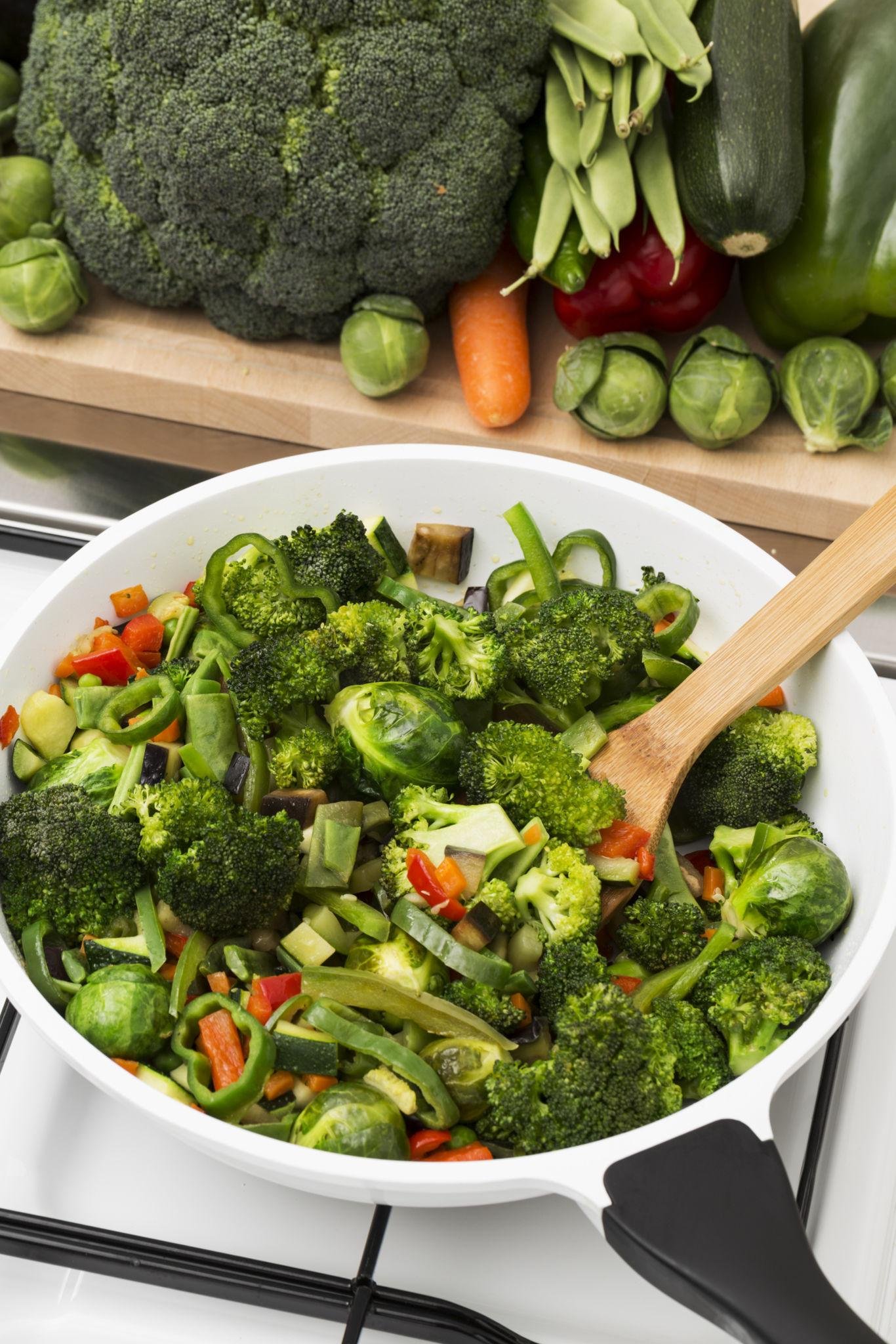
Benefits of Adding Vegetable-Based Nutrition to your daily diet
Adding a vegetable detox diet to your daily routine can transform your overall health and well-being. Consistent consumption of vegetables provides your body with the nutrients needed to function efficiently while supporting natural cleansing processes.
Increased Nutrient Intake
Vegetables are packed with essential nutrients, including vitamins, minerals, antioxidants, and phytochemicals. Daily consumption ensures your body receives a broad spectrum of nutrients that support optimal health.
Better Digestive Efficiency
Fiber-rich vegetables improve digestion by supporting healthy gut bacteria and promoting regular bowel movements. This can reduce bloating and improve nutrient absorption.
Improved Hydration
Many vegetables, including cucumbers, lettuce, celery, and zucchini, contain high amounts of water. This contributes to better hydration and supports healthy bodily functions.
How Does Vegetable-Based Nutrition to improve Your Health?
A vegetable detox diet improves health through several mechanisms:
Provides Powerful Antioxidants
Vegetables contain antioxidants that help neutralize free radicals, reducing oxidative stress and protecting cells from damage.
Supports Gut Microbiome Health
Fiber acts as food for beneficial gut bacteria, promoting a healthy microbiome that influences digestion, immunity, and overall wellness.
Regulates Blood Sugar Levels
Non-starchy vegetables help slow glucose absorption and support stable blood sugar levels.
Supports Cardiovascular Function
Potassium-rich vegetables help maintain healthy blood pressure and support heart function.
Promotes Cellular Repair
Vegetables provide nutrients necessary for tissue growth, repair, and maintenance throughout the body.
Encourages Healthy Eating Habits
A vegetable-focused diet naturally reduces the intake of processed foods, refined sugars, and unhealthy fats.
Different Types of Vegetable-Based Nutrition & Their Health Benefits
| Type of Vegetable | Key Nutrients | Main Health Benefits | Best Examples |
|---|---|---|---|
| Leafy Green Vegetables | Vitamin K, Folate, Iron | Supports detoxification, bone health, and blood circulation | Spinach, Kale, Swiss Chard |
| Cruciferous Vegetables | Sulforaphane, Fiber | Supports liver function and antioxidant activity | Broccoli, Cauliflower, Cabbage |
| Root Vegetables | Beta-Carotene, Potassium | Improves immunity and digestive health | Carrots, Beets, Sweet Potatoes |
| Water-Rich Vegetables | Water, Electrolytes | Supports hydration and kidney health | Cucumber, Celery, Lettuce |
| Colorful Vegetables | Antioxidants, Vitamin C | Reduces inflammation and supports immunity | Bell Peppers, Tomatoes |
| Green Detox Vegetables | Chlorophyll, Magnesium | Supports energy production and cellular health | Parsley, Kale, Spinach |
| Allium Vegetables | Sulfur Compounds | Supports heart health and immune function | Garlic, Onions, Leeks |
| Fermented Vegetables | Probiotics | Improves gut health and digestion | Sauerkraut, Kimchi |
How does Balanzing enhance Vegetable-Based Nutrition benefits?
The Balanzing approach maximizes Vegetable-Based Nutrition benefits by encouraging consistent, mindful, and moderate consumption as part of a balanced lifestyle. Vegetable-Based Nutrition is naturally rich in vitamins, minerals, antioxidants, and dietary fiber, which together support immunity, digestion, blood sugar regulation, heart health, and overall wellness. By following Balanzing principles, individuals consume Vegetable-Based Nutrition in proper portions and at appropriate times, ensuring that the body efficiently absorbs and utilizes its nutrients. This method enhances long-term benefits such as stronger immunity, improved digestive function, stable blood sugar levels, healthier skin, and sustained energy, while preventing overconsumption.



Disclaimer
The information provided on this website is collected and compiled from publicly available sources for general informational purposes only.
# Vegetable Based Nutrition Health Benefits: A Complete Guide to Healthy Eating and Natural Wellness A balanced diet built around natural plant foods is one of the most effective ways to improve overall wellness and maintain long-term health. The **Vegetable Based Nutrition Health Benefits** are widely recognized because vegetables provide essential nutrients such as vitamins, minerals, fiber, antioxidants, and beneficial plant compounds. These nutrients work together to support a healthier lifestyle and improve overall dietary quality. Vegetables are naturally nutrient-dense and versatile, making them suitable for all types of meals. Whether eaten raw, steamed, roasted, or added to cooked dishes, they provide consistent nutritional value. A vegetable-focused eating pattern can significantly improve meal variety, nutrient intake, and overall dietary balance. ## Understanding Vegetable Based Nutrition Health Benefits The **Vegetable Based Nutrition Health Benefits** come from the rich combination of nutrients found in different types of vegetables. They are naturally low in calories and high in essential nutrients, making them a key part of healthy eating habits. Key benefits include: * Rich source of essential vitamins and minerals * High dietary fiber content * Naturally low-calorie food options * Contains antioxidants and plant compounds * Supports balanced meal planning * Encourages healthier food choices * Improves dietary diversity * Enhances overall nutrition quality * Supports long-term wellness habits Including a variety of vegetables in daily meals ensures better nutrient coverage and improved dietary balance. ## Healthy Vegetable Eating Nutrition Tips for Daily Life Following **Healthy vegetable eating nutrition tips** can help individuals improve their daily diet and make better food choices without complicated changes. ### Include Vegetables in Every Meal Adding vegetables to breakfast, lunch, and dinner increases nutrient intake throughout the day. ### Choose a Variety of Colors Different colors represent different nutrients. A colorful plate improves dietary diversity. ### Prefer Fresh and Seasonal Produce Seasonal vegetables often offer better taste, freshness, and nutritional value. ### Use Simple Cooking Methods Methods such as steaming, roasting, and grilling help preserve nutrients and enhance flavor. ### Keep Vegetables Easily Available Pre-cut vegetables make it easier to include them in daily meals and snacks. These **Healthy vegetable eating nutrition tips** help build consistent and sustainable eating habits. ## Vegetable Rich Nutrition Diet Plan for Balanced Eating A **Vegetable rich nutrition diet plan** focuses on including a wide variety of vegetables in everyday meals. This approach supports balanced nutrition and improves overall diet quality. ### Breakfast Options * Vegetable omelets * Green smoothies * Fresh vegetable wraps * Light salad bowls ### Lunch Options * Mixed vegetable salads * Grain bowls with vegetables * Vegetable soups * Sandwiches with fresh vegetables ### Dinner Options * Stir-fried vegetables * Roasted vegetable dishes * Vegetable curries * Steamed vegetable sides ### Snack Options * Carrot sticks * Cucumber slices * Bell pepper strips * Cherry tomatoes A **Vegetable rich nutrition diet plan** ensures that vegetables remain a consistent part of daily eating habits. ## Fresh Vegetable Diet Health Advantages for Everyday Wellness The **Fresh vegetable diet health advantages** are linked to improved food quality and better nutrient intake. Fresh vegetables retain natural vitamins, minerals, and plant compounds that contribute to overall wellness. ### Nutrient Retention Fresh vegetables provide higher levels of natural nutrients compared to heavily processed foods. ### Improved Meal Quality Adding fresh vegetables enhances the taste, texture, and appearance of meals. ### Better Dietary Balance Fresh vegetables help create more balanced meals when combined with other food groups. ### Hydration Support Many vegetables contain high water content, which contributes to daily hydration needs. The **Fresh vegetable diet health advantages** make them an essential part of a healthy eating routine. ## High Nutrient Vegetable Foods Benefits for Better Health The **High nutrient vegetable foods benefits** highlight the importance of choosing vegetables that provide maximum nutritional value. ### Spinach Spinach provides: * Iron * Folate * Vitamin K * Magnesium ### Broccoli Broccoli offers: * Vitamin C * Fiber * Antioxidants ### Carrots Carrots contain: * Vitamin A * Natural fiber * Plant compounds ### Tomatoes Tomatoes provide: * Lycopene * Vitamin C * Potassium ### Bell Peppers Bell peppers offer: * Vitamin C * Vitamin A * Antioxidants These **High nutrient vegetable foods benefits** contribute significantly to overall dietary quality and wellness. ## Importance of Variety in Vegetable Based Nutrition Health Benefits A key part of the **Vegetable Based Nutrition Health Benefits** is variety. Different vegetables provide different nutrients, making diversity essential. ### Leafy Greens Examples: * Spinach * Kale * Lettuce * Arugula ### Cruciferous Vegetables Examples: * Broccoli * Cauliflower * Cabbage * Brussels sprouts ### Root Vegetables Examples: * Carrots * Beetroot * Radishes * Turnips ### Colorful Vegetables Examples: * Tomatoes * Bell peppers * Eggplant * Pumpkin A varied intake ensures a more complete nutritional profile. ## How Healthy Vegetable Eating Nutrition Tips Improve Lifestyle Following **Healthy vegetable eating nutrition tips** helps individuals gradually improve their eating habits. Small daily actions lead to long-term results. ### Better Meal Planning Vegetables become a planned part of every meal. ### Increased Nutrient Intake Regular consumption improves vitamin and mineral intake. ### Healthier Food Choices Individuals naturally choose fresher and less processed foods. ### Improved Eating Habits Consistency leads to long-term dietary improvements. ## Practical Meal Ideas Using Vegetable Rich Nutrition Diet Plan A **Vegetable rich nutrition diet plan** can be easily followed with simple meal ideas. ### Morning Meals * Spinach smoothies * Vegetable toast * Breakfast salads ### Midday Meals * Mixed vegetable bowls * Fresh salads with grains * Vegetable wraps ### Evening Meals * Roasted vegetable trays * Stir-fried vegetable dishes * Light soups These meals make it easier to maintain a vegetable-focused diet. ## Why Fresh Vegetable Diet Health Advantages Matter The **Fresh vegetable diet health advantages** are important because they support natural, balanced eating habits. Fresh vegetables help improve overall diet quality without requiring complicated changes. They also encourage: * More natural food consumption * Better meal variety * Improved food freshness * Healthier lifestyle choices ## Long-Term Benefits of High Nutrient Vegetable Foods Benefits Consistently including **High nutrient vegetable foods benefits** in daily meals supports long-term wellness. Over time, individuals may experience: * Better dietary structure * Improved meal balance * Greater food awareness * Healthier eating patterns These benefits contribute to a more sustainable and balanced lifestyle. ## Conclusion The **Vegetable Based Nutrition Health Benefits** play a major role in supporting overall wellness and improving daily nutrition. By following **Healthy vegetable eating nutrition tips**, individuals can build better eating habits that are easy to maintain. A **Vegetable rich nutrition diet plan** ensures consistent intake of essential nutrients, while **Fresh vegetable diet health advantages** improve meal quality and freshness. Additionally, **High nutrient vegetable foods benefits** highlight the importance of choosing nutrient-dense vegetables for long-term health. Together, these elements create a strong foundation for balanced nutrition, better eating habits, and a healthier lifestyle built around natural food choices. ## Additional Insights on Vegetable Based Nutrition Health Benefits Building on the foundation of a vegetable-focused eating pattern, it is important to understand how consistency and variety further enhance overall dietary quality. The **Vegetable Based Nutrition Health Benefits** become more noticeable when vegetables are included in meals across different times of the day and prepared using a variety of cooking methods. This ensures that nutrition remains balanced while meals stay enjoyable and sustainable over time. One of the key factors in maintaining a healthy diet is long-term consistency rather than short-term changes. When individuals regularly follow **Healthy vegetable eating nutrition tips**, they are more likely to develop stable eating habits that support better food choices. These habits gradually replace processed and low-nutrient foods with fresher, more natural options, improving overall dietary structure. ### Strengthening a Vegetable Rich Nutrition Diet Plan A well-planned **Vegetable rich nutrition diet plan** is not restrictive but flexible. It allows individuals to include vegetables in different ways depending on preference, season, and availability. The goal is to create a balanced and enjoyable approach to eating rather than a strict routine. To strengthen this plan, individuals can: * Rotate vegetables daily to avoid repetition * Combine raw and cooked vegetables in meals * Add vegetables to soups, sauces, and rice dishes * Include vegetable-based snacks between meals * Experiment with herbs and spices for enhanced flavor These simple strategies help maintain interest while improving nutritional intake. ### Expanding Fresh Vegetable Diet Health Advantages The **Fresh vegetable diet health advantages** are not limited to nutrient content alone. Fresh vegetables also improve meal enjoyment by adding texture, color, and flavor diversity. This encourages individuals to consume a wider range of foods and reduces dependence on processed alternatives. Additional advantages include: * Greater meal satisfaction due to variety * Improved food freshness and quality * Increased awareness of natural eating patterns * Better portion balance in everyday meals * Encouragement of home-cooked food habits Over time, these advantages contribute to a more mindful approach to eating. ### Maximizing High Nutrient Vegetable Foods Benefits The **High nutrient vegetable foods benefits** become more effective when individuals focus on selecting a diverse range of vegetables. Instead of relying on a few commonly used options, incorporating multiple types ensures better nutrient coverage. For example: * Leafy greens provide essential vitamins and minerals * Colorful vegetables contribute antioxidants and plant compounds * Root vegetables offer natural energy and fiber * Cruciferous vegetables support dietary variety This combination helps improve overall meal quality and supports a more balanced diet structure. ### Enhancing Healthy Vegetable Eating Nutrition Tips in Daily Life Applying **Healthy vegetable eating nutrition tips** consistently can significantly improve everyday eating behavior. These tips are not complicated but require regular practice. Effective habits include: * Preparing vegetables in advance for convenience * Keeping ready-to-eat vegetable snacks available * Adding vegetables to familiar recipes * Using simple cooking methods like steaming and roasting * Including vegetables in both main meals and side dishes These practices make healthy eating more accessible and sustainable in the long term. ### Long-Term Value of a Vegetable-Based Lifestyle A consistent focus on vegetables helps create a strong foundation for long-term nutritional balance. The **Vegetable Based Nutrition Health Benefits** are most effective when supported by routine dietary habits rather than occasional consumption. Over time, individuals often notice: * Improved food awareness and choices * Increased preference for fresh meals * Better meal planning habits * Greater variety in daily nutrition * More balanced eating patterns overall These changes support a healthier relationship with food and encourage sustainable dietary improvements. ### Final Perspective on Balanced Nutrition A vegetable-centered approach is one of the simplest ways to improve everyday nutrition without complex restrictions. By consistently following a **Vegetable rich nutrition diet plan**, applying **Healthy vegetable eating nutrition tips**, and focusing on **Fresh vegetable diet health advantages**, individuals can create a more structured and nourishing eating routine. Additionally, prioritizing **High nutrient vegetable foods benefits** ensures that meals remain rich in essential nutrients while maintaining variety and enjoyment. Together, these practices contribute to a long-term, balanced, and sustainable approach to healthy eating that supports overall wellness. A well-balanced diet built around natural plant foods plays a crucial role in maintaining overall wellness and supporting long-term health. These foods are widely appreciated for their rich nutritional profile, offering a combination of essential vitamins, minerals, fiber, and naturally occurring plant compounds. Because they are minimally processed and often consumed in their fresh form, they retain much of their original nutritional value, making them an important part of everyday meals. One of the most notable advantages of including more plant-based foods in daily eating habits is their nutrient density. They provide a wide range of essential nutrients while remaining naturally low in calories. This allows individuals to enjoy satisfying portions of food without excessive calorie intake. As a result, they are often included in balanced meal plans designed to improve overall dietary quality and promote healthier eating patterns. Another important feature of these foods is their natural diversity. Different varieties offer different nutritional profiles, which is why variety is strongly encouraged in nutrition-focused diets. Leafy greens, brightly colored produce, root varieties, and cruciferous types each contribute unique vitamins, minerals, and plant compounds. By combining multiple types in daily meals, individuals can achieve a more balanced intake of nutrients while keeping meals interesting and flavorful. Dietary fiber is another essential component found in many plant-based foods. Fiber contributes to meal satisfaction and helps improve overall dietary structure. Foods rich in fiber are often more filling, which can encourage better portion control and reduce reliance on heavily processed alternatives. Including fiber-rich options regularly in meals helps create a more balanced and structured approach to eating. Hydration is also supported through many fresh plant foods due to their high water content. Ingredients such as cucumbers, lettuce, tomatoes, and similar varieties contribute to daily fluid intake while adding freshness and texture to meals. Although they cannot replace drinking water, they complement hydration needs and help maintain a refreshing dietary balance throughout the day. Color diversity plays an important role in nutritional variety as well. Naturally colorful foods often contain different plant compounds responsible for their appearance and nutritional properties. Red, green, orange, yellow, and purple varieties each provide unique nutritional elements. Including a wide range of colors in meals helps ensure a broader intake of beneficial compounds while making dishes visually appealing and more enjoyable to eat. These foods are also highly versatile in cooking and meal preparation. They can be consumed raw in salads, blended into smoothies, lightly steamed, roasted, or incorporated into cooked dishes. This flexibility allows them to fit seamlessly into breakfast, lunch, dinner, and snack options. Their adaptability makes them suitable for a wide variety of cuisines and cooking styles. At breakfast, they can be included in omelets, wraps, smoothies, or grain-based meals. Starting the day with fresh ingredients helps improve nutritional intake early in the day and supports healthier eating habits. At lunch, they can be added to salads, sandwiches, bowls, and soups, increasing both flavor and nutritional value. These additions help transform simple meals into more balanced and satisfying options. Dinner offers even more opportunities for creative use. Stir-fries, roasted dishes, curries, casseroles, and side preparations all benefit from the inclusion of fresh ingredients. Different cooking techniques can enhance flavor and texture while preserving nutritional quality. This makes dinner an ideal time to enjoy a wide variety of plant-based dishes. Snacking is another area where these foods can play a significant role. Simple options such as carrot sticks, cucumber slices, bell pepper strips, and cherry tomatoes provide convenient and nutritious alternatives to processed snacks. Preparing these options in advance makes it easier to maintain healthy eating habits throughout the day, especially during busy schedules. Seasonal availability adds further value by introducing variety throughout the year. Choosing ingredients that are naturally in season often results in better flavor, freshness, and affordability. It also encourages individuals to explore different foods over time, making meals more dynamic and enjoyable. Meal preparation is another practical strategy for improving dietary habits. Washing, chopping, and storing ingredients in advance reduces preparation time and makes healthier choices more accessible. When fresh ingredients are readily available, individuals are more likely to include them in everyday meals. Over time, consistent inclusion of these foods can help improve overall dietary awareness. People often begin to prefer lighter, fresher meals and become more conscious of food quality. This shift in awareness can lead to better long-term eating habits and a more balanced approach to nutrition. In summary, a diet centered around natural plant-based foods offers a wide range of advantages for everyday living. Their nutrient density, versatility, natural composition, and ability to enhance meals make them an essential part of a healthy lifestyle. Regular inclusion of a variety of fresh options in daily meals supports better dietary balance, improved meal quality, and long-term wellness in a simple and sustainable way.
Table of Contents
Toggle