
Asthma
Every individual wishes to breathe freely without discomfort. But unfortunately, asthma affects the airways in the lungs making breathing difficult. It can affect all people whether they are old or young.
Introduction
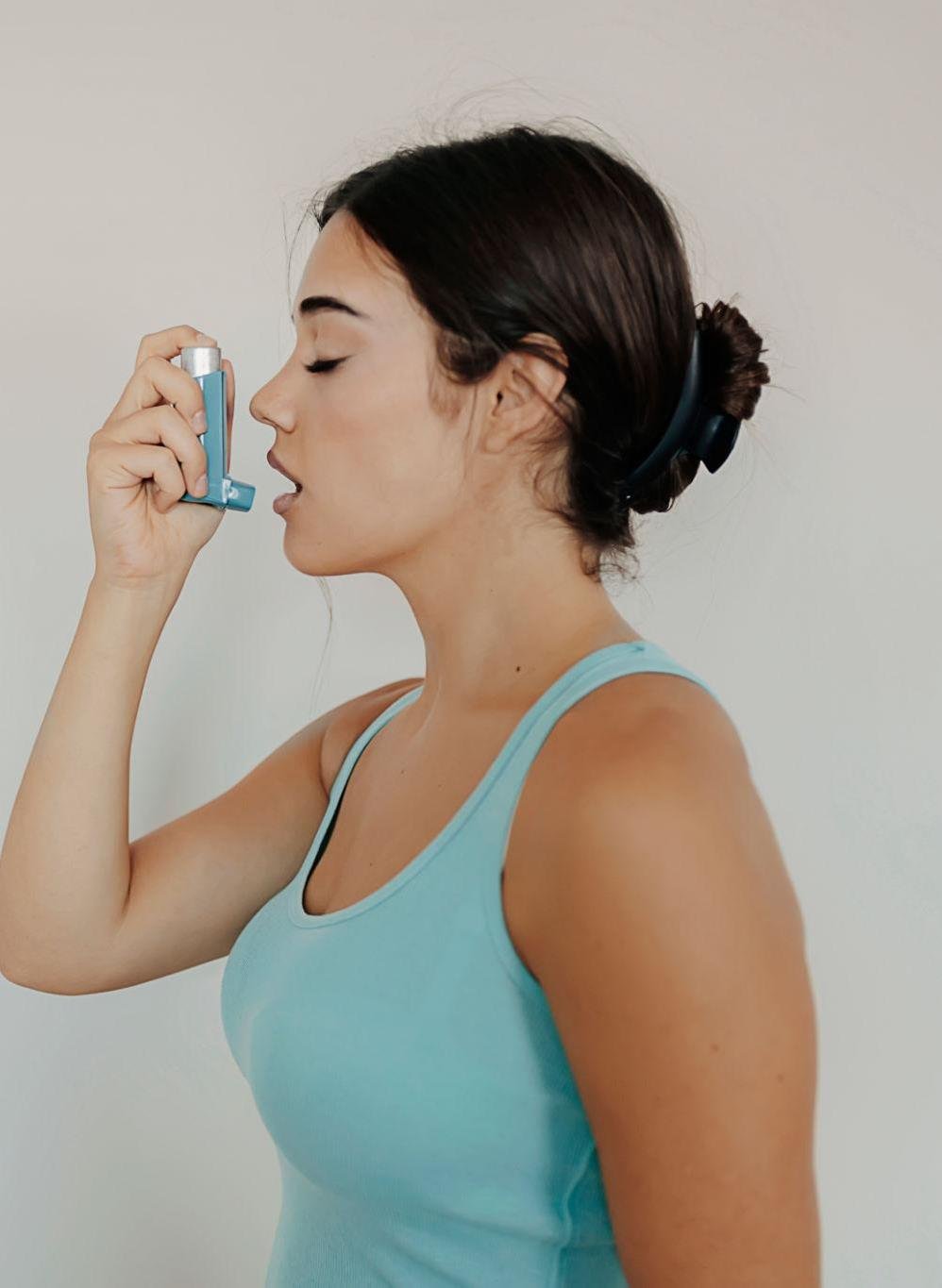
Asthma is a long-term condition in which the airways become sensitive and inflamed. When exposed to certain triggers, the airways may narrow and produce excess mucus, making it harder for air to move in and out of the lungs.Although asthma cannot always be cured, proper management and lifestyle modifications can help individuals lead healthy and active lives. This blog shows the causes of asthma and how to prevent them.
Key Nutrients For Respiratory Health
|
Nutrients |
Benefits |
|
Vitamin C |
Immune Support |
|
Vitamin D |
Lung Health |
|
Magnesium |
Supports Airway Function |
|
Protein |
Tissue Repair |
|
Antioxidants |
Cell Protection |
Common Causes and Triggers of Asthma
Allergens
Dust mites, pollen, pet dander, and mold can trigger asthma symptoms.
Air Pollution
Smoke, vehicle emissions, and environmental pollutants may irritate the airways.
Respiratory Infections
Colds, flu, and other respiratory infections can worsen asthma symptoms.
Physical Activity
Exercise-induced asthma may occur during intense physical activity.
Weather Changes
Cold air, humidity, and sudden temperature changes can trigger symptoms.
Stress and Emotions
Strong emotions and stress may contribute to breathing difficulties.
Common Symptoms of Asthma
- Wheezing or whistling sound while breathing.
- Shortness of breath.
- Persistent coughing.
- Chest tightness or discomfort.
- Difficulty breathing during physical activity.
- Symptoms that worsen at night or early morning.
Risk Factors for Asthma
- Family history of asthma.
- Allergies and allergic conditions.
- Exposure to tobacco smoke.
- Air pollution exposure.
- Frequent respiratory infections.
Tips for Managing Asthma
Identify and Avoid Triggers
Reduce exposure to allergens and environmental irritants.
Follow Medical Advice
Take prescribed medications and inhalers as directed.
Maintain a Healthy Lifestyle
Eat nutritious foods and stay physically active within safe limits.
Monitor Symptoms
Keep track of symptoms and seek medical help if they worsen.
Practice Breathing Exercises
Breathing techniques may help improve lung function and relaxation.
Benefits of Proper Asthma Management
- Better breathing and lung function.
- Reduced frequency of asthma attacks.
- Improved physical activity levels.
- Better sleep quality.
- Enhanced overall well-being.
What are the common asthma triggers, symptoms, and management tips?
| Category | Examples | Management Tips |
|---|---|---|
| Triggers | Dust, pollen, smoke, pet dander, cold air | Avoid exposure and use prescribed medication |
| Symptoms | Wheezing, coughing, shortness of breath, chest tightness | Monitor symptoms and follow your asthma action plan |
| Breathing Exercises | Diaphragmatic breathing, pursed-lip breathing | Practice daily to improve lung function |
| Home Remedies | Steam inhalation, warm fluids, ginger, honey* | Use alongside prescribed treatment (*consult your doctor) |
| Exercise | Walking, swimming, cycling | Warm up properly and carry your rescue inhaler |
| Prevention | Avoid triggers, take medications, regular checkups | Follow your treatment plan and maintain a healthy lifestyle |
How Does Balanzing Help Control Asthma?
Asthma causes the airways to become inflamed, swollen, and narrowed, leading to symptoms such as wheezing, coughing, and shortness of breath. This creates problems in an individual’s day-to-day life. Balanzing offers a balanced lifestyle that includes proper nutrition, regular physical activity, adequate rest through which the problems related to asthma can be managed. Balanzing helps individuals with asthma breathe easier and enjoy a healthier future.
Best Supplements for Asthma Relief at Home.
Some supplements, such as vitamin D, magnesium, omega-3 fatty acids, and vitamin C, may support overall lung health in certain individuals. However, they should not replace prescribed asthma medications. Always consult your healthcare provider before starting any supplement for asthma management.
How to Breathe Better at Night if You Have Asthma ?
Improve nighttime breathing by taking prescribed asthma medication as directed, keeping your bedroom free of dust and allergens, using supportive pillows to elevate your head, maintaining good indoor air quality, and avoiding known triggers before bedtime. If symptoms persist, consult your healthcare provider.
Gentle Yoga for Asthma: Breathing and Poses That Help
Gentle yoga may help improve breathing and relaxation for people with asthma. Practice poses like Child's Pose, Cat-Cow, Bridge Pose, and Seated Forward Bend, along with slow diaphragmatic breathing. Exercise within your comfort level and consult your healthcare provider before starting a new routine.
What Lifestyle Changes Have the Biggest Impact on Asthma?
The most effective lifestyle changes for asthma include avoiding triggers, quitting smoking, maintaining a healthy weight, exercising regularly, following your prescribed treatment plan, reducing stress, improving indoor air quality, and eating a balanced diet to support overall lung health.
Can Black Seed Oil Help Control Asthma Symptoms?
Some studies suggest that black seed oil (Nigella sativa) may help reduce inflammation and support asthma symptom management in some people. However, evidence is limited, and it should never replace prescribed asthma medications. Consult your healthcare provider before using black seed oil.
Diet Changes That Help Reduce Asthma Symptoms
A balanced diet rich in fruits, vegetables, whole grains, lean proteins, and omega-3 fatty acids may help support lung health and reduce inflammation. Limit processed foods, sugary drinks, and foods that trigger allergies to help manage asthma symptoms more effectively.




Disclaimer
The information provided on this website is collected and compiled from publicly available sources for general informational purposes only.
Leave a Reply Cancel reply
Comments
Table of Contents
Toggle
I found this guide very informative. The explanations about asthma triggers, daily management, and breathing techniques are practical and easy to follow. Thanks to Balanzing for sharing such helpful health information.