
PCOS/PCOD
Polycystic Ovary Syndrome (PCOS) and Polycystic Ovarian Disease (PCOD) are among the most common hormonal conditions affecting women of reproductive age. These conditions can influence menstrual health, fertility, metabolism, and overall well-being.
Introduction
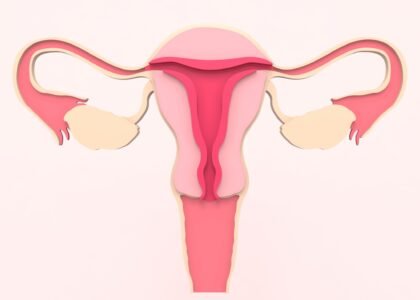
PCOD is a condition in which the ovaries produce immature or partially mature eggs that may develop into cysts over time. PCOS is a hormonal disorder that affects ovulation and is often associated with higher levels of male hormones (androgens), insulin resistance, and metabolic changes. Women can have happy lives even with PCOS/PCOD by following a healthy lifestyle. This guide shows the foods and lifestyles that help to manage PCOS/PCOD

Key Nutrients Needed For PCOS/PCOD Management and Their Benefits
|
Nutrients |
Benefits |
|
Fiber |
Supports Blood Sugar Control |
|
Protein |
Satiety and Muscle Health |
|
Magnesium |
Hormonal Balance |
|
Vitamin D |
Metabolic and Bone Health |
|
Iron |
Energy Production |
Importance of Understanding PCOS/PCOD
- Promotes early diagnosis and management.
- Supports reproductive health.
- Helps maintain hormonal balance.
- Reduces the risk of long-term complications.
- Improves overall quality of life.
Common Causes of PCOS/PCOD
Hormonal Imbalance
Changes in hormone levels can affect ovulation and ovarian function.
Insulin Resistance
Many women with PCOS have difficulty using insulin effectively, which may contribute to hormonal changes.
Genetic Factors
A family history of PCOS may increase the likelihood of developing the condition.
Lifestyle Factors
Poor dietary habits, lack of physical activity, and excess weight can contribute to symptom severity.
Common Symptoms of PCOS/PCOD
- Irregular or missed menstrual periods.
- Weight gain or difficulty losing weight.
- Excess facial or body hair growth.
- Acne and oily skin.
- Hair thinning or hair loss.
- Difficulty conceiving.
- Fatigue and mood changes.
Potential Health Risks
- Insulin resistance and Type 2 diabetes.
- Obesity.
- High cholesterol levels.
- Fertility challenges.
- Increased risk of heart-related health concerns.
Foods That May Support Hormonal Health
- Whole grains.
- Leafy green vegetables.
- Fruits rich in antioxidants.
- Nuts and seeds.
- Legumes and pulses.
- Lean protein sources.
- Healthy fats such as nuts and fatty fish.
Lifestyle Tips for Managing PCOS/PCOD
Maintain a Balanced Diet
Choose nutrient-dense foods and limit highly processed foods.
Stay Physically Active
Regular exercise supports weight management and insulin sensitivity.
Manage Stress
Stress management techniques may support hormonal balance.
Prioritize Sleep
Adequate sleep plays an important role in metabolic and hormonal health.
Monitor Health Regularly
Routine medical check-ups help track symptoms and overall health.
How Does Balanzing Help to Manage PCOS/PCOD?
Balanzing helps to manage PCOS and PCOD through providing healthy lifestyle choices, proper nutrition, regular physical activity, and medical support. Early intervention and consistent self-care can help improve symptoms, support hormonal balance, and enhance overall health. With the right approach, women with PCOS/PCOD can lead healthy, active, and fulfilling lives.
When should I consult a doctor for PCOD or PCOS?
You should consult a healthcare provider if you have irregular periods, excessive hair growth, persistent acne, unexplained weight gain, difficulty becoming pregnant, or other symptoms that may indicate a hormonal imbalance.
What are the common symptoms of PCOD and PCOS?
Common symptoms include irregular or missed periods, weight gain, acne, excessive facial or body hair, hair thinning, difficulty conceiving, and dark patches of skin caused by insulin resistance.
What causes PCOD and PCOS?
The exact cause is unknown, but genetics, hormonal imbalance, insulin resistance, obesity, inflammation, and lifestyle factors are believed to contribute to both conditions.
How are PCOD and PCOS diagnosed?
Diagnosis usually involves reviewing your medical history, performing a physical examination, conducting blood tests to check hormone levels, and using a pelvic ultrasound to evaluate the ovaries.
Can women with PCOD or PCOS become pregnant?
Yes. Many women with PCOD or PCOS can conceive with healthy lifestyle changes, medications to regulate ovulation, and fertility treatments when necessary.
Is there a permanent cure for PCOD or PCOS?
There is no permanent cure, but both conditions can be effectively managed through a balanced diet, regular exercise, weight management, medications, and routine medical follow-up.
Can lifestyle changes help manage PCOD and PCOS?
Yes. Eating a nutritious diet, exercising regularly, maintaining a healthy weight, getting enough sleep, and managing stress can significantly improve symptoms and support hormonal balance.


What is the main difference between PCOD and PCOS?
| Feature | PCOD (Polycystic Ovarian Disease) | PCOS (Polycystic Ovary Syndrome) |
|---|---|---|
| Definition | A condition in which the ovaries produce immature or partially mature eggs, leading to hormonal imbalance and multiple ovarian cysts. | A complex hormonal and metabolic syndrome that affects ovulation, hormone levels, and overall health. |
| Severity | Generally considered a milder condition. | Usually more severe and may involve long-term metabolic complications. |
| Cause | Mainly caused by hormonal imbalance, unhealthy lifestyle, poor diet, stress, and genetics. | Caused by hormonal imbalance, insulin resistance, genetic factors, and metabolic dysfunction. |
| Ovulation | Ovulation may occur irregularly but is often still possible. | Ovulation is frequently absent or significantly disrupted. |
| Menstrual Cycle | Irregular or delayed periods are common. | Periods may be highly irregular, infrequent, or completely absent. |
| Hormone Levels | Mild increase in androgen (male hormone) levels. | Higher androgen levels causing more noticeable symptoms. |
| Insulin Resistance | May be present but is less common. | Very common and often more severe. |
| Weight Gain | Some women experience mild weight gain. | Weight gain, especially around the abdomen, is more common. |
| Fertility | Fertility may be affected but pregnancy is often possible with treatment. | Fertility problems are more common due to irregular or absent ovulation. |
| Ovarian Changes | Ovaries may contain multiple immature follicles or cysts. | Ovaries often have multiple small follicles and enlarged ovaries. |
| Acne and Oily Skin | Mild to moderate acne may occur. | Moderate to severe acne is more common. |
| Excess Hair Growth | May occur but is usually less severe. | More pronounced facial and body hair growth (hirsutism). |
| Hair Loss | Mild hair thinning may occur. | More noticeable scalp hair thinning or female-pattern hair loss. |
| Risk of Diabetes | Lower risk compared to PCOS. | Higher risk of developing type 2 diabetes due to insulin resistance. |
| Heart Disease Risk | Generally lower. | Increased risk of cardiovascular disease and high cholesterol. |
| Long-Term Health Risks | Fewer long-term complications if managed well. | Greater risk of diabetes, hypertension, fatty liver disease, sleep apnea, and endometrial problems. |
| Treatment | Lifestyle changes, healthy diet, regular exercise, weight management, and medications if needed. | Comprehensive management including lifestyle changes, medications, insulin-sensitizing therapy, hormone regulation, and fertility treatment when required. |
| Can It Be Managed? | Yes, symptoms can often be well controlled with lifestyle modifications and medical care. | Yes, although it requires long-term management and regular follow-up to reduce complications. |
Disclaimer
The information provided on this website is collected and compiled from publicly available sources for general informational purposes only.
Leave a Reply Cancel reply
Comments
Table of Contents
Toggle
Balanzing has completely changed my approach to health and wellness. The team is knowledgeable, supportive, and provides personalized guidance for nutrition, fitness, and healthy living. Their holistic approach helped me build better habits, improve my energy levels, and feel more confident about my health. I highly recommend Balanzing to anyone looking for professional wellness support and a healthier, happier lifestyle