
Yoga For Fitness
Fitness is not only about building strength or losing weight—it is about achieving a healthy balance between the body and mind. Suitable for people of all ages and fitness levels, yoga offers a gentle yet effective way to improve flexibility, strength, balance, and mental health.
Introduction
Yoga is a mind-body practice that originated thousands of years ago and focuses on connecting movement, breath, and awareness. Through a combination of physical postures (asanas), breathing exercises (pranayama), and relaxation techniques, yoga supports both physical and mental fitness. Incorporating yoga into a regular fitness routine can help individuals achieve long-term health and wellness. This guide shows the benefits of yoga and its different types of poses.
Essential Nutrients to Support Yoga Practice and Their Benefits
|
Nutrients |
Benefits |
|
Protein |
Muscle Recovery |
|
Carbohydrates |
Energy |
|
Potassium |
Hydration Support |
|
Calcium |
Bone Health |
|
Omega-3 Fatty Acids |
Joint Support |
Importance of Yoga for Fitness
- Improves flexibility and mobility.
- Enhances muscle strength and endurance.
- Supports mental well-being.
- Promotes better posture and balance.
- Encourages a healthy and active lifestyle.
Benefits of Yoga for Fitness
Improves Flexibility
Regular yoga practice helps increase joint mobility and muscle flexibility.
Builds Strength
Many yoga poses engage multiple muscle groups, helping improve overall strength.
Supports Weight Management
Yoga can complement a healthy lifestyle and support weight management goals.
Reduces Stress
Breathing exercises and mindfulness techniques help calm the mind and reduce stress.
Enhances Balance and Coordination
Yoga improves body awareness and stability.
Promotes Better Posture
Proper alignment during yoga can help improve posture and reduce discomfort.
Improves Overall Well-being
Yoga supports physical, mental, and emotional health.
Popular Yoga Poses for Fitness
Mountain Pose (Tadasana)
Improves posture and balance.
Downward-Facing Dog (Adho Mukha Svanasana)
Strengthens muscles and increases flexibility.
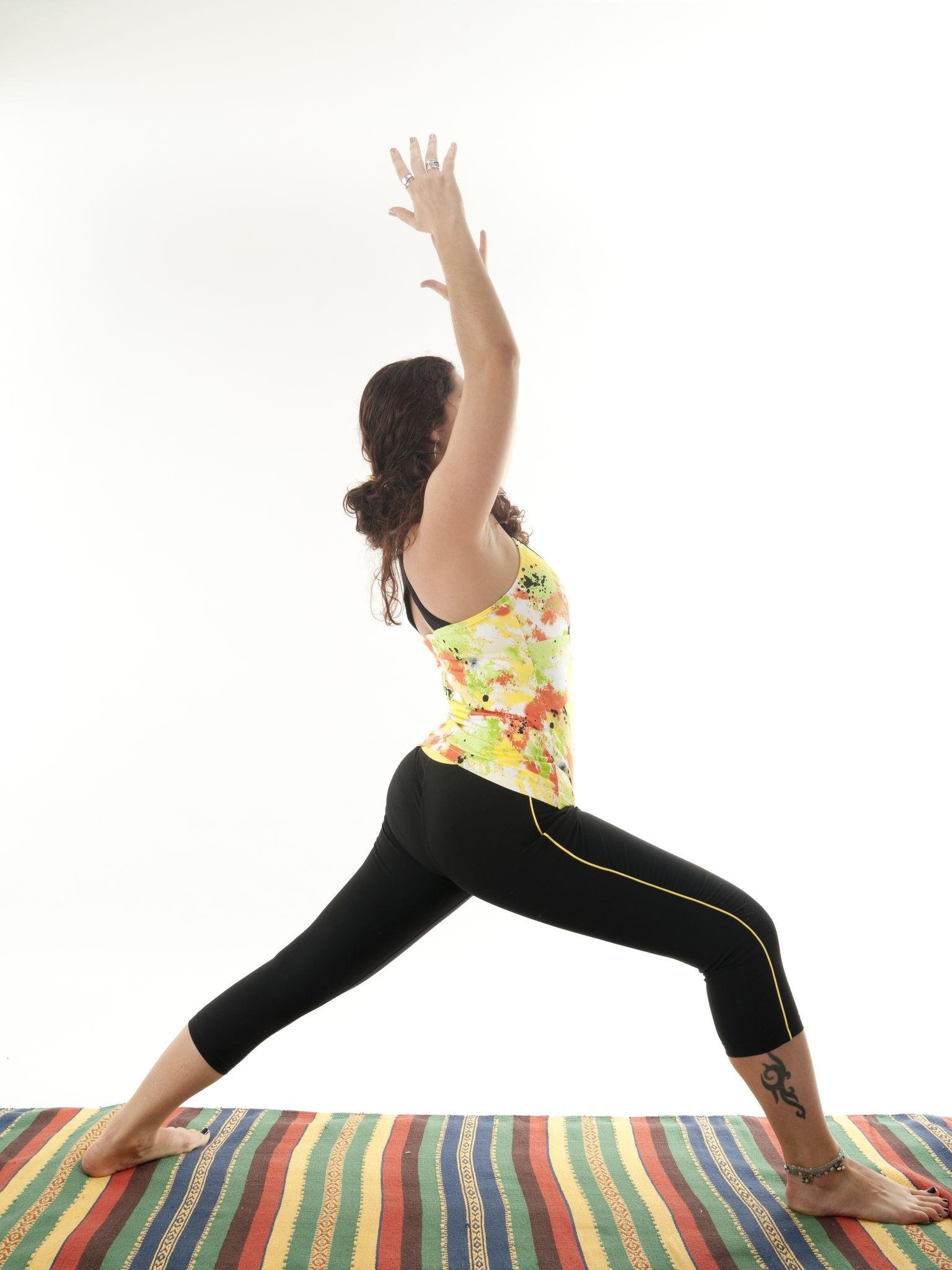
Warrior Pose (Virabhadrasana)
Builds strength and endurance.
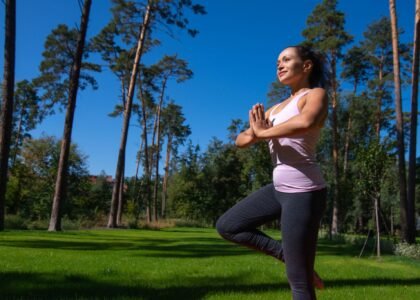
tree Pose (Vrikshasana)
Enhances balance and concentration.
Cobra Pose (Bhujangasana)
Improves spinal flexibility and posture.
Common Mistakes Beginners Should Avoid
- Skipping warm-up exercises.
- Comparing progress with others.
- Ignoring proper breathing techniques.
- Practicing inconsistently.
- Pushing the body beyond comfortable limits.
Tips for Starting a Yoga Routine
Begin with Basic Poses
Start slowly and focus on proper technique.
Practice Consistently
Regular practice helps achieve long-term benefits.
Focus on Breathing
Proper breathing enhances relaxation and performance.
Listen to Your Body
Avoid pushing beyond your comfort level.
Stay Hydrated
Drink adequate water throughout the day.
Which Yoga For Fitness routine suits beginners, intermediate, and advanced levels?
| Level | Yoga For Fitness Routine | Duration | Focus Area | Key Benefits |
|---|---|---|---|---|
| Beginner | Home yoga workout for beginners (basic poses + breathing) | 15–25 mins | Flexibility & basic strength | Improves flexibility, reduces stress, builds habit |
| Intermediate | Best yoga poses for fitness (flow sequences + balance poses) | 25–40 mins | Strength & balance | Builds muscle tone, improves stamina, better posture |
| Advanced | Full body yoga workout (power yoga + longer holds) | 40–60 mins | Strength, endurance & flexibility | Enhances full-body strength, burns calories, improves endurance |
How Does Balanzing Help to Provide Proper Knowledge About Yoga?
Balanzing helps to incorporate yoga into your daily routine, through which you can build strength, improve flexibility, reduce stress, and create a healthier relationship with your body and mind. Consistent practice, combined with proper nutrition and healthy habits, can contribute to long-term wellness and a better quality of life.
What Are the Best Yoga Poses for Someone Out of Shape?
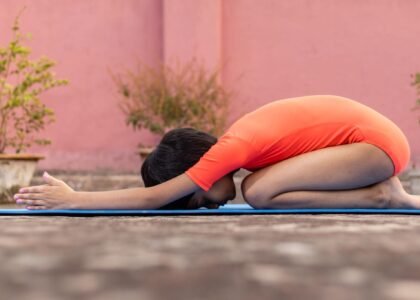
The best yoga poses for someone out of shape include gentle movements like Child’s Pose, Mountain Pose, Cat-Cow, and Cobra Pose. These Yoga poses improve flexibility, reduce stiffness, and help beginners safely rebuild strength and mobility.
What's the Easiest Yoga Pose to Start With?
The easiest yoga pose to start with is Mountain Pose (Tadasana). It helps improve posture, balance, and body awareness while keeping the body relaxed. It is simple, safe for beginners, and builds a strong foundation for other yoga practices.
What Yoga Routine Should I Do Every Morning?
A simple morning yoga routine should include gentle stretches, breathing exercises, and basic poses like Cat-Cow, Downward Dog, and Mountain Pose. Practicing for 15–30 minutes helps wake up the body, improve flexibility, boost energy, and set a calm, focused tone for the day.
How Long Before You See Results From Yoga?
Most people start noticing early results from yoga within 2–4 weeks of regular practice, such as improved flexibility, better posture, and reduced stress. Visible strength, balance, and endurance improvements typically develop after 6–8 weeks with consistent daily or weekly yoga sessions.
Is Yoga Safe for People With Joint Problems?
Yes, yoga is generally safe for people with joint problems when practiced gently and with proper guidance. Low-impact poses can help improve flexibility, reduce stiffness, and support joint mobility. However, it is important to avoid strain and consult a healthcare professional before starting.
What Free Yoga Resources Are Best for Beginners?
Here are some of the best free yoga resources for beginners, including videos, apps, and online guides that help you start safely at home. Balanzing also provides simple beginner-friendly routines and wellness guidance to support your daily yoga practice and healthy lifestyle journey.
Leave a Reply Cancel reply
Comments
Table of Contents
Toggle
Great article on Yoga For Fitness! The guide clearly explains how a home yoga workout for beginners, morning yoga for fitness, and full body yoga workout can improve flexibility, strength, and overall wellness. At Balanzing, we truly appreciate this informative content that encourages a healthier and more balanced lifestyle through consistent yoga practice.