Healthy intake 😃 Balanzed living

energy snack for gym

Fuel your body, power your workouts, and conquer every rep.

Energy Snack for Gym – The Ultimate Guide to Smarter Fuel

An energy snack for gym is more than just a quick bite—it’s the fuel that powers your performance, recovery, and results. Whether you're lifting weights, running, or doing high-intensity workouts, choosing the right snack can make a huge difference.

In today’s fast-paced lifestyle, finding the best energy snack for workouts that is both nutritious and convenient is essential. That’s where Balanzing comes in—offering thoughtfully designed, protein-packed energy snacks tailored for fitness enthusiasts worldwide.

In this guide, we’ll explore everything you need to know about gym nutrition snacks, from pre-workout fuel to post-workout recovery, along with expert-backed insights and practical recommendations.

energy snack for gym

Why You Need an Energy Snack for Gym

Fuel Your Performance Effectively

Your body needs energy before and during workouts. Without proper fuel, you may feel fatigued, weak, or unable to perform at your best.

Support Muscle Growth and Recovery

Consuming high protein gym snacks helps repair muscle tissues and supports growth after intense workouts.

Maintain Energy Levels

Balanced snacks with carbs, protein, and healthy fats provide sustained energy and prevent crashes.

Convenience for Busy Lifestyles

Modern fitness routines demand convenient gym snacks that are easy to carry and consume anytime, anywhere.

Complete Guide to Healthy Gym Snack Options, Workout Nutrition & Energy Foods

Benefits of Healthy Gym Snack Options

1. Improved Workout Performance

Choosing the best workout snacks ensures your body has enough glycogen for endurance and strength.

2. Faster Recovery

Post-workout energy bites help replenish lost nutrients and reduce muscle soreness.

3. Weight Management

Smart snacking prevents overeating and supports fat loss goals.

4. Muscle Building

Protein-packed energy snacks are essential for building lean muscle mass.

5. Better Focus and Stamina

Energy-boosting snack options improve mental clarity during workouts.

Best Energy Snack for Workouts: What to Look For

1. High Protein Content

Look for snacks with at least 10–20g protein per serving.

2. Natural Ingredients

Choose natural gym energy bites free from artificial additives.

3. Balanced Macronutrients

A mix of protein, carbs, and fats ensures optimal performance.

4. Easy Digestibility

Pre-workout snacks should be light and easy on the stomach.

5. Portability

Ideal snacks are compact and easy to carry.

Pre-Workout Snack Ideas for Maximum Energy

Quick and Effective Options

  • Banana with peanut butter

  • Oats energy balls

  • Greek yogurt with honey

  • Whole grain toast with avocado

Balanzing Recommendation

Balanzing offers energy snack packs online designed specifically for pre-workout fueling, combining natural carbs with moderate protein.

Post-Workout Energy Bites for Recovery

Why Post-Workout Nutrition Matters

After exercise, your body needs nutrients to repair muscles and restore energy.

Best Post-Workout Snacks

  • Protein bars

  • Smoothies with whey protein

  • Boiled eggs with whole grain crackers

  • Cottage cheese with fruits

Balanzing Advantage

Balanzing’s healthy energy bars are crafted to deliver fast-absorbing protein and essential nutrients for recovery.

Top High Protein Gym Snack Options

1. Protein Bars

One of the most popular energy bars for gym, offering convenience and balanced nutrition.

2. Energy Balls

Homemade or store-bought natural gym energy bites packed with nuts and seeds.

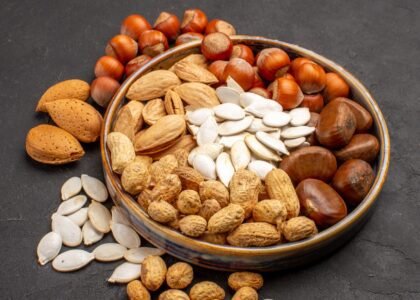
3. Nuts and Seeds Mix

Rich in healthy fats and protein.

4. Greek Yogurt

A high-protein option for muscle recovery.

5. Jerky

A great non-vegetarian protein-packed energy snack.

Which Energy Snacks Are Ideal for Gym Workouts and Their Benefits?

Type of Energy Snack Benefits
Protein Bars Muscle recovery & growth
Energy Bites Quick energy boost
Nut & Seed Mix Long-lasting energy
Dried Fruit Snacks Fast natural energy
Granola Bars Sustained energy & fiber
Pre-Workout Gummies Boost focus & performance
Protein Cookies Recovery after workouts
Rice or Oat Energy Balls Easy to digest, steady energy
Trail Mix Packs Balanced energy & curbs hunger

Where can I get the best energy snack for gym?

You can find the perfect energy snack for gym at Balanzing. Balanzing offers a wide range of snacks designed to boost energy, support muscle recovery, and keep you fueled during workouts. Whether you need a pre-workout boost or a post-workout snack, Balanzing provides healthy, delicious, and convenient options to help you stay on track with your fitness goals. Their snacks are carefully prepared with high-quality ingredients, ensuring you get both nutrition and taste in every bite.

Choosing the Right Energy Snack for Gym for Optimal Results Selecting the right energy snack for gym is not just about taste—it’s about fueling your body with the right nutrients at the right time. Whether you're a beginner or a professional athlete, your snack choices directly impact your performance, recovery, and overall fitness progress. When exploring healthy gym snack options, it’s important to understand your body’s needs. For example, if your goal is endurance training, you may benefit more from snacks rich in complex carbohydrates. On the other hand, those focused on strength training should prioritize high protein gym snacks to support muscle repair and growth. Understanding Your Workout Needs Different workouts demand different types of fuel. For high-intensity workouts, your body needs quick energy sources. This is where energy-boosting snack options like fruits, oats, and energy bars for gym come into play. These snacks provide immediate fuel without making you feel heavy. For longer sessions, combining protein with carbs is ideal. This ensures sustained energy release and prevents fatigue. Many top-rated gym snacks are designed with this balance in mind, making them suitable for a wide range of fitness goals. Importance of Timing Your Snacks Timing plays a crucial role in maximizing the benefits of your gym nutrition snacks. Eating a pre-workout snack 30–60 minutes before exercise helps boost energy levels and improve performance. Options like bananas, yogurt, or natural gym energy bites are perfect for this purpose. Post-workout, your body enters a recovery phase where it needs protein and nutrients to rebuild muscle fibers. This is where post-workout energy bites and protein-rich snacks become essential. Consuming the right snack within 30 minutes after exercise can significantly enhance recovery. Convenience Meets Nutrition In today’s busy world, convenience is key. Many people skip proper nutrition due to lack of time, which negatively affects their fitness journey. This is why convenient gym snacks have become increasingly popular. Brands like Balanzing are redefining how people approach fitness nutrition by offering easy-to-carry, ready-to-eat energy snack packs online. These snacks eliminate the need for preparation while ensuring you get the nutrients your body needs. Why Quality Matters in Energy Snacks Not all snacks are created equal. While there are countless options available, choosing premium energy snack brands ensures better quality, safety, and nutritional value. High-quality snacks use clean ingredients, avoid excessive sugar, and provide balanced nutrition. When you buy energy snacks online, always check for ingredient transparency and nutritional labels. The best products are those that combine taste with health benefits, helping you stay consistent with your fitness goals. Making Smart Snack Choices To get the most out of your workouts, focus on snacks that: Provide sustained energy Support muscle recovery Are easy to digest Fit your lifestyle Incorporating the best energy snack for workouts into your daily routine can significantly improve your performance and overall well-being. With the right choices, your snacks can become a powerful tool in achieving your fitness goals. Top-Rated Gym Snacks and How to Include Them in Your Routine Incorporating the energy snack for gym into your daily routine doesn’t have to be complicated. The key is consistency and choosing snacks that align with your fitness goals. With so many top-rated gym snacks available today, it’s easier than ever to maintain proper nutrition without sacrificing convenience. Building a Smart Snacking Routine Start by planning your snacks around your workout schedule. If you train in the morning, opt for light pre-workout snack ideas like fruit-based options or healthy energy bars that provide quick fuel. For evening workouts, slightly heavier protein-packed energy snacks can help sustain your energy levels. Portion Control and Balance Even the best workout snacks should be consumed in the right portions. Overeating—even healthy snacks—can slow down your progress. A balanced portion ensures you get the benefits without unnecessary calories. Combining carbs and protein in your gym nutrition snacks helps maintain energy while supporting muscle recovery. Variety Keeps You Consistent Eating the same snack every day can become boring. Mixing different energy snacks for athletes like nuts, yogurt, natural gym energy bites, and protein bars keeps your diet interesting and nutritionally diverse. This variety also ensures your body receives a wider range of nutrients. Smart Snacking On-the-Go For those with busy schedules, keeping energy snack packs online or ready-made options in your gym bag is a smart move. Convenient gym snacks ensure you never skip nutrition, even on hectic days. By consistently choosing the right energy-boosting snack options, you can enhance performance, speed up recovery, and stay on track with your fitness journey. Understanding the Science Behind Workout Nutrition To truly optimize your fitness journey, it’s important to understand how nutrition affects your body during exercise. When you work out, your body relies on stored glycogen (carbohydrates) as its primary energy source. As these stores deplete, fatigue begins to set in, which can reduce performance and endurance. Protein plays a different but equally important role. During exercise—especially resistance training—muscle fibers undergo stress and minor damage. Protein helps repair and rebuild these fibers, making them stronger over time. This is the foundation of muscle growth. Fats, while slower to digest, provide long-lasting energy and are especially useful during low-intensity or extended workouts. A balanced intake of all three macronutrients ensures your body performs efficiently across different types of physical activity. Hydration is another critical factor. Even mild dehydration can lead to reduced strength, endurance, and focus. Drinking enough water before, during, and after exercise supports overall performance and recovery. How Lifestyle Impacts Your Nutrition Needs Everyone’s nutritional needs are different. Factors like age, gender, body composition, and activity level all influence how much and what type of food your body requires. For example, someone with a sedentary lifestyle who works out occasionally will have different nutritional demands compared to an athlete training daily. Similarly, individuals aiming for weight loss need a calorie deficit, while those aiming for muscle gain require a calorie surplus along with sufficient protein intake. Sleep is another often-overlooked factor. Poor sleep can disrupt hormones that regulate hunger and recovery, making it harder to stick to healthy eating habits. When combined with proper nutrition, quality sleep enhances muscle repair, improves energy levels, and supports overall well-being. Stress management also plays a role. High stress levels can lead to emotional eating or poor food choices. Incorporating mindful eating habits and maintaining a balanced diet can help mitigate these effects. The Role of Micronutrients in Fitness While macronutrients provide energy, micronutrients such as vitamins and minerals are essential for overall health and performance. Iron helps transport oxygen in the blood, which is crucial for endurance. Calcium supports bone strength and muscle function. Magnesium aids in muscle contraction and relaxation. Vitamin D plays a role in bone health and immune function. B vitamins help convert food into energy. A deficiency in any of these can negatively impact your workouts. Including a variety of whole foods like fruits, vegetables, nuts, seeds, and dairy ensures you meet your micronutrient needs. Meal Planning for Active Individuals Planning your meals in advance can make a significant difference in maintaining a consistent diet. It reduces the chances of making unhealthy choices when you’re busy or tired. Steps to Effective Meal Planning Set Clear Goals Identify whether your goal is weight loss, muscle gain, or maintenance. Create a Weekly Plan Include meals and snacks that align with your fitness routine. Prepare in Advance Cooking in batches saves time and ensures you always have healthy options available. Keep It Simple Stick to easy recipes that don’t require extensive preparation. Monitor and Adjust Track your progress and make changes as needed. Meal planning not only supports your fitness goals but also helps you maintain a balanced and sustainable diet. Common Mistakes to Avoid Even with the best intentions, many people make mistakes that hinder their progress. Skipping Meals Skipping meals can lead to low energy levels and overeating later in the day. Over-Reliance on Processed Foods Not all packaged foods are healthy. Always check labels and choose minimally processed options. Ignoring Portion Sizes Eating too much—even healthy food—can prevent you from reaching your goals. Lack of Consistency Results come from consistent habits, not occasional efforts. Neglecting Recovery Nutrition What you eat after a workout is just as important as what you eat before. Avoiding these mistakes can significantly improve your overall fitness journey. Customizing Your Diet for Different Workouts Different types of workouts require different nutritional strategies. Strength Training Focus on protein intake to support muscle repair and growth. Include moderate carbohydrates for energy. Cardio Workouts Carbohydrates are essential for sustained energy. Keep meals light and easy to digest. High-Intensity Interval Training (HIIT) A combination of carbs and protein helps maintain energy and supports recovery. Yoga and Low-Intensity Workouts Light meals with balanced nutrients are sufficient. Avoid heavy foods that may cause discomfort. Tailoring your diet to your workout type ensures optimal performance and results. The Importance of Consistency Over Perfection Many people believe they need a perfect diet to achieve their fitness goals. In reality, consistency matters more than perfection. It’s okay to indulge occasionally as long as your overall diet remains balanced. Developing sustainable habits is key to long-term success. Focus on making small, consistent improvements rather than drastic changes that are hard to maintain. Healthy Eating Habits for Long-Term Success Building healthy habits takes time, but the benefits are long-lasting. Eat Mindfully Pay attention to your hunger and fullness cues. Stay Hydrated Drink water throughout the day, not just during workouts. Choose Whole Foods Prioritize natural, unprocessed foods whenever possible. Maintain Regular Meal Times Consistency helps regulate metabolism and energy levels. Listen to Your Body Adjust your diet based on how your body responds. Global Trends in Fitness Nutrition The fitness industry is constantly evolving, and nutrition trends are changing along with it. Plant-Based Diets More people are choosing plant-based options for health and sustainability. Functional Foods Foods that provide additional health benefits beyond basic nutrition are gaining popularity. Personalized Nutrition Technology is making it easier to tailor diets to individual needs. Sustainable Choices Consumers are becoming more conscious of the environmental impact of their food choices. Staying informed about these trends can help you make better decisions for your health and fitness. Balancing Taste and Nutrition One of the biggest challenges in maintaining a healthy diet is finding foods that are both nutritious and enjoyable. The good news is that you don’t have to sacrifice taste for health. With the right ingredients and preparation methods, you can create meals and snacks that are both delicious and beneficial. Experimenting with different flavors, textures, and recipes can make healthy eating more enjoyable and sustainable. Creating a Sustainable Fitness Lifestyle Fitness is not just about workouts—it’s a lifestyle that includes proper nutrition, rest, and mental well-being. Set Realistic Goals Avoid setting unrealistic expectations that can lead to frustration. Stay Active Daily Incorporate movement into your daily routine, even outside the gym. Build a Support System Surround yourself with people who support your goals. Track Your Progress Monitoring your progress helps you stay motivated and make necessary adjustments. Celebrate Small Wins Recognizing your achievements keeps you motivated and focused. The Future of Workout Nutrition As research continues to evolve, the future of nutrition looks promising. Innovations in food technology and increased awareness about health are leading to better and more accessible options for everyone. From smarter meal planning tools to advanced nutritional products, the possibilities are endless. The focus is shifting towards convenience, quality, and personalization—making it easier for individuals to maintain a healthy lifestyle. Final Thoughts Achieving your fitness goals requires a balanced approach that includes proper nutrition, regular exercise, and healthy lifestyle habits. By understanding your body’s needs and making informed choices, you can enhance your performance, improve recovery, and maintain long-term health. Remember, there is no one-size-fits-all solution. What works for someone else may not work for you. The key is to stay consistent, listen to your body, and make adjustments as needed. With the right approach, you can build a sustainable routine that supports your fitness journey and helps you achieve lasting results. Practical Tips to Stay Consistent with Your Nutrition Plan Staying consistent with a healthy nutrition routine can be challenging, especially with a busy schedule. However, a few practical strategies can make it easier to stay on track and maintain your progress over time. Plan Ahead for Success Preparation is one of the most effective ways to avoid unhealthy choices. Keeping ready-to-eat options at home or work ensures you always have something nutritious available. Preparing meals and snacks in advance also saves time and reduces stress during busy days. Keep Healthy Options Visible Out of sight often means out of mind. Keeping nutritious foods within easy reach—like on your desk, in your bag, or in the front of your fridge—can encourage better choices throughout the day. Avoid Extreme Restrictions Completely eliminating your favorite foods can lead to cravings and eventual overeating. Instead, practice moderation. A balanced approach helps you stay consistent without feeling deprived. Track Your Intake You don’t need to count every calorie, but being aware of what you eat can help you make better decisions. Simple tracking methods, like noting meals in a journal, can improve accountability. Stay Flexible and Adapt Life is unpredictable, and it’s okay if things don’t always go as planned. The key is to adapt and get back on track quickly without feeling discouraged. Consistency, combined with smart planning and mindful habits, is the foundation of long-term success. By making small, manageable changes, you can build a routine that supports both your fitness goals and overall well-being. Staying committed to your routine doesn’t require perfection—just steady effort. Focus on building habits that fit your lifestyle, and prioritize balance over extremes. Over time, these small, consistent actions will lead to meaningful progress, helping you feel stronger, healthier, and more confident in your overall fitness journey.

Disclaimer

The information provided on this website is collected and compiled from publicly available sources for general informational purposes only.

Table of Contents