
Depression
People have to face various situations in their lives that lead to depression. It will affect our mental health very badly. It is more than occasional sadness or temporary emotional distress.
Introduction
Depression is a mental health condition characterized by persistent feelings of sadness, loss of interest, or a lack of motivation that lasts for an extended period and affects daily functioning. Depression can impact emotional well-being, relationships, work performance, and overall quality of life. With early recognition, professional support, and healthy coping strategies, many individuals can effectively manage depression and improve their well-being. This guide shows the importance of mental health and different treatments against depression.

Nutrients That Support Mental Wellness and Their Benefits
|
Nutrients |
Benefits |
|
Omega-3 Fatty Acids |
Brain Health Support |
|
Vitamin D |
Mood Support |
|
Magnesium |
Relaxation Support |
|
Zinc |
Cognitive Health |
|
Protein |
Neurotransmitter Production |
Importance of Addressing Depression
- Supports emotional well-being.
- Improves daily functioning.
- Enhances quality of life.
- Strengthens relationships.
- Promotes overall mental wellness.
Common Symptoms of Depression
- Persistent sadness.
- Loss of interest in activities.
- Fatigue or low energy.
- Changes in appetite.
- Sleep disturbances.
- Difficulty concentrating.
- Feelings of hopelessness.
- Irritability or mood changes.
Common Causes and Risk Factors
Stressful Life Events
Major life changes and personal challenges can affect mental health.
Family History
Genetic factors may contribute to the risk of depression.
Chronic Health Conditions
Long-term health issues can impact emotional well-being.
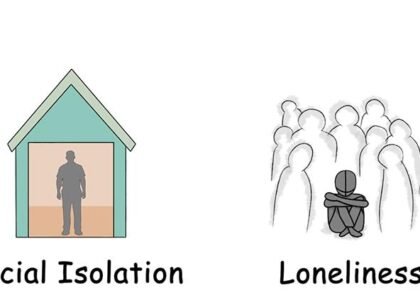
Social Isolation
Lack of social support may affect mental health.
Lifestyle Factors
Poor sleep, inactivity, and unhealthy habits may contribute to emotional distress.
Types of Depression
- Major Depressive Disorder.
- Persistent Depressive Disorder.
- Seasonal Affective Disorder (SAD).
- Postpartum Depression.
- Depression associated with medical conditions.
Treatment and Management Options
- Professional Counselling
Mental health professionals can provide guidance and support.
- Psychotherapy
Therapeutic approaches help individuals understand and manage their emotions.
- Medication
Healthcare providers may recommend medications when appropriate.
- Lifestyle Modifications
Healthy habits can support overall mental wellness.
Benefits of Early Intervention
- Improved emotional well-being.
- Better coping skills.
- Enhanced quality of life.
- Stronger relationships.
- Improved daily functioning.
How Does Balanzing Help to Manage Depression?
Depression is a serious but treatable mental health condition. Balanzing helps to provide food products that improve your mental health. Understanding its symptoms, causes, and available support options can help individuals take positive steps toward recovery.
What are the hidden signs of depression nobody talks about?
Chronic irritability, physical pain without cause, decision fatigue, forgetfulness, and "high-functioning" masking — appearing fine outwardly while struggling internally — are often overlooked, subtle signs of depression.
Why do I feel emotionally numb all the time?
Emotional numbness can result from chronic stress, depression, trauma, or burnout suppressing emotional processing over time. If it persists, it's worth discussing with a mental health professional to explore underlying causes.
What causes depression when nothing bad happened in my life?
Depression often stems from brain chemistry, genetics, or hormonal imbalances rather than external events — meaning it can develop without any identifiable cause or obvious life trigger.
What actually works for overcoming depression?
A combination of therapy (especially CBT), medication when appropriate, consistent sleep, exercise, social connection, and professional support tends to work best — recovery is rarely quick or linear.
Why don't I feel interested in things I used to love?
This loss of interest, called anhedonia, is a core depression symptom tied to changes in brain chemistry. Persisting for weeks may signal it's time to seek help.
Can low iron or thyroid problems cause depression?
Yes — both low iron and thyroid imbalances, especially hypothyroidism, can directly cause or worsen depression symptoms, which is why doctors often recommend bloodwork when evaluating unexplained mood changes.



Disclaimer
The information provided on this website is collected and compiled from publicly available sources for general informational purposes only.
All What You Need to Know About: Depression: Symptoms, Causes and When to Go for Help Around the world, depression is one of the most common mental illnesses – yet it is misunderstood by so many. Most of us feel sad, disinterested, or exhausted occasionally, but these feelings may be signs of depression rather than temporary experiences. By teaching people what depression is, how to identify its warning signs, and where to find support, we can encourage treating the disorder sooner and make life more fulfilling for our loved ones. In this guide we aim to cover the following: What Is Depression? Depression is NOT just the blues you feel after a hard day. It is a disease that influences emotions, thoughts, behavior and physical condition. Depression differs from transient sadness, lasting long periods of weeks or months and interfering in work, relationships and daily activities. There are different types of depression: MDD (Major Depressive Disorder): Symptoms are present for at least two weeks. Persistent depressive disorder (dysthymia): Chronic depression الميد تعالى متلد 2023 Seasonal Affective Disorder (SAD): Depression associated with fluctuations in the seasons, particularly in winter. Postpartum depression is a type of depression that new moms experience after giving birth. Situational Depression: Emotional distress as a result of major life events or chronic stress Depression Symptoms While Depression is different for everyone, most people do experience the same emotional, physical and cognitive symptoms. Early identification of the symptoms of depression can motivate early help seeking and treatment behaviour. Emotional Symptoms Common emotional symptoms include: Persistent sadness or hopelessness Feeling empty or emotionally numb Disinterest in hobbieds or favorite things Increased irritability or frustration Feelings of guilt or worthlessness Low self-confidence These feelings typically continue throughout the day and do not necessarily get better with positive experiences. Physical Symptoms Depression also affects the body. Common physical symptoms include: Always being tired or low energy Excessive sleeping or insomnia Both a change in appetite, and a change in body weight Unexplained headaches or body aches Instead, there are digestive complications that can arise in the absence of any clear medical issue Slower movement or speech Numerous patients present to medical centres with physical complaints before ultimately understanding that their presentations and signs are essentially driven by depression. Cognitive Symptoms Though depression can mess with thinking and decision making Common cognitive symptoms include: Difficulty concentrating Trouble remembering information Indecisiveness Negative thinking patterns Feeling hopeless about the future Severe self-harm or suicidal thoughts If numerous of those signs and symptoms are present for over two weeks and have an effect on how you function every day, then a expert assessment is warranted. Causes of Depression Depression hardly ever has one specific trigger. Instead there are multiple biological, psychological and environmental factors that often interact with each other. Biological Causes of Depression Biological factors may include: Alterations in brain chemicals like serotonin, dopamine and norepinephrine Family history of depression Hormonal changes (due to pregnancy, menopause, or thyroid disorders) Some kind of chronic disease like diabetes, heart diseases or chronic pain Both of these make a person prone to disease but do not mean that one will get depressed. Environmental and Social Causes Some situations in life matter quite a lot. Examples include: Loss of a loved one Divorce or relationship difficulties Financial stress Job loss Social isolation Lack of emotional support Alcohol or substance misuse Signs of Depression in Adults It has less apparent signs. How, meanwhile, so many adults push through their days through work and family caring and the other responsibilities of life while quietly maintaining a heavy depression. Common signs include: Withdrawing from family and friends Reduced productivity at work Loss of motivation Neglecting personal hygiene or household chores Increased irritability or anger Substance abuse as a method of self-medication Feeling emotionally detached Thinking they are a burden to others Yet, adults tend to ignore these signs and instead, attribute them to effects of stress or burnout, thus postponing treatment. Signs of depression in adults on a physical level Depression may also manifest through physical transformations like: Noticeable weight gain or loss Persistent fatigue Frequent headaches Muscle ache without an obvious cause Diatheses of sleep for multiple weeks Often depressions goes unrecognised for the reason that these symptoms overlap with many medical conditions. Why Depression in Adults Is Commonly Overlooked Adulting is also hiding emotional struggles either due to work, family obligations or fear of stigma. A few have what is referred to as high-functioning depression, where on the outside their situations appear successful but inside they are in deep emotional distress and suffering. Family members, coworkers, and friends can point out changes before the person is aware. Noticing these signs can stimulate earlier discussions and referrals to health professionals. One of the first steps in stamping out adult depression is to identify the signs. Understanding this variation in mood, behavior and functioning empowers our family members to seek the care that they need before it becomes a major issue. When to seek help for depression Most persons expect that depression will go away on its own, but signs and symptoms that persist or progressively worsen ought to now not be ignored. When you need help with depression it can be a real lifesaver. Consider seeking professional support if: Symptoms of depression were for more than two weeks. It makes it difficult to carry out your daily activities, work, or relationships. You no longer find pleasure in the things that you used to enjoy. You isolate yourself from your family and friends. Alcohol or drug use, ways to cope increases. Self-caring has failed to fill the despair. If you are having thoughts of self-harm or suicide, please go to the nearest hospital emergency department directly, contact a crisis helpline service in your area, or consult with a mental health expert. Early intervention can save lives. How Do You Get Help with Depression? Getting help is part of the road to recovery. Fortunately, depression is treatable and many people with all of its variations are helped, often in various combinations. Treatment options may include: Consulting a Healthcare Professional A general practitioner (GP) can help evaluate your symptoms, dismiss a physical health condition and refer treatment or recommend you to someone in the line of mental health specialists. Psychotherapy Illustration by Valiant Entertainment Talk therapy is among the most effective treatments there are for depression. Common approaches include: Cognitive behavioral therapy (CBT): The practice of identifying and replacing negative thinking patterns. Interpersonal Therapy (IPT) — Concentrates on relationships and communication improvement Psychodynamic Therapy: Based on the concept that past experiences affect current feelings and behaviours. Medication The healthcare provider may also prescribe antidepressant medications for people with moderate to severe depression. Most often, medication works best in combination with therapy and regular follow-up care. Support Groups Support groups offer a safe space for sharing experiences, reducing feelings of isolation and learning coping strategies from others going through similar challenges. Lifestyle Habits That Support Recovery While these can not replace professional treatment, they will help recovery and improve your quality of life. Helpful habits include: Exercising regularly Following a consistent sleep schedule Eating a balanced diet Minimizing the use of alcohol and recreational drugs Practicing stress management techniques Keeping in touch with family and friends who are really supportive Setting realistic daily goals Sustained and regular but small improvements often play a role in long term emotional health. Depression vs. Normal Sadness Everyone gets sad once in a while but depression is not only longer lasting, it is more persistent. Knowing this distinction allows people to realize when they need professional help. Depression Across Different Life Stages Even people who are not adults can experience depression, and although this guide is written with that population in mind, Young Adults Depression among early adulthood can be attributable to academic pressure, uncertainty of careers, financial problems, and social comparison. Middle-Aged Adults Balancing your career with other responsibilities such as caregiving, financial obligations, and relationship problems increases emotional stress. Older Adults Older adults are at risk for depression due to chronic illness, loss of spouses and friends, retirement, decreased independence or loneliness. Often times, symptoms of this disease are mistaken for normal aging which can lead to delays in treatment. Common Myths About Depression A persistent fallacy about depression keeps people from getting the help relief they require. Myth: Depression is just a feeling of sadness. Truth: Depression does not only cause a change in emotions, but it can also affect thinking, behavior and physical health. Just the Big Stuff Can Make You Depressed Myth Fact: This is due to a combination of biological, genetic, hormonal and psychological factors Myth: If you have depression, you must look sad all the time. Fact: Most people go to work and do their jobs, while carefully concealing their symptoms. Misconception: People are supposed to overcome depression by forcing themselves to act. And that brings us to the Fact #1: Depression is a medical condition which makes for a good reason you might want some professional help with it. Frequently Asked Questions How long do depression symptoms last? For a diagnosis, the symptoms usually must be there two weeks or longer and the untreated depression can last for many months or much longer. Is depression just a symptom of something deeper? Yes. Even in the absence of a tangible trigger, genetics as well as brain chemistry, hormones and other biological factors might play a much bigger role. In adults, are signs of depression different? Yes. The sad fact however is that adults are seldom likely to show sadness, the usual behaviour of anxious looking inwards; like irritability, fatigue, withdrawal and loss of motivation. How Long Can a Person Have Depression Before Seeking Help Seek professional help for symptoms that last two weeks or longer, affect everyday living, or are associated with suicide. Can lifestyle changes treat depression? If you are experiencing a moderate or severe depression, therapy, medication, or both will be necessary; even healthy habits can help during recovery. Recognizing Supporting Someone With Depression Being there for a loved one can help them seek treatment and not feel alone. Helpful approaches include: Listen without judgment. Encourage open conversations. Provide practical assistance, such as scheduling appointments. Stay connected through regular check-ins. Do not dismiss their feelings or say, "be positive". Be patient, recovery is a long process. Partly it comes from the fact that consistent compassion does make a difference. Final Thoughts Depression is a very serious yet common mental health disorder affecting millions of people the world over. Awareness of depression signs, causes of depression, adult depression symptoms and when to get help for depression could result in an earlier diagnosis and better prognosis. While recovery is not the same for everyone, effective treatments and supports do exist. Remember: if you or anyone related to you is fighting continuous symptoms contact a health expert, that should be first step. Timely intervention helps increase emotional well-being, maintain healthy relationships and improve mental health over the long term. More about Balanzing: Eating Right, Balanced Life Balanzing is a natural foods and wellness platform that centers around one straightforward concept: ideal well-being derives from what you put into your body, and flourishes through equilibrium — not restraint, extremes or shortcuts. Whether it is a range of premium dry or other nut products, seeds, dried herbs or wellness-centric teas — Balanzing integrates natural nutrition with the everyday awareness into one holistic ecosystem that results in what has been termed as "Balanzed Living". Who Balanzing Is Balanzing is not just a store for nuts, seeds & dried fruits (but it mostly sells that); Balanzing runs awareness program to make people aware of what they eat and how their diet directly affects the physical, emotional & mental fitness. From the perspective of super nutrition, Dry Nuts, Dry Fruits, Seeds Of The Elements & Dried Flowers & Leaves; even Chinese Herbal specials in dry powders for natural remedies for daily illness added by assessments to increase resistance against low-grade ailments like Gut problems. However, Balanzing is not only doing healthy products. The brand markets itself as a guide, suggesting people associate individual foods to overall health desires; that could be better digestion, greater immunity, beautiful skin and hair, hormonal support or heart health. The Philosophy of Balance The central belief at Balanzing is that life, when in balance — and mind you balance does not mean perfectionism or avoiding challenges altogether — is better lived. It is consistency, awareness, and making choices that are realistic in the true to life world. This philosophy drives everything from products to content. Instead of promoting extreme diets and short-term transformations, Balanzing promotes sustainable nutrition — real foods that can nourish your body for the long haul, along with educational content that helps people understand their choices. The company's mission is to ensure that everyone has the opportunity, information, and guidance to learn how to live a balanced, healthy life — and have fun doing it. Its mission isn't much different, either — to help people build a better life with the right tools and support in order to create healthy lifestyle changes, not blanket policies. What Makes Balanzing Different While many wellness brands aim for one very narrow category — just supplements, just snacks, just fitness— Balanzing takes a more holistic approach to what healthy actually is. The platform maps its natural foods along the complete range of human wellbeing, including: Antioxidant & Vitamin Power Bone & Mineral Health Brain & Mental Wellness Digestion & Gut Health Energy & Metabolism Heart Health Hydration & Cooling Immunity & Strength Mood, Relaxation & Hormonal Balance Respiratory & Detox Skin & Hair Care Weight & Sugar Balance This makes the customer shopping for that exact outcome as a category rather than browsing general categories — supported by no-nonsense, naturally nutrient-dense foods relevant to that outcome. Balanzing also curates wellness content through particular life stages where certain nutritional and fitness needs may change over time. Covering Kids Fitness (Age 3–12) through Teen, Young Adult, Middle Age and Senior Fitness (55+); the brand offers peer-reviewed educational resources that meet people where they are, not at a click this unhealthy fast food place or buy our laxatives that treat everyone the same regardless of age differences in metabolism activity priorities health information treatment approaches. The Product Range The Balanzing catalogue is a testament to its nature-first ethos. Popular categories include: Dry Nuts — almonds, cashews, pistachios, Brazil nuts, macadamias, pecans and more which are chosen because they are fresh and nutrient dense. Dry Fruits — the dried varieties of things like apples, apricots, figs, cranberries above blueberries and black raisins etc. Seeds—chia, sabja (basil), cumin, fenugreek seed, sesame seeds and nigella seeds Dried Flowers & Leaves — All SortsnChamomile, Hibiscus, Jasmine, Lavender, Moringa and Green Tea leaves – Used in herbal teas and natural wellness routines Chinese Herbal Specials — a range of products which are indicative of Bilanzing's holistic approach to natural, traditional remedies The entire line is positioned not merely as snacks or whatever else for the pantry, but rather as a functional part of everyday life, fitting into larger real-world execution strategies like breakfast bowls, herbal teas and smoothies or easy on-the-go snacking. More Than a Store, an Awareness Platform Perhaps the most unique characteristic of Balanzing is its focus on education. They run a blog and content hub covering everything from Mental Health, Kids Health, Healthy Parenting, Mid-Age Health through to Physical Health — that might have something to do with their belief in informed lifestyle choices over simply good products for sustainable wellbeing. This "know what you eat, know your health" approach embodies the core values that Balanzing stands for: assisting users in developing sustainable habits through understanding rather than guesswork. Instead of claiming instant results, the brand prides themselves in providing customers with knowledge to make long lasting, sustainable choices. The Balanzing Approach Balanzing describes its approach as integrated and mindful — made to foster a sustainable, balanced life, not just a one-off solution. You see it in the way the brand discusses its products: less hype and more about how certain foods really do address particular angles on health — gut function, hormonal balance, heart health. It is a brand that represents the belief that small, rational and conscious choices in daily life — a few walnuts here, a cup of herbal tea there, an alternative in daily routine — ultimately become something grand. That is what balance™ represents "Balanzed Living": not perfection, but rather consistent with the vision; not extremes, just balanced. In Summary Balanzing is an aggregator of natural, high quality foods (nuts, seeds, dry fruits & herbal ingredients) backed by a beautiful educational platform around whole-person wellness. Balanzing believes that if you arrange products around true health aims and life stages, support it with relevant wellness information, you create the ingredients of a genuinely balanced, conscious living standard for normal everyday people—not a hope. If you want to learn how to be healthy without having to reconstruct your entire life at once, Balanzing is here offer a reasonable avenue for entry: natural foods selected with intention and used wisely. So, whether you want better digestion, more stable energy levels, a stronger immune system or would simply like to feel more in control of your daily choices, the message behind the brand is: balance happens one small and sustainable habit at a time every day. Healthy intake. Balanzed living. That's Balanzing.
Leave a Reply Cancel reply
Comments
Table of Contents
Toggle
This is such an important read — the section on how the signs of depression in adults often hide behind “just being busy” really hit home. Balanzing, tell a lot about how mental and physical wellbeing are deeply connected, and this is a great reminder that seeking help early makes all the difference. Thank you for such a thoughtful, well-researched piece.