
Anemia
Anemia is one of the most common blood disorders worldwide, affecting people of all ages. It occurs when the body does not have enough healthy red blood cells or hemoglobin to carry adequate oxygen to the body's tissues.
Introduction
Anemia is a condition in which the number of red blood cells or the amount of hemoglobin in the blood is lower than normal. Since hemoglobin is responsible for transporting oxygen throughout the body, anemia can reduce oxygen delivery to organs and tissues. Early diagnosis, proper nutrition, and appropriate medical treatment can help manage anemia effectively and improve overall health. This guide shows the various causes of anemia.
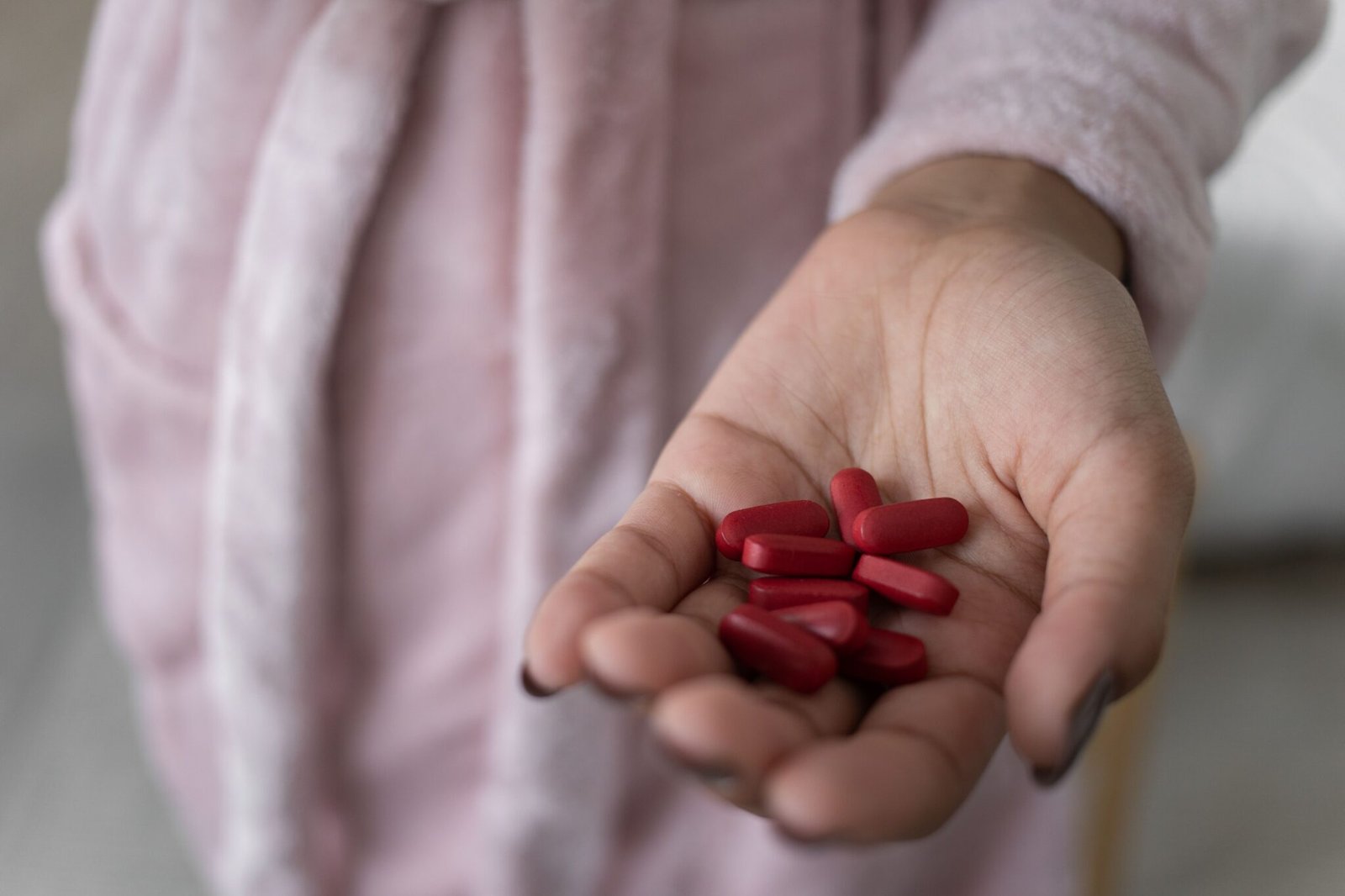
Essential Nutrients for Preventing Anemia and Their Benefits
|
Nutrients |
Benefits |
|
Iron |
Supports Hemoglobin Production |
|
Vitamin B12 |
Helps Form Healthy Red Blood Cells |
|
Folate |
Essential for Red Blood Cell Formation |
|
Copper |
Supports Iron Metabolism |
|
Vitamin C |
Improves Iron Absorption |
Common Causes of Anemia
- Iron Deficiency
The most common cause of anemia due to inadequate iron intake or absorption.
- Vitamin B12 Deficiency
Insufficient vitamin B12 can reduce healthy red blood cell production.
- Folate Deficiency
Low folate levels may affect red blood cell formation.
- Blood Loss
Heavy menstrual bleeding, injuries, or gastrointestinal bleeding.
- Chronic Diseases
Certain long-term illnesses may reduce red blood cell production.
- Bone Marrow Disorders
Some medical conditions affect blood cell production.
Common Symptoms
- Fatigue.
- Weakness.
- Pale skin.
- Shortness of breath.
- Dizziness.
- Headaches.
- Cold hands and feet.
- Rapid heartbeat.
Why Healthy Blood Is Important?
Healthy blood helps to:
-
- Transport oxygen throughout the body.
- Support energy production.
- Maintain proper organ function.
- Strengthen the immune system.
- Promote overall health and well-being.
Lifestyle Tips
-
- Eat a Balanced Diet
Include iron-rich foods along with vitamin C-rich foods to improve iron absorption.
- Stay Hydrated
Proper hydration supports overall body function.
- Avoid Excess Tea and Coffee with Meals
These beverages may reduce iron absorption when consumed with iron-rich meals.
- Attend Regular Health Checkups
Routine blood tests can help detect anemia early.
Possible Complications
Untreated anemia may lead to:
-
- Severe fatigue.
- Heart problems.
- Pregnancy complications.
- Reduced physical performance.
- Poor concentration.
Benefits of Proper Anemia Management
- Increased energy levels.
- Improved oxygen delivery.
- Better physical performance.
- Enhanced immune function.
- Improved overall quality of life.
How Does Balanzing Help to Control Anemia?
Anemia is a common but treatable condition that can significantly affect overall health if left unmanaged. A nutritious diet rich in iron, vitamin B12, folate, and vitamin C, along with regular medical checkups and appropriate treatment, can help restore healthy blood levels and improve well-being. Balanzing offers nutrient-rich food products that help to prevent anemia.
Can I Fix Anemia With Food Alone or Do I Need Supplements?
Mild anemia may improve with iron-rich foods, but moderate or severe cases often require supplements and medical guidance to restore healthy hemoglobin levels effectively.
How to Raise Hemoglobin Levels Fast Without Feeling Worse?
You can raise hemoglobin levels by eating iron-rich foods, improving vitamin C intake, treating deficiencies, and following medical advice while avoiding sudden changes that may cause discomfort.
Why Do Women Get Anemia More Than Men?
Women are more likely to develop anemia due to menstrual blood loss, pregnancy-related iron needs, and increased nutrient requirements for maintaining healthy hemoglobin levels.
Is Spinach Really Good for Anemia?
Spinach can support anemia management because it contains iron, folate, and vitamin C. However, it should be combined with other iron-rich foods for better results.
How Much Iron Do You Actually Need per Day?
Daily iron needs vary by age, sex, and health status. Adult men generally need about 8 mg, while women may need 18 mg before menopause.
Can PCOS Cause Anemia and Make It Harder to Treat?
PCOS does not directly cause anemia, but irregular or heavy menstrual bleeding linked to PCOS may increase iron loss and contribute to anemia in some women.

What Is Anemia: Symptoms, Causes, Low Hemoglobin And Early Signs Abstract Anemia is a prevalent blood disorder that affects individuals of all ages around the world. It happens when your body does not have adequate functioning red blood cells or hemoglobin to take enough oxygen directly in to the body. The organs and tissues for which oxygen delivery is deficient become dysfunctional, with symptoms of fatigue, weakness and impaired exercise capacity. While both men and women experience anemia, women are more at risk because of menstruation, pregnancy, and higher iron needs. By knowing the causes of low hemoglobin level and spotting symptoms of low iron in women and with timely treatment, one can avoid complications. A proper diet is vital in the supply of blood functions and stimulating red cell production. In addition to medical advice, the use of healthy and vitamin-rich foods marketed by wellness brands such as Balanzing can help create a wholesome balance throughout your lifestyle. What Is Anemia? Anemia is a condition in which the body has fewer healthy red blood cells than normal, or not enough hemoglobin. Hemoglobin is an iron-based protein present in red blood cells that transports oxygen from the lungs to every tissue of the body. With a reduction in hemoglobin levels, all structural components within the human organs receive less oxygen, causing symptoms that can vary from slight fatigue to profound weakness and shortness of breath. Anemia is as serious as the cause of anemia, communication speed, diagnosis and treatment. Why Healthy Hemoglobin Matters Hemoglobin performs several important functions: Carries oxygen throughout the body Removes carbon dioxide from tissues Supports muscle function Helps maintain energy levels Supports healthy brain function Promotes normal organ performance Because low hemoglobin results in lower oxygen delivery, even the most mundane activities can seem tiring. Types of Anemia Different types of anemia have their own causes. Iron Deficiency Anemia Most common; due to insufficient iron intake, absorption or blood loss. Vitamin Deficiency Anemia Happens: When there are low levels of vitamin B12 or folate; both help red blood cells to grow healthy. Aplastic Anemia Acute aplastic anemia, a rare disorder characterized by the inability of the bone marrow to produce sufficient blood cells. Hemolytic Anemia Results when red blood cells are destroyed quickly than the body can replace them. Sickle Cell Anemia A genetic disorder where red blood cells have an abnormal shape and function abnormally. Because the treatment is determined by the specific type of anemia, correct diagnosis is important. What Causes Low Hemoglobin Levels? A lot of people have questions regarding What causes low hemoglobin. In truth, it may only be one of a number of factors at play; determining what the cause is must come first if any effective therapy is to follow. Iron Deficiency It makes it indispensable for the production of hemoglobin. One of the most prominent reasons what causes low hemoglobin levels is inadequate dietary intake or poor absorption. Blood Loss Chronic bleeding from heavy menstrual periods, erosive gastritis of the stomach, hemorrhoids and other gastrointestinal disease can covertly reduce hemoglobin level over time. Poor Diet Diet having deficient iron, vitamin B12, folate and protein decreases the formation of healthy RBC. Pregnancy Pregnant woman need more iron for the development of the fetus. If you do not eat well, anemia can develop. Chronic Diseases Chronic kidney disease, inflammatory disorders or infections, and some cancers may decrease red blood cell production. Genetic Disorders Hereditary blood conditions, like sickle cell illness or thalassemia can impact the generation of hemoglobin. Poor Nutrient Absorption Other digestive disorders like celiac disease or inflammatory bowel disorder can affect how much iron is absorbed. Low Hemoglobin Levels Low hemoglobin is a blood test measuring if there are enough red blood cells in the body. Common Risk Factors Some population groups who are at increased risk for anaemia. Risk factors include: Women of reproductive age Pregnant women Older adults Vegetarians with poor iron intake Individuals with chronic diseases Frequent blood donors People with digestive disorders Children during rapid growth Individuals with poor nutritional status This knowledge of risk factors motivates earlier screening and preventive care. Signs of Low Iron in Women Why is it important to recognize the signs of low iron in women, symptoms evolve over time and can be confused with everyday tiredness. Common warning signs include: Persistent Fatigue One of the earliest symptoms of women being low on iron is feeling more tired than usual even after getting enough sleep. Pale Skin Decreased hemoglobin makes the skin appear paler than normal. Hair Loss Excessive shedding of hair can occur due to Iron deficiency. Brittle Nails In prolonged iron deficiency, this leads to weak or spoon-shaped nails. Shortness of Breath With only a low supply of oxygen delivery, climbing stairs or exercise can be more challenging. Dizziness Low amounts of oxygen to the brain can lead to dizziness or lightheadedness. Cold Hands and Feet Insufficient oxygen traveling through the body may actually cause cold, clammy hands and feet. Difficulty Concentrating When iron levels are low so many women may find it harder to concentrate, and battle mental fatigue. If these low iron symptoms in women continue, medical evaluation and blood testing is a necessity. Early Symptoms of Anemia Early symptoms may include: Fatigue Weakness Pale skin Headaches Dizziness Rapid heartbeat Cold extremities Reduced exercise tolerance As anemia becomes more serious, symptoms tend to be more obvious. Possible Complications Untreated anemia can lead to: Reduced work performance Pregnancy complications Heart strain Weakened immunity Developmental problems in children Severe fatigue affecting daily life The risk of these complications can be greatly reduced with early diagnosis. When Should You See a Doctor? If you have these, consult a healthcare provider: Ongoing fatigue Frequent dizziness Shortness of breath Heavy menstrual bleeding Pale skin Rapid heartbeat Persistent weakness Blood tests can find out if anemia or another case is causing your symptoms. Anemia: Treatment of Anemia and Top Iron-Rich Foods to Eat (Part 2) How to Treat Anemia The path to knowing how to treat anemia begins with determining the root cause. Because anemia may occur due to iron deficiency, vitamin deficiencies, chronic diseases or hereditary factors, the treatment is individually tailored. Before devising a treatment plan, a healthcare provider may order blood tests to uncover the underlying cause A combination of well-balanced meals, habits for a healthy lifestyle and medical advice can help more than most people with their hemoglobin levels and alleviating symptoms. Increase Iron Intake Iron is among the key nutrients needed for proper red blood cell generation and function. When anemia is caused by iron deficiency, adding foods high in iron is often one of the first suggestions. Good dietary sources include: Lean red meat Chicken Fish Eggs Spinach Lentils Beans Chickpeas Pumpkin seeds Consuming these foods on a continual basis is an excellent approach to endorse hemoglobin that is healthy. Take Iron Supplements (If Prescribed) Others may not be able to satisfy their iron requirements through diet alone. Healthcare providers may recommend: Iron tablets Iron capsules Liquid iron supplements Intravenous iron (for severe deficiency) As excess iron is dangerous, never start using iron supplements without consulting a doctor first. Improve Iron Absorption Making sure you are consuming enough iron is one part of the equation, but your body also needs to absorb it adequately. Vitamin C improves iron absorption. Excellent sources include: Oranges Guava Kiwi Strawberries Tomatoes Bell peppers Broccoli This is a simple trick you use when learning how to heal about anemia — eat iron-rich foods at the same time as vitamin C-rich foods. Address Vitamin Deficiencies Vitamin B12 and folate: These two vitamins help produce healthy red blood cells. Some super foods that are rich in these nutrients: Dairy products Eggs Fish Leafy green vegetables Fortified cereals Your doctor may then prescribe supplements for you if deficiencies are revealed. Best Iron-Rich Foods for Anemia Best Foods For Anemia: The best iron rich foods can naturally replenish your stores of iron and support your body in producing healthy blood. Animal-Based Iron Sources These are foods rich in heme iron, which is absorbed better by the body. Examples include: Lean beef Chicken liver Turkey Sardines Tuna Eggs Plant-Based Iron Sources These are some great food for vegetarians and vegans. Examples include: Spinach Kale Lentils Chickpeas Kidney beans Soybeans Tofu Quinoa Pumpkin seeds Sesame seeds Introducing a vitamin C source with any of these foods increases iron absorption. Fruits That Support Healthy Hemoglobin Fruits are not a rich source of iron themselves but, provide vitamins C and antioxidants to support better iron absorption. Helpful choices include: Oranges Guava Kiwi Pomegranate Berries Papaya Mango These fruits complete the top iron foods for anemia in a balanced way. Foods to Limit Food components: certain foods and beverages can inhibit iron absorption if they are ingested at the same time with food containing iron. Consider limiting around mealtime: Tea Coffee Excess calcium supplements Highly processed foods Sugary drinks To help wake these substances up, keep them apart from iron-rich meals. Healthy Lifestyle Habits Nutrition is more successful when included in healthy routines throughout the day. Helpful habits include: Eating regular meals Staying hydrated Sleeping 7–9 hours Exercising moderately Managing stress Avoiding smoking Limiting alcohol These habits promote general health and are helpful in how to cure anemia. Can Diet Alone Treat Anemia? If there is mild iron deficiency, changes in the diet may restore normal iron levels in a few weeks. However, moderate or severe anemia usually needs to be treated further, such as with supplementation or treating the underlying cause. How does it work: Regular precautionary blood tests monitor progress; Supporting Recovery Through Nutrition Recovering from anemia takes time. One of the main ideas of healthy eating is consistency, not shortcuts or fast tracks. Brands with a wellness focus, like Balanzing have inspiring stories of food as medicine and balanced nutrition; their products rely on wholesome ingredients that nourish the body to support holistic health. Individual foods or products will not cure anemia, but a nutritious diet played in combination with medical care is crucial for long-term health. Daily Meal Ideas Also, an easy-to-follow iron-supplying meals might look like: Breakfast Oatmeal with pumpkin seeds Orange slices Lunch Grilled chicken Brown rice Steamed spinach Snack Handful of roasted chickpeas Guava Dinner Lentil curry Mixed vegetables Whole-grain roti It mixes most top anaemia iron foods with vitamin C that helps the digestion process. (Part 3)Anemia: Prevention, Diagnosis, FAQs and Long-Term Management How Is Anemia Diagnosed? Anemia Diagnosis After a review of your symptoms, medical history and dietary and lifestyle habits. As anemia can be caused by several conditions, it is important to find the root cause before you begin treatment. Your healthcare provider may recommend: Complete Blood Count (CBC) Hemoglobin test Hematocrit test Iron studies Ferritin test Vitamin B12 and folate tests Reticulocyte count Kidney and liver function tests If a chronic disease, digestive disorders or inherited blood disorders are suspected, additional tests may be necessary. Can Anemia Be Prevented? Not all anemias are preventable, but many related to nutritional deficiencies are. Helpful prevention strategies include: Maintaining a well-balanced iron-rich diet. Choose vitamin C-rich foods with meals. Get Enough B12 And Folate Stay hydrated. Exercise regularly. Schedule routine health checkups. If heavy menstrual bleeding is present treat for it. Manage chronic health conditions. Knowing what leads to declining hemoglobin gives the tools required to counter it before symptoms reach a crisis level. Daily Nutrition Tips Eating healthy can also help you regain your normal hemoglobin levels. A balanced plate should include: Green leafy vegetables Lean proteins Whole grains Beans and lentils Nuts and seeds Citrus fruits Fresh vegetables Incorporate these foods into your diet consistently for optimal red blood cell production. Lifestyle habits that help you produce healthy blood Not only will knowing how to treat anemia but also having a healthy daily routine is an important contribution to maintaining good health. Good habits include: Sleeping 7–9 hours every night Staying physically active Drinking enough water Avoiding smoking Limiting alcohol Managing stress Eating meals on time Following your healthcare provider's advice These habits also ensure that you feel energised and can recover well. Take medical help when — See a doctor if you experience any of the following: Severe fatigue Chest pain Shortness of breath Fainting Rapid heartbeat Persistent dizziness Very pale skin Early detection helps in preventing complications and initiating treatment at an earlier stage. Possible Complications Anaemia left untreated can lead to: Extreme fatigue Reduced work productivity Pregnancy complications Heart-related problems Reduced physical performance Poor concentration Weakened immune function These risks can be vastly reduced with earlier both diagnosis and treatment. Frequently Asked Questions Can anemia go away naturally? Simple dietary deficiencies are also easily reversed, and mild nutritional anemia may help respond with increased iron stores after the correction of dietary deficiency. In contrast, lingering symptoms need to be medically evaluated to diagnose and address the cause. Two groups in particular that are most at risk of anemia are: Pregnant woman, heavy menstrual bleeding, older adults, children, vegetarians with low iron intake and people suffering from chronic disease are at risk. I. Anemia caused by iron deficiency No. Anemia is most commonly caused by an iron deficiency, but it can also be due to vitamin B12 or folate deficiency, a chronic disease, a genetic condition, and/or blood loss. How long does it take to get over anemia? To return to normal depends on the cause and the level of severity. Most people start to feel much better after a few weeks of the right treatment, but it can take months to build up iron stores. Can diet improve hemoglobin levels? Yes. You will Learn following how to treat anemia recommendation + Iron rich foods (best iron-rich foods for anemia) with vitamin C rich Foods To Improve hemoglobin levels — mostly in Iron deficiency Anemia. Conclusion Further, it cannot be stressed enough that anemia is a common health problem and SHOULD NOT be overlooked. Understanding the reasons behind having low Hemoglobin levels, Signs of Low Iron in Women, How to Treat Anemia, and Intaking the Best Iron-rich foods for Anemia on a regular basis can keep your blood healthy and thus improve the quality of life. Timely diagnosis, adequate nutrition, routine health checks and persistent lifestyle changes are the solutions to avoid complications of gestational diabetes. Consult a healthcare professional for evaluation and treatment if fatigue, dizziness, or shortness of breath persists. Balanzing recommends maintaining good eating habits and practicing yoga for post-recovery from medical treatments (with the medical team's consent) as part of a healthy lifestyle. When combined with expert advice and a balanced diet, these habits could promote healthy haemoglobin levels along with longevity. About Balanzing At Balanzing, we know that it all starts with better nutrition so you can feel like the best version of yourself. We are on a mission to promote balanced eating habits via premium healthy foods that enhance well being for individuals and families. Balanzing is here to accompany you on your path to wellness whether you're working towards a healthy lifestyle, daily nutrition or if you're choosing more intentional foods. With our unique listing, we cautiously serve a range of healthy goods such as nuts, seeds, nuts fractions, dried vegetables & fruits and other naturally originating foods falling under a balanced diet. These nutrient-dense choices can be eaten as nutritious snacks or used in daily meals so you do not have a tough time getting all the necessary vitamins, minerals, healthy fats, fibre and plant-based nutrients into your body. We also train you through our data, which has inputs as recent as October 2023. Because of this, we also pass along medline educational resources with regard to nutrition, healthy living and wellness themes so our community can make informed decisions. We hope to provide every day foods and health tips that help you make healthier choices–from heart health, weight management or bone health, to nutrition in general. We offer you the best quality, transparency and customer satisfaction products. We try to use word choice with thought and precision, and promote an appropriate balance of nutrition, activity, and medical guidance when necessary as a practice. If it is about useful healthy pantry staples or reliable wellness information, Balanzing aims to be the best and assist you with one step at a time of building healthier habits. We make balanced living easy, fun and delicious with a combination of wholesome foods and healthy lifestyle practices.
Leave a Reply Cancel reply
Comments
Table of Contents
Toggle
This blog provided valuable insights into anemia and the importance of proper nutrition. I liked how Balanzing explains health topics in a simple way and shares useful tips that can help readers make better dietary choices.