
Healthy intake 😃 Balanzed living

Mindfulness Meditation

In today's fast-paced world, stress, distractions, and constant demands can make it difficult to stay focused and maintain emotional balance. Mindfulness meditation is a practice that encourages individuals to focus on the present moment with awareness and acceptance.

Introduction

Mindfulness meditation is a mental practice that involves paying attention to the present moment while calmly acknowledging thoughts, feelings, and bodily sensations. The goal is not to stop thinking but to develop greater awareness and a healthier relationship with one's thoughts. By training the mind to observe thoughts, emotions, and sensations without judgment, mindfulness meditation can support mental well-being, emotional resilience, and overall quality of life. This guide shows the benefits of mediation.
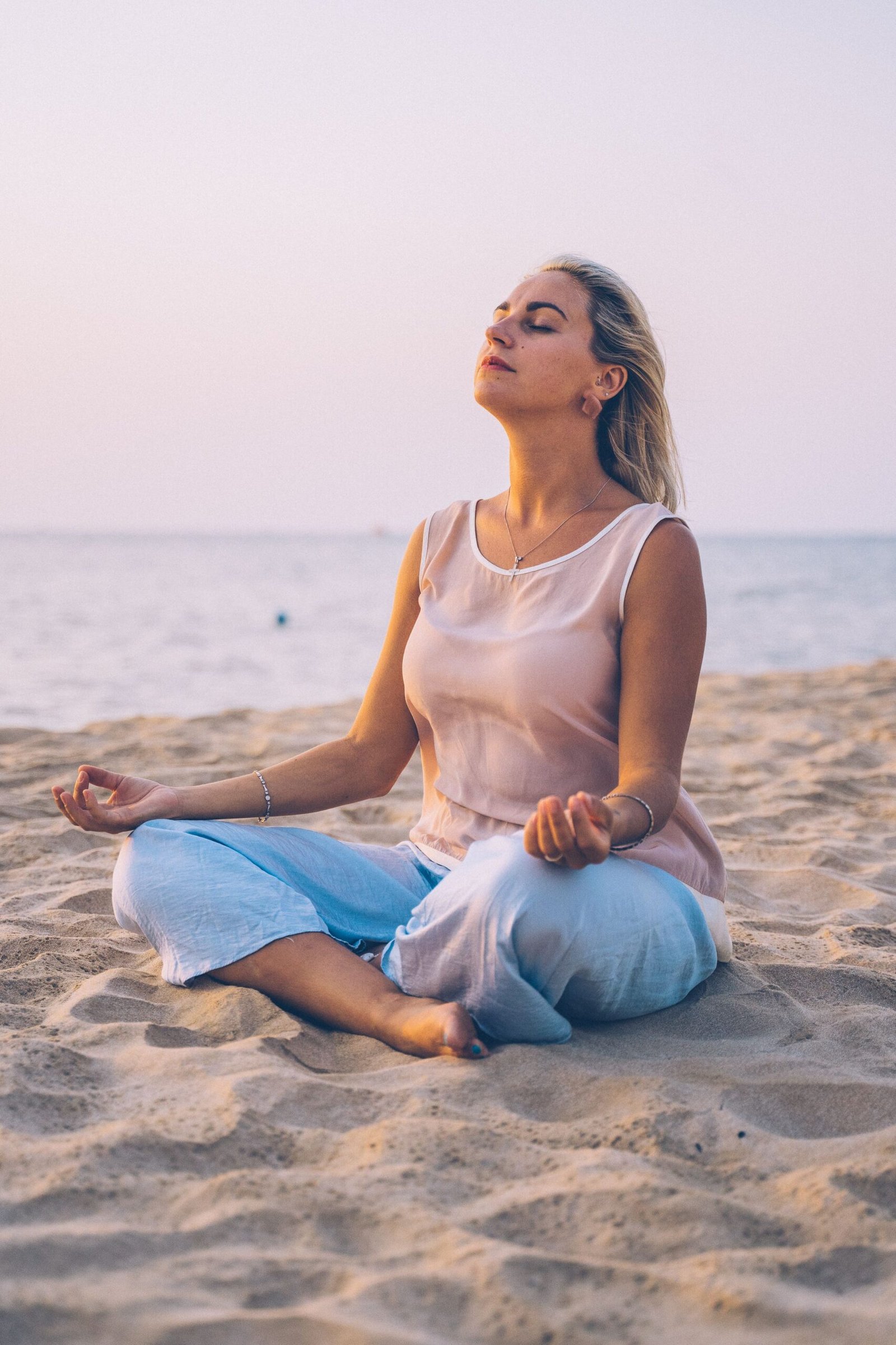
Mindfulness Meditation

Nutrients That Support Brain and Mental Health and Their Benefits

Nutrients

Benefits

Omega-3 Fatty Acids

Brain Function Support

Magnesium

Relaxation Support

Vitamin D

Mood Support

Antioxidants

Brain Protection

Vitamin B Complex

Nervous System Health

Benefits of Mindfulness Meditation

1.Supports Stress Management

Mindfulness meditation can help individuals develop healthier responses to everyday stressors.

2.Improves Focus and Concentration

Regular practice may enhance attention and mental clarity.

3.Promotes Emotional Well-Being

Mindfulness encourages emotional awareness and self-reflection.

4.Supports Better Sleep

Relaxation techniques used during meditation may contribute to improved sleep quality.

5.Enhances Self-Awareness

Meditation helps individuals better understand their thoughts and behaviors.

6.Encourages Inner Calm

Practicing mindfulness can promote a greater sense of peace and balance.

How to Practice Mindfulness Meditation

Step 1: Find a Quiet Space

Choose a comfortable and peaceful environment.

Step 2: Sit Comfortably

Maintain a relaxed yet upright posture.

Step 3: Focus on Your Breath

Pay attention to each inhale and exhale.

Step 4: Observe Thoughts Without Judgment

Allow thoughts to come and go naturally without becoming attached to them.

Step 5: Return to the Present Moment

Whenever your mind wanders, gently bring your attention back to your breath.

Types of Mindfulness Practices

  • Breathing Meditation

Focuses on observing the natural rhythm of breathing.

  • Body Scan Meditation

Encourages awareness of different parts of the body.

  • Walking Meditation

Combines mindful awareness with gentle movement.

  • Loving-Kindness Meditation

Focuses on cultivating compassion and positive emotions.


Foods That Support Mental Wellness

  • Fatty fish.
  • Nuts and seeds.
  • Whole grains.
  • Fruits and vegetables.
  • Eggs.
  • Legumes.
  • Yogurt.

Common Challenges for Beginners

  • Difficulty staying focused.
  • Restlessness.
  • Wandering thoughts.
  • Impatience with results.

Who Can Benefit from Mindfulness Meditation?

  • Students.
  • Working professionals.
  • Older adults.
  • Individuals seeking stress management.
  • Anyone interested in improving mental well-being.

What Are the Key Benefits of Mindfulness Meditation?

BenefitDescription
Stress ReductionPromotes relaxation and helps manage daily stress.
Improved FocusEnhances concentration and mental clarity.
Emotional Well-BeingEncourages emotional balance and a positive mindset.
Better SleepSupports relaxation, which may improve sleep quality.
Healthy Lifestyle SupportComplements balanced nutrition, regular exercise, and mindfulness practices for overall wellness.

How Does Balanzing Help to Improve Your Mental Health?

Mindfulness meditation is a simple yet powerful practice that promotes awareness, emotional balance, and mental clarity. Balanzing provides nutrient-rich food products that support mental health along with meditation. By dedicating just a few minutes each day to mindfulness, individuals can develop healthier coping skills, improve focus, and cultivate a greater sense of well-being.

What Is Mindfulness Meditation?

Mindfulness meditation is a practice of focusing on the present moment with awareness and without judgment. It helps improve mental clarity, emotional balance, and overall well-being.

How Does Balanzing Help Improve Your Mental Health?

Balanzing provides nutrient-rich food products that complement a balanced diet and healthy lifestyle, supporting overall mental wellness alongside regular mindfulness meditation.

What Are the Benefits of Mindfulness Meditation?

Regular mindfulness meditation may help reduce stress, improve focus, enhance emotional well-being, support relaxation, and encourage a calmer mind.

How Long Should You Practice Mindfulness Meditation Each Day?

Even 10–20 minutes of daily mindfulness meditation can help develop healthy coping skills, improve concentration, and promote mental wellness.

Can Mindfulness Meditation Be Practiced by Beginners?

Yes. Mindfulness meditation is suitable for beginners and can be practiced anywhere by simply focusing on your breathing and staying present in the moment.

How Do Healthy Habits Support Mental Wellness?

A balanced diet, regular exercise, quality sleep, proper hydration, and mindfulness meditation work together to support mental health, emotional balance, and overall well-being.


Mindfulness Meditation Mindfulness Meditation is a simple but effective practice that encourages individuals to be more in tune with the present moment. Rooted in the wisdom of ancient meditation traditions and widely utilized in modern times, mindfulness involves focusing on one's thoughts, feelings, bodily sensations, and environment without judgment. In our modern, busy lifestyles where distractions and stress are prevalent, mindfulness meditation is a readily available tool to enhance mental clarity, improve emotional balance, and overall well-being.Unlike more complex forms of meditation that may require special equipment or extensive training, mindfulness can be practiced anytime, anywhere-whether at home, work, or out in nature.Even just a few minutes a day can make a positive difference in achieving a more peaceful and productive lifestyle.What is Mindfulness Meditation?Mindfulness meditation is the process of deliberately paying attention to the present moment. Instead of worrying about the past or the future, mindfulness practitioners focus on their breathing, their thoughts, and their feelings in the moment without attachment.This isn’t about clearing your mind or stopping all your thoughts; instead, it’s about noticing your thoughts without getting lost in them.Consistent mindfulness meditation practice can improve self-awareness, patience, and resilience in the face of emotional challenges while fostering a calm and centered mind. The Benefits of Mindfulness Meditation The Benefits of Mindfulness Meditation can affect all aspects of one’s well-being, both mentally and physically. Although the experiences can differ from individual to individual, the practice can contribute to a healthier and happier life: • Reduce stress in everyday life • Support the development of emotional balance • Increase concentration and focus • Promote mental clarity and calmness • Enhance relaxation • Foster a better sleep environment • Boost self-awareness • Encourage more positive thinking • Assist in the development of healthy coping mechanisms • Complement overall wellness routines The best way to experience these benefits is to incorporate mindfulness meditation into your existing daily wellness routines.Mindfulness Meditation Techniques There are several different Mindfulness Meditation Techniques you can use, ranging from beginner-friendly practices to those more suited to experienced meditators: • Breathing Meditation Simply focus your attention on the slow and steady rhythm of your breath. Notice your inhales and exhales, returning your focus to your breathing whenever your mind begins to wander. • Body Scan Meditation Systematically bring your awareness through different parts of your body.Notice any physical sensations you feel, from your toes to the top of your head, without trying to change them.• Walking Meditation This is a great technique for when you have time to move. Walk at a slow, deliberate pace, paying attention to the physical sensations in your feet, your breath, and the environment around you. • Guided Meditation Many beginners benefit from listening to guided meditations, which provide verbal instructions and help keep the mind focused on the present moment. • Mindful Observation Choose a common object like a flower or a tree, and pay very close attention to all its details.Notice its colors, textures, and shape, all without judgment.Daily Mindfulness Practice It doesn't take a large amount of time to incorporate mindfulness into your day. Even 10 to 20 minutes of daily practice can make a significant difference: • Start each morning with a few deep breaths. • Take short mindfulness breaks during your workday.• Eat meals without distractions. • Before you go to sleep, practice expressing gratitude for three things. • Take a moment to appreciate the natural world around you.• Limit your exposure to excessive screen time.• Practice single-tasking. • Engage in mindful listening during conversations with others. Small daily habits often compound into long-lasting benefits. Mindfulness for Mental Wellness Mindfulness for Mental Wellness involves learning to respond constructively to life's everyday challenges rather than reacting or resisting them.Mindfulness Meditation for mental wellness helps you address challenging thoughts and emotions with a sense of calm and mindful acceptance.It also plays an important role as part of a holistic wellness approach that includes proper nutrition, physical activity, adequate sleep, and social connection. Balancing your lifestyle through mindful relationships, time for yourself, realistic expectations and stress management will enhance mental wellness. Creating a Healthy Lifestyle Mindfulness complements the other components of a healthy lifestyle that promote physical and mental well-being: • Consume balanced meals • Stay hydrated with water • Engage in regular physical activity • Obtain 7-9 hours of quality sleep per night • Practice stress management techniques • Spend time in nature • Nurture relationships • Limit excessive screen time Nutrition and Mental Wellness Proper nutrition is another crucial aspect of overall well-being, including our mental health.Consuming balanced and nutrient-dense foods-fruits, vegetables, whole grains, lean proteins, and healthy fats, as well as nuts and seeds-is essential for your body and brain to function at their best. Along with Mindfulness Meditation, regular exercise, good sleep, and mindful eating practices, a healthy diet helps maintain energy levels and support your well-being. Balanzing Supports Your Wellness Journey Balanzing provides you with high-quality food products to supplement your balanced nutrition and healthy lifestyle.When you combine healthy eating, Mindfulness Meditation, regular exercise, proper hydration and a good night’s sleep, Balanzing enhances your everyday wellness and encourages you to build a healthier daily routine.Practicing mindfulness meditation isn’t about attaining a perfect state; it’s about deepening your awareness of your life in general. Taking just a few minutes each day to practice this simple form of meditation can help you improve your focus, better manage your daily stress, enhance your emotional well-being, and cultivate habits for the future. Mindfulness, coupled with a healthy, balanced diet and consistent self-care, offers an effective way to achieve lasting physical, mental, and emotional wellness. Mindfulness Meditation It’s not just some buzzword that popped up. There is a reason Mindfulness meditation is taking the world by storm. Simple and effective, Mindfulness is a way to develop greater attention to the present moment.Instead of focusing on what has been or will be, mindfulness helps people become more aware of what's going on now-including the breath, thoughts, emotions and surroundings.In an era filled with stress, distractions and constant mental stimulation, mindfulness meditation can be one of the easiest and most practical ways to cultivate better focus and reduce stress. Anyone can practice Mindfulness meditation The practice does not require a dedicated space, a special couch or any equipment to be successful. All you really need is yourself and a bit of your time. Even 10–15 minutes a day of mindfulness meditation can bring great changes over time.Understanding Mindfulness Meditation Mindfulness meditation focuses on paying attention to whatever is occurring in the moment without judgment.The idea is not to get rid of our thoughts but rather learn to watch them without judgment and detach ourselves from our emotional reaction. One can practice mindfulness by paying attention to their breath. When the mind drifts away or starts following a certain thought pattern, one has to bring it back to observing the breath.Benefits of Mindfulness Meditation It has proven benefits across many aspects of daily life. While individual results will vary, incorporating Mindfulness meditation into your lifestyle in combination with other healthy habits can help support you and promote good mental health. Common Benefits: Encourages relaxation and self-soothing; Helps you achieve emotional equilibrium; Enhances focus and attention span; Improves clarity of mind and focus; Cultivates greater self-awareness and insight; Aids in managing daily stress; Supports quality sleep; Strengthens patience and resilience; Fosters a more positive outlook; Aids in your overall journey to wellness.It is important to note that the benefits of Mindfulness are realized over consistent practice rather than through sporadic use.Small, consistent daily mindfulness practice typically results in the best long-term effects compared to sporadic use. Mindfulness Meditation Techniques Here are some of the most common techniques: Breathing Meditation This is arguably the simplest form of mindfulness meditation. Sit in a comfortable position and pay attention to the rise and fall of your chest and abdomen as you breathe in and out. Return your attention to your breath every time your mind begins to wander.Body Scan The Body Scan meditation involves moving your attention slowly and intentionally throughout your body, from your head to your toes (or vice versa), without any specific focus beyond noticing any physical sensations that are present.You acknowledge any sensations, but you don’t try to change or analyze them. Walking Meditation The mindful approach to walking encourages you to be present in your step and sensations as you move. You can do this simply by walking and observing each step, your breath, and the way your body feels as it moves.Guided Meditation Many individuals who are new to Mindfulness find guided meditation sessions to be the most effective. A facilitator, either present or recorded, verbally guides you through a Mindfulness practice. Mindful Observation One common Mindfulness exercise is mindful observation.This exercise typically involves taking a common object - a flower, a piece of fruit, or a burning candle - and focusing your attention completely on observing it without distraction.Building a Daily Mindfulness Practice Starting a mindful practice doesn’t mean overhauling your lifestyle. It just requires a few minutes a day and a commitment to consistency. Here are a few tips for getting started: Practice at the same time every day; start with 5–10 minutes; find a quiet place; Sit comfortably with proper posture; Focus on your natural breath; Be present and not judgmental of your thoughts; gradually increase your time; Be patient with yourself and progress. You can also weave mindfulness into your daily activities such as eating, working, commuting, and social interactions.Mindfulness for Mental Wellness Mindfulness meditation can help to improve emotional awareness and support better coping skills, making it easier to approach situations from a place of calm reflection rather than reactive impulse.Through Mindfulness for Mental Wellness, individuals learn to accept emotions without judgment, cultivate self-awareness, foster patience and understanding toward themselves and others, and manage daily challenges and stress with more ease. While mindfulness offers significant support for mental well-being, it should be considered a complementary practice, and those experiencing severe mental health concerns should seek the advice of a healthcare professional. Healthy Lifestyle Habits Mindfulness is most impactful when combined with other healthy lifestyle habits.A balanced lifestyle that includes a nutrient-dense diet, regular physical activity, sufficient sleep, stress management techniques and meaningful relationships will help support overall wellness. Nutrition and Overall Wellness Proper nutrition is key to supporting both mental and physical health. Balanced diets rich in whole foods-fruits, vegetables, nuts, seeds, whole grains and lean protein sources-and adequate water intake provide your brain and body with essential nutrients.Combining a nutrient-rich diet with exercise, sleep and Mindfulness can create a powerful routine that benefits your entire well-being.Balanzing Supports Your Wellness Journey Balanzing products offer a range of nutrient-rich food items that are designed to support your healthy eating and wellness goals. Together with Mindfulness meditation, exercise, hydration, rest, and a balanced lifestyle, Balanzing works with your overall wellness routine to complement your body’s needs. By taking small steps every day to practice mindfulness and make healthy choices for yourself, you can develop lasting habits that can enhance your overall well-being and lead you to a calmer, more balanced life. Mindfulness Meditation Mindfulness Meditation is a simple and effective practice that helps individuals focus on the present moment with awareness and acceptance. Instead of dwelling on the past or worrying about the future, mindfulness encourages paying attention to thoughts, emotions, breathing, and surroundings without judgment. As modern lifestyles become increasingly busy, mindfulness meditation has become a valuable tool for promoting mental clarity, emotional balance, and overall well-being.One of the greatest advantages of mindfulness meditation is that it can be practiced by anyone, anywhere.Whether at home, in the workplace, or outdoors, just a few minutes of daily practice can help improve concentration and encourage a calmer state of mind. Benefits of Mindfulness Meditation The Benefits of Mindfulness Meditation go beyond relaxation. Regular practice can help individuals become more aware of their emotions and develop healthier ways of responding to everyday challenges. While mindfulness is not a replacement for professional healthcare, it can be a valuable part of a healthy lifestyle.Some commonly recognized benefits include: Supports stress management Improves concentration and focus Encourages emotional balance Promotes relaxation Enhances self-awareness Supports better sleep habits Encourages positive thinking Complements overall wellness Mindfulness Meditation Techniques There are several Mindfulness Meditation Techniques suitable for beginners.Breathing meditation involves focusing on slow, natural breaths while gently returning attention whenever the mind wanders. Body scan meditation encourages awareness of different parts of the body, while walking meditation combines gentle movement with mindful attention. Guided meditation recordings are also helpful for those who are new to the practice.Daily Mindfulness Practice Building a Daily Mindfulness Practice does not require long sessions. Even 10-20 minutes each day can make mindfulness a consistent habit. Practicing at the same time each day, choosing a quiet place, maintaining comfortable posture, and focusing on breathing are simple ways to begin.Mindfulness can also be incorporated into daily activities such as eating, walking, working, or simply taking a few moments to pause and observe your surroundings.Mindfulness for Mental Wellness Mindfulness for Mental Wellness works best when combined with healthy lifestyle habits. Eating balanced meals, staying physically active, getting enough sleep, drinking plenty of water, and managing stress all contribute to better physical and mental health. Balanzing supports this holistic approach by offering nutrient-rich food products that complement balanced nutrition and healthy living. When combined with Mindfulness Meditation, regular exercise, proper hydration, and quality sleep, Balanzing helps support overall wellness and healthy daily routines.Practicing mindfulness regularly encourages greater awareness, improved focus, and emotional balance.By making mindfulness part of everyday life alongside nutritious eating and healthy habits, individuals can build a strong foundation for long-term mental and physical well-being.

Disclaimer

The information provided on this website is collected and compiled from publicly available sources for general informational purposes only.

Leave a Reply

Your email address will not be published. Required fields are marked *

Comments

  1. This article provides a simple and informative introduction to Mindfulness Meditation. It clearly explains the benefits, practical techniques, and the importance of combining mindfulness with healthy lifestyle habits and balanced nutrition for overall well-being.

Table of Contents