
Low Blood Pressure
Blood pressure is an important indicator of overall health, reflecting the force of blood against the walls of the arteries. While high blood pressure often receives more attention, low blood pressure, also known as hypotension, can also affect a person's well-being.
Introduction
Low blood pressure occurs when blood pressure readings fall below normal levels, typically below 90/60 mmHg. When blood pressure is too low, the body's organs may not receive an adequate supply of oxygen and nutrients. In some individuals, low blood pressure may not cause any symptoms, while in others it can lead to dizziness, fatigue, fainting, and difficulty performing daily activities. Understanding the causes, symptoms, and management of hypotension can help individuals maintain better cardiovascular health and overall wellness. This guide shows the complications of low blood pressure.
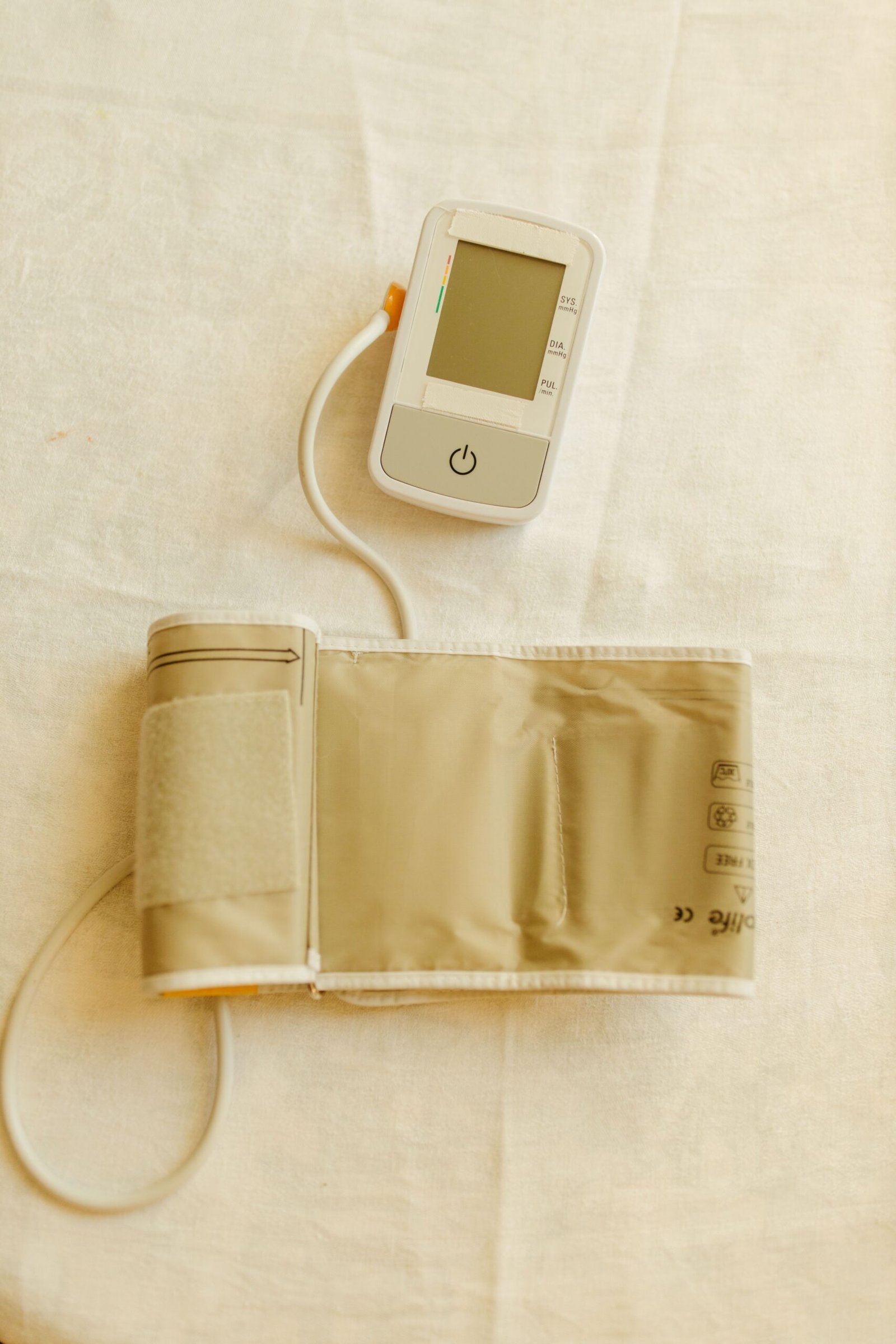
Nutrients That Support Healthy Blood Pressure and Their Benefits
|
Nutrients |
Benefits |
|
Iron |
Supports Healthy Blood Production |
|
Vitamin B12 |
Supports Nerve and Blood Health |
|
Folate |
Helps Red Blood Cell Formation |
|
Potassium |
Supports Heart Function |
|
Magnesium |
Supports Muscle and Nerve Function |
Common Causes of Low Blood Pressure
- Dehydration
Insufficient fluid intake can reduce blood volume and lower blood pressure.
- Nutritional Deficiencies
Low levels of certain nutrients may contribute to hypotension.
- Heart Conditions
Certain heart-related issues can affect blood circulation.
- Endocrine Disorders
Hormonal imbalances may influence blood pressure regulation.
- Blood Loss
Significant blood loss can cause a drop in blood pressure.
- Certain Medications
Some medications may cause low blood pressure as a side effect.
Symptoms of Low Blood Pressure
- Dizziness.
- Light-headedness.
- Fainting.
- Fatigue.
- Blurred vision.
- Nausea.
- Difficulty concentrating.
- Weakness.
Risk Factors
- Older age.
- Dehydration.
- Prolonged bed rest.
- Certain medical conditions.
- Nutritional deficiencies.
- Some medications.
When to Seek Medical Attention
Consult a healthcare professional if low blood pressure is accompanied by:
- Frequent fainting.
- Severe dizziness.
- Chest pain.
- Shortness of breath.
- Confusion.
- Persistent weakness.
Potential Complications
If severe and untreated, low blood pressure may lead to:
- Falls and injuries.
- Reduced blood flow to organs.
- Fatigue and reduced daily functioning.
Benefits of Proper Blood Pressure Management
- Improved circulation.
- Better energy levels.
- Enhanced daily functioning.
- Reduced risk of dizziness and falls.
- Support for overall cardiovascular health.
Prevention Tips
- Maintain proper hydration.
- Follow a nutritious diet.
- Monitor blood pressure regularly.
- Stay active.
- Attend routine health checkups.
Can Balanzing Help Improve Low Blood Pressure Naturally?
| Type | Benefits |
|---|---|
| Nutrition | Supports a balanced diet with nutrient-rich foods. |
| Energy | Helps maintain daily energy and vitality. |
| Hydration | Complements healthy hydration habits. |
| Wellness | Supports overall health and well-being. |
| Healthy Lifestyle | Encourages nutritious eating and active living. |
| Daily Support | Promotes long-term wellness when combined with healthy habits. |
Will Low Blood Pressure Keep Me From Getting Hired?
Not usually. Low blood pressure alone does not prevent employment unless it significantly affects your ability to perform the job safely.
Can I Lose a Job Offer Because of Low Blood Pressure?
In most cases, no. A job offer depends on the employer's medical requirements and whether your condition affects job performance.
How to Raise Blood Pressure Before a Job Physical?
Drink enough water, eat a balanced meal, avoid skipping breakfast, and follow your healthcare provider's advice before the examination.
Foods That Raise Blood Pressure Quickly?
Drinking water, eating slightly salty foods (if medically appropriate), and consuming electrolyte-rich foods may help raise blood pressure temporarily.
Do All Jobs Require Blood Pressure Screening?
No. Blood pressure screening is generally required only for certain jobs that involve medical fitness or safety requirements.
Salt and Blood Pressure: How Much Is Safe?
Salt intake should follow your healthcare provider's advice. People with low blood pressure may benefit from slightly more salt if recommended by a doctor.
Does Caffeine Raise Blood Pressure Enough to Matter?
Caffeine may temporarily increase blood pressure in some people, but its effects vary and should not be relied on as a long-term treatment for low blood pressure.

Disclaimer
The information provided on this website is collected and compiled from publicly available sources for general informational purposes only.
Leave a Reply Cancel reply
Comments
Table of Contents
Toggle
This article about low blood pressure was very informative and easy to understand. The tips on maintaining proper nutrition and a healthy lifestyle were really helpful. Balanzing’s nutrient-rich products are a great addition to support overall wellness and daily health.