
Healthy intake 😃 Balanzed living

Hormonal Weight Gain

Weight gain is often associated with diet and physical activity, but hormones also play a significant role in regulating metabolism, appetite, fat storage, and energy levels. When hormones become imbalanced, the body may gain weight more easily or struggle to lose excess weight despite healthy lifestyle efforts.

Introduction

Hormonal weight gain refers to an increase in body weight that is influenced by changes or imbalances in hormones. These hormonal changes can affect metabolism, hunger signals, fat distribution, and the body's ability to utilize energy efficiently. Understanding hormonal weight gain can help individuals identify potential causes and adopt appropriate strategies to support overall health and weight management. This guide shows how hormones affect body weight.

Hormonal Weight Gain

Essential Nutrients for Hormonal Health and Their Benefits

Nutrients

Benefits

Protein

Supports Metabolism

Fibr

Supports Blood Sugar Balance

Magnesium

Supports Stress Management

Vitamin D

Supports Hormone Regulation

Zinc

Supports Endocrine Health

How Hormones Affect Body Weight?

Hormones help regulate:

  • Appetite and hunger.
  • Metabolism.
  • Blood sugar levels.
  • Fat storage.
  • Muscle growth.
  • Energy balance.

When hormone levels become disrupted, weight management can become more challenging.

Common Hormonal Causes of Weight Gain

  • Thyroid Hormone Imbalance

An underactive thyroid may slow metabolism and contribute to weight gain.

  • Insulin Resistance

Reduced insulin sensitivity can affect blood sugar control and fat storage.

  • Cortisol Imbalance

Chronic stress can increase cortisol levels, which may contribute to weight gain, especially around the abdomen.

  • Estrogen Changes

Fluctuations in estrogen levels can influence body fat distribution.

  • Polycystic Ovary Syndrome (PCOS)

PCOS is often associated with hormonal imbalances and weight gain.

  • Menopause

Hormonal changes during menopause may affect metabolism and body composition.

Common Signs of Hormonal Weight Gain

  • Unexplained weight gain.
  • Difficulty losing weight.
  • Increased abdominal fat.
  • Fatigue.
  • Mood changes.
  • Sleep disturbances.
  • Increased cravings.
  • Changes in menstrual cycles.

Risk Factors

  • Sedentary lifestyle.
  • Chronic stress.
  • Poor sleep quality.
  • Family history of hormonal disorders.
  • Unhealthy eating habits.
  • Certain medical conditions.

Potential Health Concerns

If hormonal imbalances remain unmanaged, they may contribute to:

    • Obesity.
    • Type 2 diabetes.
    • Heart disease.
    • Metabolic syndrome.
    • Reduced quality of life.

Benefits of Hormonal Balance

  • Better weight management.
  • Improved energy levels.
  • Enhanced mood and well-being.
  • Better metabolic health.
  • Improved overall health.

Prevention Strategies

  • Maintain a healthy lifestyle.
  • Monitor hormonal health regularly.
  • Follow balanced nutrition practices.
  • Stay physically active.
  • Manage stress effectively.
  • Attend routine health checkups.

Can Lifestyle Changes Help Manage Hormonal Weight Gain?

Lifestyle FactorBenefit
Healthy DietSupports balanced hormones and weight management.
Regular ExerciseBoosts metabolism and burns excess calories.
Quality SleepHelps regulate hormones linked to appetite.
Stress ManagementSupports healthy cortisol levels.
HydrationPromotes overall metabolic health.
Routine Check-upsHelps identify underlying hormonal issues early.

Why Can't I Lose Weight Even Though I Eat Healthy?

Healthy eating is important, but factors such as hormone imbalance, stress, poor sleep, lack of exercise, or certain medical conditions can also affect weight loss.

How Do I Know If My Weight Gain Is Hormonal?

Hormonal weight gain may be accompanied by fatigue, mood changes, irregular periods, hair loss, or weight gain that occurs despite healthy lifestyle habits. A healthcare professional can help identify the cause.

Can Hormonal Imbalance Cause Sudden Weight Gain?

Yes. Changes in hormones such as thyroid hormones, cortisol, insulin, or reproductive hormones can contribute to sudden or unexplained weight gain.

Is My Perimenopause Causing My Weight Gain?

Perimenopause can slow metabolism and change fat distribution, making it easier to gain weight, especially around the abdomen.

Why Am I Gaining Weight Around My Belly and Hips?

Hormonal changes, aging, stress, poor diet, and reduced physical activity can contribute to fat accumulation around the belly and hips.

Does PCOS Really Cause Weight Gain or Is It Just Excuses?

Yes. PCOS can contribute to weight gain due to hormone imbalance and insulin resistance, making weight management more challenging for some women.

Do I Need Hormone Replacement to Lose Weight?

Not always. Many people improve weight management through healthy eating, regular exercise, quality sleep, and medical guidance. Hormone therapy is only recommended when appropriate by a healthcare professional.
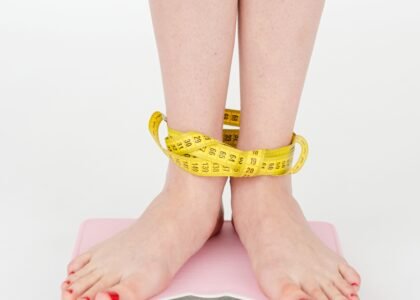

Hormonal Weight Gain Causes of Hormonal Weight Gain Symptoms of Hormonal Weight Gain Hormonal Weight Gain Treatment How to Reduce Hormonal Weight Gain Hormonal Weight Gain Causes of Hormonal Weight Gain Symptoms of Hormonal Weight Gain Hormonal Weight Gain Treatment How to Reduce Hormonal Weight Gain# Hormonal Weight GainHormonal weight gain refers to weight gain caused by changes in your hormones rather than just eating too much or exercising too little. Hormones are critical for maintaining a healthy weight in your body, but slight changes in levels can cause you to utilize more energy. Hormonal changes can make weight management more difficult for many people. Understanding why you might gain weight due to hormones and adopting healthier habits can lead to a longer and healthier life.What Is Hormonal Weight Gain?Hormonal weight gain happens when an alteration or imbalance of a hormone is responsible for your weight gain instead of your intake and expenditure of calories. Hormones such as estrogen, insulin, cortisol, thyroid hormones, testosterone, and progesterone work to keep you at a stable weight by managing your metabolism, hunger, and how fat is distributed in your body. Hormonal imbalances can result in your body holding onto more fat and utilizing less calories. Natural changes occur in women as they get older, become pregnant, or reach menopause.Causes of Hormonal Weight GainThere are several Causes of Hormonal Weight Gain:* Thyroid disorders* Insulin resistance* Polycystic ovary syndrome (PCOS)* Menopause or perimenopause* Chronic stress* Lack of sleep* MedicationsConditions like these can cause your body's metabolism to falter, and managing weight can become quite difficult.Symptoms of Hormonal Weight GainThe Symptoms of Hormonal Weight Gain can vary widely, depending on the hormone or hormones that are not in sync. Generally, however, these symptoms include:* Accumulation of weight around the belly. * Feeling tired or lacking energy. * Being unable to lose weight, regardless of diet or exercise. * Having increased cravings. * Mood swings. * Irregular menstrual periods. * Thinning or dry skin and hair.Anyone that notices some of these symptoms may wish to get in touch with their doctor for help.Hormonal Weight Gain TreatmentYour Hormonal Weight Gain Treatment plan will vary greatly from person to person. Medical professionals will usually advise their patients on changes in their lifestyle, medication or the treatment of particular endocrine conditions. The most significant factor to achieving your goal weight is treating the source of the imbalance. Medical professionals may suggest modifying the way that you eat, engaging in exercise, reducing stress and getting enough sleep.How to Reduce Hormonal Weight GainMany people find that it is possible to Reduce Hormonal Weight Gain naturally by living a healthier lifestyle. An appropriate diet will contain all of the foods from which the body can draw the nourishment it needs for all of the functions of the body including proper hormone production and release. Regular physical activity such as cardiovascular exercise and weight training will help maintain muscle mass and boost metabolism. Eliminating stress and ensuring adequate rest time will aid in balancing your hormones and may prevent abdominal fat.Lifestyle Tips for Better Hormone HealthLiving a healthier lifestyle can help balance your hormones and the rest of your body for better health.* Eat nutritious meals. * Stay physically active. * Get plenty of rest. * Drink lots of water. * Manage stress levels. * Visit your doctor for regular checkups.Making small changes in your lifestyle often provides benefits that are long-lasting and that improve your overall well-being.How Balanzing Supports Healthy LivingThe Balanzing brand offers a range of nutrient-dense food items that are designed to assist those who have adopted a healthy lifestyle. When complemented with a proper diet and a physician's guidance, the Balanzing food items will be an ideal addition to help provide essential nutrients daily. Hormone weight gain is a condition that affects many, no matter how old or young. Understanding the Causes of Hormonal Weight Gain, the Symptoms of Hormonal Weight Gain, the Hormonal Weight Gain Treatment that will be most effective, and How to Reduce Hormonal Weight Gain will assist you on your path to better health.Unveiling the Mystery Behind Hormone-Influenced Weight ChangesEven the most disciplined individuals dedicated to healthy eating and regular physical activity may find themselves bewildered by unexplained shifts in body weight. More often than not, hormones play a crucial role in this phenomenon. As chemical messengers that regulate processes such as metabolism, appetite, energy utilization, sleep patterns, mood, and the body’s fat storage, a hormonal imbalance can render healthy weight management a far more formidable task than anticipated.Hormonal weight changes are rarely attributed solely to overconsumption or lack of movement; they tend to develop incrementally and can coexist with other physical or psychological indicators. Recognizing these signals promptly can empower individuals to seek proper medical advice and embrace lifestyle modifications that nurture holistic health.Various life stages naturally involve fluctuations in hormone levels, including puberty, pregnancy, perimenopause, and the natural aging process, all of which can impact body composition. Furthermore, underlying medical conditions, certain medications, prolonged stress, and inadequate sleep can disrupt the body's endocrine equilibrium. This can result in increased fat accumulation, reduced energy, or difficulty maintaining previously established weight parameters.A common tell-tale sign of hormone-driven weight changes is the gain of abdominal fat. Other areas that might experience accumulation include the hips and thighs. These changes may be accompanied by an array of symptoms, such as persistent fatigue, erratic moods, decreased concentration, intense food cravings, disturbed sleep cycles, and irregularities in menstrual flow. Although these symptoms do not always point towards hormonal imbalance, prolonged presence should prompt a medical evaluation.Maintaining a balanced diet remains a foundational strategy for supporting the body's natural hormonal balance. Incorporating a variety of vegetables, fruits, whole grains, lean proteins, and healthy fats provides the necessary nutrients to support metabolic functions. Heavily processed foods, sugar-laden beverages, and excessive amounts of refined carbohydrates may disrupt energy levels, making healthy weight maintenance more challenging.Physical activity is equally essential. Regular exercise enhances metabolism, preserves muscle mass, boosts energy, and contributes to overall well-being. Activities such as walking, cycling, swimming, yoga, and strength training are all excellent choices. Consistency, rather than extreme intensity, is paramount for long-term benefits.Sleep, an often-neglected factor, plays a vital role in regulating hormones that govern appetite and satiety. Lack of quality sleep can intensify food cravings and diminish motivation to engage in physical activity. Adults generally benefit from seven to nine hours of quality sleep each night.Stress management is also instrumental. Chronic stress can trigger the release of hormones that promote fat storage and increase appetite. Incorporating stress-reducing techniques like meditation, deep breathing, spending time outdoors, reading, or engaging in hobbies can help mitigate its impact and foster emotional equilibrium.Proper hydration is crucial as well. Adequate water intake aids in digestion, circulation, and numerous other bodily functions. Thirst can even be mistaken for hunger, leading to unnecessary snacking throughout the day.It’s important to remember that each individual’s body is unique, and progress can differ. Comparing oneself to others is often discouraging, as factors like age, genetics, medical history, and lifestyle all influence body weight. Focusing on incremental improvements to lifestyle habits rather than swift results is a more sustainable approach.If unexplained weight changes persist despite maintaining healthy lifestyle practices, seeking medical advice is recommended. This may help diagnose and treat underlying medical conditions, ultimately paving the way for improved health and well-being.Balanzing empowers individuals to lead a healthier life by offering nutrient-dense food products that complement a balanced diet and active lifestyle. By combining nutritious meals, regular exercise, adequate sleep, effective stress management, and professional medical guidance, one can effectively cultivate long-term well-being and maintain a healthy body weight throughout every stage of life. Why Hormones Impact Weight Maintenance A well-balanced body weight depends on a variety of influences that include not only nutrition, sleep and physical activity, but also genetics, hormones and the amount of stress you have in your life. As the body’s messengers, hormones carry information throughout the body, regulating vital functions such as metabolism, appetite and fat storage. When hormone levels are imbalanced, the body may struggle to manage its weight by increasing fat storage, reducing its metabolism and making the person feel more hungry.There are various life stages and events that can bring on changes in weight based on a shift in hormone levels, including puberty, pregnancy, aging and menopause.Additionally, prolonged periods of stress, not getting enough sleep, medical conditions, and even medications can cause your hormones to change, ultimately leading to fluctuations in body weight, even with a healthy diet and exercise plan. Other potential signs of hormone imbalance leading to weight change include lack of energy, low energy levels, fatigue, mood swings, cravings and changes to the way the body’s fat is distributed. While other conditions can cause similar symptoms, it’s best to consult your doctor if they continue for a longer duration. Proper nutrition supports your body’s well-being by ensuring it has the vital vitamins and minerals it needs to function.By incorporating foods rich in fruits and vegetables, whole grains, lean proteins, and healthy fats into your diet, you give your body what it needs for a better, more balanced metabolism.Avoiding highly processed food and sugary drinks may also promote overall wellness. You should prioritize 30 to 60 minutes of daily exercise like cycling, swimming, walking or strength training that gets you moving. Most importantly, focus on making these activities part of a consistent, long-term commitment that improves physical health.According to sleep and health professionals, most adults need seven to nine hours of good sleep quality per night, which is critical for the proper functioning of weight regulating hormones. It can help boost and manage metabolism, along with improving energy and curbing cravings. Incorporate relaxing activities into your routine, like practicing deep breathing exercises, reading a book, spending time in nature or meditating.Staying hydrated by drinking 8 to 10 glasses of water a day is key.You can add some fresh fruit or herbs into your water to give it flavor. The food products by Balanzing complement a balanced diet and help to increase nutrient intake and promote healthier metabolic processes. Maintaining a healthy diet, a consistent exercise regimen, quality sleep, and a well-balanced approach to your physical health can work together to support the body's metabolic balance, aiding you in achieving and maintaining optimal wellness. # Hormonal Weight GainThe body's hormones regulate essential bodily functions including metabolism, appetite, energy, and fat accumulation. An imbalance in hormone levels can impact body weight and makes it difficult to live healthily. The hormone changes might happen during one's life stages or due to medical conditions.Understanding hormonal imbalances is crucial for managing weight healthily.Weight gained due to hormonal changes is different from that attributed to overeating or a lack of physical activity. It's common for individuals, despite a balanced diet and physical routine, to keep gaining or struggling to shed weight because hormones directly influence body fat, energy, and hunger. Several factors can cause hormone imbalance, such as aging, pregnancy, menopause, thyroid problems, PCOS, chronic stress, poor sleep, and certain medications. These factors may lead to slow metabolism or promote the easy storage of body fat.Individuals experiencing hormone-induced weight gain may have other symptoms like low energy, mood shifts, an increased appetite, difficulty sleeping, or changes in body fat storage distribution. Hormones and weight management Hormones are key to controlling metabolism, appetite and how we store fat, which is why if hormone levels are off kilter it can be difficult to stay at a healthy weight, even with a healthy diet and regular exercise. To support your general well-being lifestyle choices like having a healthy balanced diet, getting enough physical activity every day, sleeping well, staying hydrated, and managing stress can have a great positive impact. Here at Balanzing, we provide nourishing food products designed to fit with a healthy lifestyle. Supported with the same consistent habits and the advice of healthcare professionals you can enjoy life and be a happier healthier you.These symptoms can also overlap with other conditions; therefore, professional diagnosis and advice are necessary. The most beneficial method for supporting normal hormone function is adopting healthy nutrition. Incorporate an abundance of vegetables, fruits, lean protein, legumes, whole grains, and healthy fats to obtain vital nutrients that facilitate overall well-being.Reduce sugar consumption, processed snacks, and processed foods to manage metabolism and boost your energy levels. Engaging in regular physical activity is equally important. Physical activity strengthens your muscle mass, boosts your metabolism, and improves physical condition.Cycling, swimming, yoga, strength training, and walking are good examples of physical activities that help maintain overall physical fitness.Aim for consistency rather than intensity, and even regular moderate activity can bring long-term advantages. Quality sleep is vital for your hormone balance. Most adults require between 7 and 9 hours of sleep per night. Stress can be managed with meditation, deep breathing, and hobbies; sustained stress can alter the hormones that regulate appetite and fat storage.A healthy lifestyle necessitates consistency and perseverance.Daily small progress can achieve better results compared to rapid, strict diets or other shortcuts. Regularly checkups will help you identify any medical issues that might require treatment. Balanzing offers nutrient-rich foods that supplement a balanced lifestyle and diet.When combined with sufficient sleep, good daily routines, a healthy diet, and regular exercise, Balanzing products can help support your lifestyle for the long haul. Conclusion Changes in hormones might affect the body's weight, but that doesn't mean it is not possible to have a healthy lifestyle. By having adequate nutrition, regular physical activities, quality sleep, proper stress management, and timely medical checks, you can achieve a balanced hormone system and overall better health.Consistent efforts, coupled with nutrient-rich products from Balanzing, will result in a sustained and healthy lifestyle.

Disclaimer

The information provided on this website is collected and compiled from publicly available sources for general informational purposes only.

Leave a Reply

Your email address will not be published. Required fields are marked *

Comments

  1. I really enjoy reading Balanzing’s health articles. The tips are practical, easy to understand, and useful for everyday life. Balanzing not only offers quality health products but also shares valuable wellness information that encourages healthier lifestyle choices. Their content is always informative and worth following!

Table of Contents