
Healthy intake 😃 Balanzed living

Chronic Stress

Stress is a natural response to life's challenges, but when it becomes constant and long-lasting, it can negatively affect both physical and mental health. Chronic stress affects our daily lives very badly.

Introduction

Chronic stress is persistent stress that continues for weeks, months, or even years. Unlike short-term stress, which helps the body respond to immediate challenges, chronic stress keeps the body's stress response activated for extended periods. Chronic stress occurs when the body remains in a prolonged state of tension, making it difficult to recover from everyday pressures. Over time, chronic stress can impact the heart, immune system, sleep, digestion, and emotional well-being. Understanding its causes and learning healthy coping strategies can help improve overall quality of life. This guide shows the negative effects of chronic stress.
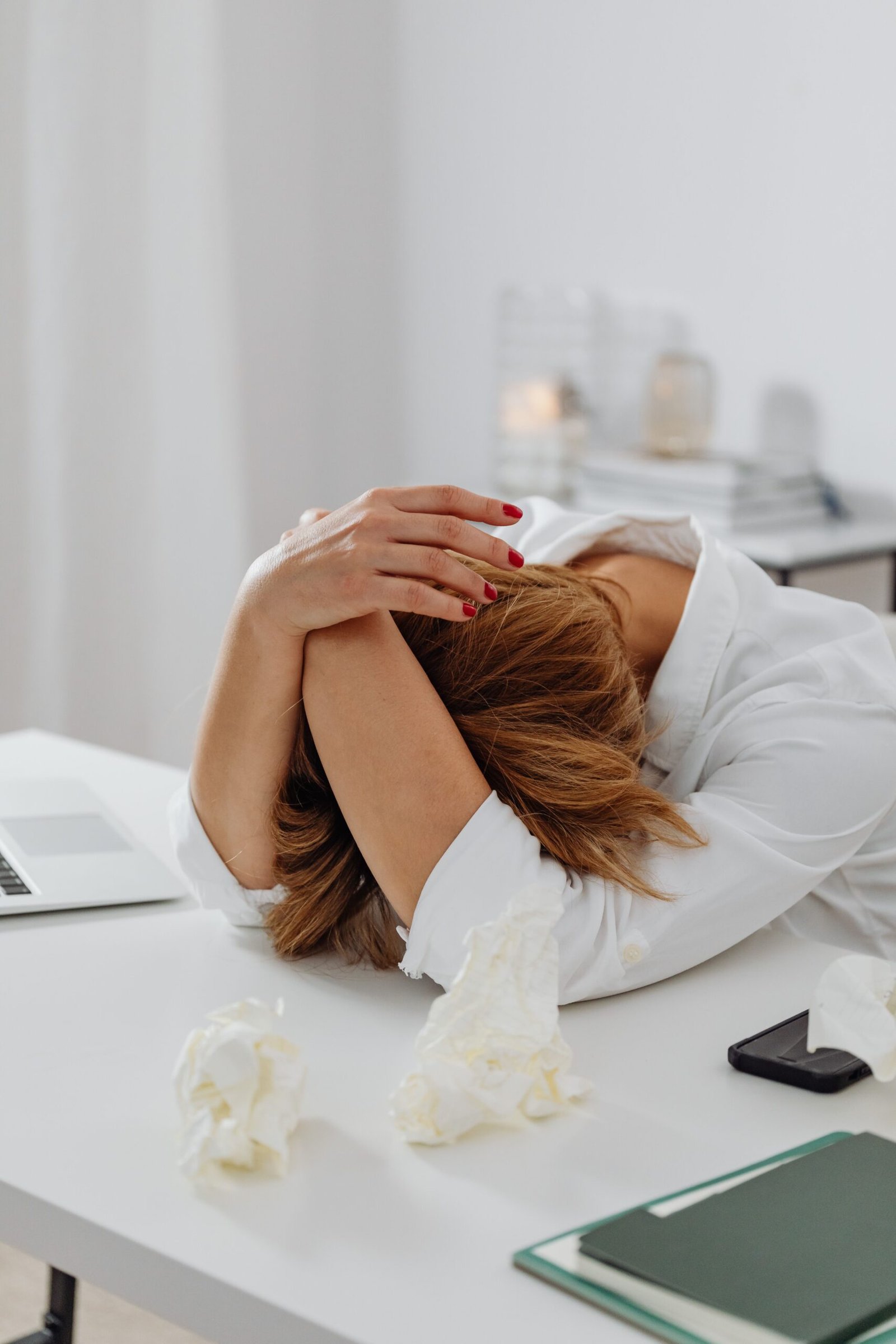
Chronic Stress

Essential Nutrients that Support Stress Management and Their Benefits


Nutrients

Benefits

Magnesium

Supports Muscle and Nerve Function

Omega-3 Fatty Acids

Supports Brain Health

Vitamin C

Supports Immune Health

Protein

Supports Overall Body Function

Vitamin B Complex

Supports Energy and Brain Function


Common Causes of Chronic Stress

    • Work-Related Pressure

    Heavy workloads, job insecurity, and long working hours.

    • Financial Problems

    Ongoing financial difficulties and debt.

    • Family or Relationship Issues

    Conflicts, caregiving responsibilities, or personal challenges.

    • Chronic Illness

    Living with long-term health conditions.

    • Major Life Changes

    Loss of a loved one, divorce, or relocation.

    • Poor Work-Life Balance

    Lack of time for relaxation and self-care.

Symptoms of Chronic Stress

  • Constant fatigue.
  • Headaches.
  • Muscle tension.
  • Difficulty sleeping.
  • Anxiety or excessive worry.
  • Irritability.
  • Difficulty concentrating.
  • Changes in appetite.
  • Digestive problems.

Health Effects of Chronic Stress

Long-term stress may contribute to:

  • High blood pressure.
  • Heart disease.
  • Weakened immune system.
  • Digestive disorders.
  • Anxiety disorders.
  • Depression.
  • Weight changes.
  • Sleep disorders.

Foods That May Help During Stress

1.Magnesium-Rich Foods

  • Spinach.
  • Almonds.
  • Pumpkin seeds.

2.Omega-3 Sources

  • Salmon.
  • Sardines.
  • Flaxseeds.

3.Vitamin C-Rich Foods

  • Oranges.
  • Guava.
  • Kiwi.
  • Bell peppers.

4.Whole Grains

Support steady energy throughout the day.

Healthy Ways to Manage Chronic Stress

    • Regular Exercise

    Physical activity helps improve mood and reduce stress.

    • Practice Relaxation Techniques

    Meditation, deep breathing, and yoga can promote relaxation.

    • Get Quality Sleep

    Aim for 7–9 hours of sleep each night.

    • Eat a Balanced Diet

    Choose nutrient-rich foods to support overall health.

    • Stay Connected

    Maintain supportive relationships with family and friends.

    • Seek Professional Support

    Consult a healthcare professional if stress becomes overwhelming or persistent.


Benefits of Managing Stress

  • Improved mental well-being.
  • Better sleep quality.
  • Increased energy levels.
  • Stronger immune function.
  • Better heart health.
  • Improved focus and productivity.

Can Healthy Habits Help Reduce Chronic Stress?

HabitHow It Helps
Regular ExerciseImproves mood and reduces stress hormones.
Healthy DietSupports energy and overall mental well-being.
Quality SleepHelps the body recover from daily stress.
Stress ManagementRelaxation techniques promote emotional balance.
Time ManagementReduces work pressure and improves productivity.
Social SupportTalking with family or friends eases emotional stress.

Why Does My High-Paying Job Feel Like It's Destroying My Health?

Long working hours, constant pressure, and poor work-life balance can contribute to chronic stress, affecting both physical and mental health.

How Long Does It Really Take to Recover From Chronic Work Stress?

Recovery varies from person to person. With proper rest, stress management, healthy habits, and professional support when needed, many people gradually improve over weeks or months.

Can Chronic Stress Permanently Change Your Personality?

Chronic stress can temporarily affect mood, behavior, and emotional responses. With effective stress management and recovery, these changes often improve.

Should I Quit My Job If It's Causing Chronic Stress?

Not necessarily. Consider discussing workload concerns, improving work-life balance, or seeking professional advice before making a major career decision.

What's the 3-3-3 Rule for Managing Stress?

The 3-3-3 rule involves identifying 3 things you can see, 3 sounds you can hear, and moving 3 parts of your body to help reduce anxiety and refocus your attention.

Is It Normal to Have Anxiety About Going to Work Every Day?

Occasional work-related stress is common, but daily anxiety that affects your well-being may indicate excessive stress or burnout and should be addressed.

Does Blocking Out No-Meeting Time Actually Help With Stress?

Yes. Scheduling uninterrupted work time can improve focus, reduce mental overload, and create a healthier work routine, helping to lower stress levels.

# Chronic StressChronic Stress is a prolonged period of mental and physical tension that arises when the body stays in a constant "high gear" mode for several weeks or months. Unlike the temporary pressure of short-term stress, which might boost performance for short bursts of activity, chronic stress has been found to be detrimental to mental and physical well-being. Untreated, it can lead to insomnia, anxiety, heart disease, a weaker immune system and several other issues.Identifying the causes, knowing the early warning signals and making conscious effort towards adopting some simple yet effective stress-relieving strategies can help boost overall health.What Is Chronic Stress?Stress is our natural way of reacting to a demanding situation, challenge, or problem. Chronic stress is different-it occurs when the body is in a persistent "fight or flight" mode without having sufficient time to return to its normal state. Over time, prolonged chronic stress can significantly alter the level of hormones and other substances in the body and interfere with the functioning of several important organs.High blood pressure, family responsibility, major life changes, financial problems and workplace pressures are major contributors to long-term stress.Signs of Chronic StressIt is beneficial to know the Signs of Chronic Stress early so that you can do something before they contribute to severe medical problems:* Fatigue on a regular basis* Disruption in sleep* Headaches more often than usual* Muscle aches and pains* Inability to concentrate* Irritability, mood swings and increased sadness* Increased worry and anxiety* Problems with digestionYou might also experience weight fluctuations and poor appetite as well as frequent illness.Effects of Chronic StressThe Effects of Chronic Stress impact all areas of your life, especially your physical and mental health. It can lead to high blood pressure, heart disease, diabetes, digestion problems, a weaker immune system, depression, etc. A person experiencing chronic stress may lose productive hours from work and will likely face many challenges in relationships as well.Lack of memory, difficulty in focus and emotional exhaustion are all likely in both adults and children.Long-Term Stress ManagementLong-Term Stress Management involves making a sustained effort toward improving your daily habits and reducing your body's overall stress response. The key to managing long-term stress is establishing a balanced lifestyle which involves adequate amount of work, rest, physical activity and 'me' time.Making time for activities you enjoy, time management, achieving realistic goals and building relationships with your loved ones also improve your emotional well-being. Speaking to a health professional or a counselor can also greatly help.Natural Ways to Reduce Chronic StressThere are a variety of Natural Ways to Reduce Chronic Stress that you can integrate into your daily life to improve both your mental and physical health.Moderate physical activity can release natural endorphins that elevate mood. Walking, cycling, swimming, yoga and stretching all effectively combat physical tension. Consuming a healthy diet of fruits, vegetables, lean proteins and healthy fats not only contributes to a stronger mind but also a healthier body.A minimum of seven to nine hours of quality sleep will allow the body to repair itself. Relaxation activities like meditation, deep breathing exercises, spending time in nature, mindfulness practices, or even listening to soothing music can reduce the body's stress response.Maintaining positive relationships with family and friends will provide essential emotional support during stressful times. Staying offline for short periods and pursuing interests can improve your overall state.Healthy Lifestyle TipsEven a few minor daily adjustments to your daily routine can make a substantial difference in how effectively you manage your stress levels:* Make exercise a daily priority. * Eat nutritious food regularly. * Drink enough water. * Practice relaxation techniques routinely. * Follow a consistent sleeping routine. * Seek professional help when you feel you need it.Consistent small changes often lead to better health in the long run.How Balanzing Supports Healthy LivingBalanzing has a range of nutritious food products which are complementary to the well-balanced diet and healthy lifestyle choices that help one live well. Balanzing's healthy and delicious products are made to offer nutrients required for overall well-being, which can be combined with a good amount of exercise, ample sleep and healthy daily habits for an enhanced physical and mental state.Chronic Stress can interfere with daily living, but with careful management and proactive measures, it can be significantly reduced. By recognizing the Effects of Chronic Stress and Signs of Chronic Stress, incorporating Long-Term Stress Management practices and utilizing Natural Ways to Reduce Chronic Stress, you can drastically improve your overall health and quality of life. Combined with dedicated self-care and a healthy diet from Balanzing, you can cultivate better habits to handle the pressures of life effectively.# Chronic StressChronic Stress happens when you're exposed to physically and emotionally stressful circumstances or pressure over an extended period. While short term stress could aid you adapt, excessive exposure may damage your physical as well as emotional wellness. If left uncontrolled, it can result in serious health problems, reduced productivity and also overall living quality. Understanding the triggers, symptoms, and also how to handle it is key for long term well being.What is chronic stress?Stress is your body's reaction to an irritating or harmful condition, injury or thought. Normally, the body would certainly return to its typical state once the challenging scenario disappears. Nonetheless, when those circumstances linger for weeks and months without proper healing, your body enters an extended alert status. Such prolonged stress could disrupt hormone levels, sleep, the immune system as well as metabolic rate.Some regular factors include an extreme task, financial worry, family members obligations, marital dispute, health issues and major adjustments in your life.Signs and symptoms of chronic stressIdentifying Chronic Stress Signs in its early phases is important to stop developing further illness in your body. These symptoms typically occur step-by-step as well as can vary from individual to person.Some common indicators of persistent stress include:* Constant fatigue* Trouble sleeping* Regular headaches* Muscle stress* Inability to concentrate* Moodiness* Anxiety* Irritability* Digestion system discomfort* Low driveIf you experience some of the signs over, it is advisable to talk to a medical professional as these could additionally indicate various other medical conditions.The effects of chronic stressThe Effects of Chronic Stress expand further than the mind and also feelings. Long-term anxiety raises the risk for high blood pressure, heart disease, diabetes, weight problems, gastrointestinal conditions, anxiety, as well as decreased immune features. It could likewise harm memory, judgment as well as individual connections.It can impact efficiency as it lowers concentration and also creative thinking.Most people who have long term stress mention emotional as well as physical tiredness.Long-term stress administrationThe secret to Long-term Stress Management lies in developing healthier everyday behaviors that help your body unwind and also recoup from ongoing stress. Having an ordinary routine, stabilizing work and also private life, setting realistic targets, and also taking common breaks can minimize the tension you feel. Prioritizing essential jobs over doing every little thing immediately can boost your psychological well-being. Seeking support from loved ones, friends or a therapist can be helpful in overcoming chronic stress.Natural remedies to ease chronic stressThere are numerous Natural Remedies to Reduce Chronic Stress to boost both physical as well as psychological well being. Regular exercise is among the most reliable stress reduction method. It aids in releasing endorphins to enhance the mood naturally.You can try strolling, swimming, cycling, yoga, or resistance training to fight anxiety.Consuming a balanced diet rich in veggies, fruits, whole grains, healthy fats, and also lean proteins supports optimal mind health and also energy. Ensure to drink enough water and also minimize the intake of high levels of caffeine or sugar. Obtaining seven to 9 hours of sleep each night is essential for your body’s recuperation. Relaxing methods like meditation, deep breathing workouts, mindfulness, reading or going outside also help reduce stress.Healthy Lifestyle HabitsMaintain healthy and balanced everyday habits, consisting of:* Continue to be physically energetic* consume nutritious foods* Stay Hydrated* Sleep consistently* Get in touch with people * Take regular breaks from work* practice mindful activities*Set clear goalsHow Balanzing Supports Healthy LivingBalanzing’s nutrient-rich food items enhance healthy living by complementing a healthy diet and a balanced lifestyle. Balanzing aids to support holistic wellness along with appropriate exercise, adequate nourishment, sufficient sleep, as well as normal everyday practices that help to maintain far better health.Chronic stress could affect all parts of your life, but with the best strategy and techniques, you can handle it. Recognizing the effects of chronic stress, understanding the signs and symptoms of chronic stress, creating long-term stress management strategies, and following natural remedies to ease chronic stress can lead to improved health and overall well-being. By incorporating healthy lifestyle habits and Balanzing into your routine, you can enjoy a healthier and more balanced life. # How To Deal with Long-Term Stress And It's Affect On HealthStress is a normal occurrence of everyday life and provides you with the ability to deal with unexpected events or demands of your work life and other obligations. Short term stresses are easily coped with however long-term stresses can make the body feel constantly at tension, resulting in fatigue, poor functioning of certain body parts and the potential for a greater incidence of illness in the long-term.The body’s stress response was developed to help people cope when they were under pressure during times of stress or during emergencies. Hormones prepare you body’s heart and breathing functions and improve overall alertness so you can address a difficult situation head-on. Normally once a situation is no longer stressful the body goes back to normal. During long-term stress however, the body may never return to its normal state resulting in strain to the many bodily functions and organs.Long term stress is a response that may be experienced for a multitude of reasons. Among the most common causes include but not limited to work load, financial burdens, caring responsibilities for other people, a failed relationship or marriage, issues with personal health, a relationship, family members or a significant life change such as the death of a close relative or friend. All of the above reasons could arise at the one time, and for you to feel under even more pressure.Often not immediately apparent, the effects of this stress will at some point start to impact on everyday life. Some individuals may notice they have suffered with regular headaches, a muscleache, or problems with their digestive system. Other may not have noticed anything except for the constant awareness of the stress as well as poor sleeping, an inability to concentrate, irritability, or being tired all of the time. These conditions are just some of the examples of how stress can have an effect over time and on the performance of many day to day aspects of a person’s life.One of the earliest symptoms of long-term stress is that your mind can be affected. When you are worried about one or several situations for a long time, it is often very difficult to relax or to get anything enjoy your regular activities. Some people just feel that they lose interest and motivation, while others may feel irritable and become very frustrated even with minor tasks which they could normally perform easily.Your physical well-being is also at risk when you are under stress for long period of time. Many people turn to poor sleeping, irregular diet and low physical activity. Combining this with already stress-prone body can lead to other problems in long term, such as weight gain and the reduced capacity of immunity. Some people are more predisposed to increased levels of blood pressure and other issues.Fortunately, there are many effective ways to manage stress and reduce its harmful effects. A regular physical activity is still considered the most powerful weapon against stress. Going for a walk, run, a swim, cycling or doing Yoga can not only keep the body fit but also promote the release of natural chemicals and provide you with a good mood and release tension.Healthy eating can play an important role in overall well-being. Eating foods rich in fresh vegetables, fruit, whole grains, proteins and natural fats can help improve a person’s brain health and overall well-being. Plenty of water and avoiding processed foods will further support your body’s health.There are also things you can do in order to sleep better, a much needed component when dealing with stress. Aim for at least seven to eight hours of sleep a day, or even nine hours for young people and children. Consistent bedtimes and trying not to be on your electronic devices for an hour before bed may lead to a more comfortable sleep and better rest.Managing tasks for daily life can also be helpful in the long-run, because it can reduce the amount of stress and pressure on you. Setting goals for work and personal life will give you a clear sense of what must be accomplished and prevent overwhelming tasks. Prioritizing your work schedule and taking short breaks will assist you in your journey to reduced stress. Activities such as Yoga, meditation, a quick breathing exercise or just a leisurely walk in the fresh air will assist with maintaining well being.A strong relationship with others also contributes greatly to managing stress. By talking about your thoughts and worries with a partner, a family member or a close friend will be extremely beneficial. Alternatively, seek advice from a health care professional if your stress is severely interfering with your life and mental health.We encourage a healthy and fulfilling life, where Balanzing offers high-quality nutrient food products designed to complement your healthy balanced lifestyle and a wellness regimen. Combine with healthy eating, physical activity, good sleep hygiene and effective stress management to support optimum health and wellbeing.Living under chronic stress may have more of an impact on your life than you think. Stress can lead to both mental health issues and physical problems; it can have a major effect on your relationship, productivity and life enjoyment. Fortunately, understanding the effects of long-term stress, as well as the solutions available, can help. By adopting balanced eating, an adequate exercise routine, and stress-relief techniques that you personally enjoy, you will lead a happier and healthier life.

Disclaimer

The information provided on this website is collected and compiled from publicly available sources for general informational purposes only.

Leave a Reply

Your email address will not be published. Required fields are marked *

Comments

  1. Balanzing’s health articles are always informative and practical. Their stress management tips are easy to follow and have helped me make healthier daily choices. I appreciate how Balanzing combines useful wellness advice with quality health products to support a balanced lifestyle.

Table of Contents