Healthy intake 😃 Balanzed living

Dhara Therapy (Shirodhara / Pizhichil / Taila Dhara)

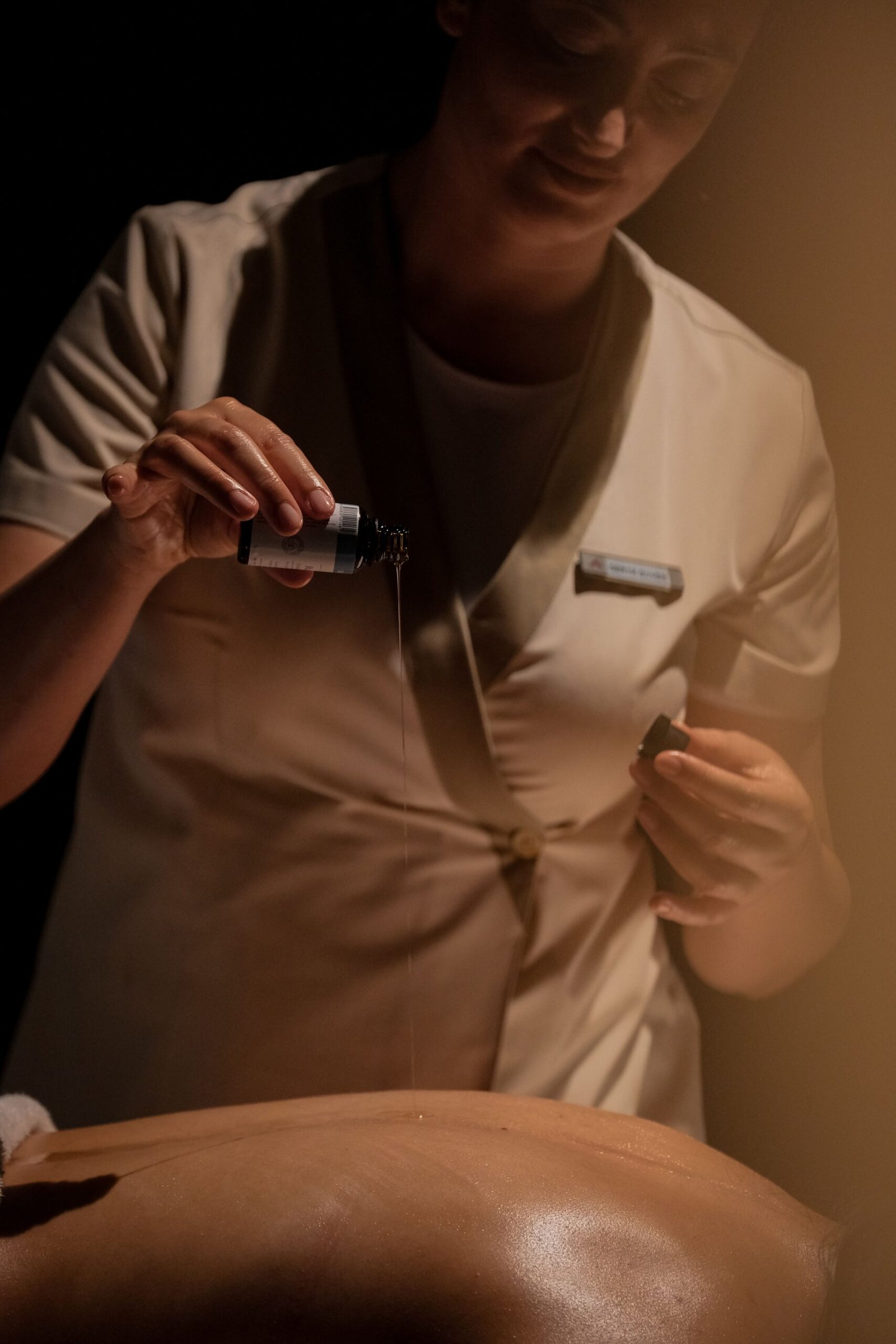
Dhara Therapy is a renowned Ayurvedic treatment that promotes physical, mental, and emotional well-being through the continuous pouring of medicated oils, herbal decoctions, or other therapeutic liquids over specific parts of the body.

Introduction

Dhara Therapy is a traditional Ayurvedic treatment in which a steady stream of warm medicated oil, herbal decoction, buttermilk, or other therapeutic liquids is poured continuously over the forehead or body for a specific period. The therapy aims to balance the body's doshas (Vata, Pitta, and Kapha), promote relaxation, and support natural healing. Popular therapies such as Shirodhara, Pizhichil, and Taila Dhara have been practiced for centuries to relieve stress, improve circulation, reduce pain, and restore the body's natural balance. This guide shows benefits of Dhara therapy.
Dhara Therapy

Nutritional Support During Ayurvedic Therapy and Their Benefits


Nutrients

Benefits

Protein

Tissue Repair

Healthy Fats

Supports Overall Wellness

Antioxidants

Cell Protection

Vitamin C

Immune Support

Magnesium

Muscle Relaxation


Types of Dhara Therapy

    • Shirodhara

    A continuous flow of warm medicated oil, buttermilk, or herbal liquids over the forehead. It is commonly used to promote mental relaxation and improve sleep quality.

    • Pizhichil

    A rejuvenating therapy in which warm medicated oil is poured over the entire body while gentle massage is performed. It helps nourish muscles and joints while improving circulation.

    • Taila Dhara

    A therapy involving the continuous pouring of warm medicated oil over specific areas of the body to relieve pain, stiffness, and muscular discomfort.

Benefits of Dhara Therapy

Regular Ayurvedic Dhara Therapy may help:

  • Promote deep relaxation.
  • Reduce stress and anxiety.
  • Improve sleep quality.
  • Support healthy blood circulation.
  • Relieve muscle and joint discomfort.
  • Enhance mental clarity.
  • Promote overall wellness.

Conditions That May Benefit

Dhara Therapy may be recommended as part of an individualized Ayurvedic treatment plan for:

  • Stress and anxiety.
  • Sleep disturbances.
  • Chronic fatigue.
  • Headaches.
  • Neck and shoulder stiffness.
  • Joint pain.
  • Muscular discomfort.
  • General body weakness.

Lifestyle Tips During Therapy

  • Stay Hydrated

Drink adequate water throughout the day.

  • Eat Fresh, Balanced Meals

Choose freshly prepared, nutritious foods.

  • Practice Yoga and Meditation

Gentle yoga and breathing exercises support relaxation.

  • Get Adequate Rest

Quality sleep enhances the benefits of therapy.

  • Follow Professional Advice

Always undergo therapy under the supervision of a qualified Ayurvedic practitioner.

Precautions

  • Consult a qualified Ayurvedic physician before starting therapy.
  • Inform your therapist about any medical conditions or medications.
  • Follow the recommended treatment duration.
  • Avoid self-administering Ayurvedic therapies without guidance.

Benefits of Regular Ayurvedic Therapy

  • Improved physical relaxation.
  • Better mental well-being.
  • Enhanced sleep quality.
  • Improved circulation.
  • Greater overall vitality.
  • Support for holistic health.

Who Can Benefit From Dhara Therapy?

ConditionPotential Benefit
Stress & AnxietyPromotes relaxation and mental calmness
Poor SleepSupports better sleep quality
HeadachesMay help ease tension-related discomfort
Mental FatigueRefreshes the mind and improves relaxation
Muscle StiffnessEncourages overall body relaxation
General WellnessSupports holistic health and well-being

Does Shirodhara Really Work?

Yes. Shirodhara is traditionally used in Ayurveda to promote relaxation, reduce stress, improve sleep, and calm the mind. Individual results may vary.

What Is Dhara Treatment in Ayurveda?

Dhara therapy is an Ayurvedic treatment in which warm herbal liquids or oils are poured continuously over specific parts of the body to promote relaxation and overall well-being.

Different Types of Dhara Therapy: Which One Is Right for Me?

The suitable type depends on your health condition and Ayurvedic assessment. A qualified practitioner can recommend the most appropriate therapy.

Shirodhara vs. Other Ayurvedic Treatments: What's the Difference?

Shirodhara focuses on gently pouring warm oil or herbal liquids over the forehead, while other Ayurvedic therapies may involve massage, steam, or full-body oil treatments for different wellness goals.

Who Should Avoid Shirodhara?

People with fever, scalp infections, open wounds, or certain medical conditions should avoid Shirodhara unless advised by a qualified healthcare or Ayurvedic practitioner.

Pizhichil vs. Dhara: Which Ayurvedic Oil Therapy Should I Choose?

Pizhichil combines warm oil pouring with body massage, while Dhara mainly involves the continuous flow of herbal liquids or oils. The choice depends on your individual needs and professional guidance.

How Does Shirodhara Help With Stress, Anxiety, and Sleep Problems?

Shirodhara promotes deep relaxation, which may help calm the mind, reduce stress, support better sleep quality, and improve overall mental well-being.
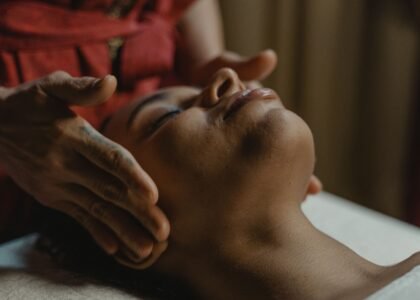
# Dhara TherapyDhara therapy, an age-old Ayurvedic therapy has gained popularity for relaxation, overall wellbeing, and to facilitate the body's innate healing properties. Ayurvedic treatment specialists consider this one of the most relaxing Ayurvedic remedies for it involves the continuous pour of warm herbal oils, other medicinal liquids, or therapeutic liquids over one or more body parts. Dhara therapy can relieve stress, enhance sleep quality and promote overall physical as well as mental wellness, depending on the type of Dhara therapy administered and the patient’s condition.What Is Dhara Therapy?Dhara therapy is a treatment modality performed according to Ayurvedic practices wherein a stream of warm, medicated liquid comprising various herbal oils, milk, butter milk, or herbal extracts is continuously poured over the forehead or other areas of the body over a specific duration. Ayurvedic practitioners perform the treatment after thoroughly analyzing the patient’s health and individual constitution.The treatment offers deep relaxation and brings body-mind balance, thereby, promoting holistic wellbeing.Types of Dhara TherapyDhara therapy is practised in Ayurveda in various ways depending on the benefits it offers.Shirodhara Therapy:This is a widely known type of Dhara Therapy wherein a stream of warm, herbal oil, buttermilk, milk or herbal extracts are poured onto the forehead to encourage rest and relaxation.Pizhichil Therapy: This is a therapy that involves the pour of warm medicated oil with gentle massage across the entire body to relieve tension and improve joint flexibility and circulation.Taila Dhara Treatment: In this particular type, medicated herbal oils are used according to the patient's individual need and health condition to nourish the body and give them a relaxed feeling.Benefits of Dhara Therapy# Dhara TherapyDhara Therapy is one of the most well-known treatments in Ayurveda, valued for its calming and rejuvenating effects. The therapy involves the continuous pouring of warm herbal oil or medicated liquids over specific parts of the body, particularly the forehead. This gentle and rhythmic process is designed to promote relaxation, support mental well-being, and encourage balance between the body and mind. Today, Dhara Therapy is widely offered in Ayurvedic wellness centers as part of a holistic approach to health.One of the most popular forms of this treatment is **Shirodhara Therapy**, where warm herbal oil is poured steadily onto the forehead. The soothing flow is believed to calm the nervous system and create a deep sense of relaxation. Many people choose this therapy to unwind from daily stress, improve sleep quality, and support emotional well-being.Another commonly practiced therapy is **Pizhichil Therapy**, which combines warm medicated oil with gentle massage over the entire body. This treatment is traditionally used to relax muscles, improve circulation, and support flexibility. It is often recommended as part of Ayurvedic wellness programs for people seeking full-body rejuvenation.**Taila Dhara Treatment** specifically uses medicated herbal oils selected according to an individual's needs. The oils are warmed to a comfortable temperature before being applied continuously during the session. The choice of oil depends on the recommendations of an experienced Ayurvedic practitioner.The procedure is usually carried out in a calm and peaceful environment. The individual lies comfortably while warm oil or herbal liquid is poured in a continuous stream for a set period. Sessions may vary in duration depending on the therapy plan and the practitioner's recommendations. The relaxing atmosphere helps create a soothing experience throughout the treatment.Dhara Therapy is commonly associated with several wellness benefits. Many people report feeling relaxed after a session and notice improvements in their overall sense of well-being. The therapy is traditionally used to promote relaxation, encourage better sleep, reduce mental fatigue, support healthy circulation, and help ease muscle tension. While experiences vary, many individuals include Dhara Therapy as part of their regular wellness routine.Although this therapy is generally considered safe when performed by trained professionals, it may not be suitable for everyone. Individuals with fever, open wounds, scalp infections, or certain medical conditions should consult a healthcare professional or qualified Ayurvedic practitioner before receiving treatment. A proper assessment helps ensure that the therapy is appropriate for the individual's health condition.Healthy lifestyle habits further enhance the benefits of Ayurvedic wellness practices. Eating nutritious meals, staying hydrated, exercising regularly, managing stress, and getting enough sleep all contribute to overall health. Combining these habits with traditional therapies creates a balanced approach to physical and mental well-being.Balanzing supports healthy living by offering nutrient-rich food products that complement a balanced diet and active lifestyle. Together with proper nutrition, healthy daily habits, and Ayurvedic wellness practices, Balanzing encourages long-term health and overall wellness.## ConclusionDhara Therapy continues to be one of Ayurveda's most valued wellness treatments because of its gentle and relaxing nature. Whether through Shirodhara, Pizhichil, or Taila Dhara, the therapy focuses on supporting overall well-being while promoting physical and mental relaxation. When performed by qualified practitioners and combined with a healthy lifestyle, Dhara Therapy can become a valuable part of a holistic wellness routine.# Dhara TherapyDhara Therapy is an ancient Ayurvedic treatment that’s been performed for centuries to help soothe and balance. The therapy consists of the steady stream of warm herbal oils or medicated fluids poured onto specific body parts, mostly the forehead. According to Ayurveda, this continuous flow of oil promotes body-mind harmony and relaxation. Today,Dhara Therapy is a treatment offered at various Ayurvedic centers worldwide.Perhaps the most well-known version of the therapy is the Shirodhara Therapy, in which warm herbal oil is poured on the forehead in a thin, constant stream. This therapy is traditionally known to induce a calming sensation in the mind, and many have experienced relief from insomnia. Many people opt for this to de-stress after long days at work or to simply promote mental calm.Another well-known therapeutic procedure of Ayurveda is the Pizhichil Therapy, which involves the massage of the entire body using warm herbal medicated oils. Pizhichil Therapy is widely performed to relax the muscles, improve blood circulation, and maintain a higher degree of body flexibility. Many programs of Ayurvedic treatment include Pizhichil Therapy.In Taila Dhara Treatment, carefully chosen special herbal oils are selected based on the bodyconstitution of the person and their wellness requirements. An Ayurvedic professional selects appropriate oil after careful observation and evaluation of a person’s wellness requirements. The person is allowed to lie on their back, on a massage bed while the warmed herbal oil or other medicated liquid is slowly and continuously poured over their forehead.The unique soothing combination of the rhythmic flowing oil, the pleasant warmth, the peaceful atmosphere, and the sound creates a deep relaxation experience.Depending on the nature of your body, a session of Dhara therapy may range from 30 minutes to an hour or longer.The benefits associated with Dhara Therapy generally include feelings of deep relaxation, refreshment, and clarity. It is traditionally used to help people fall asleep better, relax after a stressful schedule, achieve mental tranquility, enhance circulation, and ease muscular tension. However, experiences may vary from individual to individual.While generally safe for many, it’s important that Dhara Therapy be administered by a certified practitioner. People who have a high fever, any scalp infection, wounds on the head or body, or certain medical conditions should always consult with a healthcare professional or qualified Ayurvedic practitioner before undertaking treatment.Maintaining a healthy lifestyle can go a long way in enhancing the benefits of these Ayurvedic treatments. A balanced diet, regular physical exercise, sufficient sleep, adequate water consumption, and stress management practices all contribute to your overall well-being.Balanzing provides healthy food choices that support your healthy diet and active life, complement traditional wellness treatments like Dhara Therapy, and foster overall long-term well-being.Dhara Therapy remains one of the most respected relaxation techniques in Ayurveda. Whether through Shirodhara, Pizhichil, or Taila Dhara, it offers a holistic approach to achieving both physical peace and mental stillness when done correctly by trained practitioners as part of an overall healthy lifestyle.Here are a few ways to rephrase that text to sound more natural and human-like, while keeping the meaning intact:Option 1 (Slightly more casual):# Dhara TherapyYou might have heard of Dhara Therapy in Ayurveda-it's pretty famous for its relaxing and revitalizing qualities. It's an ancient practice where warm herbal oil or liquid is constantly poured over a particular part of your body, often your forehead. The idea is that this continuous, gentle flow will really calm you down, and it's a popular treatment in Ayurvedic spas for feeling better all around.The most common version is Shirodhara Therapy. Here, warm herbal oil is streamed onto your forehead. In Ayurveda, this is believed to soothe your mind and bring your emotions back into balance. A lot of people get this to chill out from their stressful lives.Then there's Pizhichil Therapy, another popular Ayurvedic therapy. It's a combination of constant warm medicated oil application and a gentle massage. People use it to loosen their muscles, boost their circulation, and make themselves feel more flexible. It's great if you want to feel completely refreshed from head to toe.For something more personalized, there's Taila Dhara Treatment. This method uses medicated herbal oils chosen specifically for you based on your body type and wellness goals, after you've spoken with a skilled Ayurvedic practitioner. That's one of the really cool things about Ayurvedic therapies.How it works is you just lie down comfortably while warm oil or liquid is gently poured in a smooth, steady stream over the area. It's usually done in a peaceful setting so you can totally relax your body and mind. How long you're there for varies depending on your treatment plan and what you want to achieve.Dhara Therapy is loved because it feels so good and it's meant to improve your overall well-being. People often say they feel refreshed and more mentally relaxed afterwards. It's traditionally used to help you sleep well, manage stress, improve focus, balance your emotions, relax your muscles, and boost circulation. What you feel will be unique to you, and many people regularly include it in their self-care routine.While it's usually quite safe with an expert, Dhara Therapy isn't right for everyone. If you have a fever, a scalp infection, open wounds, or any serious health condition, make sure you consult a professional first.Option 2 (Focus on benefits):# Dhara TherapyOne of the most well-known treatments in Ayurveda is Dhara Therapy, prized for its deeply calming and rejuvenating properties. This traditional therapy involves the continuous, gentle flow of warm herbal oil or medicated liquid onto specific areas of the body, with the forehead being a common focus. This rhythmic stream creates a profound sense of relaxation and is widely offered at Ayurvedic wellness centers to support physical and mental harmony.The most celebrated form is Shirodhara Therapy, where warm herbal oil is steadily poured over the forehead. Ayurvedic tradition teaches that this practice soothes the mind and fosters emotional equilibrium, making it a favorite choice for those seeking respite from the demands of daily life.Pizhichil Therapy is another distinguished Ayurvedic treatment that uniquely combines the continuous application of warm medicated oil with a relaxing full-body massage. This therapeutic process is traditionally employed to loosen tense muscles, stimulate circulation, and enhance flexibility, providing an overall sense of rejuvenation.For a tailored approach, Taila Dhara Treatment utilizes medicated herbal oils precisely selected to complement your individual body constitution and wellness aspirations, following an in-depth consultation with a qualified Ayurvedic practitioner.During a Dhara Therapy session, the recipient lies in a state of tranquil repose while the warm oil or liquid is poured in a continuous, controlled flow over the designated area. The calming ambiance and gentle sensation work in tandem to allow both the body and mind to unwind completely. Treatment durations are typically customized to individual needs and wellness goals.Dhara Therapy is highly valued for its ability to induce relaxation and promote overall well-being. Participants often emerge feeling both mentally refreshed and profoundly calm. Its traditional applications include supporting healthy sleep patterns, alleviating stress, sharpening concentration, balancing emotions, promoting muscle relaxation, and encouraging healthy circulation. While individual responses may vary, many people incorporate Dhara Therapy into their regular wellness regimen.While generally safe when administered by trained professionals, Dhara Therapy is not suitable for everyone. Those experiencing fever, scalp infections, open wounds, or particular medical conditions should consult with an Ayurvedic practitioner before proceeding.Option 3 (More concise):# Dhara TherapyDhara Therapy is a renowned Ayurvedic treatment known for its calming and rejuvenating effects. It involves continuously pouring warm herbal oil or liquid over specific body parts, often the forehead, in a soothing, rhythmic flow. This traditional therapy is popular in Ayurvedic centers for promoting physical and mental well-being.The most famous version is Shirodhara Therapy, where warm herbal oil is streamed onto the forehead. This is said to calm the mind and bring emotional balance, making it ideal for de-stressing.Another popular Ayurvedic treatment is Pizhichil Therapy, which combines continuous warm medicated oil with a gentle full-body massage to relax muscles, boost circulation, and improve flexibility. It's great for total rejuvenation.Taila Dhara Treatment uses specific herbal oils tailored to your body type and wellness needs, as determined by an Ayurvedic practitioner.During a Dhara Therapy session, you lie down comfortably while warm oil is poured steadily over you. It's a deeply relaxing experience, usually done in a peaceful environment. Session length varies depending on your plan.Dhara Therapy is highly valued for relaxation and well-being. People often report feeling refreshed and mentally clear. It's traditionally used to support sleep, reduce stress, improve focus, balance emotions, and boost circulation.Though generally safe with experts, check with a practitioner if you have fever, scalp issues, wounds, or specific medical conditions.

Disclaimer

The information provided on this website is collected and compiled from publicly available sources for general informational purposes only.

Leave a Reply

Your email address will not be published. Required fields are marked *

Comments

  1. I had heard about Dhara Therapy before, but this article explained it in a simple and informative way. The details about the different therapies and their benefits were very helpful. Balanzing always shares valuable wellness information that’s easy to understand and useful for everyday health.

Table of Contents