Healthy intake 😃 Balanzed living

Yoga For Flexibility

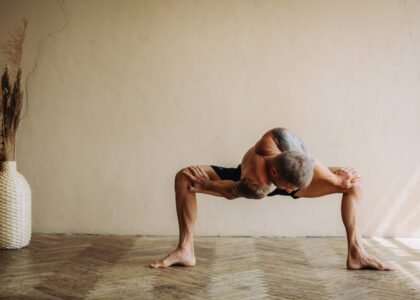
Flexibility is an essential component of physical fitness that helps improve movement, reduce muscle stiffness, and lower the risk of injuries. Yoga is one of the most effective ways to increase flexibility because it combines gentle stretching, controlled breathing, and mindful movement.

Introduction

Yoga for flexibility involves practicing specific poses (asanas) that gently stretch muscles, ligaments, and connective tissues. Over time, these movements improve the body's range of motion while enhancing balance and muscle coordination. Whether you are a beginner or an experienced practitioner, regular yoga practice can enhance joint mobility, improve posture, and promote both physical and mental well-being. This guide shows the benefits of yoga.
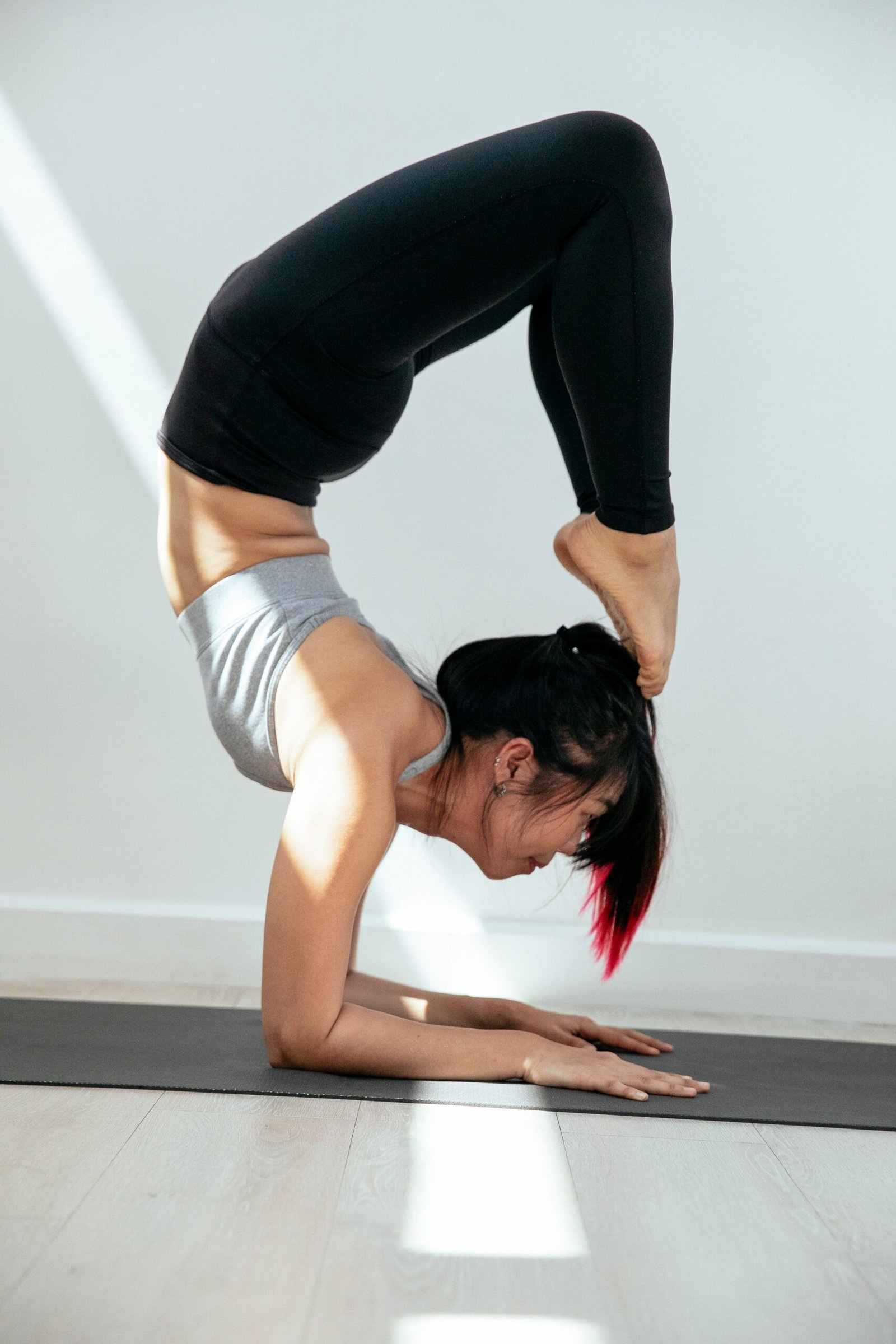
Yoga For Flexibility

Essential Nutrients for Muscle and Joint Health and Their Benefits


Nutrients

Benefits

Protein

Muscle Repair and Recovery

Calcium

Bone Strength

Magnesium

Muscle Relaxation

Omega-3 Fatty Acids

Supports Joint Health

Potassium

Supports Muscle Function


Why is Flexibility Important?

Good flexibility helps to:

    • Improve posture.
    • Increase joint mobility.
    • Reduce muscle stiffness.
    • Lower the risk of injuries.
    • Enhance physical performance.
    • Support healthy aging.

Best Yoga Poses for Flexibility

  • Downward-Facing Dog (Adho Mukha Svanasana)

Helps stretch the hamstrings, calves, shoulders, and spine.

  • Cat-Cow Pose (Marjaryasana-Bitilasana)

Improves spinal flexibility and relieves back stiffness.

  • Cobra Pose (Bhujangasana)

Stretches the chest, shoulders, and abdomen while strengthening the back.

  • Child's Pose (Balasana)

Relaxes the body and gently stretches the hips, thighs, and lower back.

  • Seated Forward Bend (Paschimottanasana)

Improves flexibility in the hamstrings and lower back.

  • Butterfly Pose (Baddha Konasana)

Stretches the inner thighs, hips, and groin muscles.


Benefits of Yoga for Flexibility

Regular yoga practice can:

  • Improve range of motion.
  • Increase muscle flexibility.
  • Enhance balance and coordination.
  • Reduce muscle tension.
  • Improve posture.
  • Promote relaxation and stress relief.

Foods That Support Flexibility

1.Protein-Rich Foods

  • Eggs.
  • Fish.
  • Chicken.
  • Lentils.
  • Beans.

2.Calcium-Rich Foods

  • Milk.
  • Yogurt.
  • Cheese.
  • Leafy green vegetables.

3.Magnesium-Rich Foods

  • Almonds.
  • Pumpkin seeds.
  • Spinach.

4.Potassium-Rich Foods

  • Bananas.
  • Sweet potatoes.
  • Avocados.

Tips for Practicing Yoga Safely

    • Warm Up First

    Prepare your muscles with gentle movements before stretching.

    • Move Slowly

    Avoid forcing your body into difficult positions.

    • Practice Regularly

    Consistency is more effective than occasional long sessions.

    • Focus on Breathing

    Slow, deep breathing helps muscles relax and stretch more effectively.

    • Listen to Your Body

    Stop if you experience sharp pain or discomfort.

Benefits of Regular Yoga Practice

  • Improved flexibility.
  • Better posture.
  • Enhanced balance.
  • Reduced stress.
  • Increased muscle strength.
  • Greater overall well-being.
  •  

5 Essential Yoga Poses to Increase Flexibility Fast

Yoga Pose

Primary Flexibility Benefit

Downward-Facing Dog

Stretches the hamstrings, calves, shoulders, and spine.

Standing Forward Fold

Improves flexibility in the hamstrings and lower back.

Low Lunge

Opens the hip flexors, groin, and front of the thighs.

Seated Forward Bend

Deeply stretches the back body, especially the hamstrings and spine.

Butterfly Pose

Increases flexibility in the hips, inner thighs, and groin area.

Can You Learn Yoga if You’re Not Flexible?

Yes. You do not need to be flexible to start yoga. Flexibility is a result of consistent practice, not a requirement for beginning.

I’m the Least Flexible Person—Can Yoga Help Me?

Absolutely. Yoga can gradually improve flexibility, joint mobility, posture, and muscle balance even if you currently feel very stiff.

How Long Does It Take to Get Flexible With Yoga?

Many people notice small improvements within 2–4 weeks, while more significant flexibility gains often take 2–6 months of regular practice.

Best Yoga Styles for Improving Flexibility?

Styles such as Hatha Yoga, Yin Yoga, Restorative Yoga, and gentle Vinyasa are commonly recommended for increasing flexibility and mobility.

Why Am I Still Not Flexible After Doing Yoga?

Possible reasons include inconsistent practice, holding poses for too little time, skipping warm-ups, high muscle tension, stress, or expecting progress too quickly.

Free vs Paid Yoga for Flexibility: What’s the Real Difference?

Free videos can be excellent for beginners, while paid programs usually offer structured progressions, personalized feedback, technique correction, and accountability.

Should I Hire a Personal Yoga Instructor for Flexibility Goals?

A personal instructor can be helpful if you have specific flexibility goals, injuries, chronic stiffness, posture concerns, or want a customized program with direct guidance and safer technique correction.
Yoga For Flexibility# Best Yoga Poses for FlexibilityHere are a few of our favorite yoga poses that are guaranteed to improve your flexibility:* Downward-Facing Dog (Adho Mukha Svanasana): This classic pose stretches the entire back of your body, from your heels to your hands. It's great for lengthening the hamstrings, calves, and shoulders. * Pigeon Pose (Eka Pada Rajakapotasana): A fantastic hip-opener, pigeon pose is brilliant for increasing flexibility in the hip flexors and outer hips. This is key for releasing tension in your lower back and improving your overall hip mobility. * Child's Pose (Balasana): This restorative pose allows you to gently stretch your spine, shoulders, and hips while calming your mind. It's a perfect way to unwind and allow your body to relax. * Cow-Face Pose (Gomukhasana): This pose offers a deep stretch for the shoulders, arms, and thighs. It's excellent for improving shoulder mobility and can also help to release tension in your hips. * Bound Angle Pose (Baddha Konasana): Another wonderful hip-opener, this pose stretches the inner thighs and groins. It's also great for stimulating your abdominal organs and promoting good posture.# Daily Yoga Stretching RoutineWant to weave yoga for flexibility into your daily life? Here's a simple routine you can try:1. Start with Cat-Cow Pose (Marjaryasana-Bitilasana): Flow between these two poses to warm up your spine. (5-10 rounds)2. Move to Downward-Facing Dog: Hold for 5-10 breaths.3. Step into Pigeon Pose: Hold for 5-10 breaths on each side.4. Transition to Bound Angle Pose: HoldYoga For FlexibilityA Yoga For Flexibility GuideDid you know that many of us hold on to stress and tension in our bodies? And you'll be surprised by how tight your muscles and joints become over time due to our modern lifestyles. That's where yoga comes in.Best Yoga Poses for Flexibility5 of the Best Yoga Poses to Increase FlexibilityBest of all, you don't need to be flexible to do yoga. Consistency trumps touching your toes on the first day.I want to share the 5 yoga poses that have been most helpful to me:Downward-Facing Dog - This is wonderful for hamstrings, calves, shoulders, and spine.Standing Forward Fold - This is great for relaxing the lower back and opening up the hamstrings.Low Lunge - This is a good pose for opening up the hips and hip flexors (especially if you spend a lot of time sitting).Seated Forward Bend - This pose is a nice deep stretch of the back of the body and is good for posture.Butterfly Pose - This pose is a gentle inner thigh and groin stretch that will help the hips feel open.Here's a beginner tip for you: Hold each pose for 30 to 60 seconds while breathing slowly. Do not push yourself to the edge; the flexibility will improve over time.I've noticed that doing yoga for even just 10 to 15 minutes a day can do wonders for how the body feels, especially in the morning or after a long day at my computer. It also helps to de-stress, relax, and sleep better.So if you're saying to yourself, "I'm too stiff to do yoga," you are exactly the person who should be doing yoga! Start wherever you're at and let your body lead you.Daily Yoga Stretching RoutineDaily Yoga Stretching RoutineStart your routine by performing Cat-Cow Pose for one minute to help gently mobilize your spine and increase your spinal mobility. Follow this with a minute of Downward-Facing Dog to stretch your hamstrings, calves, shoulders, and spine. Then move into Low Lunge on each side of your body, holding the stretch for thirty to sixty seconds, to stretch your hips and hip flexors.Afterward, do a Standing Forward Fold for one minute to relieve stress from your lower back and to lengthen the muscles at the back of your legs. Come to a seated position for a Butterfly Pose, stretching your inner thighs and groins, for one to two minutes. End with a seated Forward Bend for one minute, and finally Child's Pose for one to two minutes to help the body relax.Remember to breathe deeply throughout each stretch and avoid forcing your body into extreme positions. What matters most is consistency rather than intensity. Balanzing promotes gentle daily movement and stretching as a healthy part of your flexibility and wellness practices.Beginner Yoga for FlexibilityFlexibility through Beginner YogaThe key to any beginner yoga class is to target the muscles that get tight because we're sitting, reading, working or spending time on our phones/computers all day. I focus on simple stretches to target those tight hips, back, hamstrings and shoulders such as Cat-Cow Pose to open up the spine, Downward Facing Dog to lengthen your hamstrings and shoulders, Low Lunge to open the hips and Butterfly Pose to gently stretch the inner thighs. These poses are all easily modifiable and can be done on the floor in your living room (you don't even need a mat).Even just 10-15 minutes can have a great effect. A beginner session might look something like: 1 minute of breathing to start, follow by a few basic stretches and finish with a calming Child's Pose. Holding the pose for 30-45 seconds will typically be sufficient for beginners.The more consistently we stretch muscles, the more flexible they become. Beginners typically see results in a few weeks where they feel less stiff and their body feels looser. We at Balanzing believe in a gentle approach to yoga so that we can see the long term physical benefits and improvement in our mobility rather than forcing deeper stretches.Yoga Exercises for Better MobilityUnlock Your Body: Yoga for Enhanced MobilityThe aim of mobility exercises is to help our joints and muscles move more fluidly and freely through their full range of motion. This means everyday actions like walking, bending over to pick something up, reaching up to get something from a shelf, climbing the stairs, or even sitting at your desk for a long period of time can become much more comfortable and effortless.To get started, you can try some gentle poses that will help your joints move better, like Cat-Cow Pose to get your spine mobile, Downward-Facing Dog to lengthen your back body, Low Lunge to open up your hips, and Thread-the-Needle Pose to improve mobility in your shoulders and upper back. These are particularly useful poses if you spend a lot of time working at a desk.# Fast-Track Mobility* Do a little bit every day: 10-15 minutes is better than one long session once a week. * Move with intention, not bounces. Gently and slowly into your stretches, never force it. * Breathe deeply: Deep breathing can help your muscles relax. * Warm up your body first with light cardio like walking or simple joint movements. * Hold each stretch for 30-60 seconds: Never push to the point where you're uncomfortable. * Focus on tight areas: Focus on hips, hamstrings, calves, shoulders, and lower back. * Listen to your body: If something causes you pain, stop. Mobility work should be a gentle stretch, not pain.Balanzing encourages a holistic approach to your wellness that promotes regular yoga practice, hydration, a balanced diet, and staying active throughout the day, which is essential for healthy joints, flexibility, and long-term mobility. Yoga For FlexibilityFeeling a bit stiff in the morning?Aching in the hips after a day on your bum?Struggling to reach down to pick something up without groaning?If that sounds familiar, then Yoga For Flexibility could be your new best friend.Forget those impossible contortions – yoga for flexibility is all about helping your muscles, joints, and connective tissues move more freely, smoothly and comfortably in a healthy way.In our busy modern lives, we often spend hours sitting down - whether that's working at a computer, studying, driving, or just relaxing. This constant sedentary lifestyle can cause us to tighten up in the hamstrings, hip flexors, shoulders, and lower back. Yoga can work wonders in these areas by combining gentle stretching, conscious breathing, and flowing movements to improve your flexibility and overall body awareness.# Why Yoga is Superior to Random StretchesSo many of us just do a few quick stretches after a workout, right? But yoga takes it to a whole new level. Each yoga pose is linked to your breath, which helps your nervous system to relax and your muscles to release tension more effectively. Rather than trying to force a stretch, yoga promotes slow and steady progress, making it incredibly safe for beginners and those who feel particularly tight.By making yoga a regular part of your routine, you'll soon discover that it can:* Boost your joint mobility* Improve your posture* Relieve muscle tightness* Help with balance* Reduce stress-related tension* Make everyday movements feel much easierBest Yoga Poses for FlexibilityWhile many yoga poses offer flexibility benefits, some are particularly brilliant at targeting the areas that tend to get tightest. These are considered the Best Yoga Poses for Flexibility:# Downward-Facing DogThis pose stretches everything! It's great for the hamstrings, calves, shoulders, and spine all at once. If you sit a lot, it’s fantastic for elongating your whole back body.# Standing Forward FoldA nice, gentle forward bend that's perfect for releasing tension in your lower back and the back of your legs. Don’t worry about touching your toes – keep a slight bend in your knees if your hamstrings feel tight.# Low LungeOne of the best poses for opening up your hips and hip flexors. If you spend a lot of time sitting (which most of us do!), this pose will feel amazing.# Butterfly PoseThis seated pose opens up your inner thighs and groin area, while also encouraging your hips to feel more relaxed.# Seated Forward BendThis is a classic pose for a reason! It stretches the hamstrings, calves, and spine beautifully. Remember, the key here is length, not forcing your head toward your knees.Daily Yoga Stretching RoutineNeed a quick way to boost your flexibility on a daily basis? Try this simple Daily Yoga Stretching Routine, which takes about 15 minutes and is ideal for beginners:* 1 minute: Cat-Cow Pose (Great for spinal mobility!)* 1 minute: Downward-Facing Dog* 45 seconds each side: Low Lunge (Don't forget to open those hips!)* 1 minute: Standing Forward Fold* 1-2 minutes: Butterfly Pose (Release the inner thighs and hips) * 1 minute: Seated Forward Bend (Focus on length!) * 2 minutes: Child's Pose (For a lovely final relaxation)This sequence covers your spine, hips, hamstrings, shoulders, and lower back, offering a great all-round flexibility workout. Consistency is definitely more important than intensity when it comes to flexibility. A little and often is usually far more effective than a long session once in a while!Beginner Yoga for FlexibilityBeginner Yoga for Flexibility should feel accessible and supportive. You don't need fancy equipment – a yoga mat and perhaps a cushion or block to help with certain poses is all you need to start.Here are a few tips for beginners:* Breathe: Focus on breathing slowly and deeply through your nose. * Hold: Try to hold each pose for 30-60 seconds. * No bouncing: Avoid bouncing into any stretch; it's much safer to hold a steady stretch. * Use props: If you can't comfortably reach the floor in certain poses, don't be afraid to use blocks or cushions. * Listen to your body: If you feel any sharp pain, ease out of the pose immediately.You'll likely notice less stiffness and feel movement become easier within just a couple of weeks. Significant changes in flexibility will take longer, usually a few months, which is perfectly normal!Yoga Exercises for Better MobilityFlexibility and mobility are closely related, but they're not quite the same thing. Flexibility is your muscle's ability to lengthen, while mobility is how freely your joints can move with control. Yoga Exercises for Better Mobility often combine stretching with some light strengthening and mindful movement.Here are some fantastic exercises that improve mobility:* Cat-Cow Pose: Excellent for spinal mobility. * Thread-the-Needle: Great for shoulder mobility. * Low Lunge with gentle rocking: Helps with hip mobility. * Happy Baby Pose: Fantastic for opening the hips and lower back. * Bridge Pose: Wonderful for hip and spinal extension.These exercises are particularly useful if you find yourself feeling stiff when you get up from a chair, climb stairs, reach for something overhead, or bend down.How Long Does It Take to Become More Flexible?This is one of the most frequently asked questions about flexibility! You'll likely see subtle improvements in your range of motion within 2-4 weeks if you practice regularly. Noticeable changes in the tightness of your hamstrings, hips, and lower back typically occur within 2-6 months. Your timeline will depend on various factors, including your age, current activity level, consistency of practice, sleep quality, hydration, and overall health.Common Mistakes That Slow ProgressAre you doing everything you can to improve your flexibility? Here are some common mistakes to watch out for:* Stretching too aggressively: This is the quickest way to injury. * Holding your breath: Proper breathing is essential for releasing tension. * Practicing inconsistently: Regular practice is key. * Comparing yourself to others: Everyone's flexibility journey is unique. * Ignoring recovery and sleep: Your body needs time to rest and repair.Remember, flexibility is a journey, and it's different for everyone. Some people make rapid progress, while others develop flexibility more gradually. Be patient with yourself!ConclusionYoga For Flexibility is all about empowering you to move more freely and comfortably in your body. It's about releasing that nagging stiffness and promoting long-term joint health, rather than just attempting those Instagram-worthy poses. By practicing the Best Yoga Poses for Flexibility, incorporating a Daily Yoga Stretching Routine, starting with Beginner Yoga for Flexibility, and adding in Yoga Exercises for Better Mobility, you can gradually build a greater range of motion in a safe and sustainable way. At Balanzing, we believe in embracing gentle daily movement, mindful breathing, balanced nutrition, and consistent wellness habits to help your body stay flexible, mobile, and resilient for years to come.

Disclaimer

The information provided on this website is collected and compiled from publicly available sources for general informational purposes only.

Leave a Reply

Your email address will not be published. Required fields are marked *

Comments

  1. I found this yoga article on BALANZING incredibly helpful. The poses were explained in a simple way, and the daily stretching routine feels realistic even for someone who is not naturally flexible. I especially appreciated the focus on gentle progress, mobility, and long-term wellness instead of trying to force difficult yoga positions.

Table of Contents