
Screen Time Management For Kids
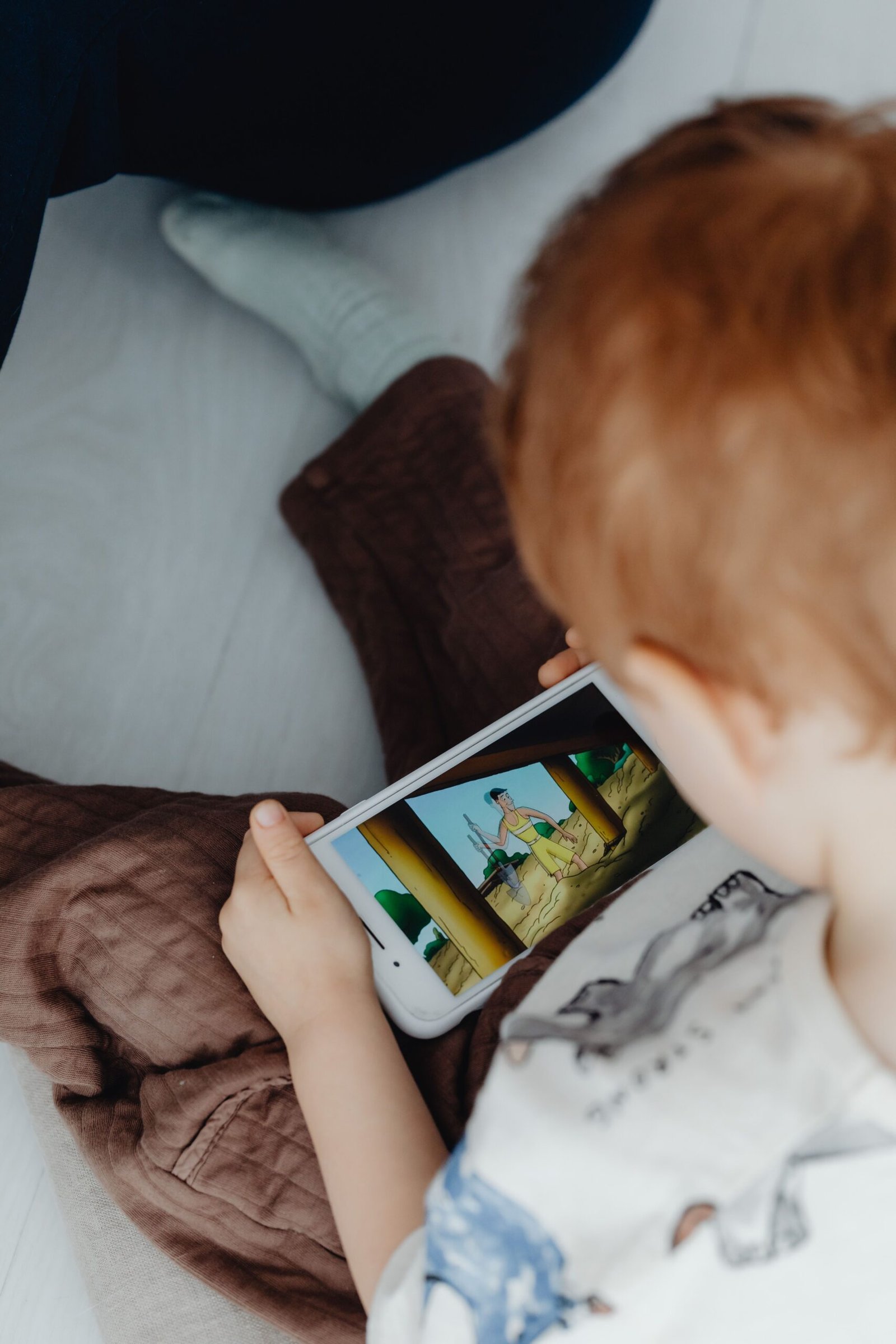
Digital devices have become an important part of children's education, entertainment, and communication. However, excessive screen time can affect physical health, sleep, learning, and emotional well-being.
Introduction
Screen time management involves setting healthy limits on the amount of time children spend using electronic devices such as smartphones, tablets, computers, televisions, and gaming consoles. It encourages a balanced lifestyle where screen use is combined with physical activity, learning, and social interaction. Managing screen time helps children maintain a healthy balance between technology, physical activity, family interactions, and creative play. By establishing healthy digital habits early in life, parents can support their child's overall growth and development. This guide shows the importance of screen time management.
Essential Nutrients that Support Brain and Eye Health and Their Benefits
|
Nutrients |
Benefits |
|
Omega-3 Fatty Acids |
Supports Brain Development |
|
Vitamin A |
Supports Eye Health |
|
Vitamin C |
Supports Immunity |
|
Protein |
Supports Growth and Development |
|
Zinc |
Supports Brain Function |
Why is Screen Time Management Important?
Healthy screen habits help to:
-
- Support healthy brain development.
- Improve sleep quality.
- Encourage physical activity.
- Enhance concentration and learning.
- Promote social and family interaction.
- Reduce the risk of eye strain.
Common Effects of Excessive Screen Time
- Eye Strain
Long hours of screen use may cause tired, dry, or irritated eyes.
- Poor Sleep
Using screens before bedtime may interfere with healthy sleep.
- Reduced Physical Activity
Too much screen time can lead to a sedentary lifestyle.
- Difficulty Concentrating
Excessive digital exposure may reduce attention span in some children.
- Poor Posture
Extended screen use may contribute to neck, shoulder, and back discomfort.
- Emotional and Behavioral Changes
Excessive screen use may affect mood, patience, and emotional well-being.
Healthy Screen Time Tips
- Set Daily Screen Limits
Create age-appropriate limits for entertainment screen time.
- Encourage Outdoor Play
Support at least one hour of active play each day.
- Create Screen-Free Zones
Keep dining areas and bedrooms free from electronic devices.
- Avoid Screens Before Bedtime
Turn off screens at least one hour before sleep.
- Be a Positive Role Model
Parents should demonstrate healthy screen habits.
- Choose Quality Content
Encourage educational and age-appropriate digital content.
Healthy Family Habits
- Read Together
Encourage daily reading instead of additional screen time.
- Promote Creative Activities
Drawing, puzzles, music, and crafts stimulate creativity.
- Spend Time Outdoors
Walking, cycling, and playing outside support physical and mental health.
- Eat Meals Together
Family meals encourage communication without digital distractions.
Benefits of Healthy Screen Time Management
-
- Better sleep quality.
- Improved concentration.
- Healthier eyesight.
- Increased physical activity.
- Better emotional well-being.
- Stronger family relationships.
What Happens When Kids Get Too Much Screen Time?
| Effect of Excessive Screen Time | Why It Matters |
|---|---|
| Poor Sleep | Blue light from screens can interfere with healthy sleep patterns. |
| Eye Strain | Long screen use may cause dry eyes, blurred vision, and discomfort. |
| Reduced Physical Activity | Too much screen time can limit exercise and active play. |
| Difficulty Concentrating | Excessive device use may affect attention and focus. |
| Mood Changes | Some children may become irritable or frustrated with prolonged screen use. |
| Less Family Interaction | Spending too much time on devices can reduce meaningful family communication. |
How Much Screen Time Is Actually OK for Kids?
The ideal amount of screen time depends on a child's age. Experts generally recommend avoiding screen time for children under 2 years (except video calls), limiting it to about 1 hour of high-quality content for ages 2–5, and encouraging balanced screen use with healthy activities for older children.
What Should Screen Time Look Like for a 5-Year-Old?
A 5-year-old should have limited, age-appropriate screen time that includes educational and interactive content. Parents should watch together when possible and balance screen use with outdoor play, reading, creative activities, and adequate sleep.
Should Kids Earn Screen Time or Just Get It?
Screen time works best when it is part of a balanced daily routine rather than something children automatically receive. Parents can encourage healthy habits by allowing screen time after responsibilities such as homework, physical activity, or household tasks are completed.
Can You Teach Kids to Self-Manage Their Screen Time?
Yes. Parents can help children develop healthy digital habits by setting clear rules, using screen time schedules, encouraging regular breaks, and teaching children to recognize when it's time to stop using devices.
What Happens When Kids Get Too Much Screen Time?
Excessive screen time may contribute to reduced physical activity, poor sleep, eye strain, difficulty concentrating, mood changes, and less time for learning, family interaction, and outdoor play. Maintaining a healthy balance is important.
Should You Use Screens as a Reward or Punishment?
It's generally better not to use screens as rewards or punishments because this can increase their perceived value. Instead, create consistent screen time rules and encourage enjoyable non-screen activities as part of everyday routines.
Screen Time Guilt: How Much Is Actually Too Much?
Occasional extra screen time is usually not a problem. Screen use becomes a concern when it regularly interferes with sleep, schoolwork, physical activity, family interactions, or overall wellbeing. Focus on maintaining a healthy balance rather than striving for perfection.




Disclaimer
The information provided on this website is collected and compiled from publicly available sources for general informational purposes only.
Leave a Reply Cancel reply
Comments
Table of Contents
Toggle
This article provides valuable insights into managing screen time for kids. The tips are practical and helpful for parents who want to create a healthy digital balance. Combining good habits with proper nutrition support from Balanzing can help children maintain overall well-being.