
Strength Training: Benefits, Muscle Groups, and Safe Workout Tips
Strength training is one of the most effective forms of exercise for building muscle, improving physical performance, and supporting overall health. It involves performing exercises that work against resistance—such as free weights, resistance bands, machines, or body weight—to strengthen muscles, bones, and connective tissues. Beyond increasing strength, regular strength training also enhances metabolism, posture, balance, and long-term well-being.
Whether your goal is muscle building, weight management, athletic performance, or healthy aging, incorporating strength training into your fitness routine can provide lifelong health benefits.
Introduction
Strength training, also known as resistance training or weight training, focuses on improving muscular strength and endurance by gradually increasing resistance over time. It can target every major muscle group and is suitable for people of all ages and fitness levels.
In addition to increasing muscle mass, strength training supports healthy bones, improves joint stability, enhances flexibility, and helps reduce the risk of chronic diseases. When combined with proper nutrition and adequate recovery, it contributes to better physical and mental health.
This guide explains the major muscle groups involved in strength training, its health benefits, importance, healthy workout tips, common mistakes to avoid, and when to seek professional guidance.
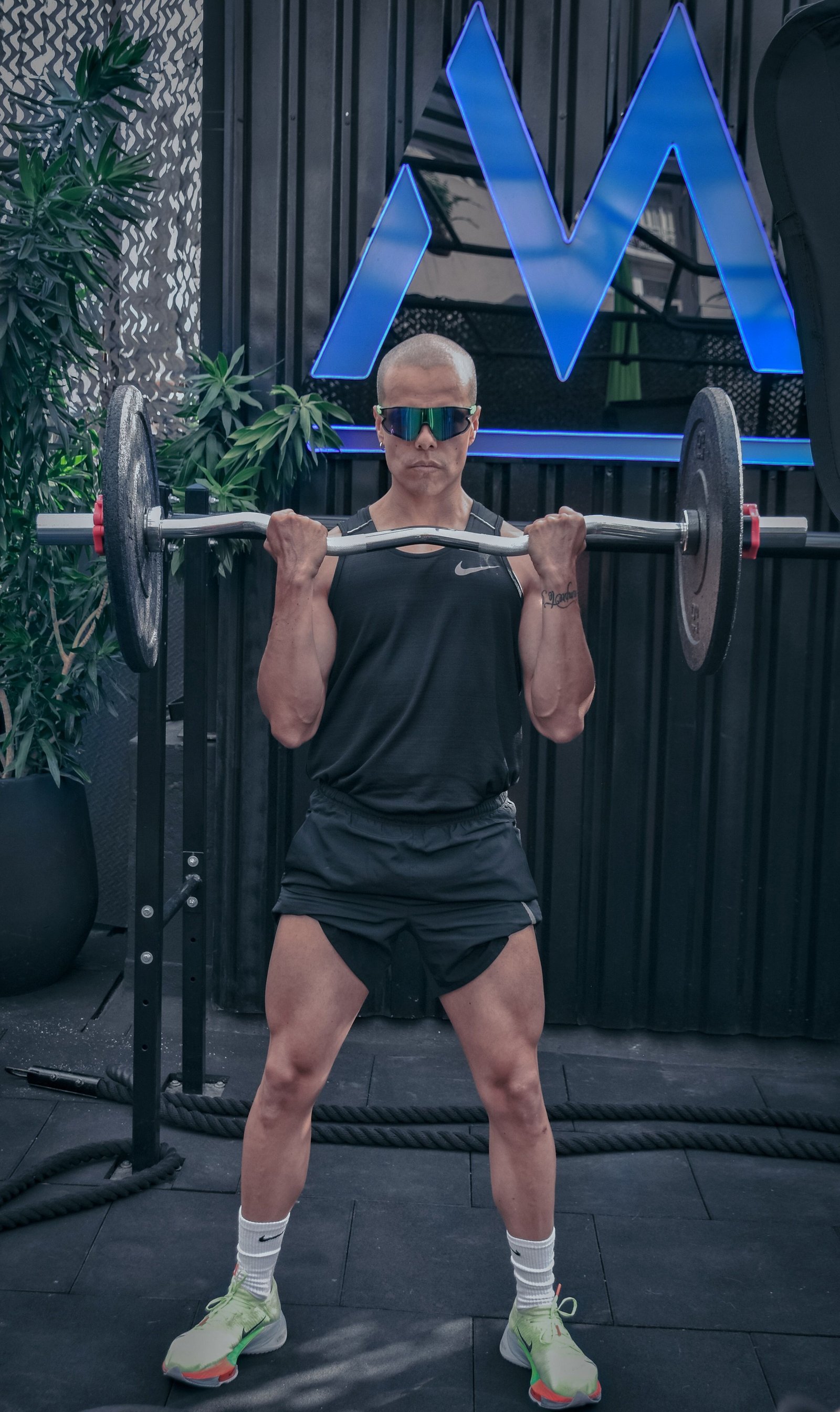
Major Muscle Groups Trained
A well-balanced strength training program targets all major muscle groups.
|
Muscle Group |
Benefits |
Common Exercises |
|
Chest (Pectorals) |
Builds upper-body strength and improves pushing power. |
Bench Press, Push-ups, Chest Fly |
|
Back (Latissimus Dorsi & Trapezius) |
Improves posture, pulling strength, and spinal support. |
Rows, Pull-ups, Lat Pulldown |
|
Shoulders (Deltoids) |
Enhances shoulder stability, strength, and mobility. |
Shoulder Press, Lateral Raise |
|
Biceps |
Improves arm strength and lifting ability. |
Bicep Curl, Hammer Curl |
|
Triceps |
Strengthens the back of the arms and improves pushing movements. |
Triceps Pushdown, Dips |
|
Core (Abdominals & Obliques) |
Supports balance, posture, and spinal stability. |
Planks, Russian Twists |
|
Legs (Quadriceps, Hamstrings, Calves & Glutes) |
Improves lower-body strength, balance, and functional movement. |
Squats, Lunges, Deadlifts, Leg Press |
Why Is Strength Training Important?
Regular strength training helps to:
- Build lean muscle mass.
- Improve muscular strength and endurance.
- Strengthen bones and joints.
- Increase metabolism and calorie burning.
- Improve posture and balance.
- Reduce the risk of injuries.
- Support healthy aging.
- Enhance overall physical performance.
Benefits of Strength Training
Builds Muscle Strength
Strength training increases muscle size, strength, and endurance, making daily activities easier and improving athletic performance.
Supports Bone Health
Resistance exercises stimulate bone growth and help maintain bone density, reducing the risk of osteoporosis and fractures.
Boosts Metabolism
Muscle tissue burns more calories than fat tissue, helping increase resting metabolic rate and support healthy weight management.
Improves Joint Stability
Stronger muscles provide better support for joints, helping reduce the risk of injuries and improving overall mobility.
Enhances Balance and Posture
Strengthening the core, back, and leg muscles improves posture, coordination, and balance.
Supports Heart Health
Regular strength training can help improve blood pressure, cholesterol levels, and overall cardiovascular health when combined with aerobic exercise.
Improves Mental Well-being
Exercise stimulates the release of endorphins, helping reduce stress, anxiety, and symptoms of depression while improving mood and confidence.
Promotes Healthy Aging
Strength training helps preserve muscle mass, mobility, and independence as people age, supporting a better quality of life.
Healthy Workout Tips
Following proper technique helps maximize results while reducing injury risk.
- Warm up for 5–10 minutes before every workout.
- Learn proper exercise technique before increasing weight.
- Choose a weight that allows correct form.
- Perform slow and controlled movements.
- Train all major muscle groups evenly.
- Increase resistance gradually through progressive overload.
- Allow at least 48 hours of recovery for the same muscle group.
- Eat a balanced diet rich in protein and essential nutrients.
- Stay hydrated before, during, and after exercise.
- Finish every workout with stretching and cool-down exercises.
Common Mistakes to Avoid
Avoid these common mistakes during strength training:
- Lifting weights that are too heavy.
- Using poor exercise technique.
- Skipping warm-up or cool-down sessions.
- Holding your breath during exercises.
- Training the same muscles every day without recovery.
- Ignoring proper nutrition and hydration.
- Performing incomplete ranges of motion.
- Focusing only on one muscle group while neglecting others.
When Should You Seek Professional Guidance?
Consult a certified fitness trainer or healthcare professional if you:
- Are new to strength training.
- Experience persistent muscle, joint, or back pain during exercise.
- Are recovering from an injury or surgery.
- Have osteoporosis, arthritis, or other medical conditions affecting movement.
- Need a personalized strength-training program based on your goals.
- Want to improve lifting technique and reduce injury risk.
How Does Balanzing Help?
Balanzing is committed to helping individuals achieve better health through trusted fitness education and practical exercise guidance. Our expert-backed content provides reliable information on strength training, workout techniques, injury prevention, balanced nutrition, and healthy lifestyle habits to support overall fitness and well-being.
By promoting evidence-based fitness practices, proper exercise techniques, and sustainable training programs, Balanzing empowers individuals to build strength, improve mobility, support healthy bones and muscles, enhance physical performance, and achieve long-term health and fitness goals safely and effectively.
Strength Coaching: Key Factors to Consider
| Factor | What to Look For |
|---|---|
| Qualifications | Recognized strength-training certifications |
| Experience | Practical experience with different fitness levels |
| Form Coaching | Ability to correct lifting technique |
| Training Plan | Personalized and progressive workout programming |
| Safety | Proper exercise selection and load management |
| Nutrition Guidance | Appropriate general nutrition support |
| Cost | Pricing that matches experience and services |
| Communication | Clear instructions, feedback, and accountability |
Do I Really Need a Strength Coach or Can I Train Alone?
You can train alone if you understand proper exercise technique, programming, and progression. A strength coach can be especially helpful for beginners, people learning complex movements, or anyone who wants personalized guidance and accountability.
Can a Strength Coach Fix My Form on Compound Lifts?
Yes. A qualified strength coach can observe movements such as squats, deadlifts, presses, and rows and provide technique corrections. They can help you understand positioning, movement control, and appropriate loading.
Strength Training at Home: Do I Need Professional Help?
Not necessarily. You can perform effective Strength Training at home using dumbbells, resistance bands, or other equipment. Professional guidance can be useful if you are unsure about exercise technique, creating a program, or progressing safely.
How Much Does a Good Strength Coach Actually Cost?
The cost varies depending on location, experience, qualifications, session length, and whether coaching is in-person or online. Compare the coach's qualifications, services, session frequency, and overall value rather than choosing based only on price.
Can a Strength Coach Help Me Prevent Injuries During Lifting?
A qualified coach can help reduce avoidable training risks by teaching proper technique, selecting appropriate resistance, and managing workout progression. However, no coach can guarantee that injuries will never occur.
Nutrition and Strength Coaching: Should My Coach Help With Diet?
A strength coach can often provide general nutrition guidance related to training, such as discussing protein, hydration, and overall eating habits. Personalized medical nutrition advice should come from a qualified nutrition or healthcare professional.
Strength Coaching Certifications: Does It Matter Which Ones?
Yes, qualifications can be useful when evaluating a coach. Look for recognized certifications, relevant education, practical experience, and a strong understanding of resistance training. Certification alone does not guarantee coaching quality, so consider experience and approach as well.


Disclaimer
The information provided on this website is collected and compiled from publicly available sources for general informational purposes only.
Leave a Reply Cancel reply
Comments
Table of Contents
Toggle
Really informative strength training guide from Balanzing! The practical exercise ideas, safety tips, and recovery advice make it easy to understand how to build strength effectively. A great resource for anyone looking to improve their fitness with a consistent workout routine.