
Kizhi Therapy (Herbal Poultice Treatment): A Complete Guide to Ayurvedic Heat Therapy for Pain Relief and Holistic Wellness
Ayurveda & Wellness | Holistic Health | Traditional Therapies | Preventive Healthcare | Healthy Lifestyle | July 2026
Introduction
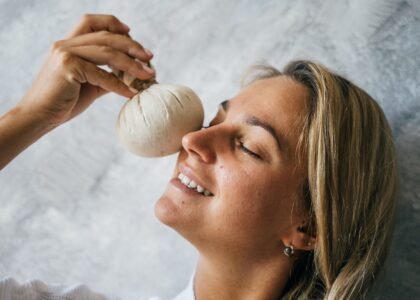
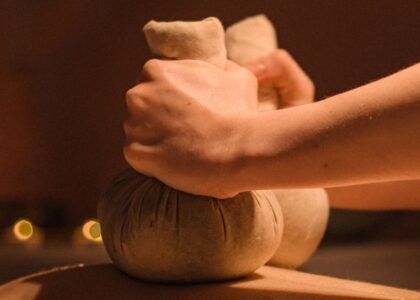
Kizhi Therapy, also known as Herbal Poultice Treatment, is a traditional Ayurvedic therapy that combines the healing properties of medicinal herbs with therapeutic heat and massage techniques. In this treatment, herbal ingredients are tied into small cloth bundles (known as Kizhi or Potli) and gently applied to the body using rhythmic massage movements. The warmth of the poultices, together with carefully selected herbal formulations, is traditionally used to support muscle relaxation, joint mobility, and overall physical well-being.
For centuries, Kizhi Therapy has been an important part of Ayurvedic medicine and is often included in Panchakarma and rehabilitative wellness programs. Today, it is increasingly used as a complementary therapy to help relieve everyday muscle stiffness, promote relaxation, and support recovery after physical activity.
When performed by qualified Ayurvedic practitioners, Kizhi Therapy can become an effective component of a holistic wellness routine that emphasizes preventive healthcare, healthy lifestyle habits, and long-term physical well-being.

What Is Kizhi Therapy (Herbal Poultice Treatment)?
Kizhi Therapy is a traditional Ayurvedic external therapy in which warm herbal poultices are gently massaged over specific parts of the body or the entire body. The herbal bundles are prepared using medicinal leaves, herbal powders, rice, or other natural ingredients based on the individual's condition and therapeutic goals.
A typical Kizhi Therapy session may include:
● Ayurvedic consultation
● Application of medicated herbal oils
● Warm herbal poultice massage
● Rhythmic therapeutic massage techniques
● Localized or full-body treatment
● Muscle and joint relaxation
● Personalized Ayurvedic treatment plan
● Post-therapy relaxation and wellness guidance
The type of Kizhi selected depends on the individual's body constitution (dosha), symptoms, and overall health assessment.
Benefits of Kizhi Therapy (Herbal Poultice Treatment)
Kizhi Therapy may offer several wellness benefits when incorporated into a healthy lifestyle.
1. Supports Muscle Relaxation
The warmth of the herbal poultices may help relax tight muscles and reduce everyday muscular discomfort.
2. Promotes Joint Mobility
Traditional massage techniques may help improve flexibility and support comfortable joint movement.
3. Encourages Healthy Blood Circulation
The combination of heat and massage may stimulate circulation and support overall tissue health.
4. Supports Recovery After Physical Activity
Many individuals choose Kizhi Therapy to complement recovery after exercise or physically demanding work.
5. Promotes Relaxation and Stress Relief
The soothing massage and warmth help create a calming experience that supports mental and physical relaxation.
6. Complements Holistic Wellness
Kizhi Therapy works well alongside healthy nutrition, regular exercise, yoga, and other lifestyle practices.
7. Supports Preventive Healthcare
Regular wellness therapies may contribute to maintaining mobility and overall physical well-being.
Types of Kizhi Therapy
Depending on an individual's needs, Ayurvedic practitioners may recommend different forms of Kizhi Therapy.
Ela Kizhi (Herbal Leaf Poultice)
Prepared using fresh medicinal leaves, this therapy is traditionally used to support muscle and joint comfort.
Podi Kizhi (Herbal Powder Poultice)
Uses medicated herbal powders wrapped in cloth and is commonly included in Ayurvedic wellness programs.
Njavara Kizhi (Medicated Rice Poultice)
Prepared using a special medicinal rice cooked with herbal decoctions and milk, this therapy is traditionally used to nourish muscles and support recovery.
Personalized Kizhi Therapy
A customized treatment plan based on an individual's Ayurvedic assessment, body constitution, and wellness goals.
Who Can Benefit from Kizhi Therapy?
Kizhi Therapy may be suitable for:
● Working professionals
● Older adults
● Individuals experiencing muscle stiffness
● People with physically demanding occupations
● Fitness enthusiasts
● Athletes seeking recovery support
● Yoga practitioners
● Adults interested in Ayurvedic wellness
● Anyone adopting healthy lifestyle habits
Treatment should always be individualized and performed under the guidance of a qualified Ayurvedic practitioner.
Healthy Tips for Better Results
Follow these recommendations to maximize the benefits of Kizhi Therapy:
● Consult a qualified Ayurvedic practitioner before beginning therapy.
● Follow the recommended treatment schedule.
● Stay hydrated before and after each session.
● Maintain a balanced and nutritious diet.
● Include regular stretching and low-impact exercise in your routine.
● Practice yoga or meditation to support relaxation.
● Get adequate sleep to promote recovery.
● Follow post-treatment advice provided by your practitioner.
Kizhi Therapy provides the best results when combined with a healthy and balanced lifestyle.
Common Mistakes to Avoid
Avoid these common mistakes when considering Kizhi Therapy:
● Receiving treatment from unqualified practitioners.
● Using herbal poultices without professional guidance.
● Expecting immediate results after one session.
● Ignoring persistent pain or medical conditions that require medical evaluation.
● Assuming Ayurvedic therapy can replace prescribed medical treatment.
● Skipping hydration after therapy.
● Inconsistently following the recommended treatment plan.
● Neglecting exercise and healthy lifestyle habits.
Safe and consistent wellness practices provide the greatest long-term benefits.
When Should You Consult a Healthcare Professional?
Consult a healthcare provider before undergoing Kizhi Therapy if you:
● Have severe joint disease or unexplained swelling.
● Are recovering from recent fractures or surgery.
● Have skin infections, burns, or open wounds.
● Have uncontrolled heart disease or serious medical conditions.
● Experience persistent or worsening pain.
● Are pregnant and considering Ayurvedic therapies.
● Have allergies to herbal ingredients used during treatment.
Professional guidance helps ensure that Kizhi Therapy is safe and appropriate for your individual health needs.
How Does Balanzing Help?
At Balanzing, we believe holistic wellness begins with informed healthcare choices and evidence-based health education. Through expert wellness guidance, preventive healthcare resources, and trusted information about traditional Ayurvedic therapies, we help individuals understand complementary wellness practices while encouraging safe and responsible healthcare decisions.
Whether you're exploring Kizhi Therapy to support muscle relaxation, joint mobility, recovery, or overall well-being, Balanzing provides reliable information to help you make informed decisions and build healthier habits for long-term health and wellness.


Disclaimer
The information provided on this website is collected and compiled from publicly available sources for general informational purposes only.
Table of Contents
Toggle