Healthy intake 😃 Balanzed living

Beginner Yoga Poses: A Complete Guide to Starting Your Yoga Journey Safely

Yoga | Beginner Yoga | Yoga Poses | Yoga Practice | Yoga Wellness | July 2026

Introduction

Beginning yoga does not require advanced flexibility or previous fitness experience. The focus is on learning proper alignment, breathing techniques, and mindful movement. By practicing simple poses consistently, beginners can gradually improve their physical fitness while developing greater body awareness and mental relaxation.

A beginner yoga routine typically combines standing poses, seated stretches, gentle backbends, balance exercises, and breathing practices. When performed regularly alongside a balanced diet and healthy lifestyle, yoga supports long-term physical and emotional well-being.

This guide explains the importance of beginner yoga poses, their benefits, essential poses to learn, healthy practice tips, common mistakes to avoid, and how Balanzing supports your wellness journey.
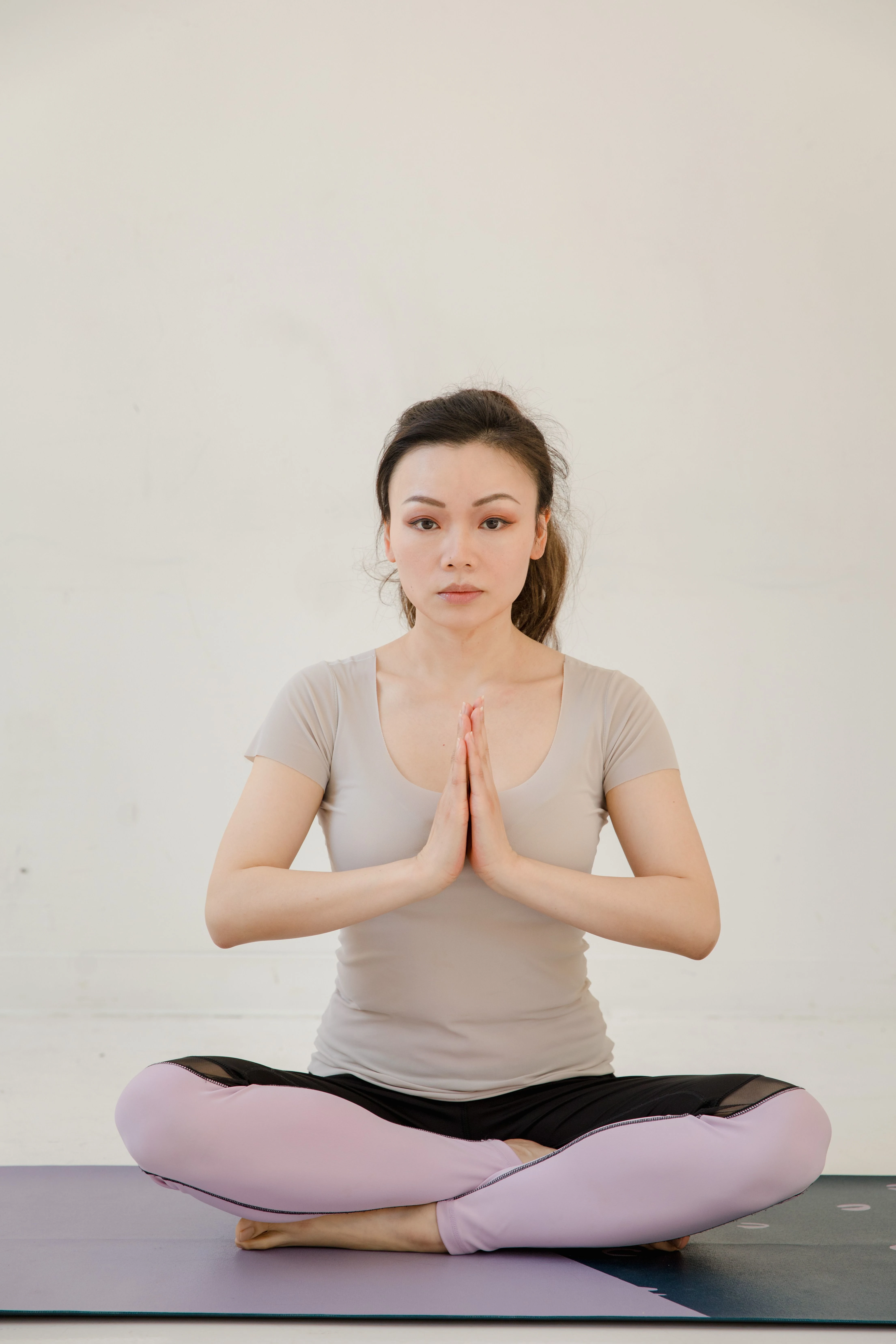
Beginner Yoga Poses

Why Are Beginner Yoga Poses Important?

Starting with basic yoga poses helps create a strong foundation for future practice.

Regular practice can help:

Improve flexibility and mobility

Increase muscular strength

Enhance balance and coordination

Improve posture

Reduce stress and anxiety

Support healthy breathing

Increase body awareness

Improve concentration

Promote relaxation

Encourage lifelong healthy habits

Essential Beginner Yoga Poses

The following poses are commonly recommended for individuals who are new to yoga.

Yoga Pose Primary Benefits
Mountain Pose (Tadasana) Improves posture, balance, and body awareness
Child's Pose (Balasana) Promotes relaxation and gently stretches the back
Cat-Cow Stretch Improves spinal flexibility and reduces stiffness
Downward-Facing Dog Stretches the back, shoulders, calves, and hamstrings
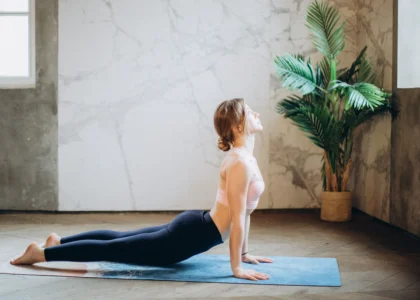
Cobra Pose (Bhujangasana) Strengthens the back and improves spinal mobility
Bridge Pose (Setu Bandhasana) Strengthens the hips, glutes, and lower back
Tree Pose (Vrikshasana) Improves balance and concentration
Warrior I (Virabhadrasana I) Builds lower-body strength and stability
Warrior II (Virabhadrasana II) Improves endurance, balance, and posture
Seated Forward Bend (Paschimottanasana) Enhances flexibility and promotes relaxation

Practicing these poses regularly helps beginners develop confidence while preparing the body for more advanced yoga techniques.

Benefits of Beginner Yoga Practice

Improves Flexibility

Gentle stretching gradually increases joint mobility and reduces muscle tightness.

Builds Strength

Many beginner poses strengthen the legs, core, back, and shoulders using body weight.

Supports Better Posture

Yoga improves spinal alignment and strengthens postural muscles.

Reduces Stress

Mindful breathing and slow movements help relax the nervous system and reduce anxiety.

Improves Balance

Standing poses develop stability and coordination, reducing the risk of falls.

Enhances Breathing

Breathing exercises improve lung function and promote relaxation.

Promotes Better Sleep

Regular yoga practice helps calm the mind, making it easier to fall asleep and stay asleep.

Encourages Healthy Lifestyle Habits

A consistent yoga routine often inspires healthier eating, improved hydration, and better self-care.

Healthy Tips for Beginners

To make your yoga journey safe and enjoyable:

  • Start with 15–20 minutes of practice each day.
  • Focus on proper breathing during every pose.
  • Use a comfortable, non-slip yoga mat.
  • Wear loose-fitting clothing that allows free movement.
  • Move slowly and avoid forcing stretches.
  • Practice in a quiet, comfortable environment.
  • Stay hydrated before and after your session.
  • Finish each practice with relaxation or meditation.
  • Be consistent and patient with your progress.
  • Learn from a certified yoga instructor if possible.

Common Mistakes to Avoid

Avoid these common beginner mistakes:

Comparing yourself to experienced practitioners.

Holding your breath during poses.

Skipping warm-up exercises.

Forcing difficult stretches.

Ignoring pain or discomfort.

Practicing irregularly.

Focusing only on flexibility instead of overall wellness.

Neglecting proper posture and alignment.

When Should You Seek Professional Guidance?

Consult a healthcare professional or certified yoga instructor if you:

Have chronic back or joint pain.

Are recovering from surgery or injury.

Have severe arthritis or osteoporosis.

Experience dizziness during exercise.

Are pregnant and starting yoga for the first time.

Have any medical condition requiring exercise modifications.

How Does Balanzing Help?

Balanzing is committed to helping individuals build healthier lifestyles through trusted wellness education, evidence-based fitness guidance, and practical nutrition advice. Our expert-backed resources make it easier for beginners to learn yoga safely, improve flexibility, strengthen the body, manage stress, and establish sustainable wellness habits.

Whether you're taking your first yoga class or developing a daily practice, Balanzing provides reliable information to support your journey toward better health, balance, and lifelong well-being.

How Beginner Yoga Poses Support a Safe and Effective Yoga Practice?

Key Factor Benefits for Beginners
Easy-to-Learn Poses Helps beginners understand and perform basic yoga movements comfortably
Proper Body Alignment Supports correct posture and helps reduce unnecessary strain
Gentle Stretching Gradually improves flexibility and mobility
Balance & Stability Develops body control, coordination, and confidence
Breathing Awareness Helps beginners stay relaxed and focused during practice
Suitable Difficulty Level Allows beginners to progress comfortably before attempting advanced poses
Consistent Practice Supports gradual improvements in strength, flexibility, and balance
Safe Yoga Practice Encourages beginners to practice poses with better awareness and control

What are the best Beginner Yoga Poses to start with?

Mountain Pose, Child’s Pose, Cat-Cow Stretch, Downward-Facing Dog, and Cobra Pose are simple options for beginners.

How often should beginners practice yoga poses?

Beginners can start with 2–3 yoga sessions per week and gradually increase practice as their body becomes more comfortable.

Can Beginner Yoga Poses be practiced at home?

Yes, many Beginner Yoga Poses can be practiced safely at home with enough space, comfortable clothing, and proper attention to alignment.

Which yoga pose is easiest for beginners?

Mountain Pose and Child’s Pose are generally among the easiest poses for beginners because they involve simple movements and can help develop body awareness.

Can Beginner Yoga Poses improve flexibility?

Yes, regular practice can gradually improve flexibility, mobility, balance, and body awareness.

How long should beginners hold a yoga pose?

Beginners can usually start by holding a pose for around 15–30 seconds, focusing on comfortable breathing and proper alignment.

Are Beginner Yoga Poses suitable for everyone?

Many beginner poses are gentle and accessible, but people with injuries or specific health concerns should choose poses appropriate for their needs and seek professional guidance when necessary.
# Beginner Yoga Poses: A Complete Guide for Starting Your Yoga Journey Starting yoga can be a simple and rewarding way to improve flexibility, balance, strength, posture, and overall well-being. However, beginners often feel unsure about which movements to start with or how to build a safe and consistent routine. Choosing the right **Beginner Yoga Poses** can make the first stage of your yoga journey easier, more comfortable, and more enjoyable. With regular practice, simple yoga movements can help you become more aware of your body, breathing, balance, and physical strength. For people who are new to yoga, **Easy yoga poses for beginners** are a practical starting point. These poses generally involve simple movements and can be modified according to individual comfort and ability. Whether you want to improve flexibility, reduce everyday stiffness, develop better posture, or simply introduce more mindful movement into your routine, starting with basic poses can help you build confidence gradually. At Balanzing, we believe that understanding your body and developing healthy movement habits can support a balanced lifestyle. This guide explains some useful **Beginner Yoga Poses**, how to practice them, and how **Yoga for beginners at home** can become part of a simple daily wellness routine. ## Why Beginner Yoga Poses Are Important Yoga is not only about flexibility or performing advanced poses. For a beginner, the focus should be on learning basic movements, breathing comfortably, maintaining proper alignment, and understanding the body's limits. **Beginner Yoga Poses** provide an opportunity to develop these foundations before progressing to more challenging movements. Starting slowly is especially important for people who have never practiced yoga before. **Beginner-Friendly Yoga Poses** can help you become familiar with stretching, balance, controlled movement, and relaxation without making the practice unnecessarily complicated. Another advantage of starting with simple movements is that they can be adapted to different fitness levels. You do not need to be extremely flexible to begin yoga. With consistent practice, **Simple Yoga Poses for Beginners** can gradually support flexibility, mobility, balance, and body awareness. ## Easy Yoga Poses for Beginners There are several **Easy yoga poses for beginners** that can be included in a basic yoga routine. The goal is not to hold a pose perfectly but to practice comfortably while maintaining controlled breathing and good body awareness. Mountain Pose, also known as Tadasana, is one of the simplest poses to learn. It encourages you to stand tall while keeping your feet grounded and your spine naturally aligned. This pose can help beginners become more aware of posture and balance. Child's Pose, or Balasana, is another useful option. It is commonly used as a gentle resting position and can provide a comfortable stretch through the back and hips. Beginners can use Child's Pose between more active movements whenever they need to relax. Cat-Cow Stretch is a simple movement that involves gently alternating between two spinal positions. It can help beginners become familiar with controlled spinal movement while coordinating movement with breathing. Downward-Facing Dog is a popular yoga position that stretches several areas of the body. Beginners may need to modify the pose depending on flexibility and comfort. Keeping the knees slightly bent can make the movement more accessible. Cobra Pose, or Bhujangasana, involves gently lifting the upper body while lying on the stomach. It can help beginners practice controlled spinal extension while engaging the back muscles. These **Beginner Yoga Poses** can be practiced individually or combined into a short sequence. The most important consideration is maintaining comfort and avoiding forceful movements. ## Yoga for Beginners at Home One of the biggest advantages of yoga is that you can practice many poses without visiting a studio or gym. **Yoga for beginners at home** can be convenient for people with busy schedules or those who prefer practicing in a familiar environment. A small, comfortable space is usually enough for basic yoga practice. A yoga mat can provide additional comfort and stability, although the most important factor is having enough room to move safely. When beginning **Yoga for beginners at home**, choose a time when you are unlikely to be interrupted. Start with a few minutes of gentle movement rather than trying to complete a long session immediately. A simple home routine can begin with breathing exercises, followed by Mountain Pose, Cat-Cow Stretch, Child's Pose, and other **Beginner-Friendly Yoga Poses**. As your confidence improves, you can gradually introduce additional movements. Practicing **Yoga for beginners at home** also allows you to develop a routine that fits your lifestyle. Some people prefer practicing in the morning, while others find gentle yoga useful in the evening. Consistency is generally more important than choosing a specific time. ## Beginner-Friendly Yoga Poses for Flexibility Flexibility often develops gradually through regular movement. You do not need to be flexible before starting yoga. In fact, one of the reasons people choose **Beginner-Friendly Yoga Poses** is to improve mobility comfortably over time. Gentle forward bends, seated stretches, Cat-Cow movements, and Downward-Facing Dog can be included in a beginner routine according to individual ability. The aim should be to feel a mild and manageable stretch rather than pushing the body to its maximum range. When practicing **Simple Yoga Poses for Beginners**, avoid bouncing or forcing a movement. Slow and controlled stretching allows you to pay attention to how your body feels. If a pose causes sharp pain or significant discomfort, stop and adjust the movement. With regular practice, **Beginner Yoga Poses** can become a foundation for developing a more consistent flexibility routine. ## Beginner Yoga Poses for Balance and Strength Yoga can also introduce beginners to balance and controlled strength. Tree Pose, for example, is a simple balance-focused movement that can be modified by keeping one foot closer to the floor. Warrior I and Warrior II are also commonly included in beginner yoga routines. These standing poses encourage lower-body engagement while requiring awareness of posture and stability. When learning **Beginner Yoga Poses**, it is useful to focus on control rather than duration. Holding a pose for a shorter period with good alignment can be more useful than trying to stay in position for too long. **Beginner-Friendly Yoga Poses** can gradually help beginners develop confidence in their physical abilities. As balance and strength improve, you may find it easier to explore additional yoga movements. ## How to Practice Simple Yoga Poses for Beginners Creating a simple routine can make yoga easier to maintain. Start with a short warm-up and gentle movements before moving into your main poses. This can help your body transition gradually into the practice. Choose three to five **Simple Yoga Poses for Beginners** initially. Practice each movement slowly and focus on breathing. You do not need to perform a large number of poses in one session. A beginner routine could include Mountain Pose for posture awareness, Cat-Cow Stretch for gentle spinal movement, Child's Pose for relaxation, Downward-Facing Dog for a broader stretch, and Tree Pose for balance. As you become more comfortable, you can gradually increase the duration of your practice. However, avoid comparing your progress with other people. Every person's flexibility, strength, mobility, and experience level are different. The goal of **Beginner Yoga Poses** is to create a strong foundation rather than immediately achieve advanced positions. ## Breathing and Mindfulness During Yoga Breathing is an important part of yoga practice. Beginners should try to maintain slow, comfortable breathing while moving through different poses. Avoid holding your breath while stretching or balancing. Combining breathing with **Easy yoga poses for beginners** can make the practice feel more controlled and focused. Instead of rushing from one position to another, take time to notice your breathing and body sensations. Mindful movement is particularly useful when practicing **Yoga for beginners at home**, where you can create a calm environment without distractions. Turning off unnecessary notifications and choosing a quiet space may help you stay focused during your practice. Over time, **Beginner-Friendly Yoga Poses** can become more than physical exercises. They can form part of a balanced wellness routine that encourages regular movement and greater body awareness. ## Common Mistakes Beginners Should Avoid Beginners sometimes try to stretch too far because they believe yoga requires maximum flexibility. This is not necessary. **Beginner Yoga Poses** should feel manageable and controlled. Another common mistake is focusing only on completing a pose instead of maintaining proper alignment. If you are unsure about a movement, reduce the range of motion or seek guidance from a qualified yoga professional. Avoid comparing your body with images or videos showing advanced practitioners. **Simple Yoga Poses for Beginners** are designed to help you establish the fundamentals at your own pace. Skipping warm-up movements, rushing through poses, holding the breath, and practicing through pain can also make the experience less comfortable. A gradual approach is better for building a sustainable routine. ## How Often Should Beginners Practice Yoga? Beginners do not necessarily need a long yoga session every day. Starting with a few short sessions each week can be a practical approach. As you become more comfortable, you can gradually increase the frequency or duration. Regular practice of **Easy yoga poses for beginners** may help you become more comfortable with movement and improve your familiarity with different positions. If you prefer **Yoga for beginners at home**, creating a realistic schedule can make it easier to stay consistent. Even a short routine can become a useful part of your daily lifestyle when practiced regularly. Remember that progress can take time. Flexibility and balance may improve gradually rather than immediately. Focus on consistency, comfort, breathing, and proper technique. ## Building a Sustainable Beginner Yoga Routine A sustainable yoga routine should be simple enough to continue. Instead of creating an ambitious schedule that becomes difficult to maintain, begin with a manageable routine based on your available time. You can combine several **Beginner Yoga Poses** into a short sequence and gradually add new movements as you gain confidence. Rest days can also be included when needed. For people practicing **Yoga for beginners at home**, maintaining a dedicated practice space can make the routine easier to follow. Keeping your mat ready and choosing a regular practice time can encourage consistency. As your experience grows, you can explore more **Beginner-Friendly Yoga Poses** and gradually progress toward intermediate movements. The foundation developed through **Simple Yoga Poses for Beginners** can make this progression more comfortable. ## Final Thoughts Starting yoga does not require advanced flexibility, complicated equipment, or long practice sessions. The right **Beginner Yoga Poses** can help you develop basic strength, flexibility, balance, posture, breathing awareness, and confidence at your own pace. By choosing **Easy yoga poses for beginners**, you can make your first steps into yoga simple and manageable. Practicing **Yoga for beginners at home** can also provide a convenient way to build a regular wellness routine around your schedule. The key is consistency rather than perfection. **Beginner-Friendly Yoga Poses** allow you to understand your body's movement gradually, while **Simple Yoga Poses for Beginners** provide a foundation for progressing toward more varied yoga practices. At Balanzing, we encourage beginners to approach yoga with patience, awareness, and a focus on healthy movement. Start with poses that feel comfortable, breathe naturally, respect your body's limits, and gradually build your practice. With regular effort, yoga can become a positive and sustainable part of your everyday wellness journey.

Disclaimer

The information provided on this website is collected and compiled from publicly available sources for general informational purposes only.

Leave a Reply

Your email address will not be published. Required fields are marked *

Comments

  1. A helpful and informative article! The beginner-friendly yoga tips make it easier to start a safe and consistent wellness routine at home. Great insights from Balanzing!

Table of Contents