
Description
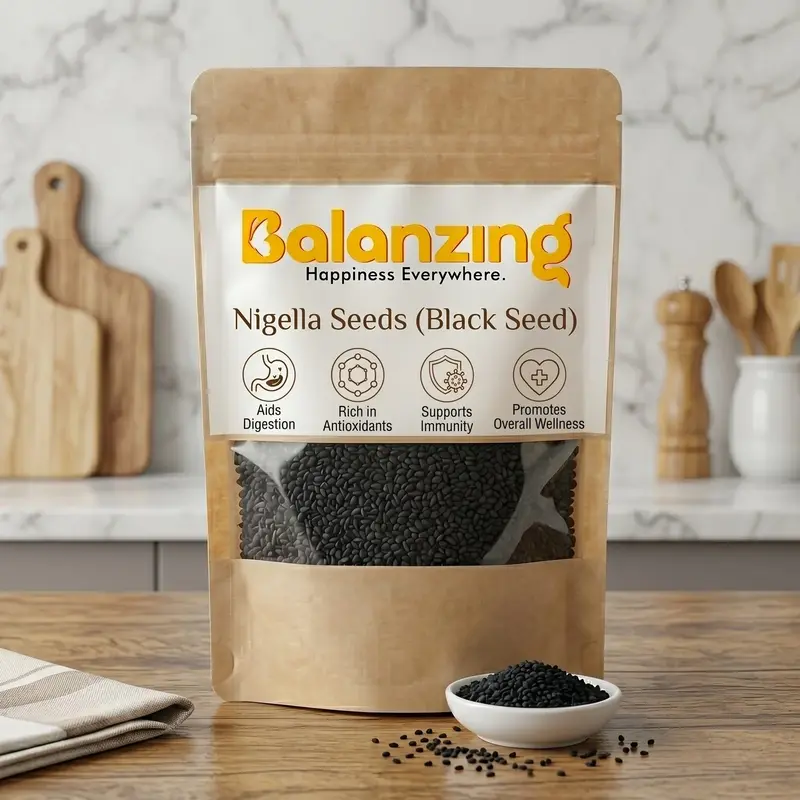
Nigella Seeds.
Tiny, jet-black seeds with a slightly triangular shape have been valued for centuries for both culinary and traditional wellness purposes, offering a distinctive aroma that is warm, peppery, and faintly bitter with subtle notes reminiscent of oregano and toasted onion; these remarkable seeds are harvested from delicate flowering plants and carefully dried to preserve their volatile oils, which are responsible for their bold fragrance and characteristic taste that enhances a wide range of savory dishes from flatbreads and curries to pickles and lentil preparations, while also being gently toasted to release deeper layers of flavor that transform everyday recipes into memorable meals; beyond their culinary charm, these seeds are appreciated for their dense nutritional profile, naturally containing beneficial plant compounds, essential fatty acids, trace minerals, and bioactive constituents that have been traditionally associated with supporting general wellbeing, making them a versatile addition to modern lifestyles focused on mindful eating and balanced nourishment; when incorporated into daily routines in moderate amounts, they can be sprinkled over salads, blended into spice mixes, stirred into warm beverages with honey, or infused into oils to create aromatic dressings that carry both flavor and functional value, and their crunchy texture provides a pleasant contrast when added to baked goods, savory crackers, or homemade snack blends; careful sourcing plays a crucial role in maintaining purity and potency, as high-quality batches are selected based on uniform color, clean appearance, and strong natural aroma without the presence of dust or impurities, followed by hygienic processing methods that ensure the seeds retain their inherent qualities without unnecessary additives or artificial enhancement; traditional practices across various cultures have long recognized these seeds as a pantry essential, often dry-roasted and ground into powders for convenient use, or soaked overnight to mellow their intensity before consumption, demonstrating their adaptability across preparation styles and personal preferences; modern research continues to explore the presence of naturally occurring antioxidants and other plant-based compounds within these seeds, contributing to growing interest among health-conscious consumers seeking simple, whole-food ingredients to complement an active routine, and their compatibility with diverse dietary patterns makes them suitable for plant-based meals, protein-rich preparations, and fiber-focused plans alike; in the kitchen, a small pinch can dramatically elevate soups, stews, and vegetable sautés, while blending them with garlic, herbs, and cold-pressed oils creates robust marinades that penetrate deeply into ingredients, offering complexity without overpowering the original flavors; storage is equally important, as keeping them in airtight containers away from moisture and direct sunlight helps preserve freshness and aromatic strength over time, ensuring that each spoonful delivers consistent taste and quality from the first use to the last; their role in traditional home remedies has contributed to a reputation for supporting respiratory comfort, digestive ease, and overall vitality, though they are best enjoyed as part of a varied and balanced diet rather than as a singular solution, and many households appreciate their multipurpose nature that bridges the gap between spice cabinet staple and functional food ingredient; the seeds can also be gently crushed and mixed into warm water, incorporated into fermented foods, or combined with other spices to craft signature blends tailored to regional cuisines, reflecting their long-standing presence in culinary heritage; visually striking against light-colored dishes, they add not only taste but aesthetic appeal, making them popular in artisanal breads and gourmet presentations where texture and contrast matter; farmers who cultivate these plants often rely on careful harvesting techniques to protect the fragile seed pods until they naturally mature, allowing the seeds to develop their full spectrum of flavor compounds before collection and drying; once cleaned and sorted, the final product embodies a balance of tradition and modern quality standards, appealing to chefs, home cooks, and wellness enthusiasts alike; incorporating them into everyday meals requires only small quantities due to their concentrated profile, and experimenting with light roasting can soften their sharpness while enhancing nutty undertones that pair beautifully with legumes and grains; their adaptability extends to infused condiments, where they can be steeped in vinegar or blended into chutneys for a distinctive kick that lingers pleasantly on the palate; as interest in heritage ingredients continues to grow, these seeds stand out for their historical significance, sensory richness, and compatibility with contemporary cooking styles that value authenticity and simplicity; whether folded into dough before baking, stirred into simmering sauces, or combined with citrus and herbs for refreshing dressings, they demonstrate how a humble seed can deliver remarkable depth; mindful consumption involves starting with small portions to appreciate their potency, gradually adjusting according to taste preferences and individual tolerance, ensuring an enjoyable culinary experience; from bustling marketplaces to modern kitchens, their journey reflects a blend of agricultural dedication, cultural appreciation, and evolving nutritional awareness, positioning them as a timeless ingredient capable of enriching both flavor profiles and daily nourishment in subtle yet meaningful ways, and their enduring popularity speaks to a universal appreciation for natural foods that connect tradition, taste, and thoughtful living in one compact, aromatic form.
Black cumin seeds
Nigella seeds for immunity boost
Organic black seeds
Nigella seeds for digestion support
Pure nigella spice
Nigella seeds for detox
Nigella seeds for metabolism
High-quality nigella seeds
Nigella seeds for respiratory wellness
Nigella seeds for hair growth
Edible black seeds India
Nigella seeds for skin care
Raw nigella seeds online
Nigella seeds for weight balance
Superfood nigella seeds
Nigella seeds for daily wellness
Top-grade nigella seeds
Nigella seeds for antioxidant support
Nigella seeds for heart health
Nigella seeds for natural vitality
Nigella Seeds Kerala
Nigella Seeds online store
Nigella Seeds price online
Nigella Seeds home delivery
Nigella Seeds store near me
Nigella Seeds wholesale supplier
Nigella Seeds wholesale price
Nigella Seeds discount offer
Nigella Seeds retail supplier
Nigella Seeds online shop
Nigella Seeds distributor
Nigella Seeds for weight loss
best deals on Nigella Seeds
bulk Nigella Seeds online
bulk Nigella Seeds supplier
bulk Nigella Seeds price
buy Nigella Seeds online
export quality Nigella Seeds
fresh Nigella Seeds online
gluten free Nigella Seeds
healthy Nigella Seeds snack
heart healthy Nigella Seeds
high protein Nigella Seeds
immunity boosting Nigella Seeds
keto friendly Nigella Seeds
natural Nigella Seeds food
nutritious Nigella Seeds snack
order Nigella Seeds online
organic Nigella Seeds online
premium Nigella Seeds online
roasted Nigella Seeds online
sliced Nigella Seeds
vegan Nigella Seeds
whole Nigella Seeds
organic premium Nigella Seeds
best quality Nigella Seeds
natural raw Nigella Seeds
roasted salted Nigella Seeds
jumbo size Nigella Seeds
roasted unsalted Nigella Seeds
Tiny, jet-black seeds with a slightly triangular shape have been valued for centuries for both culinary and traditional wellness purposes, offering a distinctive aroma that is warm, peppery, and faintly bitter with subtle notes reminiscent of oregano and toasted onion; these remarkable seeds are harvested from delicate flowering plants and carefully dried to preserve their volatile oils, which are responsible for their bold fragrance and characteristic taste that enhances a wide range of savory dishes from flatbreads and curries to pickles and lentil preparations, while also being gently toasted to release deeper layers of flavor that transform everyday recipes into memorable meals; beyond their culinary charm, these seeds are appreciated for their dense nutritional profile, naturally containing beneficial plant compounds, essential fatty acids, trace minerals, and bioactive constituents that have been traditionally associated with supporting general wellbeing, making them a versatile addition to modern lifestyles focused on mindful eating and balanced nourishment; when incorporated into daily routines in moderate amounts, they can be sprinkled over salads, blended into spice mixes, stirred into warm beverages with honey, or infused into oils to create aromatic dressings that carry both flavor and functional value, and their crunchy texture provides a pleasant contrast when added to baked goods, savory crackers, or homemade snack blends; careful sourcing plays a crucial role in maintaining purity and potency, as high-quality batches are selected based on uniform color, clean appearance, and strong natural aroma without the presence of dust or impurities, followed by hygienic processing methods that ensure the seeds retain their inherent qualities without unnecessary additives or artificial enhancement; traditional practices across various cultures have long recognized these seeds as a pantry essential, often dry-roasted and ground into powders for convenient use, or soaked overnight to mellow their intensity before consumption, demonstrating their adaptability across preparation styles and personal preferences; modern research continues to explore the presence of naturally occurring antioxidants and other plant-based compounds within these seeds, contributing to growing interest among health-conscious consumers seeking simple, whole-food ingredients to complement an active routine, and their compatibility with diverse dietary patterns makes them suitable for plant-based meals, protein-rich preparations, and fiber-focused plans alike; in the kitchen, a small pinch can dramatically elevate soups, stews, and vegetable sautés, while blending them with garlic, herbs, and cold-pressed oils creates robust marinades that penetrate deeply into ingredients, offering complexity without overpowering the original flavors; storage is equally important, as keeping them in airtight containers away from moisture and direct sunlight helps preserve freshness and aromatic strength over time, ensuring that each spoonful delivers consistent taste and quality from the first use to the last; their role in traditional home remedies has contributed to a reputation for supporting respiratory comfort, digestive ease, and overall vitality, though they are best enjoyed as part of a varied and balanced diet rather than as a singular solution, and many households appreciate their multipurpose nature that bridges the gap between spice cabinet staple and functional food ingredient; the seeds can also be gently crushed and mixed into warm water, incorporated into fermented foods, or combined with other spices to craft signature blends tailored to regional cuisines, reflecting their long-standing presence in culinary heritage; visually striking against light-colored dishes, they add not only taste but aesthetic appeal, making them popular in artisanal breads and gourmet presentations where texture and contrast matter; farmers who cultivate these plants often rely on careful harvesting techniques to protect the fragile seed pods until they naturally mature, allowing the seeds to develop their full spectrum of flavor compounds before collection and drying; once cleaned and sorted, the final product embodies a balance of tradition and modern quality standards, appealing to chefs, home cooks, and wellness enthusiasts alike; incorporating them into everyday meals requires only small quantities due to their concentrated profile, and experimenting with light roasting can soften their sharpness while enhancing nutty undertones that pair beautifully with legumes and grains; their adaptability extends to infused condiments, where they can be steeped in vinegar or blended into chutneys for a distinctive kick that lingers pleasantly on the palate; as interest in heritage ingredients continues to grow, these seeds stand out for their historical significance, sensory richness, and compatibility with contemporary cooking styles that value authenticity and simplicity; whether folded into dough before baking, stirred into simmering sauces, or combined with citrus and herbs for refreshing dressings, they demonstrate how a humble seed can deliver remarkable depth; mindful consumption involves starting with small portions to appreciate their potency, gradually adjusting according to taste preferences and individual tolerance, ensuring an enjoyable culinary experience; from bustling marketplaces to modern kitchens, their journey reflects a blend of agricultural dedication, cultural appreciation, and evolving nutritional awareness, positioning them as a timeless ingredient capable of enriching both flavor profiles and daily nourishment in subtle yet meaningful ways, and their enduring popularity speaks to a universal appreciation for natural foods that connect tradition, taste, and thoughtful living in one compact, aromatic form.
Nigella Seeds Thiruvananthapuram
Nigella Seeds Neyyattinkara
Nigella Seeds Varkala
Nigella Seeds Attingal
Nigella Seeds Kollam
Nigella Seeds Karunagappally
Nigella Seeds Punalur
Nigella Seeds Paravur
Nigella Seeds Pathanamthitta
Nigella Seeds Thiruvalla
Nigella Seeds Adoor
Nigella Seeds Pandalam
Nigella Seeds Alappuzha
Nigella Seeds Cherthala
Nigella Seeds Kayamkulam
Nigella Seeds Haripad
Nigella Seeds Kottayam
Nigella Seeds Changanassery
Nigella Seeds Pala
Nigella Seeds Vaikom
Nigella Seeds Idukki
Nigella Seeds Thodupuzha
Nigella Seeds Munnar
Nigella Seeds Kattappana
Nigella Seeds Kochi
Nigella Seeds Aluva
Nigella Seeds Perumbavoor
Nigella Seeds Muvattupuzha
Nigella Seeds Kothamangalam
Nigella Seeds Thrissur
Nigella Seeds Guruvayur
Nigella Seeds Irinjalakuda
Nigella Seeds Chalakkudy
Nigella Seeds Palakkad
Nigella Seeds Ottapalam
Nigella Seeds Shoranur
Nigella Seeds Chittur
Nigella Seeds Malappuram
Nigella Seeds Manjeri
Nigella Seeds Tirur
Nigella Seeds Ponnani
Nigella Seeds Perinthalmanna
Nigella Seeds Kozhikode
Nigella Seeds Vadakara
Nigella Seeds Koyilandy
Nigella Seeds Ramanattukara
Nigella Seeds Kalpetta
Nigella Seeds Sulthan Bathery
Nigella Seeds Mananthavady
Nigella Seeds Kannur
Nigella Seeds Thalassery
Nigella Seeds Payyannur
Nigella Seeds Mattannur
Nigella Seeds Kasaragod
Nigella Seeds Kanhangad
Nigella Seeds Nileshwar
Nigella Seeds, commonly known as Kalonji, are tiny black seeds that have been cherished for centuries for their distinct flavor and potential health benefits, offering a unique addition to both traditional and modern kitchens. Their slightly bitter, peppery taste and subtle aroma make them a versatile ingredient in a wide range of dishes, from breads and flatbreads to curries, pickles, and spice blends, and they are often used to enhance the visual appeal of foods as well as the flavor, adding a gentle complexity without overpowering the dish. In addition to their culinary uses, these seeds have a long history of inclusion in wellness practices, where they have been valued for supporting digestion, helping with occasional bloating, and encouraging a balanced appetite, as well as contributing beneficial plant compounds that may aid overall well-being; some people even incorporate them into teas, infusions, or smoothies to enjoy their subtle taste along with possible wellness benefits, always complementing a healthy diet. Their versatility in cooking is notable, as they can be dry-roasted to intensify flavor or lightly fried in oil to release aromatic oils, and even small amounts can transform a recipe, making them economical and easy to integrate into everyday meals. Nigella Seeds pair well with a variety of ingredients such as onions, tomatoes, yogurt, and other spices, and their striking contrast on light-colored foods adds both a decorative and flavorful element, making them suitable for casual meals as well as festive dishes. Proper storage in an airtight container in a cool, dry place helps maintain their natural oils and keeps their flavor intact for months, ensuring they remain a reliable ingredient in the pantry, unlike some spices that lose potency quickly. For those exploring different cuisines, the seeds offer an opportunity to experiment with flavors, whether sprinkled on breads, blended into spice mixes, or tempered in oil for curries, and their use is not limited to savory dishes alone, as some incorporate them into desserts or beverages for a subtle hint of flavor and aroma. While their traditional uses in home remedies highlight their role in wellness, from supporting digestion to enhancing general vitality, they are equally valued for the sensory qualities they bring to cooking, combining taste, aroma, and aesthetic appeal in a single ingredient. For new users, starting with a small amount allows gradual familiarization with their strong flavor, and as one experiments with different preparation methods, such as roasting, frying, or combining with other spices, it becomes easier to incorporate them seamlessly into a variety of dishes. Beyond their practical uses, Nigella Seeds carry a cultural and culinary legacy that spans generations, representing both a connection to traditional practices and a simple way to enhance modern cooking, reminding us that even the smallest ingredients can make a meaningful difference in both flavor and overall well-being. Incorporating them into daily meals offers a balance of taste, tradition, and subtle nutritional benefits, allowing people to enjoy not only the sensory pleasure of cooking but also the potential wellness advantages that have been recognized across different cultures for centuries, making them an indispensable part of a thoughtfully stocked pantry.Nigella Seeds, commonly known as Kalonji, are tiny black seeds that have been valued for centuries for their distinct aroma, slightly bitter yet pleasantly peppery taste, and a wide array of potential health and culinary benefits, making them a staple in traditional kitchens as well as a versatile ingredient in modern cooking; despite their small size, these seeds bring a subtle depth to dishes ranging from breads and flatbreads to curries, pickles, spice blends, and even salads, providing not just flavor but also visual contrast, which adds a decorative element to light-colored foods, while their aromatic qualities enhance the sensory experience of cooking and eating. Beyond their culinary appeal, Nigella Seeds have long been recognized for their contribution to wellness, where they are believed to support digestion, alleviate occasional bloating, encourage a balanced appetite, and introduce plant-based compounds that may aid general well-being, with some people incorporating them into herbal teas, infusions, or smoothies to enjoy these properties in a simple and natural way alongside a nutritious diet; historically, they have been part of many cultural practices, often included in home remedies and traditional recipes, reflecting a legacy that connects generations through both food and holistic health practices. Their versatility in the kitchen is impressive, as they can be dry-roasted to intensify their flavor, lightly fried in oil to release aromatic oils, or simply sprinkled over dishes to provide a mild crunch and distinct taste, making them an ingredient that is economical and easy to use, since even a small amount can transform the flavor profile of a dish without overpowering other spices and components. Nigella Seeds pair well with onions, tomatoes, yogurt, and a variety of spices, and their adaptability allows them to be used in both simple everyday meals and elaborate festive dishes, whether in traditional Indian recipes, Middle Eastern fare, or contemporary fusion cuisine, providing endless possibilities for experimentation while maintaining their characteristic aroma and taste. Proper storage is crucial to preserve their natural oils and flavor, and keeping them in an airtight container in a cool, dry place ensures that they remain potent for months, allowing home cooks and chefs to rely on them as a consistent pantry ingredient; unlike some spices that lose their effectiveness quickly, Nigella Seeds maintain their quality over time, which makes them not only practical but also a long-lasting addition to everyday cooking. For those new to using them, starting with a pinch or two is recommended, as the flavor can be strong, and gradually exploring different preparation methods—such as roasting, tempering in oil, or blending with other spices—helps in finding the right balance for various dishes, ensuring that the seeds complement rather than dominate the overall taste, while also allowing for creative experimentation across cuisines. In addition to their role in savory dishes, these seeds have been occasionally used in sweet preparations and beverages, where their subtle flavor adds an unexpected note of complexity, demonstrating their adaptability beyond conventional uses and showcasing the potential for culinary innovation. The health aspects of Nigella Seeds are also notable, as they are sometimes regarded as a natural support for digestion, occasional discomfort, and overall vitality, and though they are not a replacement for medical care or a balanced diet, incorporating them into meals or wellness routines has been a longstanding tradition in many cultures, highlighting the seeds’ dual function as both a flavoring agent and a part of holistic wellness practices. They are often ground to a fine powder or used whole depending on the recipe, allowing flexibility in application, whether mixed into spice blends, sprinkled over flatbreads and pastries, or infused into oils and teas to extract their aroma and taste. Beyond their practical uses, Nigella Seeds carry a cultural and historical significance that adds depth to their presence in kitchens today, representing a bridge between traditional practices and modern culinary exploration, while also symbolizing the small yet meaningful impact that a tiny ingredient can have on taste, presentation, and even wellness. Using them regularly in cooking not only enhances the sensory qualities of dishes but also introduces a small but valuable component of traditional knowledge, allowing cooks to participate in a practice that has been refined and appreciated across generations. From daily meals to special occasions, these seeds offer both aesthetic and flavorful benefits, making them an indispensable ingredient for anyone interested in exploring natural flavors and holistic cooking, while their subtle health benefits encourage a thoughtful approach to nutrition without relying on overwhelming quantities or artificial additives. By experimenting with different techniques—such as dry roasting to release nuttiness, frying in oil for deeper aroma, or adding them raw to preserve subtle flavors—home cooks can discover the versatility and enduring appeal of Nigella Seeds, integrating them seamlessly into both simple and complex recipes. Ultimately, they serve as a reminder that even the smallest ingredients can make a significant difference in cooking, enhancing dishes in taste, texture, and aroma while maintaining a connection to a rich culinary heritage; whether sprinkled on bread, blended into curries, added to pickles, or infused into drinks, Nigella Seeds embody the balance of tradition, flavor, and subtle wellness benefits, offering a small yet meaningful contribution to everyday life, making them a cherished and reliable component in any kitchen and a testament to the enduring value of natural, time-tested ingredients.Nigella Seeds, also known as Kalonji, are tiny black seeds that have been valued for centuries for their distinctive flavor and subtle aroma, making them a versatile ingredient in both traditional and modern kitchens, where they are used to enhance a variety of dishes such as breads, flatbreads, curries, pickles, and spice mixes, while also adding a decorative touch to light-colored foods; despite their small size, they carry a strong character that can transform ordinary meals into flavorful experiences, and they are appreciated not just for taste but also for their potential wellness benefits, as they have historically been included in home remedies and culinary traditions to support digestion, encourage a balanced appetite, and contribute plant-based compounds that may aid general well-being, with some people incorporating them into teas, infusions, or smoothies to enjoy their subtle taste alongside a nutritious diet. The seeds are highly versatile in the kitchen, as they can be dry-roasted to enhance their flavor, lightly fried in oil to release aromatic oils, or simply sprinkled over dishes to provide a mild crunch and a hint of spice, making them economical and easy to use since only a small amount is needed to achieve a noticeable impact on flavor, and they pair well with a variety of ingredients such as onions, tomatoes, yogurt, and other spices, fitting seamlessly into both simple everyday meals and elaborate festive dishes, whether used in traditional Indian recipes, Middle Eastern fare, or contemporary fusion cuisine. Proper storage is essential to maintain the quality of these seeds, and keeping them in an airtight container in a cool, dry place preserves their natural oils and aroma for months, ensuring that they remain a reliable pantry staple, unlike some spices that lose potency quickly; this makes them practical for home cooks and professional chefs alike, providing consistent flavor whenever they are needed. For new users, it is advisable to start with a small quantity to adjust to their strong flavor, and gradually experimenting with preparation methods such as roasting, tempering in oil, or mixing them with other spices can help achieve the desired taste balance, while also allowing for creative exploration across different cuisines and dishes. In addition to savory applications, these seeds can be used in subtle ways in beverages and some desserts, where they add a gentle complexity without overwhelming other flavors, demonstrating their adaptability beyond conventional uses. The health aspects of Nigella Seeds are often highlighted, as they have been traditionally used to support digestion, relieve occasional discomfort, and contribute to overall vitality; while they should not be considered a replacement for medical care or a balanced diet, their inclusion in meals or wellness routines reflects a longstanding cultural practice that integrates flavor with potential benefits for everyday health. The seeds can be used whole or ground depending on the recipe, which allows flexibility in culinary application, whether incorporated into spice blends, sprinkled on breads and pastries, or infused in oils and teas to extract their aroma and taste. Beyond practical uses, Nigella Seeds carry historical and cultural significance, representing a connection between generations and a bridge between traditional practices and modern cooking, highlighting the idea that even small ingredients can have a meaningful impact on taste, presentation, and wellness. Using them regularly in cooking not only enhances the sensory qualities of meals but also preserves a connection to traditional knowledge, allowing home cooks to continue a practice appreciated across centuries, combining flavor, aroma, and subtle nutritional contributions. From daily meals to special occasions, these seeds offer both visual and flavorful appeal, making them an indispensable ingredient for those interested in natural flavors and mindful cooking, while their gentle health benefits encourage thoughtful nutrition without reliance on artificial additives or overwhelming quantities. By exploring different techniques, such as dry roasting to bring out nuttiness, frying in oil to intensify aroma, or using them raw to maintain subtle flavor, cooks can discover the full potential of Nigella Seeds and integrate them seamlessly into a variety of recipes. Ultimately, these seeds illustrate that even the smallest ingredients can make a significant difference in cooking, enhancing dishes with taste, texture, and aroma while carrying a legacy of culinary tradition, allowing those who use them to enjoy the harmony of flavor, culture, and wellness in their daily kitchen routines.Nigella Seeds, commonly called Kalonji, are small black seeds that have been appreciated for centuries for their unique flavor, subtle aroma, and versatility in the kitchen, offering a simple way to elevate everyday meals while connecting with traditional culinary practices; despite their tiny size, they add a distinctive touch to breads, flatbreads, curries, pickles, spice mixes, and even salads, providing a balance of flavor and visual appeal that makes dishes more enjoyable without overwhelming other ingredients, and their mild bitterness and peppery notes make them suitable for a wide variety of recipes, whether simple or elaborate. Beyond their culinary appeal, these seeds have long been associated with general wellness, often included in home remedies or traditional practices to support digestion, maintain a balanced appetite, and provide beneficial plant compounds, and many people incorporate them into teas, infusions, or smoothies to enjoy their subtle qualities as part of a wholesome routine alongside a healthy diet; while not a replacement for medical advice, their historical use reflects a recognition of the seeds’ contribution to daily nutrition and overall well-being. Nigella Seeds are extremely versatile in cooking, as they can be dry-roasted to bring out a deeper, nuttier flavor, lightly fried in oil to release aromatic oils, or simply sprinkled raw over dishes to add a hint of texture and taste, making them economical and easy to use, since even a small pinch can influence the flavor of a meal; they pair naturally with ingredients such as onions, tomatoes, yogurt, and a variety of spices, fitting seamlessly into traditional Indian, Middle Eastern, or modern fusion recipes, and their adaptability allows cooks to experiment without risk of overpowering the dish. Proper storage is important to maintain the seeds’ freshness, and keeping them in a cool, dry place in an airtight container preserves their natural oils and flavor for months, ensuring they remain a reliable ingredient in the pantry and a consistent choice for both casual cooking and special occasions, unlike some spices that lose potency quickly; this practicality is one reason they have remained popular across generations. For those new to using these seeds, starting with a small amount is advisable, as their flavor can be strong, and experimenting gradually with techniques such as roasting, tempering in oil, or mixing them into spice blends can help achieve the desired taste balance while allowing creative exploration in different dishes and cuisines; their subtle flavor also makes them suitable for occasional inclusion in beverages or desserts, where they add complexity without being overpowering. The seeds’ potential wellness benefits are also noteworthy, as they have traditionally been used to support digestive comfort, occasional bloating, and overall vitality; while these effects are gentle, they contribute to a holistic approach to cooking and nutrition, demonstrating the value of integrating natural ingredients into everyday meals. Nigella Seeds can be used whole or ground, depending on the recipe, providing flexibility in culinary application, whether mixed into spice powders, sprinkled on breads and pastries, or infused in oils and teas to extract aroma and taste; this versatility allows cooks to adjust their use according to the needs of a particular dish while maintaining consistency in flavor. Beyond their practical uses, these seeds carry cultural and historical significance, representing a link between traditional practices and modern kitchens, reminding us that even small ingredients can make a meaningful impact on flavor, presentation, and daily wellness, and their continued popularity highlights their enduring appeal across different generations and culinary styles. Regular use of these seeds not only enhances the sensory qualities of meals but also helps preserve a connection to culinary heritage, allowing cooks to enjoy a blend of flavor, aroma, and subtle nutritional benefits in everyday cooking; from casual family meals to festive dishes, they provide both aesthetic and flavorful contributions that make them an indispensable addition to any pantry. By exploring different preparation methods—dry roasting to bring out nuttiness, frying in oil to release aroma, or using raw for subtle flavor—home cooks and chefs can maximize the potential of these seeds and incorporate them seamlessly into a variety of recipes, demonstrating that even the smallest ingredients can have a noticeable impact on taste, texture, and overall dining experience, while continuing to honor their historical and traditional significance in kitchens around the world. In essence, Nigella Seeds combine practicality, flavor, and wellness in a small package, offering a simple yet effective way to enrich dishes, maintain a touch of tradition, and enjoy the benefits of a natural ingredient that has stood the test of time, making them a valued and enduring choice for anyone looking to bring more depth and character to their meals.Tiny black seeds, often referred to as Kalonji in traditional kitchens, have been cherished for centuries for their unique flavor and subtle aroma, adding depth and character to a wide range of dishes from flatbreads and curries to pickles, spice mixes, and even some beverages, enhancing taste without overpowering other ingredients while providing a visually appealing contrast in lighter-colored foods; their mild bitterness and slightly peppery notes make them versatile in everyday cooking as well as festive meals, allowing cooks to experiment with flavors and textures in both simple and elaborate recipes. Beyond their culinary use, these small seeds have long been associated with wellness practices, with historical references noting their potential benefits for digestion, appetite regulation, and general vitality, and they are often incorporated into herbal teas, infusions, or smoothies to provide a gentle boost to overall well-being when combined with a balanced diet. Their versatility extends to different cooking techniques: they can be dry-roasted to intensify nuttiness, lightly fried in oil to release aromatic oils, or sprinkled directly over dishes for a subtle flavor enhancement, making them economical and convenient, since even a small amount is enough to transform a meal. They blend naturally with common ingredients like onions, tomatoes, yogurt, and a variety of spices, and are equally suited for traditional Indian, Middle Eastern, or contemporary fusion recipes, offering flexibility for both casual cooking and professional kitchens. Proper storage is key to preserving flavor and freshness, and keeping the seeds in an airtight container in a cool, dry place ensures their natural oils remain intact for months, maintaining consistent taste quality and aroma. For beginners, starting with a pinch or two is advisable due to the concentrated flavor, and gradually experimenting with roasting, tempering, or mixing them into spice blends can help achieve the desired balance in different dishes. In addition to savory preparations, these seeds can be used subtly in beverages or desserts, adding a gentle complexity that complements other flavors without being overwhelming. The wellness aspects of this ingredient are often highlighted, as it has traditionally been used to support digestive comfort and overall vitality, and while it is not a substitute for medical care or a balanced diet, its inclusion in meals or home remedies reflects centuries of cultural knowledge integrating flavor with potential health benefits. They can be used whole or ground depending on the recipe, offering flexibility whether incorporated into spice powders, sprinkled on breads and pastries, or infused in oils and teas to extract aroma and taste. Beyond practicality, these seeds carry historical and cultural significance, symbolizing the connection between traditional practices and contemporary cooking, showing how small ingredients can make a meaningful impact on flavor, presentation, and everyday wellness. Regular use not only enhances sensory qualities in meals but also preserves culinary heritage, providing aesthetic appeal and subtle nutritional support in family meals, festive occasions, and experimental dishes alike. Techniques like dry roasting to enhance nuttiness, frying in oil to release aroma, or adding them raw for gentle flavor allow cooks to maximize their potential while integrating them seamlessly into a variety of recipes, demonstrating that even tiny elements can elevate taste, texture, and overall dining experience. These small seeds combine practicality, flavor, and wellness, offering a natural, time-tested way to enrich dishes, maintain a connection to tradition, and introduce subtle benefits in everyday cooking, making them a valuable addition to any pantry and an enduring choice for those who appreciate both taste and holistic kitchen practices.
Why Choose Kalonji?
🛡️ Immunity Booster — Natural antioxidants
🔥 Enhances Digestion — Reduces bloating
⚖️ Sugar Balance — Helps regulate glucose
💇 Hair Nourishment — Strengthens roots
🌿 Anti-inflammatory — Daily wellness support
How to Enjoy
— Add to warm water
— Sprinkle on breads, rotis, salads
— Mix with honey for healing
🌿Balanzing Thought
“Tiny seeds, powerful protection — nature’s own shield.”
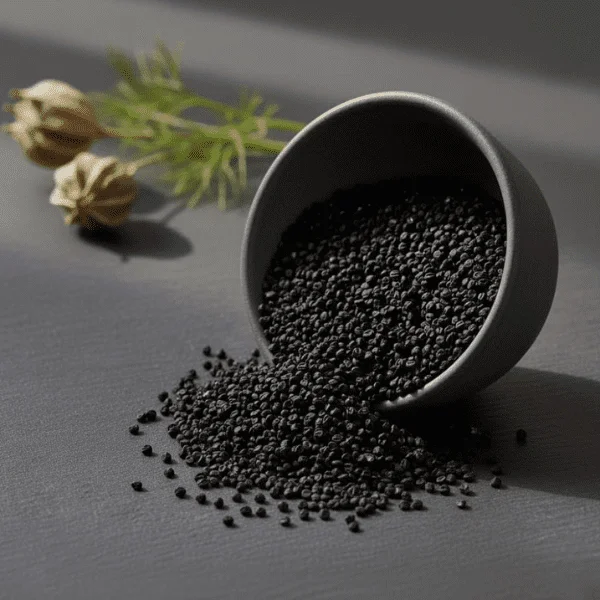
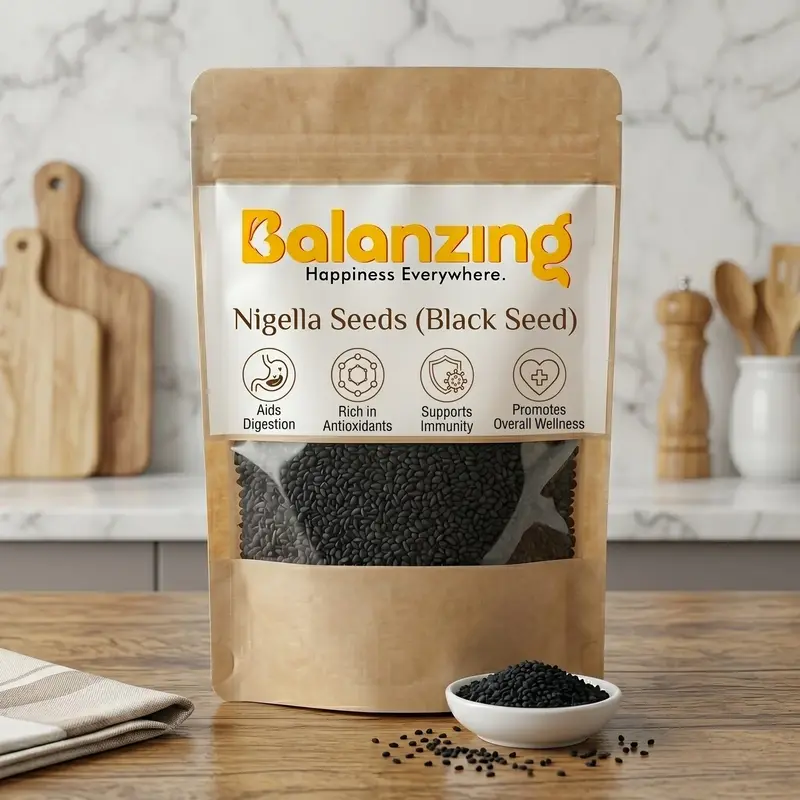
Can Nigella Seeds be used as a topping for baked goods and snacks?
Yes! Nigella Seeds can be sprinkled on breads, crackers, and roasted snacks to enhance flavor, add a subtle crunch, and provide natural nutritional benefits, making them a versatile addition to both sweet and savory dishes.

user –
Excellent quality Nigella Seeds! I noticed improved digestion after regularly adding it to my meals. Very happy with this purchase, highly recommend to anyone who loves healthy cooking.
user –
I use Kalonji in my pickles and morning parathas. The seeds are clean and very flavorful. Delivery was quick too. Would definitely buy again.
user –
I bought this Nigella Seeds pack for my daily cooking. The aroma is so fresh, and it adds the perfect flavor to my curries and breads. Truly high-quality and worth every penny!
user –
As a regional wholesaler, I’ve been sourcing Nigella Seeds from Balanzing for the past year, and the consistency has been outstanding. The seeds are fresh, aromatic, and well-cleaned, which makes resale easy for my retail clients. Packaging is secure, and bulk orders always arrive on time. My customers appreciate the strong flavor and quality, leading to repeat purchases every month. Balanzing has become a reliable partner for maintaining both quality standards and steady supply.