


Description
Almonds
Why Choose Almonds?
🧠 Supports brain function
✨ Vitamin E for glowing skin
🔥 Clean, long-lasting energy
💪 Strengthens muscles
❤ Heart-healthy fats
How to Enjoy
— Eat soaked overnight
— Add to oats, smoothies, or desserts
— Use in shakes or laddoos
✨Balanzing Thought
“Strength begins with simple, steady choices.” 🌰

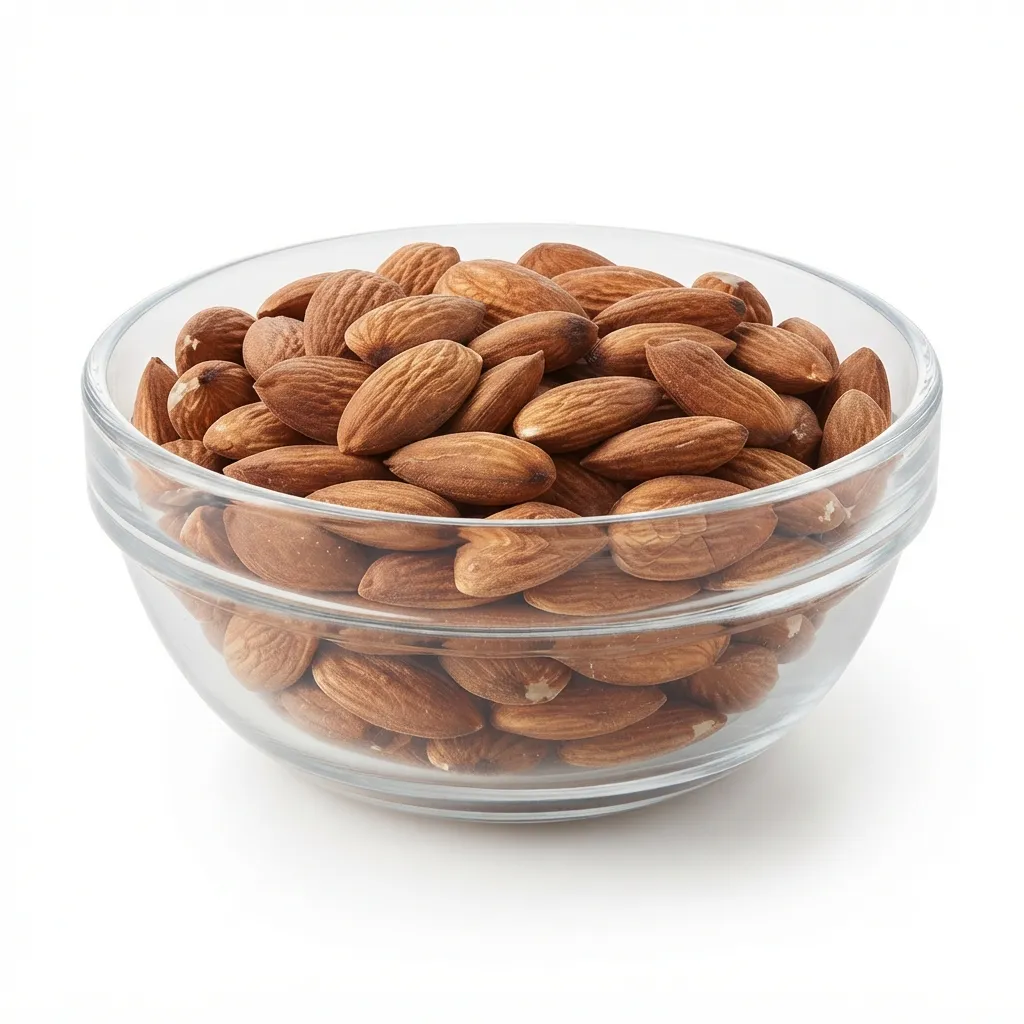
Almonds have earned their place as one of the most trusted everyday superfoods, and it’s not hard to see why. A small handful delivers a dense mix of healthy fats, plant protein, fibre, vitamins, and minerals — all wrapped in a satisfying crunch that works just as well straight from the packet as it does stirred into a smoothie or scattered over breakfast. Whether you’re new to almonds or already a regular buyer looking to understand the different varieties on the market, this guide walks through everything worth knowing: the health benefits, the different forms almonds come in, how to choose quality, and where to find them — including across Kerala’s cities and towns. At their core, almonds are simply a nutrient-dense seed, but the range of benefits they offer makes them genuinely hard to replace with anything else. Daily nutrition with almonds is one of the easiest habits to build because they require zero preparation — open the packet, and you’re done. A small daily serving contributes healthy monounsaturated fats, dietary fibre, magnesium, vitamin E, and a meaningful dose of plant-based protein, making them a staple for anyone trying to eat a little better without overhauling their entire diet. Skin-nourishing almonds have long been associated with healthier-looking skin, largely thanks to their vitamin E content, which supports the skin’s natural barrier and helps protect against everyday environmental stress. The same nutrient profile extends to hair health — hair-strengthening almonds are a popular addition to diets focused on stronger, shinier hair, since the biotin, magnesium, and healthy fats they contain support the scalp and hair follicles from the inside out. Beyond the surface-level benefits, overall wellness almonds are often recommended as part of a balanced lifestyle simply because they check so many boxes at once — sustained energy, better satiety, and a nutrient profile that supports several body systems simultaneously rather than just one. For anyone who experiences the mid-afternoon energy slump, energy-boosting almond bites are a genuinely useful snack option. The combination of protein, fibre, and healthy fat slows digestion, which means the energy release is steady rather than the sharp spike-and-crash pattern associated with sugary snacks. This same steady-release quality is why almonds for metabolic wellness come up so often in nutrition conversations. A diet that supports stable blood sugar and steady energy tends to support healthier metabolic function overall, and almonds fit neatly into that pattern as a whole-food option rather than a processed one. Weight-managing almond bites might sound counterintuitive given that nuts are calorie-dense, but portion-controlled almonds are frequently included in weight management plans precisely because they’re satisfying in small amounts. A modest handful can curb hunger for hours, which often means fewer unplanned snacks later in the day. Almonds for weight loss diets work best when treated as a controlled, mindful addition rather than an unlimited snack — moderation is the key word here. Almonds for detox support are popular among people building cleaner eating habits, since almonds contain no additives, no refined sugar, and a fibre content that supports healthy digestion — an important piece of the body’s natural detoxification process. Immune-enhancing almonds and immunity boosting almond snacks are frequently mentioned together because of the vitamin E, zinc, and antioxidant compounds almonds naturally contain, all of which play a supporting role in a well-functioning immune system. Heart healthy almond consumption has also been widely studied, and almonds for heart vitality are often recommended as part of heart-conscious eating patterns. Their unsaturated fat profile, combined with fibre and plant sterols, makes them a smart substitute for less heart-friendly snack choices. Hormonal balance with almonds is a topic that comes up frequently in wellness circles, largely because almonds are a good source of magnesium and healthy fats — both of which play a role in supporting the body’s hormonal processes. While no single food is a cure-all, almonds are a sensible addition to a diet aimed at overall hormonal and metabolic stability. Antioxidant-rich almond varieties, particularly those with the skin intact, carry flavonoids and polyphenols that help the body manage everyday oxidative stress. This is one of the lesser-known but genuinely valuable reasons almonds are considered a functional food rather than just a snack. Protein-rich almond options are especially popular among people following vegetarian or plant-based diets, since almonds offer a meaningful protein contribution without any animal products. Paired with their natural energy release, almonds for natural energy are a favourite among students, professionals, and anyone needing sustained focus without relying on caffeine or sugar. Not all almonds are the same, and choosing the right variety often depends on how you plan to use them. Roasted almonds are a favourite for straightforward snacking — the roasting process deepens the flavour and adds a satisfying crunch. Within this category, roasted salted almond and roasted unsalted almond options cater to different preferences: salted for a more indulgent snack, unsalted for those watching sodium intake or preferring the natural nutty flavour to shine through. Raw almonds, sometimes labelled raw almond online or natural raw almond, are unroasted and unprocessed, retaining the maximum nutrient profile. They’re often preferred by people who want almonds in their most natural state, whether for direct snacking or for use in cooking and baking where they’ll be processed further anyway. Sliced almond pieces are a kitchen essential for bakers and home cooks — perfect for topping cakes, salads, or breakfast bowls where a whole almond would be impractical. Similarly, smoothie-ready almond pieces are pre-processed for convenience, saving the extra step of chopping or blending whole almonds each time. Whole almond kernels remain the most versatile format, suited equally to snacking, cooking, or gifting. For those specifically looking for edible almond kernels India sourced and processed to high standards, quality control at every stage — from sourcing to packaging — makes a noticeable difference in taste and freshness. Jumbo size almond varieties are prized for their larger kernel size and are often chosen for gifting, premium snack boxes, or simply for buyers who prefer a heartier bite. Culinary-flavor almonds cover a broader category — think lightly spiced, herb-coated, or flavour-infused varieties designed specifically for recipes and entertaining rather than everyday snacking. Not every almond on the shelf is created equal, and understanding a few quality indicators goes a long way. Premium-quality almonds and best quality almond labels typically indicate careful sorting, consistent kernel size, and minimal breakage — all signs of proper handling from farm to package. Export quality almond standards go a step further, often reflecting stricter sorting, moisture control, and packaging suited to international shipping requirements, which usually translates to a fresher, more consistent product for the end buyer. Organic almond snacks online have grown in popularity as more buyers look for options free from synthetic pesticides and fertilisers. Organic premium almond varieties combine both qualities — the cleaner growing process alongside careful sorting and grading — appealing to buyers who care about both health and quality simultaneously. For those with specific dietary needs, gluten free almond and vegan almond labelling matters. Almonds are naturally free of gluten and animal products, but proper labelling and processing facilities, free from cross-contamination, remain important for anyone with allergies or strict dietary requirements. Keto friendly almond options are also widely sought after, given almonds’ low net-carb, high-fat profile that fits neatly into ketogenic eating patterns. Natural almond food purists often look specifically for minimally processed options — nothing added, nothing taken away — while nutritious almond snack buyers are typically comparing overall nutrient density across brands before deciding. For buyers across Kerala, almond availability has expanded significantly in recent years, with reliable options now reaching far beyond the state’s major cities into smaller towns as well. In the south, buyers searching for almond Thiruvananthapuram, almond Neyyattinkara, almond Varkala, and almond Attingal now have consistent access to quality stock, whether through local retail outlets or online delivery. Moving along the coast and inland, almond Kollam, almond Karunagappally, almond Punalur, and almond Paravur round out strong coverage across the district. Further north, almond Pathanamthitta, almond Thiruvalla, almond Adoor, and almond Pandalam serve the central Kerala belt, while almond Alappuzha, almond Cherthala, almond Kayamkulam, and almond Haripad cover the backwater region’s towns and cities. The Kottayam district sees demand from almond Kottayam, almond Changanassery, almond Pala, and almond Vaikom, while hill-region buyers in almond Idukki, almond Thodupuzha, almond Munnar, and almond Kattappana increasingly have the same access to quality almonds as buyers in larger cities. Ernakulam district coverage spans almond Kochi, almond Aluva, almond Perumbavoor, almond Muvattupuzha, and almond Kothamangalam, reflecting the district’s status as a major commercial hub. Thrissur’s demand includes almond Thrissur, almond Guruvayur, almond Irinjalakuda, and almond Chalakkudy, while Palakkad district buyers are served across almond Palakkad, almond Ottapalam, almond Shoranur, and almond Chittur. Malappuram district coverage includes almond Malappuram, almond Manjeri, almond Tirur, almond Ponnani, and almond Perinthalmanna, and the Kozhikode region spans almond Kozhikode, almond Vadakara, almond Koyilandy, and almond Ramanattukara. Up in Wayanad, buyers in almond Kalpetta, almond Sulthan Bathery, and almond Mananthavady have growing access to fresh stock, while Kannur district coverage extends across almond Kannur, almond Thalassery, almond Payyannur, and almond Mattannur. Finally, in the northernmost district, almond Kasaragod, almond Kanhangad, and almond Nileshwar round out statewide availability from the southern tip to the Karnataka border. This kind of district-wide reach means that no matter where in Kerala you’re based, quality almonds are no longer limited to metro-city shoppers alone. Not all almonds travel the same journey from orchard to packet, and understanding a bit about sourcing helps explain why prices and quality vary so widely across sellers. Almonds are grown in specific climatic conditions — well-drained soil, warm dry summers, and controlled irrigation — which means quality naturally varies by growing region and harvest season. Reputable suppliers typically work with established growing regions and maintain consistent relationships season after season, rather than sourcing opportunistically from whichever supplier offers the lowest price that particular month. This consistency is one of the quieter reasons premium-quality almonds and best quality almond labels tend to come from sellers with longer track records rather than newer, unproven ones. Processing standards matter just as much as growing conditions. After harvest, almonds go through hulling, shelling, sorting, and grading before they ever reach a packet. Export quality almond standards typically involve stricter sorting for size uniformity, moisture control to prevent spoilage, and more rigorous quality checks throughout — all of which contribute to a noticeably better eating experience, even if the difference isn’t always obvious from packaging alone. For buyers specifically prioritising organic almond snacks online, sourcing transparency becomes even more important. Organic certification isn’t just about the absence of synthetic pesticides during growing — it also covers handling and processing standards designed to prevent contamination with non-organic products along the supply chain. Buyers who care about this distinction should look for sellers willing to be transparent about their certification and sourcing process rather than using the word “organic” loosely. Almonds have a rare ability to fit into nearly any dietary approach, which is part of why they’ve remained popular across so many different eating patterns over the years. For fitness-focused eaters, protein-rich almond content makes them a natural pre- or post-workout snack, offering sustained energy alongside a modest protein boost that supports muscle recovery when paired with a broader protein-rich diet. For plant-based and vegan eaters, vegan almond products serve as a reliable source of healthy fats and plant protein, and almond-based milk and butter alternatives have become genuine dairy substitutes rather than niche products relegated to specialty stores. For low-carb and keto followers, keto friendly almond options fit neatly into macro targets thanks to their low net-carb count relative to their fat and fibre content, making them one of the more forgiving snack choices for anyone tracking carbohydrate intake closely. For those managing gluten sensitivities, gluten free almond products offer peace of mind, provided processing facilities maintain proper separation from gluten-containing products — a detail worth confirming with any seller if cross-contamination is a genuine health concern rather than just a preference. For families and children, almonds, age-appropriate and properly prepared, such as slivered or ground for younger children to reduce choking risk, offer a nutrient-dense addition to lunchboxes and after-school snacks, delivering the same energy-boosting almond bites benefit adults get, just in smaller, kid-friendly portions. For older adults, the combination of healthy fats, fibre, and micronutrients supports several aspects of long-term wellness, from heart health to bone-supporting magnesium content, making almonds a sensible addition across a wide age range rather than a food limited to any one life stage. The shift toward online shopping has made almond purchasing significantly more convenient. An almond online store typically offers a wider selection than most physical retail counters — raw, roasted, sliced, flavoured, organic, and premium varieties all available in one place, with almond price online comparisons just a search away. Almond home delivery has become a standard expectation rather than a bonus feature, with most reputable sellers offering doorstep delivery across cities and increasingly into smaller towns as well. For buyers who still prefer a physical shopping experience, searching almond store near me remains a common starting point, though online options often provide better variety and more competitive pricing. For retailers, caterers, or anyone buying in larger quantities, an almond wholesale supplier relationship can offer meaningful savings. Almond wholesale price structures typically scale favourably with volume, making bulk almond online purchasing an attractive option for businesses and households that go through almonds regularly. Buyers specifically searching for bulk almond supplier options or comparing bulk almond price across vendors should prioritise sellers who can demonstrate consistent quality at scale, not just the lowest price point — since inconsistent bulk quality can end up costing more in returns and wastage than it saves upfront. An almond retail supplier serving smaller shops and local stores plays a different but equally important role, ensuring that even smaller outlets have consistent access to fresh, quality stock. Meanwhile, an almond distributor operating across a wider region helps bridge the gap between large-scale sourcing and local availability, keeping supply chains efficient from source to shelf. Value-conscious shoppers often look specifically for an almond discount offer or seasonal promotions, and it’s worth watching for these around festival seasons when demand — and often supply — both increase. Searching for the best deals on almond across a few trusted sellers before committing to a large order is a sensible habit, as is checking freshness dates rather than choosing purely on price. For those who want convenience without sacrificing quality, an almond online shop that combines competitive order almond online pricing with reliable delivery timelines tends to offer the best overall experience. Fresh almond online listings, in particular, are worth prioritising over older stock that may have been sitting in inventory for extended periods, since almond freshness directly affects both flavour and nutritional value. One of the biggest reasons almonds have stayed a kitchen staple for generations is sheer versatility. They rarely feel repetitive, because there are so many ways to work them into a daily routine. Straight snacking remains the simplest use case — a small bowl of roasted almonds on the desk, or a packet tossed into a bag for the commute. This is where roasted salted almond and roasted unsalted almond varieties shine, offering instant satisfaction with zero preparation. Breakfast additions are another easy win. Sliced almond pieces scattered over oatmeal, yogurt, or a fruit bowl add texture and a nutrient boost without changing the character of the dish. Whole almond kernels chopped roughly serve the same purpose for those who prefer a heartier bite in the morning. Smoothies and shakes benefit enormously from smoothie-ready almond pieces, which blend more easily than whole nuts and add a creamy richness along with their nutritional payload. A handful blended into a banana or mixed-berry smoothie turns a simple drink into a more complete, filling meal replacement. Baking and desserts rely heavily on sliced almond and whole almond varieties, from classic almond-topped cakes to cookies, granola bars, and homemade energy bites. Raw almonds are often preferred here, since the baking process itself handles any additional roasting needed. Savoury cooking is an often-overlooked use case. Almonds — particularly raw or lightly roasted — work beautifully in pilafs, stir-fries, and salads, adding crunch and subtle nuttiness without overwhelming other flavours. Culinary-flavor almonds, with their spiced or herb-infused profiles, are especially suited to entertaining and recipe experimentation. Homemade almond milk and almond butter have also grown in popularity as more households look for plant-based alternatives to dairy. Raw almonds, soaked overnight, are the standard starting point for both, offering a fresher, more customisable alternative to store-bought versions. Even the best almonds lose quality if stored poorly, so a few simple habits go a long way toward preserving both flavour and nutrition. Keep them airtight. Almonds exposed to open air gradually lose their crunch and can pick up moisture, which affects both texture and shelf life. Store away from heat and light. A cool, dark pantry shelf is ideal; direct sunlight and heat accelerate the natural oils in almonds turning rancid. Refrigerate for longer shelf life. For buyers who purchase in bulk, refrigeration or even freezing significantly extends freshness, particularly for raw almonds which have a shorter natural shelf life than roasted varieties. Separate flavoured and plain varieties. Culinary-flavor almonds and salted varieties can transfer aroma to plain or raw almonds if stored together in poorly sealed containers. Buy only what you’ll use in a reasonable window. Fresh almond online purchases in smaller, more frequent batches often deliver a better eating experience than one large order that sits in storage for months. With so many sellers, formats, and price points available, it helps to break the decision down into a few practical questions rather than getting overwhelmed by choice. Are you buying for daily snacking or occasional use? If almonds are a daily habit, a mid-sized regular order from a reliable almond online store — balancing freshness with convenience — usually works better than a single massive bulk purchase that risks going stale before it’s finished. Are you buying for a business or household? Caterers, retailers, and anyone using almonds at scale should be comparing almond wholesale price and bulk almond price across a shortlist of vetted suppliers, prioritising consistency over the single lowest quote. An unreliable bulk almond supplier can end up costing more in wasted stock than a slightly pricier but dependable one. Do you have specific dietary requirements? Buyers looking for gluten free almond, vegan almond, or keto friendly almond products should double-check labelling and processing standards rather than assuming all almonds automatically meet these criteria — cross-contamination during processing is the main risk factor to watch for. Do you prioritise organic or conventional? Organic premium almond options typically cost more but appeal to buyers focused on minimising pesticide exposure. Conventional premium-quality almonds, meanwhile, can still offer excellent quality and taste at a more accessible price point — the choice often comes down to personal priorities rather than one option being objectively superior. How important is delivery speed and reliability? For time-sensitive orders — gifting, events, or simply restocking before running out — prioritising a seller with dependable almond home delivery timelines matters just as much as the product quality itself. Most nutrition guidance suggests a small handful, roughly a small palm-sized portion, as a sensible daily serving — enough to gain the benefits of protein-rich almond content and healthy fats without overdoing calorie intake. Both roasted almonds and raw almonds offer similar core nutrition. Roasting can slightly reduce certain heat-sensitive nutrients, but the difference is generally minor. The bigger factor to watch is added salt or oil in roasted varieties — opt for roasted unsalted almond options if sodium intake is a concern. Weight-managing almond bites work primarily through satiety — the protein and fibre combination helps curb hunger, which can reduce overall calorie intake across the day when almonds replace less filling, more processed snacks. Portion control remains essential, since almonds are calorie-dense. Edible almond kernels India typically refers to the processed, shelled nut ready for direct consumption, as distinct from raw almonds still in their shells. For most everyday buyers, this is simply the standard form almonds are sold in. Compare a few trusted sellers on freshness, almond price online, delivery reliability, and product variety rather than choosing based on price alone. Reading recent reviews and checking packaging dates, where available, helps avoid older stock. Skin-nourishing almonds and hair-strengthening almonds are backed by their vitamin E, biotin, and healthy fat content, which support skin barrier function and hair strength from within. They work best as part of a broader balanced diet rather than a standalone fix. Almonds occupy a rare space in the food world — genuinely nutritious, endlessly versatile, and easy to fit into almost any diet or lifestyle. Whether the priority is skin and hair health, steady energy, heart support, weight management, or simply a reliable everyday snack, almonds consistently deliver on multiple fronts at once. The key is choosing quality: understanding the difference between raw and roasted, recognising what premium and export-quality labelling actually means, and buying from sellers who prioritise freshness and proper sourcing over just the lowest price. For buyers across Kerala — from Thiruvananthapuram in the south to Kasaragod in the north — and for anyone shopping online for daily snacking, gifting, or bulk business needs, Balanzing has built a reputation around exactly these priorities: consistently fresh stock, transparent sourcing, and reliable delivery whether you’re ordering a single pack or placing a wholesale order. For a snack this simple, getting the sourcing right makes all the difference — and that’s the standard worth holding any seller to.
Few foods manage to be both endlessly simple and genuinely impressive at the same time, but almonds pull it off effortlessly. A small, unassuming kernel that requires no cooking, no preparation, and no special equipment somehow manages to pack in a remarkable range of nutrients, flavours, and uses that few other everyday foods can match. It’s easy to overlook something so familiar, but almonds deserve a closer look, both for what they offer nutritionally and for how naturally they fit into modern life. Walk into almost any kitchen, office, gym bag, or lunchbox, and there’s a good chance you’ll find almonds tucked away somewhere. Part of what makes them so universally adopted is their sheer convenience. There’s no chopping board required, no wait time, no mess. Open a packet and you’re eating within seconds. That kind of frictionless accessibility matters more than people often give it credit for, especially in a world where most healthy eating advice requires planning, prepping, or at least a few extra minutes that busy days simply don’t allow. Almonds sidestep all of that. They’re ready the moment you are. But convenience alone wouldn’t explain why almonds have held their place in diets across so many cultures for centuries. The real reason is what’s actually inside that small, crunchy shell. A modest handful delivers a genuinely impressive nutritional profile — a mix of healthy fats, plant-based protein, dietary fibre, and a long list of vitamins and minerals that few single foods manage to combine so efficiently. It’s this density that has earned almonds a reputation as one of the more complete snack options available, capable of contributing meaningfully to a balanced diet without requiring any combination with other foods to round things out. The fat content in almonds often surprises people who assume “healthy eating” means avoiding fat altogether. In reality, the type of fat matters far more than the simple presence of it, and almonds lean heavily toward the kind of unsaturated fat that supports rather than undermines overall wellbeing. This is one of the quieter reasons almonds have become a staple recommendation in so many balanced eating patterns — they offer satiety and flavour without leaning on the kind of fat that raises concern. Alongside the fat, almonds bring a respectable amount of plant protein to the table, which is part of why they’ve become such a popular option for anyone following a vegetarian or plant-forward diet. Getting enough protein without relying on animal products can be a genuine challenge, and almonds offer a simple, no-effort way to close part of that gap. A handful added to a meal or eaten between meals contributes meaningfully toward daily protein needs, especially when paired with other plant-based protein sources throughout the day. Fibre is another quiet strength. It’s easy to underestimate how much of a role fibre plays in everyday digestive comfort, steady energy, and even appetite regulation, but almonds contribute a solid dose of it in every serving. This fibre content is part of why almonds tend to be more filling than their small size might suggest — a modest handful can genuinely curb hunger for a meaningful stretch of time, which makes them a smart choice for anyone trying to avoid the mindless snacking that often creeps in during long afternoons or late evenings. Beyond the macronutrients, almonds carry a notable dose of vitamin E, an antioxidant that plays a supporting role in skin health, cellular protection, and general wellbeing. They also offer magnesium, a mineral involved in hundreds of processes throughout the body, from energy production to muscle function. Add in smaller but still meaningful contributions of calcium, iron, and a handful of other micronutrients, and it becomes clear why almonds are so often described as nutrient-dense rather than simply “healthy” in a vague, general sense. Every component seems to be doing some kind of work. What makes almonds particularly appealing, though, isn’t just the individual nutrients — it’s how naturally they fit into so many different eating styles and life stages. Someone focused on fitness might reach for almonds as a pre-workout boost or a post-exercise recovery snack, appreciating the steady energy release that comes from the combination of protein, fat, and fibre working together rather than the sharp spike and crash associated with sugary alternatives. Someone managing their weight might appreciate the same qualities from a different angle, using a small portion of almonds as a way to stay satisfied between meals without derailing broader calorie goals. Someone simply looking to eat a bit better overall might add almonds to breakfast, work them into a salad, or keep a small container at their desk purely as a smarter alternative to less nutritious snack options. There’s also a comforting simplicity to how almonds can be incorporated into daily life without demanding any real behavioural change. Nobody needs to learn a new recipe or rearrange their routine to start eating almonds regularly. They slot into existing habits rather than requiring new ones — sprinkled over a morning bowl, blended into a midday smoothie, eaten by the handful during an afternoon lull, or scattered over an evening meal for a bit of texture and crunch. This adaptability is a big part of why almonds have remained relevant across so many different food trends and dietary philosophies over the years. Whether someone is following a specific eating plan or simply trying to eat a little more thoughtfully day to day, almonds tend to fit without friction. Texture plays a bigger role in almonds’ popularity than people often acknowledge. There’s something satisfying about the crunch — a sensory element that plain fruit or soft snacks simply can’t replicate. That crunch factor matters more than it might seem on paper, because satisfaction from eating isn’t purely nutritional; it’s psychological too. A food that feels satisfying to eat is one people return to naturally, without needing willpower or reminders. Almonds check that box in a way that’s easy to underestimate until you compare them to snacks that leave you reaching for more just minutes later. Flavour versatility adds another layer to almonds’ broad appeal. In their most natural form, they carry a mild, slightly earthy taste that pairs well with almost anything — sweet or savoury, simple or elaborate. That neutrality is actually a strength. It means almonds can be dressed up with a touch of seasoning for a more indulgent snack, or left completely plain for those who prefer minimal processing and the most natural expression of the ingredient itself. Few foods offer that same flexibility, where the base ingredient works equally well left alone or transformed into something entirely different depending on how it’s prepared. There’s also something to be said for how well almonds travel, both literally and figuratively. Unlike foods that need refrigeration or careful handling, almonds hold up well across a wide range of conditions, making them ideal for travel, long workdays, outdoor activities, or anywhere fresh food isn’t practical to carry. This resilience has made them a reliable companion for hikers, travellers, students, and busy professionals alike — people who need something dependable that won’t spoil, crumble, or require any special care between the moment it’s packed and the moment it’s eaten. It’s also worth acknowledging the sheer staying power almonds have had across generations and cultures. Long before modern nutrition science put numbers to their benefits, almonds were already valued across various culinary traditions for their versatility and nourishment. That kind of enduring relevance says something. Trends in food come and go with surprising speed, but almonds have managed to remain a constant, adapting to new contexts — whether that’s a modern smoothie bowl, a traditional dessert, or a simple handful eaten on its own — without ever really falling out of favour. For anyone looking to build slightly better habits without overhauling their entire approach to eating, almonds offer one of the lowest-effort, highest-reward additions available. There’s no need for elaborate meal planning or complicated substitutions. It’s simply a matter of keeping a supply on hand and reaching for them instead of less nourishing alternatives when the moment calls for a snack. Over time, small swaps like this tend to add up in ways that are easy to underestimate in the moment but meaningful when viewed across weeks and months. Ultimately, what makes almonds special isn’t any single standout feature — it’s the combination of practicality, nutrition, versatility, and genuine enjoyment all wrapped into one small, unassuming package. They don’t demand attention the way trendier “superfoods” sometimes do, and they don’t require any lifestyle overhaul to incorporate. They simply work, quietly and consistently, as a smarter everyday choice for anyone looking to eat a little better without making eating any more complicated than it needs to be. There’s also an interesting social dimension to almonds that rarely gets discussed alongside their nutritional profile. Because they’re so easy to share, portion, and offer to others, they’ve become a quiet staple of hospitality across many cultures — the kind of thing set out in a bowl when guests arrive, or handed around during a gathering without any fuss. There’s a simplicity to that gesture that feels almost old-fashioned in a good way, a reminder that not every food needs elaborate presentation to feel thoughtful. A small dish of almonds placed on a table communicates a kind of effortless generosity that more complicated snacks rarely manage in the same way. The way almonds are grown also deserves a moment of appreciation, even for those who never think much about where their food comes from. Almond trees require patience — years pass between planting and a tree’s first meaningful harvest, and the growing process itself depends on a careful balance of climate, water, and soil conditions that can’t simply be rushed or forced. There’s something worth respecting in a food that takes that long to reach maturity, especially in a world where so much of what ends up on supermarket shelves is grown and processed at increasing speed. That patience, in a small way, is baked into every handful eaten. It’s also worth thinking about almonds in the context of how eating habits have shifted over the past couple of decades. As more people have moved away from heavily processed snack foods and started paying closer attention to ingredient lists, whole foods like almonds have benefited from that shift in attention. They represent, in many ways, the opposite of what people are increasingly trying to avoid — no long list of unfamiliar ingredients, no artificial additives, nothing hidden behind a label designed to obscure rather than inform. What you see is genuinely what you get, and in an era of increasing scrutiny over food transparency, that straightforwardness carries real value. There’s also a quiet resilience to almonds when it comes to how they perform under different storage and handling conditions compared to many other snack foods. Fresh produce wilts, softens, or spoils within days. Baked goods go stale within hours of leaving the oven. Almonds, by contrast, hold their character for weeks or even months when stored properly, without losing much of what makes them appealing in the first place. That durability isn’t just a convenience — it reduces waste, simplifies planning, and means a stocked pantry rarely has to worry about almonds being the item that goes bad before it gets used. For parents, almonds often become an early, easy way to introduce more nutrient-dense foods into a child’s diet, once appropriately prepared for age and chewing ability. The mild flavour tends to be far more approachable for younger palates than many other nutrient-dense foods, which often carry stronger or more unusual tastes that take some getting used to. A finely chopped or ground almond stirred into a familiar dish can quietly boost its nutritional value without changing the overall eating experience enough to draw resistance — a small trick that many households have relied on for years without necessarily thinking of it in those terms. For older adults, almonds offer something slightly different but equally valuable: an easy way to maintain nutrient intake even as appetite or energy for elaborate meal preparation naturally declines with age. A handful of almonds requires no chewing struggles beyond what any firm food would demand, no complicated preparation, and delivers a meaningful nutritional contribution in a small, manageable portion. For anyone supporting an older family member’s diet, or simply planning for their own longer-term eating habits, almonds represent one of the more sustainable additions precisely because they remain just as easy to eat and enjoy decades into the future as they are today. It’s also interesting to consider almonds through the lens of mindful eating, a concept that’s become increasingly popular as people look for ways to slow down and be more intentional about food. Almonds, almost by accident, encourage a kind of natural mindfulness. Because they’re eaten one at a time, or in small handfuls rather than large mouthfuls, there’s a built-in pacing to the experience that many faster, softer snacks simply don’t offer. Eating almonds tends to be a slightly slower, more deliberate process, which can naturally support better portion awareness without requiring any conscious effort toward restraint. There’s a broader lesson buried in almonds’ enduring popularity, too — one about the value of simplicity in a food landscape that increasingly rewards complexity, novelty, and constant reinvention. Almonds haven’t needed rebranding, reformulation, or a marketing overhaul to stay relevant. They’ve simply remained good at what they’ve always been good at: offering solid, dependable nutrition in a form that requires no persuasion to enjoy. In a world of ever-changing food trends, there’s something almost refreshing about a food that doesn’t need to chase relevance because it never really lost it in the first place. At the end of the day, almonds aren’t flashy, and they don’t need to be. Their appeal comes from doing the fundamentals exceptionally well — nourishing, satisfying, versatile, and endlessly practical, without asking much of the person eating them beyond simply reaching for a handful. That understated reliability, more than anything else, is probably the real reason almonds have earned such a lasting place in kitchens and pantries everywhere, and why that place seems unlikely to change anytime soon.
Choosing simple foods can make everyday eating more enjoyable, practical, and balanced, especially when those foods can fit naturally into different routines and occasions. A small handful of a wholesome snack can provide a convenient option during busy mornings, work breaks, travel, study sessions, or after physical activity. This kind of food can also add variety to meals without requiring complicated preparation, making it easier for people to build consistent eating habits. Its pleasant crunch and naturally satisfying character can make it enjoyable on its own, while its versatility allows it to become part of many different recipes and meal combinations. From breakfast bowls and homemade snacks to salads, baked dishes, smoothies, and traditional preparations, it can be used in creative ways according to personal preferences. One of the most useful qualities of a nutrient-rich snack is its ability to complement an overall balanced eating pattern rather than requiring a major change in lifestyle. Foods that contain beneficial fats, plant-based protein, dietary fibre, vitamins, and minerals can contribute to a varied diet when consumed as part of appropriate portions and alongside other nutritious foods. Healthy eating does not always need to involve complicated meal plans or unfamiliar ingredients. Sometimes, making small and realistic choices throughout the day can support better consistency. A convenient snack can help reduce dependence on highly processed options when someone needs something quick between meals. Keeping a suitable portion available at home, at work, or while travelling can make a nutritious choice easier to reach when hunger appears unexpectedly. This can be particularly useful for people with busy schedules who may otherwise skip meals or rely heavily on convenience foods. Texture also plays an important role in food enjoyment. A crisp bite can provide a satisfying eating experience and make simple meals feel more interesting. Combining different textures can improve the appeal of dishes, whether a crunchy topping is added to a soft breakfast bowl, mixed into a fresh salad, or included in a homemade snack mixture. Flavour is another reason versatile foods remain popular across different eating styles. A naturally mild taste can work well with both sweet and savoury ingredients, allowing the same food to be included in numerous recipes. It can be paired with fruits, oats, yoghurt, vegetables, grains, spices, or other ingredients to create different combinations without becoming repetitive. This flexibility can encourage people to experiment with meals while maintaining familiar ingredients in their routine. For individuals who enjoy preparing food at home, versatile ingredients can also reduce the need to purchase numerous specialty products. A single pantry staple can be incorporated into several recipes, helping create variety while keeping preparation manageable. Storage and convenience are equally important in everyday food choices. Foods that can be stored appropriately and used over several days can be useful for households looking to maintain practical snack options. Proper storage helps preserve freshness and quality, while portioning in advance can make it easier to manage consumption throughout the day. Planning small portions for work, school, travel, or outdoor activities can also make healthy eating more convenient. For families, introducing nutritious foods in enjoyable and familiar ways can help create positive eating experiences. Children may respond well when new foods are presented alongside ingredients they already enjoy, while adults can explore different recipes that suit their schedules and preferences. Older adults may also appreciate foods that are easy to incorporate into familiar meals and snacks. Individual nutritional needs can vary significantly with age, lifestyle, activity level, and overall dietary pattern, so variety and balance remain important considerations. People who exercise regularly may look for convenient foods that complement their active routines, while those with more sedentary schedules may focus on satisfying options that fit comfortably within their daily meals. Regardless of lifestyle, a sustainable approach generally comes from choices that are realistic enough to maintain over time. Food should not only provide nourishment but should also be enjoyable and practical. When people genuinely like the foods available to them, maintaining consistent eating habits can become easier. This is why versatility can be such a valuable quality in everyday ingredients. A familiar item can be enjoyed in different forms, preventing meals from feeling monotonous while allowing people to adjust recipes according to changing preferences. Seasonal fruits, vegetables, whole grains, dairy or suitable alternatives, legumes, seeds, and other nutrient-dense foods can all contribute to a varied eating pattern. Including different food groups can provide a broader range of nutrients and make meals more satisfying. Rather than relying on one particular ingredient to meet every nutritional need, a balanced diet works through the combination of many foods consumed regularly. Mindful eating can also improve the relationship people have with snacks and meals. Paying attention to hunger, fullness, flavour, texture, and portion size can encourage people to eat more intentionally instead of consuming food automatically while distracted. Taking a short break to enjoy a snack can turn an ordinary moment into a more satisfying experience. This approach does not require strict rules; instead, it encourages awareness and moderation. Busy lifestyles often make it difficult to maintain ideal routines every day, so having simple options available can support better choices when circumstances become unpredictable. Work deadlines, travel, family responsibilities, study commitments, and exercise schedules can all influence eating patterns. A practical food option can help bridge the gap between meals and reduce the temptation to choose less nourishing alternatives simply because they are immediately available. Cultural traditions also demonstrate how versatile ingredients can become part of everyday food habits. Across different cuisines, familiar pantry foods are often adapted into desserts, savoury dishes, snacks, beverages, toppings, and festive preparations. This adaptability allows people to enjoy traditional flavours while incorporating useful ingredients into modern meal ideas. For households, this can make food preparation more interesting and encourage experimentation in the kitchen. Growing and sourcing food also connect everyday eating with agriculture and food production. Understanding where ingredients come from can encourage greater appreciation for the effort involved in cultivation, harvesting, processing, packaging, and distribution. Choosing quality foods and storing them responsibly can help households reduce unnecessary waste and make better use of the ingredients they purchase. Food quality is influenced by freshness, storage conditions, handling, and preparation, so paying attention to these details can improve the overall eating experience. Ultimately, healthy eating is less about perfection and more about building practical habits that can be followed consistently. Simple ingredients can play a meaningful role when they are included as part of varied meals and sensible portions. Their convenience, texture, versatility, and ability to complement many recipes make them useful additions to everyday routines. Whether enjoyed during a busy workday, included in a family meal, packed for travel, or used creatively in home cooking, nutritious foods can make balanced eating feel more approachable. Developing sustainable habits takes time, and small improvements can gradually become part of a normal routine. By choosing a variety of wholesome foods, paying attention to portions, enjoying meals mindfully, and keeping convenient options available, people can create an eating pattern that is both practical and enjoyable. The goal is not to make food complicated but to make everyday choices more thoughtful, varied, and sustainable.Healthy eating does not always require complicated recipes, strict meal plans, or major changes to a daily routine. Simple and practical food choices can make a meaningful difference when they are included consistently as part of a varied diet. Having nutritious options available at home, at work, or while travelling can make it easier to manage hunger and avoid relying too often on highly processed snacks. Convenient foods are especially useful for people with busy schedules because they can be enjoyed with little or no preparation. A small serving can be packed into a lunch box, carried during a journey, kept at a workplace, or included in a snack prepared for school. This type of convenience can help people maintain better eating habits even when their daily routines change. Food variety is another important part of enjoying meals. Different flavours, textures, colours, and combinations can make everyday eating more interesting and satisfying. Crunchy ingredients can add contrast to softer foods such as yoghurt, porridge, smoothies, or cooked vegetables, while mild flavours can work well with both sweet and savoury recipes. This flexibility gives people the freedom to experiment with different meal ideas according to their preferences. A familiar ingredient can be used in breakfast dishes, homemade snacks, salads, baked recipes, desserts, or traditional preparations, allowing one food to become part of many different meals. Home cooking can also become easier when versatile ingredients are available in the pantry. Instead of purchasing many different products for individual recipes, households can use a smaller selection of useful ingredients in several ways. This can make meal planning more manageable and encourage people to prepare food at home more regularly. Preparing snacks in advance can also save time during busy days. Portions can be arranged before leaving for work or school, making it easier to choose a suitable snack when hunger develops between meals. Planning ahead can be especially helpful during travel, long working hours, study sessions, outdoor activities, or other situations where access to fresh food may be limited. Nutritional balance is best achieved through a combination of different food groups rather than depending on one particular food. Fruits, vegetables, whole grains, legumes, dairy products or suitable alternatives, seeds, and other nutrient-rich foods can each contribute different nutrients to the overall diet. Including a variety of foods can support a broader nutritional pattern and make meals more satisfying. Portion awareness is also useful because even nutritious foods need to be consumed in suitable amounts according to individual needs and eating patterns. People have different nutritional requirements depending on age, activity level, lifestyle, and other personal factors, so there is no single approach that works equally for everyone. Someone who exercises regularly may have different meal and snack requirements from someone with a mostly sedentary routine. Families may also need to adapt food choices according to the preferences and needs of children, adults, and older family members. Creating enjoyable eating experiences can help make nutritious choices feel natural rather than restrictive. Children may be more interested in new foods when they are introduced alongside familiar meals, while adults may enjoy experimenting with different combinations and recipes. Older adults can benefit from convenient foods that can easily be incorporated into familiar dishes and regular routines. The presentation of food can also influence enjoyment. Adding a crunchy topping to a breakfast bowl, mixing ingredients into a homemade snack, or using them in a baked recipe can provide a different experience from eating the same food on its own. These small changes can help prevent meals from becoming repetitive. Mindful eating is another simple practice that can encourage greater awareness around food. Taking time to notice flavour, texture, hunger, and fullness can help people become more conscious of what and how much they are eating. Eating slowly and paying attention to a meal can also make a simple snack feel more satisfying. Mindful eating does not require complicated rules or strict restrictions. It is mainly about being present while eating and understanding personal hunger and fullness signals. Busy lifestyles can make this challenging, but even small moments of attention can help create better habits over time. Food storage is also an important part of maintaining quality and reducing waste. Keeping ingredients in suitable containers and following appropriate storage practices can help preserve freshness and make pantry management easier. Organising frequently used foods in accessible places can encourage people to use what they already have instead of purchasing unnecessary alternatives. Good planning can also reduce food waste by helping households purchase and prepare realistic quantities. The connection between food and agriculture is another aspect worth appreciating. Before reaching a kitchen or dining table, food may pass through several stages including cultivation, harvesting, processing, packaging, transportation, and distribution. Understanding this process can encourage greater appreciation for the work involved in producing everyday foods. Different regions and cultures also have their own traditions surrounding ingredients and meals. Foods that are common in one cuisine may be prepared very differently in another, demonstrating how adaptable simple ingredients can be. Traditional recipes often combine familiar ingredients with local flavours, cooking methods, and seasonal practices. Modern home cooking can build on these traditions by introducing new combinations while keeping preparation practical. For people who enjoy fitness and active lifestyles, convenient snacks can also become part of a broader routine that includes regular movement, adequate hydration, sufficient rest, and balanced meals. Food alone does not determine overall wellbeing, and healthy habits usually work together as part of a wider lifestyle. Regular physical activity, good sleep, stress management, and a varied diet can all contribute to maintaining a sustainable routine. It is also important to avoid viewing healthy eating as an all-or-nothing process. Occasional less nutritious choices do not automatically undo an otherwise balanced pattern. What matters more is the overall consistency of daily habits. Small improvements can gradually become normal parts of everyday life when they are realistic and enjoyable. Keeping simple foods available, preparing meals ahead of time, trying new recipes, and paying attention to portions are practical steps that can support this approach. Ultimately, the most useful eating routine is one that can be maintained comfortably over time. Food should provide nourishment while also fitting naturally into a person’s lifestyle, preferences, budget, and schedule. Simple ingredients can offer convenience, flexibility, and variety without requiring complicated preparation. By combining different food groups, enjoying meals mindfully, planning snacks, storing ingredients properly, and maintaining variety, people can develop an eating pattern that feels practical and sustainable. Rather than focusing on perfection, building consistent habits through small and manageable choices can make everyday nutrition easier to follow and more enjoyable in the long term.
Building a healthy and enjoyable eating routine starts with choosing foods that are practical enough to fit naturally into everyday life. People often have different schedules, responsibilities, preferences, and eating habits, so flexibility is important when planning meals and snacks. A useful food option is one that can be enjoyed in several ways without requiring complicated preparation. It can become part of a quick breakfast, a convenient snack, a homemade recipe, or a simple addition to a regular meal. This flexibility can make daily food choices easier, especially for people who spend long hours at work, school, or outside the home. Preparing food in advance can also support a more organised routine. Simple portions can be packed into containers and kept ready for busy mornings, office breaks, travel, or outdoor activities. Having something suitable available can reduce the need to make rushed decisions when hunger appears. It can also encourage people to think about their meals before the day becomes busy. Planning does not have to involve a strict schedule. Even small preparations, such as arranging ingredients the night before or keeping frequently used foods within easy reach, can save time and make cooking more convenient. Variety is equally important because eating the same meals repeatedly may eventually become boring. Using familiar ingredients in different recipes can create new experiences without making cooking unnecessarily difficult. A crunchy addition can improve the texture of a soft dish, while a mild ingredient can balance stronger flavours. Combining foods with different colours and textures can also make meals more appealing. Breakfast bowls, salads, homemade snack mixes, baked foods, desserts, and savoury dishes can all be adjusted according to individual taste. This allows people to enjoy food in ways that match their personal preferences while still maintaining variety throughout the week. Another useful aspect of everyday nutrition is understanding that no single food needs to provide everything the body requires. A balanced eating pattern usually includes different types of foods that contribute different nutrients. Fresh produce can provide important vitamins and minerals, whole grains can contribute carbohydrates and fibre, legumes can add plant-based protein, and other foods can provide fats and additional nutrients. Combining these groups creates greater variety and can make meals more satisfying. Portion size also matters, as nutritional needs differ between individuals. Age, physical activity, daily routine, and overall eating pattern can influence how much food someone needs. Rather than following the same portions as another person, it can be helpful to pay attention to personal hunger and fullness. This can support a more comfortable and sustainable approach to eating. Families may need additional flexibility because different members can have different preferences. Children may prefer simple flavours and familiar textures, while adults may enjoy experimenting with recipes and seasonings. Older family members may appreciate foods that can be easily incorporated into familiar meals. Introducing ingredients gradually and preparing them in enjoyable ways can help create positive experiences around food. Mealtimes can also become opportunities for families to spend time together, share recipes, and develop healthier habits collectively. The environment in which people eat can influence their experience as well. Eating while constantly distracted by phones, television, or work may make it harder to notice hunger and fullness signals. Taking a few minutes to concentrate on a meal can encourage mindful eating and allow people to appreciate flavour and texture. Eating slowly may also provide more time to recognise when enough food has been consumed. Mindful eating does not mean avoiding favourite foods or following strict rules. Instead, it encourages awareness and balance. People can enjoy treats occasionally while still maintaining a generally nutritious pattern. This balanced approach may be easier to maintain than a routine based on excessive restrictions. Convenience is another major consideration in modern lifestyles. Long working hours, commuting, studies, family responsibilities, and travel can make regular meal preparation difficult. Keeping simple foods available can provide an alternative to frequently choosing heavily processed snacks. Portable options can be particularly useful during journeys or days when access to a full meal is limited. Preparing small snack portions can make carrying food easier and can also help prevent excessive eating directly from a large package. Storage should be considered when keeping foods at home. Suitable containers and appropriate conditions can help maintain freshness and quality. Organising pantry items clearly can make it easier to identify what is available and use ingredients before they are forgotten. Good storage habits can also reduce waste and help households make better use of their grocery purchases. Food waste can often be reduced through simple planning, such as purchasing realistic quantities, storing foods properly, and using leftovers creatively. Cooking at home provides another opportunity to develop practical habits. Homemade meals allow people to control ingredients, portions, preparation methods, and combinations. Cooking does not always need to be elaborate. Simple meals prepared with a few familiar ingredients can be both satisfying and convenient. Trying one new recipe at a time can gradually expand cooking skills without creating unnecessary pressure. Traditional recipes can also provide inspiration because many cultures have developed creative ways to combine everyday ingredients. Family recipes passed through generations can offer both nutritional variety and a connection to cultural traditions. Modern cooking can adapt these ideas according to available ingredients and personal preferences. Food choices are also connected to agriculture and the wider supply chain. The journey from cultivation to harvesting, processing, packaging, transportation, and retail involves many people and processes. Appreciating this journey can encourage more responsible purchasing and greater awareness of food quality. Choosing suitable quantities and using products carefully can contribute to reducing unnecessary waste. Reading storage instructions and checking freshness can also help maintain quality. For active individuals, food choices are only one part of maintaining a healthy lifestyle. Regular movement, adequate rest, hydration, and recovery can all support physical wellbeing. People who exercise may prefer convenient foods before or after activity, while others may simply need practical snacks during a busy day. There is no single routine that suits everyone, so individual preferences and circumstances should be considered. Sustainable habits are usually created through realistic choices rather than temporary changes that are difficult to maintain. Small steps, repeated consistently, can become part of normal life over time. Someone may begin by preparing snacks at home, adding more variety to meals, drinking enough water, or paying greater attention to portion sizes. These simple actions can gradually contribute to a more organised and balanced routine. It is also important to maintain a positive relationship with food. Eating should provide nourishment, enjoyment, and satisfaction rather than constant worry about making perfect choices. Occasional changes in routine are normal, and one meal does not determine the overall quality of a person’s diet. Looking at eating habits across days and weeks provides a more realistic perspective. By keeping nutritious choices accessible, experimenting with different recipes, planning meals when possible, practising mindful eating, and maintaining variety, people can create routines that are easier to follow for the long term. The most effective approach is often one that feels comfortable, flexible, and enjoyable. Simple foods can become valuable parts of everyday meals when they are used thoughtfully and combined with a wide range of other ingredients. With practical planning and consistent habits, healthy eating can become less complicated and more naturally integrated into daily life.
How can I include Balanzing almonds in my everyday meals for natural wellness?
Balanzing almonds are incredibly versatile and can be enjoyed in numerous ways. Sprinkle them on cereals, blend into smoothies, mix into baked goods, or enjoy as a standalone snack. Consistent inclusion in your diet can support energy, digestion, and overall vitality while providing a simple and natural way to enhance your daily nutrition.





user –
I ordered almonds from Balanzing and I’m really happy with the purchase. The quality is excellent, with a fresh taste and perfect crunch. The packaging was secure, and everything arrived in great condition. It’s a reliable option for daily use, and I’ll definitely continue buying from Balanzing.
user –
I recently ordered almonds from Balanzing and had a very good experience. The product arrived on time, and the quality was exactly what I expected—clean, well-sorted, and full of flavor. I’ve been using them in my daily routine, and they are perfect for both snacking and adding to recipes. Highly satisfied with Balanzing.
user –
I purchased almonds from Balanzing for my daily snacking, and I’m really impressed with the quality. The nuts are fresh, crunchy, and have a naturally rich taste. The packaging was neat and kept everything intact. It’s a great option for anyone looking for a healthy snack, and I’ll definitely buy again from Balanzing.
user –
As a retailer dealing in premium dry fruits, I’m highly satisfied with the almonds from Balanzing. The size is uniform, the texture is fresh, and the taste consistently meets customer expectations. My clients often look for quality and value, and Balanzing almonds deliver both, helping me maintain repeat sales. The packaging is secure for bulk handling, and deliveries are always on time. Partnering with Balanzing has strengthened my product range and customer trust.