
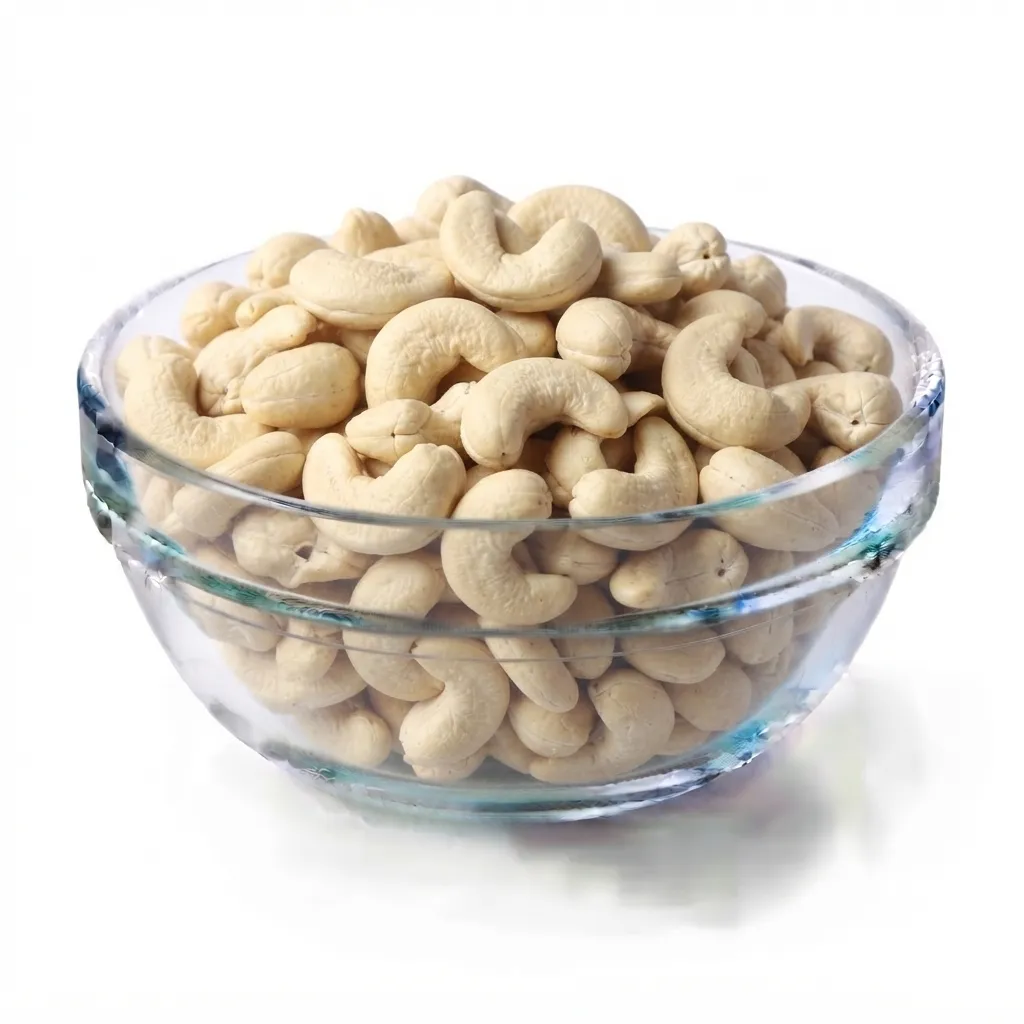
Description
Why Choose Cashews?
🥥 Rich, creamy energy
💛 Good for heart health
🌿 Supports immunity
🔥 Boosts metabolism
✨ Great for skin & hair
How to Enjoy
— Snack directly
— Add to gravies & curries
— Use in smoothies or desserts
🌿Balanzing Thought
“A little creaminess can soften the hardest days.” 🤍
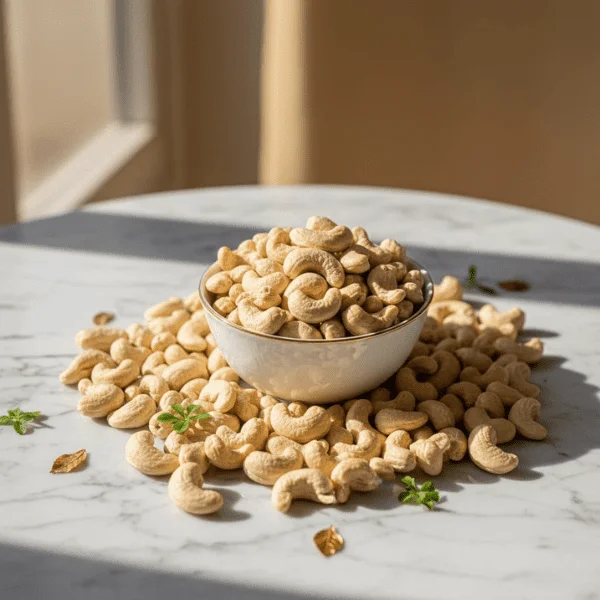
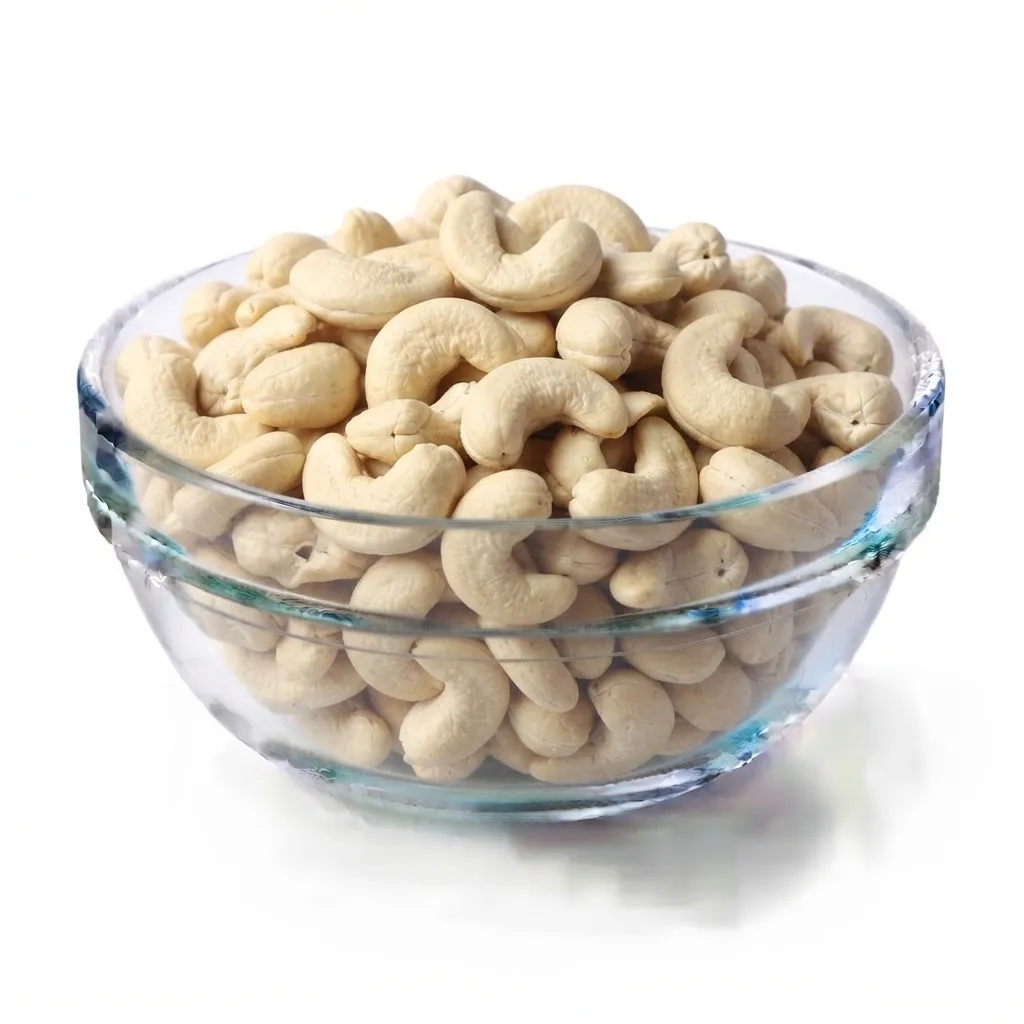
Cashew Nuts – Premium, Healthy andVersatile The story of Cashew Nuts.
Cashews are a delicious, versatile snack loved at home in recipes, blended into smoothies, and eaten just as food throughout the day. With their buttery creaminess, naturally flavorful taste and crunchy softness, cashews are a naturally satisfying snack that perfectly complements any eating style. From Roasted Cashews and high-quality cores to raw, salted, unsalted, sliced and jumbo options, cashews fit effortlessly into a wide range of meals and snacks so you can enjoy the many benefits of Cashew nuts for creamy nutrition anywhere.
Energy-boost cashew bites are the perfect snack for a filling meal on the go. Their organically rich body makes them perfect for Crunch Bit Cashew Snacks Cashew nuts for everyday well-being can be integrated into a varied nutrition. Our high-quality roasted cashew kernels are best suited for a straightforward snack, but whole or sliced kernels can also be used to enhance desserts, breakfast bowls, salads, stews and baked goods.
Nutritious Cashew Options for Everyday Eating
Cashews Are valued for their blend of wholesome Fats, plant proteins, minerals, and other Essential nutrients. Heart-supporting cashews can be Enjoyed As part of an overall healthy diet that includes a variety of Nuts, seeds, fruits, vegetables, whole grains and more nutritious foods. Smoothie-boosting cashew pieces can be added to your favorite smoothie recipe for a creamy texture and great nutty flavor.
Keyword Reaches from our end for consumers hasndful of common as- keywords related to people searching for searching for Best cashew nuts Indiaand are as such asss follows. Food /snacks/ traditional items cashew nuts for skin renewal Cashew nuts for hair is nourishment. Please note one may not single handedly result to blessings to skin & Hair.
Protein rich cashew kernels may also serve as components of food and snack menus where a need for plant protein. Nutrition rich cashew nuts may be served for healthy diet planning. The immune enhancers cashew bites may be served in healthy diets, while the metabolic enzyme cashew nuts may be served for healthy diet planning. Other calories from the cashew may help meet your daily calorie needs.
Premium Cashew Kernels and Snack Varieties
Snacks for Convenience Cashew nuts for snacking are great for home, work, travel, or on the road, and when meeting friends. With many antioxidant qualities, cashew snacks for snacking can be part of a diverse diet combined with fruits, vegetables, beans, whole grains, and other nourishing foods. Cashew nuts for energy boost can be a nutritional snack option when consumed as part of a balanced diet.
Castred kernels for recipes are great for everything. Finely chopped for desserts, blended into sauces, sprinkled in stir-fries, mixed into rice dishes or sprinkled on traditional Indian sweets, cashew nuts for health consciousness can be managed into snack packs for a more streamlined snacking.
Buy Cashew Nuts Kerala Customers searching for Cashew Nuts Kerala will find a lot of options of cashew products available in Kerala. Cashews are available in different flavours and styles of preparation to suit the tastes and recipes.
Cashew Nuts Across Kerala
Cashew Nuts Thiruvananthapuram Cashew Nuts Neyyattinkara Cashew Nuts Varkala Cashew Nuts Attingal Cashew Nuts Kollam, Kerala You can order cashew nuts from many online stores cashew nuts from Thiruvananthapuram and offline stores as cashew nuts stores from Thiruvananthapuram. In the same way there is a demand for cashew nuts stores in many areas like –.
Find cashew nuts karunagappally, cashew nuts punalur, cashew nuts paravur and cashew nuts pathanamthitta to choose, various varieties of the product by specific product type, packaging, amount and price. The cashew nuts thiruvalla, cashew nuts adoor and cashew nuts pandalam are also searched by the customers by location and route so that they get the product available nearby.
In central Kerala like cashew nuts Cherthala, cashew nuts Kayamkulam, and cashew nuts Haripad home delivery panjabi; customers can compare flavors of cashew nuts Alappuzha, cashew nuts Cherthala, cashew nuts Kayamkulam, and cashew nuts Haripad for their preference and necessity. Customers can also search for cashew nuts Kottayam, cashew nuts Changanassery, cashew nuts Pala, and cashew nuts Vaikom for online shopping and various brands.
High-range: cashew nuts Idukki, cashew nuts Thodupuzha, cashew nuts Munnar and cashew nuts Kattappana searches are common for shopping for cashew products in high-range regions. Ernakulam: cashew nuts Kochi, cashew nuts Aluva, cashew nuts Perumbavoor, cashew nuts Muvattupuzha, cashew nuts Kothamangalam are among the searches customers in Ernakulam would be searching for when shopping for cashew nuts.
Cashew nuts Thrissur, Cashew nuts Guruvayur, cashew nuts Irinjalakuda and Cashew nuts Chalakkudy are all Search Volumes for buying cashew products in various formats and varieties. Similarly, Cashew nuts Palakkad, cashew nuts Ottapalam, cashew nuts Shoranur and cashew nuts Chittur are Location based Search Volumes for buying cashew nuts.
Compare and Buy Cashew Nut in Malappuram and Kozhikode While searching for cashew nuts malappuram cashew nuts manjeri cashew nuts tirur cashew nuts ponnani cashew nuts Perinthalmanna cashew nuts kozhikode cashew nuts northern kerala cashew nuts vadakara cashew nuts koyilandy and cashew nuts ramanattukarayou may search for cashew in Malappuram, Kozhikode.
Customers for Wayanad cashew nuts Kalpetta, cashew nuts Sulthan Bathery, cashew nuts Mananthavady can use these search phrases. For consumers in Kannur, the search phrases can include cashew nuts Kannur, cashew nuts Thalassery, cashew nuts Payyannur, and cashew nuts Mattannur. The customer for cashew nuts in Kasaragod can use the search terms such as cashew nuts Kasaragod, cashew nuts Kanhangad, and cashew nuts Nileshwar.
Convenient Online Cashew Shopping
Finding the best price for cashew nuts online Making it easier for customers to compare cashew varieties, pack sizes and prices. A good cashew nuts online shop can make available different options for customers without a shop being present. Customers who are looking for cashew nuts price online can make a comparison in weight, variety, processing, packaging and quality.
Buy Cashew Nuts Online A regular order of cashew nuts home delivery might be helpful for those who look forward to more convenient and easy purchases like, if a customer is looking for a cashew nuts store near me, then other nearby stores might be able to compete with the online purchase. A customer ordering larger quantities may also want to search for a cashew nuts wholesale store and find out the cashew nuts wholesale price based on the quantity and the grade of the product.
Cashew nuts discount deal perhaps as seasonal specials Cashew nuts retail supplier for use by households and lesser traders Cashew nuts on line retail shop for choice of types of cashew nuts Cashew nuts distributor for more substantial retail and industrial requirements.
Cashews for Different Dietary Preferences
Including cashews in various eating patterns It is possible to incorporate cashews into numerous eating patterns when part sizes and total dietary needs are taken into account. If you’re eating cashew nuts for weight-loss, keep in mind that they are high in calories. Rather than using just one food as a weight-loss aid, use cashews as part of a balanced diet.
If you want to buy cashew nuts best deals, you can compare pack sizes and prices before buying. When you need to buy it in bulk, buying bulk cashew nuts online or from bulk cashew nuts supplier can be easier. Comparing the bulk cashew nuts price can make you buy the product as per your budget.
Buying cashew nuts online for business needs has become quite a simple process. For buyers who require top quality, export quality cashew nut, you can check the product specifications, grade, packaging and other details of each supplier before you buy.
Raw, Roasted and Specialty Cashews
Compare the packaging and processing of all available Cashew Nuts products online.
Premium and Organic Cashew Choices
When looking to buy organic cashew nuts online, don’t forget to look at the product’s certification and label when organic certification is a consideration. Sale of premium cashew nuts online may comprise carefully selected whole kernels, roasted products and Flavored cashew nuts as well as specialty grades.
People who like their products to be as unprocessed as possible can look for online raw cashew nuts to make their own dishes, cooking, blending, soaking, and more at home. Roasted cashew nuts online give you a ready-to-eat option with a toasty roasted flavor.
A great choice for desserts, cakes, salads, breakfast bowls, decoration etc. Whole and chopped cashew nuts are ideal for snacking straight from the pack and also, in a festive way. Natural, vegan cashew nuts suitable for a plant-based diet – the perfect element for making creamy sauces and dairy free food.
For premium requirements, the best quality organic premium cashew nuts are available as per the authentic product information and grading. When you want to buy the best quality cashew nuts, you can verify kernel looks, freshness, grading and packing.
When it comes to everyday use, natural raw cashew nuts can be added to sauces in a blender, used as a simple snack or soaked for creams. Instead of a ready-to-eat snack, roasted salted cashew nuts can be offered as a savory alternative or roasted unsalted cashew nuts can be offered as a more neutral choice allowing consumers to add their own salt.
Jumbo size cashew nuts are good for indulgent gifting occasions, celebration and entertainment purposes, direct consumable and food decoration usages. With these various grades and sizes, customers can buy golden jumbo cashews based on their favourable looks, textures and usages.
Cashews for Everyday Wellness and Recipes
Cashews can be used to bring flavor and texture to savory and sweet recipes. They’re a great addition to Indian desserts, gravies, rice dishes, smoothies, salads, breakfast bowls, trail mixes and DIY snack mixes. They can also be incorporated into plant-based sauces and spreads thanks to their buttery flavor.
From Roasted Cashews, Premium roasted cashew kernels, cashew nuts in the shell, cashew nuts in pieces, to roasted, unsalted cashew nuts, selecting the right one can elevate your daily snacking. Buying by freshness, grade, quantity, packaging, and use is a wise way for households, retailers, and businesses to buy a better product.
CASHEW RETAIL PRODUCT SERIES BALANZING provides a range of cashew centered food products for consumers who seek a convenient, healthy, and versatile snack. This range can be expanded from snack and recipe ingredients to high-quality cashews to be marketed as a premium product.
Cashews – Premium, Nutritious and Versatile Choice
Cashews are one of the world’s most popular tree nuts thanks to their sweet, mild flavor and naturally creamy texture. Available as a snack, an ingredient, and an addition to beverages and recipes, there’s nowhere to go wrong when your ready to enjoy a handful. You can snack on them right out of the bag or incorporate them into breakfast, lunch, snack, dinner and dessert, as a snack of their own or a complement to other ingredients, sweet or savory, prepared in a variety of ways.
Cashew Benefits 1. Taste Flavor The creamy and smooth flavor of cashews is one of the best things about them. Cashews don’t tend to have a very strong flavor or an intense taste like other nuts so they can easily be added into both savory and sweet dishes so you can incorporate them into rice dishes, curries, snacks, salads, baked items, breakfast foods, desserts, and more. Their mildness can even be enjoyed on their own as a snack.
Many types of cashews are easily accessible and most are available in many forms, so you can select according to your taste. There are varieties that are available as whole cashews that you can eat for snacking or garnishing a food dish or which can be broken up for you to use for cooking and baking purposes. There are varieties that are available that are roasted for flavor and are crunchier than raw cashews and there are other varieties that are available that are raw for their softer more gentle taste.
What is the quality of cashews? Cashews can have different sizes and appearances and they can be fresh or processed, stored and handled differently. The quality of the nuts is often an indicator of quality; good quality nuts are aromatic, have a clean appearance and have an even texture. It is therefore recommended to package nuts in an appropriate airtight pack to extend their shelf life.
Another reason the health aspects of cashews attract a lot of attention is their nutrition profile. They contain healthy naturally-occurring fats, protein, carbohydrates, fiber as well as a multitude of vitamins and minerals. As well as the other nuts, they can also be enjoyed as part of a balanced diet in the right portions. They are a satiating snack food, due to the balance of nutrients they provide, and benefits to health.
Cashews in Daily Cooking Yes, cashew nuts alone can enhance the taste of many cooked dishes. They are a staple in Indian dishes often used in gravies, pulao, biryani, sweet preparations and special holiday foods. Ground cashews help thicken the sauce and gravy in which they are used, whereas chopped or unground cashews add texture. They can also be added to all types of sweet recipes like halwa, kheer, cakes, cookies, ladoos and more.
It’s not just in the kitchen The great thing about cooking with cashews is there are so many ways you can work with them. In the home kitchen, you can work with a variety of products made from cashews, including blended cashews to add more creaminess to pasta sauces, dips, and baked goods or cashew cream and cheese sauces for plant-based dishes. You can also opt for cashew butter for spreading or blending into recipes.
Cashews are also perfect for snacking as they don’t need much work to be enjoyed. You can take a handful of them to your office, school, traveling, or outside while hiking, camping, or fishing. They can be mixed with other nuts, dried fruits, and seeds to create your custom snack mix. Roasted, seasoned cashews are especially common for parties and holidays.
You also need to know that health benefits from Cashew can be diminished by not keeping them fresh. When a nut isn’t kept fresh, it will tend to alter in flavor and texture when left to sit out in heat or humidity, light or air for an extended amount of time. Therefore, eat cashews fresh by keeping them in a refrigerator or fridge.
Other factors to consider when buying cashews are size, grade, appearance, packaging, freshness, and application. An individual who is buying to eat themselves may favor attractive whole cashews, but a baker or food manufacturer may favor broken halves and pieces because they are more convenient to use and cost less.
Cashew nuts are also popular among food firms, bakeries, candy stores, catering companies, food suppliers, and homes. Large-shop kitchens make use of them in bountiful quantities to prepare gravies, rice, desserts, desserts, and toppings. To guarantee they will have got the ideal flavoring and look, these are particularly important for companies, that need to put them to use normally.
Festive Celebrations Cashews are also used widely during festive seasons by most households. Gift packs, delicacies, sweets, traditional recipes and the likes are all packed with cashew nuts. Due to its premium quality, it is also packaged and presented as part of food hampers and festive care-packages. Roasted or flavored cashews can also be had as quick bites during celebrations.
Another benefit is the ability of the cashews to be used in food prep. You can chop, slice, crush, powder, roast, blend, and even use them whole. The sliced cashews are great on granola or fruit salads while the powder can be added into different dessert dishes and the blended ones in some creamy recipes. That’s another reason to love cashews!
People who want to include nuts as part of a healthy diet can certainly do so. Cashews contain energy and valuable nutrients, but they are also quite energy-dense, so it is best to consume them in moderation and watch portion sizes. Instead of trying to fix your diet by eating a food for a specific purpose, it’s better to look at the overall diet.
CASHEWS FOR YOUR MEAL Get creative by adding a handful to a veggie stir-fry or a salad. Toss chopped up into oatmeal, cereal or in yogurt or snack bars. Chewy caramel or chocolate chips, with vanilla or tropical coconut flavors pair nicely with chopped up dried fruit.
Cashews are the perfect snack ingredient to have around. With their delicious flavour, versatility, nutrition and convenience, they’re arguably one of the most popular nuts for everyday snacking and all kinds of recipes. Whether eaten on their own or used in everything from classic old-fashioned recipes to modern delectable dishes and snacks, cashews are a highly versatile snack ingredient for the household as well as food businesses. With the right standards of selection, packaging and storage, you can be assured of great taste every time.
Nut Mega Deals – Hitting the Western Shores (WORTH U$20) the Top 5 Absolute Nuts You
1. Cashews – Delicious and Diversified, a Daily Commodity 2. Healthy Fats & Protein, Snackworthy Benefits 3. Superior Brand Image, Top Global Markets 4. Valid Demand & an Embraced Snack 5. A Sensory Journey with Every Bite Why Are Cashews Growing Popular All Over the World? Cashews have become a universal snack, drawing consumers from all around the world, and cashew products appeal to a broad range of taste, texture and health preferences. Brands are continuously developing new value-added cashew applications to reach a growing consumer base. Now is the perfect time to learn more about the quick-growing cashew market. Top 5 Valuable Facts About Cashew and Cashew-Based Products View fullsize Fun Facts
– Regular – The Most Popular Taste 33g Protein per 100g – 0.8g Antioxidant Capacity per 100g 34g of Protein per 100g – 0.8g Antioxidant Capacity per 100g – Increasingly Well Recognized – Superior Consumer Information – High Global Demand – Daily Consumption and a World Platform for Global Expansion 4. Widely Accepted – Proven Consumer Demand by Product – Successful Cashew snack Brand 5. Widely Anticipated – Australian Cashew Innovation Study 10
Cashews – Premium Taste, Versatile Uses and Everyday Value
Nut Mega Deals – Hitting the Western Shores (WORTH U$20) the Top 5 Absolute Nuts You
1. Cashews – Delicious and Diversified, a Daily Commodity 2. Healthy Fats & Protein, Snackworthy Benefits 3. Superior Brand Image, Top Global Markets 4. Valid Demand & an Embraced Snack 5. A Sensory Journey with Every Bite Why Are Cashews Growing Popular All Over the World? Cashews have become a universal snack, drawing consumers from all around the world, and cashew products appeal to a broad range of taste, texture and health preferences. Brands are continuously developing new value-added cashew applications to reach a growing consumer base. Now is the perfect time to learn more about the quick-growing cashew market. Top 5 Valuable Facts About Cashew and Cashew-Based Products View fullsize Fun Facts
– Regular – The Most Popular Taste 33g Protein per 100g – 0.8g Antioxidant Capacity per 100g 34g of Protein per 100g – 0.8g Antioxidant Capacity per 100g – Increasingly Well Recognized – Superior Consumer Information – High Global Demand – Daily Consumption and a World Platform for Global Expansion 4. Widely Accepted – Proven Consumer Demand by Product – Successful Cashew snack Brand 5. Widely Anticipated – Australian Cashew Innovation Study 10
Cashew is one of the most popular snack foods with smooth texture, mild sweetness, creamy flavor and crunchy taste. Cashews has been loved by everyone, available in households, restaurants, bakeries, catering services, food processing and confectionery industries because cashew can be easily inserted into a wide range of food. Cashew does not have a prominent flavor like other ingredients, thus being able to flexibly add flavor to many types of food, either sweet or salty. Cashew can be eaten simply as a snack or be used as a flavor enhancer for traditional dishes, as a topping, blended to create a rich mixture, as well as in cakes or baked goods, …and so on.
In its culinary state, the tree nut is available in several forms depending on how it is intended to be used. Whole nuts are often used for direct consumption, garnishing, gifting, and for visual appeal when presenting foods, while broken nuts are handy for cooking, baking, confectionery, and food manufacturing. Raw and cooked whole or broken nuts can be used as snacks, which, after roasting, the nuts have a well-rounded flavor and a crispy texture, requiring no other additives and preparing a convenient snack.
Some packages contain lightly salted or seasoned with spices, while other unsalted products are available for use in cooking, where the final dish will contribute flavor.
Cashews are easily chopped, sliced, mashed, ground into a powder or paste, or blended into a paste for use in various products.
Uses in Food Cooking In cooking, cashew nuts are a good way to improve the texture and appearance of a dish and add a creamy richness to a meal. They are added to rice dishes, curries, gravies, treats, desserts and special occasion foods. Pieces that are lightly roasted or fried add a contrast to rice dishes with their crunchy texture against the softer ingredients.
In sumptuous gravies, soaked and blended cashew nuts can add a smoothness and creaminess.
In certain sweets and treat, they can add a nourishing consistency and a naturally rich flavor as well as a softening. Because of their mild flavor, cashew nuts blend well with herbs and spices, ingredients like vegetables and fruits, grain, dairy components, other nuts, and seasonings or flavoring. This helps them in everyday meals as well as in celebratory recipes.
Cashews are also used in the making of pastries and confections. In general, they can be used in the dough, dough filling, and the preparation of candies, baked goods, pies, brownies, bars, chocolate, pastries, icing, bars, icing, sweets, and many other traditional foods. Adding chopped or sliced cashew nuts adds a crunchy bite, while grinding the cashew into a powder and adding it to the filling, filling, or pudding can give the product a unique consistency.
Cashew nuts can be mixed with coconut, chocolate, caramel, vanilla, date, and a variety of other ingredients to enhance flavor and improve the appearance of baked goods and candies.
For example, a baker can add chopped or sliced cashew nuts to the cake or candy and garnish with whole cashew nuts to make a tasteful display.
Snackfoods Due to their small size, cashews are easy snack foods that don’t require preparation. They can be brought to work, on holiday, at school, out for the day and to family gatherings. Roasted nuts are also easy to carry and appeal as a snackfood due to their flavour and aroma.
There are many variations on flavouring and seasoning, ranging from lightly salted cashews to more strongly spiced versions.
The nuts can also be mixed with other nuts and dried fruits such as raisins, dates, almonds, pistachios and seeds, to provide a range of snack mixes which are also popular as home and gift items as well as for retail sale.
The storage of cashew nuts determines their quality, taste, aroma, and crispness. Cashews, being nuts, are natural oil fruits, and any form of heat, air, moisture, and inappropriate storage can interfere with the quality of the product. It is vital to keep them in a dry and clean environment, safe from moisture and other aromas by placing them in an air-tight package or container.
These should ideally be stored in a cold environment, although depending on the duration, cooler is preferable.
If the package has been opened, the pack should be kept tightly sealed to reduce exposure to air, and for a larger quantity of the product, storing smaller airtight pack will prevent moisture, air, and contamination from the product. Packaging, especially packaging during transportation and commercial sale, is of significance in protecting the produce.
Size and appearance One common way to select cashew are to choose size, appearance, freshness, texture, flavour, packaging and intended application. Large, whole nuts are useful for presenting and eating as-is or decorating a food. Smaller pieces and broken nuts are useful for food preparation, cooking, baking and processing as they can be incorporated into recipes without the need for an attractive appearance.
Consumers should choose size and appearance based on their intended use and also observe packaging and storage recommendations.
The cashew should have a mild, pleasant, natural aroma and flavor which indicates that it has been stored correctly and does not have a fishy or musty aroma which can be caused by improper storage.
Commercial Uses Cashew pieces are used in several ways at commercial food facilities. For example: Commercial food producers and restaurateurs may cook with crushed or chopped cashew in curries, rice dishes, side dishes, salads, desserts, and sauces or use them as toppings or garnish; Bakers may use chopped, crushed, or powdered form in cookies, cakes, confections, brownies, and toppings; Caterers may use roasted or chopped forms for food production at weddings, parties, business functions, and other events; and Food manufacturers may use a roasted or processed form of the pieces for nuts in snack foods, candy, spreads, baked goods, and snacks as part of a ready-to-eat food program. Because most can be used for the many different kinds of applications, pieces are sorted and packaged by size and grade, which matter when the end product might matter.
They are also identified with celebrations and gift giving. Special sweet delicacies, festivities meals, exclusive snack packs and dry-fruit gift packs include cashew nuts. Their eye-catching appearance, tastes and format make them fit for presenting to guests as food gifts or enjoying as one.
For celebrations and special days, combination boxes of cashews, mixed nuts and dried fruits are packed and given to families, acquaintances, customers and business partners.
Roasted, salted, dressed or coated and otherwise mixed with other ingredients, cashew nuts make for elegant treats at households during celebrations and also in such, professionally done gift packs.
Cashew recipes over time cashew recipes have more and more options to be incorporated into foods and there are now many food combinations to experiments with. Cashews can be added to breakfast bowls, smoothies, healthy food bars, salads, sauces, plant-based foods, and unexpected desserts. When soaked and blended, they create a Cream like the texture of some dishes and toasted to create a crunch.
Cashew spread can go on bread, crackers, fruit and breakfast foods, and used in home made snacks with just oats, dates, nuts, and dried out fruit for that natural food energy-boosting snack.
Cashews are fairly neutral tasting which makes them easy to include in many recipes both old school and new school.
Cashew Products – Quality, Uses and Versatile Food Applications
Cashew products are widely appreciated for their delicate flavor, smooth texture, natural richness, and versatility in everyday food preparation. They can be enjoyed as snacks, incorporated into traditional recipes, used in bakery and confectionery products, or added to modern food preparations. Their mild taste allows them to work well with both sweet and savory ingredients, making them suitable for a broad range of culinary applications. From home kitchens and restaurants to bakeries, catering businesses, hotels, and food manufacturers, these products have become a familiar ingredient in many food categories. Their attractive appearance also makes them suitable for festive meals, premium food presentation, gift packs, and special occasions.
The quality of a nut-based food product depends on several factors, including freshness, processing, grading, storage, packaging, and handling. A well-processed product should have a pleasant natural aroma, consistent texture, and clean appearance. Proper processing helps preserve the characteristic taste while maintaining the desired texture for different applications. Depending on the intended purpose, products may be available as whole pieces, smaller broken portions, slices, crushed forms, or finely processed ingredients. Each form has its own advantages and can be selected according to whether the product is intended for direct consumption, cooking, baking, garnishing, or commercial food production.
Whole pieces are often preferred when appearance is important. They can be served directly as snacks or used to decorate desserts, rice dishes, sweets, and festive preparations. Their attractive shape can add visual appeal to a finished dish, particularly when used as a topping. Smaller pieces are practical for recipes where the ingredient needs to be mixed throughout the preparation. They can be added to cookies, cakes, snack bars, rice dishes, salads, desserts, and homemade mixtures. Finely crushed or powdered forms can be incorporated into sauces, fillings, sweets, and other recipes where a smooth consistency is preferred. This variety of formats makes the ingredient useful for both personal and professional food preparation.
Roasting is another popular preparation method that can significantly influence taste and texture. The application of controlled heat can create a crispier texture and develop a deeper aroma. Lightly roasted products can be enjoyed as convenient snacks, while seasoned varieties can provide additional flavor. Salt, spices, herbs, and other natural ingredients may be used to create different taste profiles. Some consumers prefer a simple roasted version, while others may enjoy more strongly seasoned options. The choice generally depends on individual preference and how the product is intended to be consumed.
In traditional cuisine, this ingredient is frequently associated with rich and celebratory dishes. It can be added to rice preparations, curries, gravies, sweets, desserts, and festive recipes. Lightly fried pieces are commonly used as a garnish, providing a pleasant contrast between soft and crunchy textures. In certain sauces and gravies, soaked and blended portions can contribute to a smooth consistency. Ground forms may also be used in traditional sweet preparations where a naturally rich taste is desired. Because the flavor is relatively mild, it can blend easily with spices, vegetables, grains, fruits, dairy ingredients, and other food components without overpowering the overall dish.
The bakery industry also makes extensive use of this ingredient. It can be incorporated into cookies, cakes, pastries, brownies, dessert bars, chocolates, and other baked products. Chopped pieces provide a satisfying crunch, while finely processed forms can be mixed into fillings, doughs, creams, and dessert bases. The ingredient pairs particularly well with chocolate, caramel, coconut, vanilla, dried fruits, and other nuts. Bakers can use it as an internal ingredient or as a decorative topping, depending on the product. Its premium appearance can also contribute to the presentation of cakes, confectionery items, and specialty desserts.
In addition to traditional and bakery applications, there are many modern ways to include these products in everyday meals. They can be added to breakfast bowls, cereals, oatmeal, yogurt, smoothies, salads, homemade snack bars, and various plant-based recipes. Blended forms can provide a creamy consistency in selected preparations, while chopped pieces can introduce additional texture. They can also be combined with dates, oats, seeds, dried fruits, and other ingredients to create homemade snack mixtures. This flexibility allows consumers to experiment with different flavors and textures while making use of a familiar ingredient.
For people who prefer convenient snacks, roasted products can be particularly practical. They can be packed for work, travel, school, outdoor activities, or family gatherings. Since they can be eaten without additional preparation, they are easy to include in a busy daily routine. They can also be served during social occasions alongside other snacks and refreshments. Combining them with dried fruits and seeds can create an assortment with different textures and flavors. Commercially prepared snack packs may also be available in different sizes to suit individual consumption, family use, or gifting purposes.
Storage plays an important role in maintaining freshness and quality. Natural oils present in nuts can be affected by prolonged exposure to heat, moisture, air, and unsuitable environmental conditions. Keeping the product in a clean, dry, and airtight container can help preserve its characteristic taste and texture. Exposure to strong odors should also be minimized because nuts can absorb surrounding smells. For longer storage, a cool environment may be more suitable. Once packaging is opened, it is useful to close it properly after each use. Commercial packaging should also provide appropriate protection during transportation and distribution.
Packaging is especially important when products are supplied to businesses. Restaurants, bakeries, caterers, hotels, and manufacturers may require different quantities and packaging formats according to their operational needs. Secure packaging can help protect the contents from moisture, contamination, physical damage, and external odors. For commercial users, consistent quality from one supply to another can also be important because recipes and production processes often depend on predictable ingredient characteristics. Suitable packaging therefore contributes not only to freshness but also to convenience during storage, handling, and kitchen preparation.
Choosing the appropriate grade or form depends largely on the intended application. Whole pieces may be preferred for premium presentation, direct consumption, gifting, and decorative purposes. Broken pieces may be more practical for baking, cooking, confectionery production, and food manufacturing. Powdered or finely processed forms can be useful for sauces, fillings, desserts, and recipes that require a smooth consistency. Businesses can select products based on size, texture, processing method, packaging, quantity, and application requirements. Understanding the purpose before purchasing can help reduce unnecessary waste and make food preparation more efficient.
Restaurants use these products in numerous menu categories. They may be included in rice dishes, sauces, curries, salads, appetizers, desserts, and garnishes. Catering companies may require larger quantities for weddings, festivals, corporate events, and other gatherings. Hotels can use them in breakfast offerings, buffet dishes, desserts, and specialty preparations. Bakeries may incorporate them into multiple products, while confectionery manufacturers can use them in chocolates, sweets, bars, and coated snacks. Because one ingredient can serve several functions, commercial kitchens can benefit from selecting suitable forms according to their recipes and production requirements.
Festive occasions are another important area of use. Nuts are commonly associated with celebrations, traditional sweets, family gatherings, and food gifting. Attractive packaging containing assorted nuts and dried fruits can be suitable for festivals, weddings, corporate gifting, and special occasions. Whole pieces can provide a premium appearance, while roasted and seasoned versions can be offered as ready-to-eat snacks. Gift boxes can combine different varieties to create an attractive assortment suitable for sharing with family members, friends, customers, and business associates.
From a nutritional perspective, these nuts naturally contain fats, protein, carbohydrates, dietary fiber, and various micronutrients. They can form part of a varied eating pattern when consumed in suitable portions. Since nuts are relatively energy-dense, portion awareness can be useful depending on individual dietary needs. It is generally more appropriate to consider the overall quality and variety of a diet rather than expecting one ingredient to provide a complete nutritional solution. A balanced eating pattern can include a variety of fruits, vegetables, grains, legumes, seeds, nuts, and other foods to provide a broad range of nutrients.
Food safety and allergen awareness are also important when handling nut-based products. People with known tree-nut allergies should follow appropriate medical guidance and check ingredient and allergen information before consuming packaged foods. In commercial kitchens and manufacturing facilities, proper separation, cleaning, labeling, and handling procedures can help manage allergen-related concerns. Clear product information is particularly useful for consumers who need to make informed food choices.
Overall, these products remain popular because they combine taste, texture, convenience, and culinary flexibility. They can be used in simple home recipes as well as sophisticated commercial preparations. Their applications range from snacks and breakfast foods to traditional meals, desserts, bakery products, confectionery, sauces, festive dishes, and gift assortments. With suitable selection, proper storage, hygienic handling, and appropriate preparation, they can maintain their desirable characteristics and provide consistent results. Their ability to adapt to different cuisines and food categories ensures continued demand among households, restaurants, bakeries, caterers, manufacturers, and food businesses. Whether used as a crunchy topping, a creamy ingredient, a baking component, or a ready-to-eat snack, they offer a practical and flavorful addition to a wide variety of food experiences.
What makes the Cashew collection from Balanzing a smart choice for someone who wants both taste and long-term wellness in one snack?
Balanzing offers Cashew selections that focus on purity, natural richness, and a clean snacking experience. Each batch is carefully sourced to maintain its smooth texture and wholesome profile, giving you a treat that feels indulgent yet supports your everyday nourishment goals. Whether you enjoy them straight from the pack, blend them into meals, or use them for mindful eating breaks, Balanzing ensures every Cashew delivers consistency, freshness, and a satisfying bite that fits seamlessly into your lifestyle.
user –
I ordered a single pack just to try, but these cashews surprised me. They are fresh, big, and have a natural sweetness that shows good quality. I’ve started adding them to my daily routine, and they’re genuinely useful for quick energy. Definitely planning to reorder.
user –
This is my first time purchasing cashews from Balanzing, and the product is truly worth the price. The texture is super smooth, and each cashew looks premium. I used them for making sweets at home, and the taste came out amazing. Very happy with the purchase.
user –
I recently bought the Cashews (Kaju) from Balanzing, and I’m honestly impressed with the quality. The nuts are fresh, crunchy, and have a clean taste with no oily feel. I usually buy small packs to test, but this one turned out to be perfect. Really useful for snacking and cooking.
user –
“I picked up Cashews from Balanzing recently, and the quality honestly surprised me. Each piece tastes clean, naturally rich, and has a smooth crunch that feels incredibly fresh. It’s rare to find cashews that maintain this level of purity and crispness. I’ve started having a small portion every morning, and it genuinely makes my routine feel more wholesome. What impressed me most was the consistency—every nut tasted the same, with no stale or odd flavors, just a rich, buttery bite throughout. Balanzing has truly exceeded my expectations, and these cashews have quickly become my favorite everyday snack for steady energy and pure enjoyment.”