
Description
Brazil nuts, Brazil nut energy bites, Crunchy protein-rich brazil kernels, Glow-enhancing brazil nuts, Organic brazil nut delights, Vitality-packed brazil snacks, Metabolism-friendly brazil nuts, Smoothie mix brazil nuts, Hair-care brazil kernels, Edible brazil nut morsels India, Immunity-fueling brazil bites, Daily nutrient brazil kernels, Brain-boost brazil nuts, Roasted brazil nut treats, Weight-smart brazil snacks, Premium natural brazil nuts, Hormone-support brazil kernels, Culinary-enhancer brazil nuts, Antioxidant-loaded brazil bites, Heart-friendly brazil morsels, Natural vitality brazil kernelsbrazil nuts Kerala, brazil nuts Thiruvananthapuram, brazil nuts Neyyattinkara, brazil nuts Varkala, brazil nuts Attingal, brazil nuts Kollam, brazil nuts Karunagappally, brazil nuts Punalur, brazil nuts Paravur, brazil nuts Pathanamthitta, brazil nuts Thiruvalla, brazil nuts Adoor, brazil nuts Pandalam, brazil nuts Alappuzha, brazil nuts Cherthala, brazil nuts Kayamkulam, brazil nuts Haripad, brazil nuts Kottayam, brazil nuts Changanassery, brazil nuts Pala, brazil nuts Vaikom, brazil nuts Idukki, brazil nuts Thodupuzha, brazil nuts Munnar, brazil nuts Kattappana, brazil nuts Kochi, brazil nuts Aluva, brazil nuts Perumbavoor, brazil nuts Muvattupuzha, brazil nuts Kothamangalam, brazil nuts Thrissur, brazil nuts Guruvayur, brazil nuts Irinjalakuda, brazil nuts Chalakkudy, brazil nuts Palakkad, brazil nuts Ottapalam, brazil nuts Shoranur, brazil nuts Chittur, brazil nuts Malappuram, brazil nuts Manjeri, brazil nuts Tirur, brazil nuts Ponnani, brazil nuts Perinthalmanna, brazil nuts Kozhikode, brazil nuts Vadakara, brazil nuts Koyilandy, brazil nuts Ramanattukara, brazil nuts Kalpetta, brazil nuts Sulthan Bathery, brazil nuts Mananthavady, brazil nuts Kannur, brazil nuts Thalassery, brazil nuts Payyannur, brazil nuts Mattannur, brazil nuts Kasaragod, brazil nuts Kanhangad, brazil nuts Nileshwar, brazil nuts online store, brazil nuts price online, brazil nuts home delivery.
Brazil nuts are among the most distinctive and nutrient-dense edible seeds available, valued for their rich, creamy texture and impressive mineral content that sets them apart from many other tree-grown foods. Harvested primarily from towering trees native to the Amazon rainforest, particularly the species Bertholletia excelsa, these large kernels develop inside hard, woody pods that can weigh several kilograms and contain numerous triangular seeds arranged like segments of an orange. Once mature, the pods fall naturally to the forest floor, where they are collected, opened, and carefully processed to extract the edible portions inside. This traditional method of gathering from wild or semi-wild forests contributes to the preservation of natural ecosystems, as the trees thrive best in biodiverse environments and are rarely cultivated in intensive plantation systems. Their journey from dense rainforest canopies to global markets reflects a fascinating blend of ecological interdependence, cultural heritage, and modern food distribution networks.
Nutritionally, these creamy kernels are especially renowned for their exceptionally high selenium content, a trace mineral that plays a vital role in antioxidant defense systems and thyroid function. Just a small serving can provide a significant portion of the daily recommended intake, making moderation important to maintain balance. In addition to selenium, they supply plant-based protein, dietary fiber, and beneficial fats dominated by monounsaturated and polyunsaturated fatty acids. These healthy lipids contribute to satiety and may support cardiovascular well-being when consumed as part of a varied and balanced diet. Minerals such as magnesium, phosphorus, zinc, and copper further enhance their nutritional profile, supporting processes that range from energy metabolism to immune response and connective tissue maintenance. Because of this dense nutrient composition, even a few kernels can deliver substantial nourishment.
Carefully sourced from nutrient-rich tropical regions and handled with precision, these premium nuts are widely appreciated for their distinctive flavor, firm texture, and impressive nutritional profile, making them a valuable addition to both everyday diets and specialized culinary creations. Each piece is naturally large and dense, offering a satisfying bite with a mildly earthy taste and subtle sweetness that appeals to a wide range of palates. The harvesting process is carried out with great care to preserve the natural integrity of the nuts, followed by thorough cleaning and gentle processing techniques that maintain their original quality without excessive alteration. This attention to detail ensures that the final product delivers consistency in taste, texture, and appearance, making it a reliable choice for those seeking both quality and flavor. When consumed, these nuts provide a rich and fulfilling experience, whether enjoyed as a simple snack or incorporated into more elaborate recipes, offering both nourishment and satisfaction in every bite.
One of the most notable characteristics of these nuts is their versatility, allowing them to be used in a variety of forms depending on personal preference and culinary needs. They can be consumed in their natural state for a pure and unaltered taste or lightly roasted to enhance their depth of flavor and add a gentle crunch. Roasting brings out a warm, nutty aroma and intensifies their natural richness, making them an appealing ready-to-eat option for those who enjoy bold flavors. Additionally, they can be sliced, chopped, or blended into smaller pieces, making them ideal for mixing into beverages, sprinkling over dishes, or incorporating into baked goods and desserts. Their ability to complement both sweet and savory ingredients makes them a versatile component in a wide range of recipes, from breakfast dishes and snacks to gourmet meals and innovative culinary creations.
In addition to their culinary flexibility, these nuts are widely recognized for their nutritional value, making them a preferred choice among individuals who prioritize balanced and wholesome eating habits. They are naturally rich in essential nutrients, including healthy fats, plant-based proteins, vitamins, and minerals that contribute to overall well-being. Their nutrient composition supports sustained energy levels, making them a practical option for individuals with active lifestyles or demanding schedules. Many people include them as part of their daily routine to help maintain consistent energy and support various aspects of health. Their satisfying texture also promotes a sense of fullness, which can be beneficial for those looking to manage portion sizes while still enjoying a flavorful and nourishing snack.
Quality assurance plays a crucial role throughout the entire process, from sourcing to packaging. Only carefully selected nuts are included in each batch, ensuring uniformity in size, color, and texture. Advanced processing methods are employed to maintain freshness while preserving the natural qualities of the product, and strict hygiene standards are followed to ensure safety and reliability. Packaging is designed to protect the nuts from moisture, air, and light, helping to retain their freshness and flavor over time. This meticulous approach ensures that every package meets high-quality standards, providing a consistent and satisfying experience for consumers.
These nuts are also valued for their convenience and ease of use, making them suitable for a wide range of lifestyles. Their long shelf life allows them to be stored for extended periods without compromising quality, and their ready-to-eat nature eliminates the need for extensive preparation. This makes them an ideal choice for busy individuals who require quick and nutritious options throughout the day. Whether enjoyed as an on-the-go snack, included in lunchboxes, or used as part of a balanced meal, they offer a reliable and convenient solution that fits seamlessly into modern routines.
The versatility of these nuts extends into their ability to be seamlessly integrated into a wide range of daily meals and dietary patterns. They can be added to breakfast options such as cereals, yogurt, or porridge to enhance both flavor and nutritional value, or blended into smoothies for a creamy and enriching texture. In baking, they provide a unique depth of flavor and a satisfying crunch that elevates the quality of cakes, cookies, and pastries. In savory dishes, they can be used as a garnish or incorporated into sauces, salads, and side dishes, adding both texture and complexity to the overall flavor profile. This adaptability makes them an essential ingredient for both home cooks and professional chefs who value creativity and diversity in their culinary practices.
Quality assurance plays a crucial role throughout the entire process, from sourcing to packaging. Only carefully selected nuts are included in each batch, ensuring uniformity in size, color, and texture. Advanced processing methods are employed to maintain freshness while preserving the natural qualities of the product, and strict hygiene standards are followed to ensure safety and reliability. Packaging is designed to protect the nuts from moisture, air, and light, helping to retain their freshness and flavor over time. This meticulous approach ensures that every package meets high-quality standards, providing a consistent and satisfying experience for consumers.
These nuts are also valued for their convenience and ease of use, making them suitable for a wide range of lifestyles. Their long shelf life allows them to be stored for extended periods without compromising quality, and their ready-to-eat nature eliminates the need for extensive preparation. This makes them an ideal choice for busy individuals who require quick and nutritious options throughout the day. Whether enjoyed as an on-the-go snack, included in lunchboxes, or used as part of a balanced meal, they offer a reliable and convenient solution that fits seamlessly into modern routines.
Beyond their practical benefits, these nuts also hold cultural and culinary significance in various regions, where they are often associated with richness, nourishment, and celebration. They are commonly used in special recipes and festive dishes, symbolizing abundance and quality. Their presence in both traditional and contemporary cuisines highlights their enduring appeal and adaptability across different cultures and preferences. Sharing these nuts in social settings often reflects a sense of hospitality and generosity, adding a meaningful dimension to their use.
In recent years, these nuts have also found their place in innovative and modern culinary trends, particularly in plant-based and health-focused recipes. They are frequently used to create spreads, blends, and alternative products that cater to evolving dietary preferences. Their natural richness and texture make them suitable for a variety of creative applications, encouraging experimentation and innovation in the kitchen. This adaptability ensures that they remain relevant and valuable in contemporary food culture.
Ultimately, these nuts represent a perfect combination of taste, nutrition, and versatility, offering a product that is both enjoyable and beneficial. Their natural qualities, combined with careful processing and high-quality standards, make them a dependable choice for individuals seeking a wholesome and satisfying addition to their diet. Whether consumed as a simple snack, used as an ingredient in diverse recipes, or shared during special occasions, they consistently deliver a rewarding experience that aligns with both traditional values and modern lifestyles.
Brazil nut energy bites and Crunchy protein-rich brazil kernels are gaining popularity as a convenient and nutritious snack choice, offering a perfect blend of taste and health. Known as Glow-enhancing brazil nuts and Organic brazil nut delights, these nutrient-rich options are ideal for Daily nutrient brazil kernels and Brain-boost brazil nuts support. With benefits like Metabolism-friendly brazil nuts, Hormone-support brazil kernels, and Antioxidant-loaded brazil bites, they are widely preferred for maintaining overall wellness. Consumers also enjoy Smoothie mix brazil nuts and Culinary-enhancer brazil nuts for versatile kitchen use, while Hair-care brazil kernels add to their growing demand as a lifestyle-focused product. These Edible brazil nut morsels India are carefully sourced and processed to ensure Premium natural brazil nuts quality, making them suitable for everyday consumption.
Available across regions such as brazil nuts Kerala, brazil nuts Thiruvananthapuram, brazil nuts Varkala, brazil nuts Kollam, brazil nuts Alappuzha, brazil nuts Kottayam, brazil nuts Kochi, brazil nuts Aluva, brazil nuts Chalakkudy, brazil nuts Palakkad, brazil nuts Malappuram, and brazil nuts Kozhikode, these nuts are easily accessible through a reliable brazil nuts online store. Customers can check brazil nuts price online, enjoy brazil nuts home delivery, or find a brazil nuts store near me for quick purchase. Whether you want to buy brazil nuts online or order brazil nuts online, multiple convenient options are available.
From raw brazil nuts online to roasted brazil nuts online, sliced brazil nuts, whole brazil nuts, roasted salted brazil nuts, roasted unsalted brazil nuts, and jumbo size brazil nuts, there are options for every preference. Health-conscious buyers choose gluten free brazil nuts, keto friendly brazil nuts, vegan brazil nuts, and heart healthy brazil nuts as part of their routine. These are also recognized as healthy brazil nuts snack, nutritious brazil nuts snack, and natural brazil nuts food, including brazil nuts for weight loss and immunity boosting brazil nuts. Businesses benefit from brazil nuts wholesale supplier services, competitive brazil nuts wholesale price, and reliable brazil nuts distributor networks, along with bulk brazil nuts online, bulk brazil nuts supplier, and bulk brazil nuts price deals. With best deals on brazil nuts, brazil nuts discount offer options, organic brazil nuts online, organic premium brazil nuts, and premium brazil nuts online, customers are assured of best quality brazil nuts and fresh brazil nuts online every time.
Storage considerations are particularly important given their natural fat composition. Exposure to heat, humidity, or prolonged light can accelerate oxidation and lead to rancidity, affecting both flavor and nutritional quality. To preserve freshness, they should be kept in airtight containers in cool, dry environments, and refrigeration may extend shelf life in warmer climates. Purchasing from reputable suppliers who maintain proper handling and packaging standards helps ensure consistent quality and safety.
Historically, indigenous communities of the Amazon have consumed these kernels for generations, integrating them into traditional diets long before global commercialization. Their significance extends beyond nutrition, as they form part of cultural practices and local economies deeply intertwined with rainforest ecosystems. Today, international demand has elevated their status as a premium product in health-conscious markets, yet their origins remain rooted in complex ecological networks that depend on conservation and responsible trade practices.Ultimately, these rainforest-derived kernels embody a unique intersection of flavor, nutrition, and environmental significance. Their creamy texture and mild taste invite culinary experimentation, while their exceptional mineral profile distinguishes them nutritionally. Responsible harvesting practices link their production to forest preservation, illustrating how food choices can influence ecological outcomes. With mindful portion control, proper storage, and informed sourcing, they can serve as a nutrient-rich addition to balanced diets that prioritize whole foods and sustainable practices. From traditional Amazonian gathering methods to contemporary global kitchens, their enduring appeal reflects both natural abundance and the evolving appreciation for foods that nourish the body while respecting the planet.Their texture is notably smooth and buttery, with a mild sweetness that distinguishes them from sharper or more astringent varieties of tree nuts. This subtle flavor makes them versatile in both sweet and savory dishes. They can be enjoyed raw for a pure taste experience or lightly roasted to intensify their aroma and develop deeper flavor notes. When chopped, they add richness to salads, grain bowls, and vegetable dishes. Blended into sauces or dressings, they create a creamy consistency without the need for dairy. Finely ground, they can be incorporated into baked goods, energy bars, or dessert fillings, contributing both structure and moisture. Their natural oil content also allows them to be processed into smooth spreads that can serve as an alternative to traditional nut butters.
Quality assurance plays a crucial role throughout the entire process, from sourcing to packaging. Only carefully selected nuts are included in each batch, ensuring uniformity in size, color, and texture. Advanced processing methods are employed to maintain freshness while preserving the natural qualities of the product, and strict hygiene standards are followed to ensure safety and reliability. Packaging is designed to protect the nuts from moisture, air, and light, helping to retain their freshness and flavor over time. This meticulous approach ensures that every package meets high-quality standards, providing a consistent and satisfying experience for consumers.
These nuts are also valued for their convenience and ease of use, making them suitable for a wide range of lifestyles. Their long shelf life allows them to be stored for extended periods without compromising quality, and their ready-to-eat nature eliminates the need for extensive preparation. This makes them an ideal choice for busy individuals who require quick and nutritious options throughout the day. Whether enjoyed as an on-the-go snack, included in lunchboxes, or used as part of a balanced meal, they offer a reliable and convenient solution that fits seamlessly into modern routines.
brazil nuts online store, brazil nuts price online, brazil nuts home delivery, brazil nuts store near me, brazil nuts wholesale supplier, brazil nuts wholesale price, brazil nuts discount offer, brazil nuts retail supplier, brazil nuts online shop, brazil nuts distributor, brazil nuts for weight loss, best deals on brazil nuts, bulk brazil nuts online, bulk brazil nuts supplier, bulk brazil nuts price, buy brazil nuts online, export quality brazil nuts, fresh brazil nuts online, gluten free brazil nuts, healthy brazil nuts snack, heart healthy brazil nuts, high protein brazil nuts, immunity boosting brazil nuts, keto friendly brazil nuts, natural brazil nuts food, nutritious brazil nuts snack, order brazil nuts online, organic brazil nuts online, premium brazil nuts online, raw brazil nuts online, roasted brazil nuts online, sliced brazil nuts, vegan brazil nuts, whole brazil nuts, organic premium brazil nuts, best quality brazil nuts, natural raw brazil nuts, roasted salted brazil nuts, jumbo size brazil nuts, roasted unsalted brazil nuts
Brazil nut energy bites, Crunchy protein-rich brazil kernels, Glow-enhancing brazil nuts, Organic brazil nut delights, Vitality-packed brazil snacks, Metabolism-friendly brazil nuts, Smoothie mix brazil nuts, Hair-care brazil kernels, Edible brazil nut morsels India, Immunity-fueling brazil bites, Daily nutrient brazil kernels, Brain-boost brazil nuts, Roasted brazil nut treats, Weight-smart brazil snacks, Premium natural brazil nuts, Hormone-support brazil kernels, Culinary-enhancer brazil nuts, Antioxidant-loaded brazil bites, Heart-friendly brazil morsels, Natural vitality brazil kernels, brazil nuts Kerala, brazil nuts Thiruvananthapuram, brazil nuts Neyyattinkara, brazil nuts Varkala, brazil nuts Attingal, brazil nuts Kollam, brazil nuts Karunagappally, brazil nuts Punalur, brazil nuts Paravur, brazil nuts Pathanamthitta, brazil nuts Thiruvalla, brazil nuts Adoor, brazil nuts Pandalam, brazil nuts Alappuzha, brazil nuts Haripad, brazil nuts Kottayam, brazil nuts Changanassery
In many households, these rainforest-harvested kernels are appreciated as a convenient snack option that provides lasting energy. The combination of fats, protein, and fiber slows digestion, helping to maintain steady energy levels throughout the day. For individuals with busy schedules, they offer portability and require no preparation, making them suitable for travel, office breaks, or outdoor activities. Because they are minimally processed when sold in whole form, they align well with preferences for simple, recognizable ingredients free from artificial additives. However, due to their concentrated selenium levels, mindful portion control is essential; typically, just one or two kernels per day can be sufficient to meet nutritional needs without exceeding recommended amounts.
From an environmental perspective, the harvesting of these large seeds often supports forest conservation initiatives. Since the trees depend on intact rainforest ecosystems for pollination and seed dispersal—often involving specific bee species and animals such as agoutis—maintaining biodiversity is critical for sustained production. This ecological relationship encourages preservation of native habitats rather than deforestation for monoculture farming. In some regions, the trade in these kernels provides livelihoods for local communities who gather and process them, creating economic incentives to protect forest resources. Ethical sourcing and fair-trade certifications can further strengthen these positive environmental and social impacts, allowing consumers to make informed purchasing decisions that align with sustainability values.
Culinary creativity continues to expand their applications. In confectionery, their creamy texture pairs well with chocolate, caramel, and dried fruits. In savory cooking, they can be blended with herbs and spices to form crusts for roasted vegetables or incorporated into pesto-style sauces for pasta. Plant-based chefs often experiment with soaking and blending them to create dairy-free creams or fillings for desserts. Their high oil content also makes them suitable for cold-pressed extraction, producing an oil sometimes used in cosmetic formulations due to its emollient properties. While primarily recognized as a food ingredient, their versatility extends beyond the kitchen into personal care products and specialty health items.
Storage considerations are particularly important given their natural fat composition. Exposure to heat, humidity, or prolonged light can accelerate oxidation and lead to rancidity, affecting both flavor and nutritional quality. To preserve freshness, they should be kept in airtight containers in cool, dry environments, and refrigeration may extend shelf life in warmer climates. Purchasing from reputable suppliers who maintain proper handling and packaging standards helps ensure consistent quality and safety.Their texture is notably smooth and buttery, with a mild sweetness that distinguishes them from sharper or more astringent varieties of tree nuts. This subtle flavor makes them versatile in both sweet and savory dishes. They can be enjoyed raw for a pure taste experience or lightly roasted to intensify their aroma and develop deeper flavor notes. When chopped, they add richness to salads, grain bowls, and vegetable dishes. Blended into sauces or dressings, they create a creamy consistency without the need for dairy. Finely ground, they can be incorporated into baked goods, energy bars, or dessert fillings, contributing both structure and moisture. Their natural oil content also allows them to be processed into smooth spreads that can serve as an alternative to traditional nut butters.
In many households, these rainforest-harvested kernels are appreciated as a convenient snack option that provides lasting energy. The combination of fats, protein, and fiber slows digestion, helping to maintain steady energy levels throughout the day. For individuals with busy schedules, they offer portability and require no preparation, making them suitable for travel, office breaks, or outdoor activities. Because they are minimally processed when sold in whole form, they align well with preferences for simple, recognizable ingredients free from artificial additives. However, due to their concentrated selenium levels, mindful portion control is essential; typically, just one or two kernels per day can be sufficient to meet nutritional needs without exceeding recommended amounts.
From an environmental perspective, the harvesting of these large seeds often supports forest conservation initiatives. Since the trees depend on intact rainforest ecosystems for pollination and seed dispersal—often involving specific bee species and animals such as agoutis—maintaining biodiversity is critical for sustained production. This ecological relationship encourages preservation of native habitats rather than deforestation for monoculture farming. In some regions, the trade in these kernels provides livelihoods for local communities who gather and process them, creating economic incentives to protect forest resources. Ethical sourcing and fair-trade certifications can further strengthen these positive environmental and social impacts, allowing consumers to make informed purchasing decisions that align with sustainability values.
Sourced with care from regions known for producing nutrient-dense tree nuts, this product stands out for its exceptional size, smooth texture, and naturally rich flavor that delivers a satisfying and wholesome experience in every bite. Each piece is carefully selected to ensure uniformity and quality, then gently processed to preserve its natural oils, structure, and nutritional integrity without unnecessary alteration. The result is a clean, premium-grade ingredient that feels both indulgent and nourishing, offering a firm yet buttery bite with subtle earthy undertones and a mild sweetness that lingers pleasantly on the palate. This balanced flavor profile makes it suitable for a wide variety of preferences, whether enjoyed on its own as a convenient snack or used to elevate everyday meals with added texture and depth. The natural composition and thoughtful preparation contribute to a product that feels authentic and minimally handled, appealing to those who value simplicity and quality in their food choices.
One of the key advantages of this product lies in its versatility, allowing it to be adapted across different culinary styles and consumption habits. It can be consumed raw for a pure, unprocessed experience or gently roasted to enhance its natural aroma and bring out a deeper, more pronounced flavor. Roasting adds a slight crispness to the exterior while maintaining a soft interior, creating a pleasing contrast that enhances the overall eating experience. It can also be chopped into smaller pieces, sliced thinly, or blended into pastes and mixes, making it suitable for use in beverages, baked goods, and savory dishes alike. Its ability to blend seamlessly with other ingredients allows it to complement both sweet and savory flavors, making it an essential component in diverse recipes ranging from breakfast bowls and smoothies to salads, desserts, and gourmet preparations.
In terms of nutrition, this product is widely valued for its dense concentration of beneficial nutrients that support a balanced and active lifestyle. It naturally contains a combination of healthy fats, plant-based protein, and essential micronutrients that contribute to sustained energy and overall vitality. Its nutrient profile makes it a practical addition to daily routines, particularly for individuals who seek convenient yet nourishing food options. The satisfying texture and richness also help create a sense of fullness, which can support mindful eating habits and portion control. Many people incorporate it into their diets as a reliable source of nourishment that fits easily into busy schedules without compromising on quality or taste.
Beyond its nutritional appeal, this product is also recognized for its adaptability in modern food trends and dietary preferences. It aligns well with plant-based eating patterns and can be used as a base for creating alternative products such as spreads, dairy-free blends, and energy-rich snacks. Its natural richness allows it to serve as a key ingredient in innovative recipes, encouraging creativity and experimentation in the kitchen. Whether used to enhance the creaminess of a beverage or to add a crunchy topping to a dish, it consistently delivers both functional and sensory benefits that elevate the overall culinary experience.
Quality control is maintained at every stage of production, ensuring that each batch meets high standards of safety, freshness, and consistency. From the initial sourcing process to final packaging, strict measures are followed to protect the product from contamination and environmental factors. Advanced preservation techniques help retain its natural flavor and texture while extending shelf life, allowing consumers to enjoy it over an extended period without loss of quality. Packaging is designed to safeguard against moisture, light, and air exposure, ensuring that the product remains fresh and ready to use whenever needed.
Convenience is another important aspect, as this product is easy to store, transport, and incorporate into everyday routines. Its ready-to-eat nature eliminates the need for preparation, making it a practical option for individuals with busy lifestyles. It can be carried as a quick snack, added to lunchboxes, or used as a reliable ingredient in home cooking, offering flexibility and ease of use in various situations. This accessibility makes it suitable for a wide audience, from those seeking a simple snack to those exploring more complex culinary applications.
Culturally, such nuts have long been associated with nourishment, celebration, and hospitality, often featured in traditional recipes and festive occasions. Their inclusion in various cuisines highlights their timeless appeal and ability to adapt to changing tastes and preferences. Sharing them in social settings often symbolizes generosity and warmth, adding a meaningful dimension to their role in everyday life. This cultural significance enhances their value beyond mere consumption, making them a part of shared experiences and traditions.
Ultimately, this product embodies a harmonious combination of flavor, nutrition, and versatility, offering a dependable option for those who appreciate high-quality ingredients in their daily lives. Its natural characteristics, combined with careful processing and thoughtful presentation, result in a product that is both enjoyable and beneficial. Whether consumed as a quick snack, incorporated into creative recipes, or shared with others, it consistently provides a satisfying and enriching experience that aligns with both traditional values and contemporary lifestyles.
In many households, these rainforest-harvested kernels are appreciated as a convenient snack option that provides lasting energy. The combination of fats, protein, and fiber slows digestion, helping to maintain steady energy levels throughout the day. For individuals with busy schedules, they offer portability and require no preparation, making them suitable for travel, office breaks, or outdoor activities. Because they are minimally processed when sold in whole form, they align well with preferences for simple, recognizable ingredients free from artificial additives. However, due to their concentrated selenium levels, mindful portion control is essential; typically, just one or two kernels per day can be sufficient to meet nutritional needs without exceeding recommended amounts.
From an environmental perspective, the harvesting of these large seeds often supports forest conservation initiatives. Since the trees depend on intact rainforest ecosystems for pollination and seed dispersal—often involving specific bee species and animals such as agoutis—maintaining biodiversity is critical for sustained production. This ecological relationship encourages preservation of native habitats rather than deforestation for monoculture farming. In some regions, the trade in these kernels provides livelihoods for local communities who gather and process them, creating economic incentives to protect forest resources. Ethical sourcing and fair-trade certifications can further strengthen these positive environmental and social impacts, allowing consumers to make informed purchasing decisions that align with sustainability values.
Culinary creativity continues to expand their applications. In confectionery, their creamy texture pairs well with chocolate, caramel, and dried fruits. In savory cooking, they can be blended with herbs and spices to form crusts for roasted vegetables or incorporated into pesto-style sauces for pasta. Plant-based chefs often experiment with soaking and blending them to create dairy-free creams or fillings for desserts. Their high oil content also makes them suitable for cold-pressed extraction, producing an oil sometimes used in cosmetic formulations due to its emollient properties. While primarily recognized as a food ingredient, their versatility extends beyond the kitchen into personal care products and specialty health items.
Storage considerations are particularly important given their natural fat composition. Exposure to heat, humidity, or prolonged light can accelerate oxidation and lead to rancidity, affecting both flavor and nutritional quality. To preserve freshness, they should be kept in airtight containers in cool, dry environments, and refrigeration may extend shelf life in warmer climates. Purchasing from reputable suppliers who maintain proper handling and packaging standards helps ensure consistent quality and safety.Their texture is notably smooth and buttery, with a mild sweetness that distinguishes them from sharper or more astringent varieties of tree nuts. This subtle flavor makes them versatile in both sweet and savory dishes. They can be enjoyed raw for a pure taste experience or lightly roasted to intensify their aroma and develop deeper flavor notes. When chopped, they add richness to salads, grain bowls, and vegetable dishes. Blended into sauces or dressings, they create a creamy consistency without the need for dairy. Finely ground, they can be incorporated into baked goods, energy bars, or dessert fillings, contributing both structure and moisture. Their natural oil content also allows them to be processed into smooth spreads that can serve as an alternative to traditional nut butters.
In many households, these rainforest-harvested kernels are appreciated as a convenient snack option that provides lasting energy. The combination of fats, protein, and fiber slows digestion, helping to maintain steady energy levels throughout the day. For individuals with busy schedules, they offer portability and require no preparation, making them suitable for travel, office breaks, or outdoor activities. Because they are minimally processed when sold in whole form, they align well with preferences for simple, recognizable ingredients free from artificial additives. However, due to their concentrated selenium levels, mindful portion control is essential; typically, just one or two kernels per day can be sufficient to meet nutritional needs without exceeding recommended amounts.
From an environmental perspective, the harvesting of these large seeds often supports forest conservation initiatives. Since the trees depend on intact rainforest ecosystems for pollination and seed dispersal—often involving specific bee species and animals such as agoutis—maintaining biodiversity is critical for sustained production. This ecological relationship encourages preservation of native habitats rather than deforestation for monoculture farming. In some regions, the trade in these kernels provides livelihoods for local communities who gather and process them, creating economic incentives to protect forest resources. Ethical sourcing and fair-trade certifications can further strengthen these positive environmental and social impacts, allowing consumers to make informed purchasing decisions that align with sustainability values.
Culinary creativity continues to expand their applications. In confectionery, their creamy texture pairs well with chocolate, caramel, and dried fruits. In savory cooking, they can be blended with herbs and spices to form crusts for roasted vegetables or incorporated into pesto-style sauces for pasta. Plant-based chefs often experiment with soaking and blending them to create dairy-free creams or fillings for desserts. Their high oil content also makes them suitable for cold-pressed extraction, producing an oil sometimes used in cosmetic formulations due to its emollient properties. While primarily recognized as a food ingredient, their versatility extends beyond the kitchen into personal care products and specialty health items.
Storage considerations are particularly important given their natural fat composition. Exposure to heat, humidity, or prolonged light can accelerate oxidation and lead to rancidity, affecting both flavor and nutritional quality. To preserve freshness, they should be kept in airtight containers in cool, dry environments, and refrigeration may extend shelf life in warmer climates. Purchasing from reputable suppliers who maintain proper handling and packaging standards helps ensure consistent quality and safety.Their texture is notably smooth and buttery, with a mild sweetness that distinguishes them from sharper or more astringent varieties of tree nuts. This subtle flavor makes them versatile in both sweet and savory dishes. They can be enjoyed raw for a pure taste experience or lightly roasted to intensify their aroma and develop deeper flavor notes. When chopped, they add richness to salads, grain bowls, and vegetable dishes. Blended into sauces or dressings, they create a creamy consistency without the need for dairy. Finely ground, they can be incorporated into baked goods, energy bars, or dessert fillings, contributing both structure and moisture. Their natural oil content also allows them to be processed into smooth spreads that can serve as an alternative to traditional nut butters.
In many households, these rainforest-harvested kernels are appreciated as a convenient snack option that provides lasting energy. The combination of fats, protein, and fiber slows digestion, helping to maintain steady energy levels throughout the day. For individuals with busy schedules, they offer portability and require no preparation, making them suitable for travel, office breaks, or outdoor activities. Because they are minimally processed when sold in whole form, they align well with preferences for simple, recognizable ingredients free from artificial additives. However, due to their concentrated selenium levels, mindful portion control is essential; typically, just one or two kernels per day can be sufficient to meet nutritional needs without exceeding recommended amounts.
From an environmental perspective, the harvesting of these large seeds often supports forest conservation initiatives. Since the trees depend on intact rainforest ecosystems for pollination and seed dispersal—often involving specific bee species and animals such as agoutis—maintaining biodiversity is critical for sustained production. This ecological relationship encourages preservation of native habitats rather than deforestation for monoculture farming. In some regions, the trade in these kernels provides livelihoods for local communities who gather and process them, creating economic incentives to protect forest resources. Ethical sourcing and fair-trade certifications can further strengthen these positive environmental and social impacts, allowing consumers to make informed purchasing decisions that align with sustainability values.
Culinary creativity continues to expand their applications. In confectionery, their creamy texture pairs well with chocolate, caramel, and dried fruits. In savory cooking, they can be blended with herbs and spices to form crusts for roasted vegetables or incorporated into pesto-style sauces for pasta. Plant-based chefs often experiment with soaking and blending them to create dairy-free creams or fillings for desserts. Their high oil content also makes them suitable for cold-pressed extraction, producing an oil sometimes used in cosmetic formulations due to its emollient properties. While primarily recognized as a food ingredient, their versatility extends beyond the kitchen into personal care products and specialty health items.
Storage considerations are particularly important given their natural fat composition. Exposure to heat, humidity, or prolonged light can accelerate oxidation and lead to rancidity, affecting both flavor and nutritional quality. To preserve freshness, they should be kept in airtight containers in cool, dry environments, and refrigeration may extend shelf life in warmer climates. Purchasing from reputable suppliers who maintain proper handling and packaging standards helps ensure consistent quality and safety.Their texture is notably smooth and buttery, with a mild sweetness that distinguishes them from sharper or more astringent varieties of tree nuts. This subtle flavor makes them versatile in both sweet and savory dishes. They can be enjoyed raw for a pure taste experience or lightly roasted to intensify their aroma and develop deeper flavor notes. When chopped, they add richness to salads, grain bowls, and vegetable dishes. Blended into sauces or dressings, they create a creamy consistency without the need for dairy. Finely ground, they can be incorporated into baked goods, energy bars, or dessert fillings, contributing both structure and moisture. Their natural oil content also allows them to be processed into smooth spreads that can serve as an alternative to traditional nut butters.
In many households, these rainforest-harvested kernels are appreciated as a convenient snack option that provides lasting energy. The combination of fats, protein, and fiber slows digestion, helping to maintain steady energy levels throughout the day. For individuals with busy schedules, they offer portability and require no preparation, making them suitable for travel, office breaks, or outdoor activities. Because they are minimally processed when sold in whole form, they align well with preferences for simple, recognizable ingredients free from artificial additives. However, due to their concentrated selenium levels, mindful portion control is essential; typically, just one or two kernels per day can be sufficient to meet nutritional needs without exceeding recommended amounts.
From an environmental perspective, the harvesting of these large seeds often supports forest conservation initiatives. Since the trees depend on intact rainforest ecosystems for pollination and seed dispersal—often involving specific bee species and animals such as agoutis—maintaining biodiversity is critical for sustained production. This ecological relationship encourages preservation of native habitats rather than deforestation for monoculture farming. In some regions, the trade in these kernels provides livelihoods for local communities who gather and process them, creating economic incentives to protect forest resources. Ethical sourcing and fair-trade certifications can further strengthen these positive environmental and social impacts, allowing consumers to make informed purchasing decisions that align with sustainability values.
Culinary creativity continues to expand their applications. In confectionery, their creamy texture pairs well with chocolate, caramel, and dried fruits. In savory cooking, they can be blended with herbs and spices to form crusts for roasted vegetables or incorporated into pesto-style sauces for pasta. Plant-based chefs often experiment with soaking and blending them to create dairy-free creams or fillings for desserts. Their high oil content also makes them suitable for cold-pressed extraction, producing an oil sometimes used in cosmetic formulations due to its emollient properties. While primarily recognized as a food ingredient, their versatility extends beyond the kitchen into personal care products and specialty health items.Balanzing offers a wholesome selection of Brazil nuts that perfectly fit into everyday wellness routines, providing natural nourishment without feeling heavy or overly processed. These nuts are appreciated not just for their satisfying crunch, but also for the subtle richness they bring to various dietary habits. Many people enjoy including them in morning breakfasts, evening snacks, or even as part of on-the-go nutrition packs, since they provide a gentle yet steady source of energy that keeps daily activities flowing smoothly. Their natural composition helps support a sense of balance in the body, complementing hydration, light exercise, and mindful eating practices. The smooth texture and mild taste make them versatile enough to blend with smoothies, warm beverages, fruit bowls, or even baked treats, adding a hint of nuttiness without overpowering the main flavors. Since they are rich in nutrients like healthy fats, protein, and essential minerals, they contribute to overall wellness in a quiet, understated way, supporting energy levels, stamina, and general vitality. Families appreciate the ease with which these nuts can be incorporated into daily routines, as they can be enjoyed by adults, children, and older individuals alike, making them a universal addition to mindful nutrition practices. Because Balanzing emphasizes quality and freshness, each pack is carefully curated to maintain the integrity of the nut, avoiding unnecessary additives while ensuring a consistent taste and texture. Many users find that having a small portion during work hours, study sessions, or light outdoor activities can help sustain focus and maintain energy, acting as a natural alternative to heavily processed snacks. Over time, including these nuts in a balanced diet can contribute to a sense of well-being that is noticeable in everyday life, subtly supporting functions such as metabolism, heart health, and cognitive clarity. They are also a convenient option for those who follow active lifestyles, as they are lightweight, portable, and require no preparation, making them ideal for travel, office snacking, or post-exercise refueling. Beyond their nutritional value, the ritual of enjoying these nuts can promote mindfulness around food choices, encouraging people to slow down and appreciate natural flavors and textures. This aligns with modern wellness philosophies that value small, sustainable habits over extreme dietary changes, creating long-term benefits without feeling restrictive. The versatility of these nuts allows them to be used in various culinary applications, from topping salads and yogurt bowls to enhancing homemade energy bars or granola mixes, providing both texture and subtle flavor enhancement. People who prefer natural and clean eating often appreciate how easy it is to pair them with other wholesome ingredients like seeds, dried fruits, or whole grains, creating nutrient-rich snacks that are satisfying and supportive of overall health. Even those who are new to mindful eating find them accessible and enjoyable, as the flavor is familiar yet offers a gentle boost of nutrition. By maintaining careful sourcing standards, Balanzing ensures that each nut retains its natural profile, giving consumers confidence that they are choosing a product that aligns with both quality and wellness goals. These nuts also integrate well with specialized diets such as vegan, keto, or gluten-free plans, making them flexible for different dietary needs while still providing wholesome benefits. Regular consumption, when combined with other healthy habits, can subtly enhance vitality, support immunity, and contribute to a more balanced lifestyle, making them a dependable choice for those seeking practical and natural nutrition. The simple enjoyment of these nuts can also foster a more positive relationship with food, emphasizing nourishment, satisfaction, and wellness rather than indulgence or deprivation. Over time, users notice not only the convenience but also the steady support for daily energy, focus, and overall balance that these nuts provide, helping them feel more capable and refreshed throughout each day. From busy professionals to active families, their adaptability, taste, and nutrient profile make them a quiet yet meaningful addition to any routine, reinforcing a holistic approach to self-care and daily nutrition. With careful attention to sourcing, packaging, and presentation, Balanzing delivers a product that is both accessible and trustworthy, allowing individuals to enjoy natural nutrition without compromise, whether at home, at work, or on the move. In this way, these nuts serve as more than just a snack—they become a reliable companion for anyone seeking simple, natural support for long-term wellness and vitality.Balanzing offers a natural nut option that easily fits into everyday nutrition routines, providing wholesome nourishment without feeling heavy or processed. These nuts are celebrated not just for their satisfying crunch, but also for their versatility in supporting healthy snacking habits. Many people enjoy incorporating them into breakfast bowls, smoothies, or light evening snacks, as they provide steady energy that helps maintain focus and vitality throughout the day. The smooth texture and subtle flavor make them perfect for pairing with fruits, yogurt, or warm beverages, offering a gentle boost without overpowering other ingredients. Their nutrient profile includes healthy fats, protein, and essential minerals, which together contribute to overall wellness, supporting energy, metabolism, and cognitive function in a natural way. Families appreciate how easy they are to include in daily routines, as they are suitable for adults, children, and older individuals alike, providing a convenient and wholesome snack option. The nuts are also portable, making them ideal for travel, office snacking, or light post-exercise refueling, allowing people to maintain healthy habits even on the go. Over time, regular consumption can support vitality, heart health, and general well-being, while offering a quiet sense of balance that complements active and mindful lifestyles. They are easy to use in culinary creations, such as topping salads, blending into energy bars, or sprinkling over granola, adding both texture and subtle flavor to meals. Those who follow clean eating, vegan, or gluten-free diets find them particularly accessible, as they fit seamlessly into various nutritional preferences without requiring additional preparation. By sourcing these nuts carefully, Balanzing ensures that each pack maintains quality and freshness, giving consumers confidence that they are choosing a natural and reliable product. The combination of taste, convenience, and nutritional support makes them a dependable choice for anyone looking to maintain healthy snacking habits without complicating daily routines. In addition to their physical benefits, the simple act of enjoying these nuts encourages mindfulness around food, promoting a positive relationship with nutrition and healthy eating practices. People often notice a subtle improvement in energy levels, focus, and overall balance when these nuts are included in their daily diet. Whether used as a quick on-the-go snack, an addition to a home meal, or a thoughtful ingredient in creative recipes, they support a lifestyle that prioritizes nourishment and well-being. By blending taste, texture, and essential nutrients, these nuts serve as a natural companion for individuals seeking to make small, sustainable choices that contribute to long-term wellness. Their versatility ensures they remain a favorite among people who want snacks that are both satisfying and supportive of daily health goals, making them an understated but impactful addition to balanced living.Balanzing brings a range of wholesome nuts designed to seamlessly fit into daily nutrition, offering gentle yet consistent support for energy, vitality, and overall wellness. These selections are appreciated not only for their crunch and flavor but also for how effortlessly they complement different dietary habits, whether someone enjoys light snacks, morning bowls, or quick on-the-go nourishment. Rich in natural nutrients, these nuts provide a satisfying way to boost daily intake of protein, healthy fats, and essential minerals without relying on processed foods or sugary alternatives. Many people incorporate them into smoothies, breakfast cereals, or yogurt, while others enjoy a small portion during work, study, or travel, finding that they help sustain energy and focus. The subtle taste and soft texture allow them to blend harmoniously with other foods, making them suitable for both sweet and savory dishes, from fruit bowls and granola bars to salads or baked treats. Over time, consistent inclusion in daily routines may support metabolism, cognitive clarity, and general vitality, all while promoting a natural sense of balance in lifestyle practices. Their portability and ease of use make them an ideal option for families, travelers, and busy professionals alike, offering nutrition without the need for preparation or complex cooking. Even those following specialized diets such as vegan, keto, or gluten-free plans can incorporate these nuts comfortably, enjoying both taste and nourishment. Beyond physical health benefits, the simple act of including them in meals or snacks encourages mindful eating, allowing people to slow down and appreciate natural flavors while maintaining a healthy approach to daily food choices. People often find that pairing these nuts with fresh fruits, seeds, or grains creates satisfying and nutrient-rich combinations that keep hunger in check and provide a sustained feeling of energy. Regular use may subtly support heart health, immunity, and overall wellness without being intrusive or overwhelming, reinforcing the value of small, consistent habits over drastic dietary changes. The careful selection and handling process ensures that the natural profile of the nuts is preserved, delivering freshness, quality, and reliability with every serving. Their versatility allows them to be a quiet but meaningful addition to any kitchen, from simple snacking to inclusion in creative culinary applications, providing both texture and nutrition in a natural way. By keeping the experience straightforward and focusing on wholesome ingredients, Balanzing ensures that these nuts remain an accessible, practical, and enjoyable choice for anyone looking to maintain balance, vitality, and wellness through everyday eating habits.Balanzing offers a selection of nutrient-rich nuts that easily fit into daily routines, providing a natural source of energy, protein, and healthy fats without relying on processed snacks. These nuts are valued for their crunch, subtle flavor, and versatility, making them suitable for a wide range of dietary habits. Many people enjoy incorporating a small handful into morning smoothies, breakfast bowls, or evening snacks, appreciating how they help sustain focus and energy throughout the day. Their mild taste allows them to blend seamlessly with fruits, yogurt, cereals, or even baked goods, adding both texture and gentle nourishment. Beyond providing physical benefits, these nuts encourage mindful eating, reminding individuals to pause, enjoy, and appreciate wholesome flavors. Families, travelers, and busy professionals alike find them convenient, portable, and easy to consume without preparation, making them ideal for on-the-go nutrition. The natural nutrients present, including protein, essential fats, and trace minerals, contribute to overall wellness and vitality in a subtle, balanced way. Consistent inclusion in daily habits may support metabolism, stamina, and a sense of sustained energy, while complementing other healthy lifestyle practices such as hydration, movement, and balanced meals. Because the flavor is mild yet satisfying, they can be used in creative culinary applications, from topping salads to blending into energy bars or granola mixes. People following specialized diets like vegan, keto, or gluten-free plans find them particularly accommodating, as they provide nutrient density without adding unwanted ingredients. By sourcing carefully and maintaining quality, Balanzing ensures freshness and natural integrity with every serving, allowing individuals to enjoy the benefits of whole, minimally processed foods. Even small amounts contribute to a feeling of nourishment, and the ease of use makes it simple to maintain regular consumption as part of a balanced routine. Incorporating them into everyday snacks or meals can support a sense of well-being, subtle energy, and gentle metabolic support without being intrusive. Over time, this approach encourages sustainable habits, helping individuals prioritize nutrition while enjoying natural flavors and textures. The portability, versatility, and nutrient profile make these nuts a dependable choice for anyone seeking wholesome snacking options that feel light yet fulfilling. By keeping the focus on simplicity, balance, and high-quality ingredients, Balanzing provides a product that supports long-term wellness, allowing users to integrate nutritious choices seamlessly into busy lifestyles. These nuts can serve as both a snack and a functional ingredient in meals, quietly contributing to heart health, immunity, and overall vitality. Through thoughtful sourcing, minimal processing, and a focus on natural benefits, they offer a reliable and convenient way to enjoy nutrient-rich foods that support everyday wellness in a sustainable and enjoyable manner.
Sourced with care from regions known for producing nutrient-dense tree nuts, this product stands out for its exceptional size, smooth texture, and naturally rich flavor that delivers a satisfying and wholesome experience in every bite. Each piece is carefully selected to ensure uniformity and quality, then gently processed to preserve its natural oils, structure, and nutritional integrity without unnecessary alteration. The result is a clean, premium-grade ingredient that feels both indulgent and nourishing, offering a firm yet buttery bite with subtle earthy undertones and a mild sweetness that lingers pleasantly on the palate. This balanced flavor profile makes it suitable for a wide variety of preferences, whether enjoyed on its own as a convenient snack or used to elevate everyday meals with added texture and depth. The natural composition and thoughtful preparation contribute to a product that feels authentic and minimally handled, appealing to those who value simplicity and quality in their food choices.
One of the key advantages of this product lies in its versatility, allowing it to be adapted across different culinary styles and consumption habits. It can be consumed raw for a pure, unprocessed experience or gently roasted to enhance its natural aroma and bring out a deeper, more pronounced flavor. Roasting adds a slight crispness to the exterior while maintaining a soft interior, creating a pleasing contrast that enhances the overall eating experience. It can also be chopped into smaller pieces, sliced thinly, or blended into pastes and mixes, making it suitable for use in beverages, baked goods, and savory dishes alike. Its ability to blend seamlessly with other ingredients allows it to complement both sweet and savory flavors, making it an essential component in diverse recipes ranging from breakfast bowls and smoothies to salads, desserts, and gourmet preparations.
In terms of nutrition, this roduct is widely valued for its dense concentration of beneficial nutrients that support a balanced and active lifestyle. It naturally contains a combination of healthy fats, plant-based protein, and essential micronutrients that contribute to sustained energy and overall vitality. Its nutrient profile makes it a practical addition to daily routines, particularly for individuals who seek convenient yet nourishing food options. The satisfying texture and richness also help create a sense of fullness, which can support mindful eating habits and portion control. Many people incorporate it into their diets as a reliable source of nourishment that fits easily into busy schedules without compromising on quality or taste.
Beyond its nutritional appeal, this product is also recognized for its adaptability in modern food trends and dietary preferences. It aligns well with plant-based eating patterns and can be used as a base for creating alternative products such as spreads, dairy-free blends, and energy-rich snacks. Its natural richness allows it to serve as a key ingredient in innovative recipes, encouraging creativity and experimentation in the kitchen. Whether used to enhance the creaminess of a beverage or to add a crunchy topping to a dish, it consistently delivers both functional and sensory benefits that elevate the overall culinary experience.
Quality control is maintained at every stage of production, ensuring that each batch meets high standards of safety, freshness, and consistency. From the initial sourcing process to final packaging, strict measures are followed to protect the product from contamination and environmental factors. Advanced preservation techniques help retain its natural flavor and texture while extending shelf life, allowing consumers to enjoy it over an extended period without loss of quality. Packaging is designed to safeguard against moisture, light, and air exposure, ensuring that the product remains fresh and ready to use whenever needed.
Convenience is another important aspect, as this product is easy to store, transport, and incorporate into everyday routines. Its ready-to-eat nature eliminates the need for preparation, making it a practical option for individuals with busy lifestyles. It can be carried as a quick snack, added to lunchboxes, or used as a reliable ingredient in home cooking, offering flexibility and ease of use in various situations. This accessibility makes it suitable for a wide audience, from those seeking a simple snack to those exploring more complex culinary applications.
Culturally, such nuts have long been associated with nourishment, celebration, and hospitality, often featured in traditional recipes and festive occasions. Their inclusion in various cuisines highlights their timeless appeal and ability to adapt to changing tastes and preferences. Sharing them in social settings often symbolizes generosity and warmth, adding a meaningful dimension to their role in everyday life. This cultural significance enhances their value beyond mere consumption, making them a part of shared experiences and traditions.
Ultimately, this product embodies a armonious combination of flavor, nutrition, and versatility, offering a dependable option for those who appreciate high-quality ingredients in their daily lives. Its natural characteristics, combined with careful processing and thoughtful presentation, result in a product that is both enjoyable and beneficial. Whether consumed as a quick snack, incorporated into creative recipes, or shared with others, it consistently provides a satisfying and enriching experience that aligns with both traditional values and contemporary lifestyles.
Sourced with care from regions known for producing nutrient-dense tree nuts, this product stands out for its exceptional size, smooth texture, and naturally rich flavor that delivers a satisfying and wholesome experience in every bite. Each piece is carefully selected to ensure uniformity and quality, then gently processed to preserve its natural oils, structure, and nutritional integrity without unnecessary alteration. The result is a clean, premium-grade ingredient that feels both indulgent and nourishing, offering a firm yet buttery bite with subtle earthy undertones and a mild sweetness that lingers pleasantly on the palate. This balanced flavor profile makes it suitable for a wide variety of preferences, whether enjoyed on its own as a convenient snack or used to elevate everyday meals with added texture and depth. The natural composition and thoughtful preparation contribute to a product that feels authentic and minimally handled, appealing to those who value simplicity and quality in their food choices.
One of the key advantages of this product lies in its versatility, allowing it to be adapted across different culinary styles and consumption habits. It can be consumed raw for a pure, unprocessed experience or gently roasted to enhance its natural aroma and bring out a deeper, more pronounced flavor. Roasting adds a slight crispness to the exterior while maintaining a soft interior, creating a pleasing contrast that enhances the overall eating experience. It can also be chopped into smaller pieces, sliced thinly, or blended into pastes and mixes, making it suitable for use in beverages, baked goods, and savory dishes alike. Its ability to blend seamlessly with other ingredients allows it to complement both sweet and savory flavors, making it an essential component in diverse recipes ranging from breakfast bowls and smoothies to salads, desserts, and gourmet preparations.
In terms of nutrition, this product is widely valued for its dense concentration of beneficial nutrients that support a balanced and active lifestyle. It naturally contains a combination of healthy fats, plant-based protein, and essential micronutrients that contribute to sustained energy and overall vitality. Its nutrient profile makes it a practical addition to daily routines, particularly for individuals who seek convenient yet nourishing food options. The satisfying texture and richness also help create a sense of fullness, which can support mindful eating habits and portion control. Many people incorporate it into their diets as a reliable source of nourishment that fits easily into busy schedules without compromising on quality or taste.
Beyond its nutritional appeal, this product is also recognized for its adaptability in modern food trends and dietary preferences. It aligns well with plant-based eating patterns and can be used as a base for creating alternative products such as spreads, dairy-free blends, and energy-rich snacks. Its natural richness allows it to serve as a key ingredient in innovative recipes, encouraging creativity and experimentation in the kitchen. Whether used to enhance the creaminess of a beverage or to add a crunchy topping to a dish, it consistently delivers both functional and sensory benefits that elevate the overall culinary experience.
Quality control is maintained at every stage of production, ensuring that each batch meets high standards of safety, freshness, and consistency. From the initial sourcing process to final packaging, strict measures are followed to protect the product from contamination and environmental factors. Advanced preservation techniques help retain its natural flavor and texture while extending shelf life, allowing consumers to enjoy it over an extended period without loss of quality. Packaging is designed to safeguard against moisture, light, and air exposure, ensuring that the product remains fresh and ready to use whenever needed.
Convenience is another important aspect, as this product is easy to store, transport, and incorporate into everyday routines. Its ready-to-eat nature eliminates the need for preparation, making it a practical option for individuals with busy lifestyles. It can be carried as a quick snack, added to lunchboxes, or used as a reliable ingredient in home cooking, offering flexibility and ease of use in various situations. This accessibility makes it suitable for a wide audience, from those seeking a simple snack to those exploring more complex culinary applications.
Culturally, such nuts have long been associated with nourishment, celebration, and hospitality, often featured in traditional recipes and festive occasions. Their inclusion in various cuisines highlights their timeless appeal and ability to adapt to changing tastes and preferences. Sharing them in social settings often symbolizes generosity and warmth, adding a meaningful dimension to their role in everyday life. This cultural significance enhances their value beyond mere consumption, making them a part of shared experiences and traditions.
Ultimately, this product embodies a harmonious combination of flavor, nutrition, and versatility, offering a dependable option for those who appreciate high-quality ingredients in their daily lives. Its natural characteristics, combined with careful processing and thoughtful presentation, result in a product that is both enjoyable and beneficial. Whether consumed as a quick snack, incorporated into creative recipes, or shared with others, it consistently provides a satisfying and enriching experience that aligns with both traditional values and contemporary lifestyles.
Sourced with care from regions known for producing nutrient-dense tree nuts, this product stands out for its exceptional size, smooth texture, and naturally rich flavor that delivers a satisfying and wholesome experience in every bite. Each piece is carefully selected to ensure uniformity and quality, then gently processed to preserve its natural oils, structure, and nutritional integrity without unnecessary alteration. The result is a clean, premium-grade ingredient that feels both indulgent and nourishing, offering a firm yet buttery bite with subtle earthy undertones and a mild sweetness that lingers pleasantly on the palate. This balanced flavor profile makes it suitable for a wide variety of preferences, whether enjoyed on its own as a convenient snack or used to elevate everyday meals with added texture and depth. The natural composition and thoughtful preparation contribute to a product that feels authentic and minimally handled, appealing to those who value simplicity and quality in their food choices.
One of the key advantages of this product lies in its versatility, allowing it to be adapted across different culinary styles and consumption habits. It can be consumed raw for a pure, unprocessed experience or gently roasted to enhance its natural aroma and bring out a deeper, more pronounced flavor. Roasting adds a slight crispness to the exterior while maintaining a soft interior, creating a pleasing contrast that enhances the overall eating experience. It can also be chopped into smaller pieces, sliced thinly, or blended into pastes and mixes, making it suitable for use in beverages, baked goods, and savory dishes alike. Its ability to blend seamlessly with other ingredients allows it to complement both sweet and savory flavors, making it an essential component in diverse recipes ranging from breakfast bowls and smoothies to salads, desserts, and gourmet preparations.
In terms of nutrition, this product is widely valued for its dense concentration of beneficial nutrients that support a balanced and active lifestyle. It naturally contains a combination of healthy fats, plant-based protein, and essential micronutrients that contribute to sustained energy and overall vitality. Its nutrient profile makes it a practical addition to daily routines, particularly for individuals who seek convenient yet nourishing food options. The satisfying texture and richness also help create a sense of fullness, which can support mindful eating habits and portion control. Many people incorporate it into their diets as a reliable source of nourishment that fits easily into busy schedules without compromising on quality or taste.
Beyond its nutritional appel, this product is also recognized for its adaptability in modern food trends and dietary preferences. It aligns well with plant-based eating patterns and can be used as a base for creating alternative products such as spreads, dairy-free blends, and energy-rich snacks. Its natural richness allows it to serve as a key ingredient in innovative recipes, encouraging creativity and experimentation in the kitchen. Whether used to enhance the creaminess of a beverage or to add a crunchy topping to a dish, it consistently delivers both functional and sensory benefits that elevate the overall culinary experience.
Quality control is maintained at every stage of production, ensuring that each batch meets high standards of safety, freshness, and consistency. From the initial sourcing process to final packaging, strict measures are followed to protect the product from contamination and environmental factors. Advanced preservation techniques help retain its natural flavor and texture while extending shelf life, allowing consumers to enjoy it over an extended period without loss of quality. Packaging is designed to safeguard against moisture, light, and air exposure, ensuring that the product remains fresh and ready to use whenever needed.
Convenience is anotherimportant aspect, as this product is easy to store, transport, and incorporate into everyday routines. Its ready-to-eat nature eliminates the need for preparation, making it a practical option for individuals with busy lifestyles. It can be carried as a quick snack, added to lunchboxes, or used as a reliable ingredient in home cooking, offering flexibility and ease of use in various situations. This accessibility makes it suitable for a wide audience, from thoseseeking a simple snack to those exploring more complex culinary applications.
Culturally, such nuts have long been associated with nourishment, celebration, and hospitality, often featured in traditional recipes and festive occasions. Their inclusion in various cuisines highlights their timeless appeal and ability to adapt to changing tastes and preferences. Sharing them in social settings often symbolizes generosity and warmth, adding a meaningful dimension to their role in everyday life. This cultural significance enhances their value beyond mere consumption, making them a part of shared experiences and traditions.
Ultimately, this product embodies a harmonious combination of flavor, nutrition, and versatility, offering a dependable option for those who appreciate high-quality ingredients in their daily lives. Its natural characteristics, combined with careful processing and thoughtful presentation, result in a product that is both enjoyable and beneficial. Whether consumed as a quick snack, incorporated into creative recipes, or shared with others, it consistently provides satisfying and enriching experience that aligns with both traditional values and contemporary lifestyles.
Sourced with care from regions known for producing nutrient-dense tree nuts, this product stands out for itsexceptional size, smooth texture, and naturally rich flavor that delivers a satisfying and wholesome experience in every bite. Each piece is carefully selected to ensure uniformity and quality, then gently processed to preserve its natural oils, structure, and nutritional integrity without unnecessary alteration. The result is a clean, premium-grade ingredient that feels both indulgent and nourishing, offering a firm yet buttery bite with subtle earthy undertones and a mild sweetness that lingers pleasantly on the palate. This balanced flavor profile makes it suitable for a wide variety of preferences, whether enjoyed on its own as a convenient snack or used to elevate everyday meals with added texture and depth. The natural composition and thoughtful preparation contribute to a product that feels authentic and minimally handled, appealing to those who value simplicity and quality in their food choices.
One of the key advantages of this product lies in its versatility, allowing it to be adapted across different culinary styles and consumption habits. It can be consumed raw for a pure, unprocessed experience or gently roasted to enhance its natural aroma and bring out a deeper, more pronounced flavor. Roasting adds a slight crispness to the exterior while maintaining a soft interior, creating a pleasing contrast that enhances the overall eating experience. It can also be chopped into smaller pieces, sliced thinly, or blended into pastes and mixes, making it suitable for use in beverages, baked goods, and savory dishes alike. Its ability to blend seamlessly with other ingredients allows it to complement both sweet and savory flavors, making it an essential component in diverse recipes ranging from breakfast bowls and smoothies to salads, desserts, and gourmet preparations.In terms of nutrition, this product is widely valuedfor its dense concentration of beneficial nutrients that support a balanced and active lifestyle. It naturally contains a combination of healthy fats, plant-based protein, and essential micronutrients that contribute to sustained energy and overall vitality. Its nutrient profile makes it a practical addition to daily routines, particularly for individuals who seek convenient yet nourishing food options. The satisfying texture and richness also help create a sense of fullness, which can support mindful eating habits and portion control. Many people incorporate it into their diets as a reliable source of nourishment that fits easily into busy schedules without compromising on quality or taste.Beyond its nutritional appeal, this product is also recognized for its adaptability in modern food trends and dietary preferences. It aligns well with plant-based eating patterns and can be used as a base for creating alternative products such as spreds, dairy-free blends, and energy-rich snacks. Its natural richness allows it to serve as a key ingredient in innovative recipes, encouraging creativity and experimentation in the kitchen. Whether used to enhance the creaminess of a beverage or to add a crunchy topping to a dish, it consistently delivers both functional and sensory benefits that elevate the overall culinary experience.
Quality control is maitained at every stage of production, ensuring that each batch meets high standards of safety, freshness, and consistency. From the initial sourcing process to final packaging, strict measures are followed to protect the product from contamination and environmental factors. Advanced preservation techniques help retain its natural flavor and texture while extending shelf life, allowing consumers to enjoy it over an extended period without loss of quality. Packaging is designed to safeguard against moisture, light, and air exposure, ensuring that the product remains fresh and ready to use whenever needed.Convenience is another important aspect, as this product is easy to store, transport, and incorporate into everyday routines. Its ready-to-eat nature eliminates the need for preparation, making it a practical option for individuals with busy lifestyles. It can be carried as a quick snack, added to lunchboxes, or used as a reliable ingredient in home cooking, offering flexibility and ease of use in various situations. This accessibility makes it suitable for a wide audience, from those seeking a simple snack to those exploring more complex culinary applications.
Culturally, such nuts have long been associated with nourishment, celebration, and hospitality, often featured in traditional recipes and festive occasions. Their inclusion in various cuisines highlights their timeless appeal and ability to adapt to changing tastes and preferences. Sharing them in social settings often symbolizes generosity and warmth, adding a meaningful dimension to their role in everyday life. This cultural significance enhances their value beyond mere consumption, making them a part of shared experiences and traditions.
Ultimately, this product embodies a harmonious combination of flavor, nutrition, and versatility, offering a dependable option for those who appreciate high-quality ingredients in their daily lives. Its natural characteristics, combined with careful processing and thoughtful presentation, result in a product that is both enjoyable and beneficial. Whether consumed as a quick snack, incorporated into creative recipes, or shared with others, it consistently provides a satisfying and enriching experience that aligns with both traditional values and contemporary lifestyles.
Why Choose Brazil Nuts?
🛡 Immunity powerhouse
🔥 Boosts metabolism
✨ Great for skin repair
💛 Supports thyroid health
⚡ Pure energy source
🥥 How to Enjoy
— Eat 1 nut per day
— Add to trail mixes
— Blend into smoothies
Balanzing Thought
“One nut a day can strengthen your entire system.” 💛

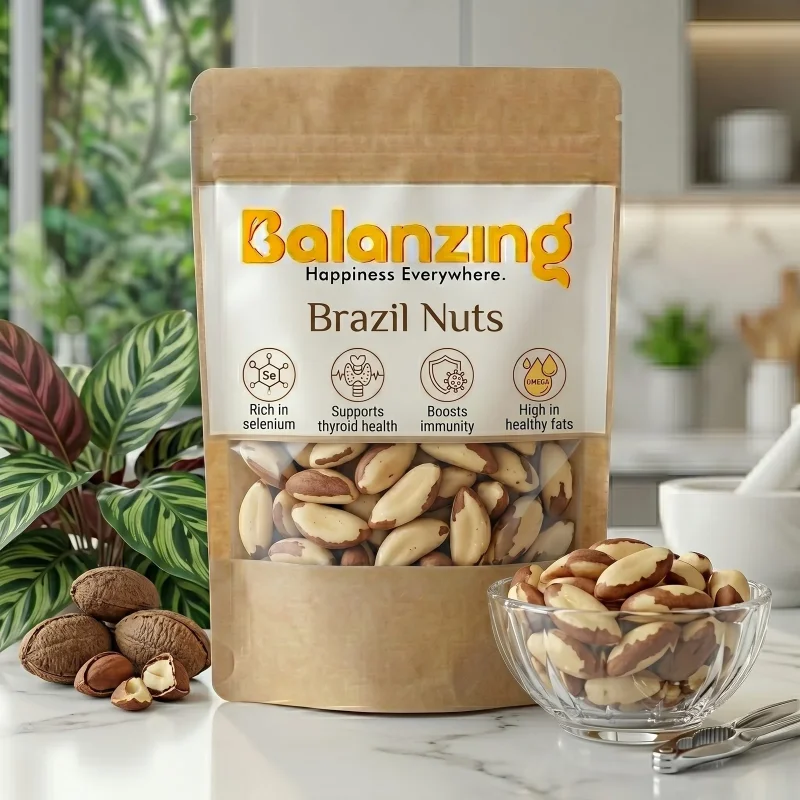
How can I naturally incorporate Balanzing Brazil Nuts into my daily routine for overall vitality?
Balanzing Brazil Nuts are a convenient way to enhance your daily nutrition naturally. You can enjoy them as a quick snack between meals, sprinkle them over breakfast cereals, blend them into smoothies, or add them to salads and desserts. Their nutrient-rich composition helps support energy, mental focus, and wellness throughout the day. By including a small portion regularly, you can enjoy the combined benefits of sustained vitality and wholesome nutrition in an easy, natural way.


user –
I tried brazil nuts from Balanzing for the first time, and I’m very satisfied with my purchase. The freshness and size of the nuts are excellent, and they taste really good. The overall service from Balanzing was reliable, and I would highly recommend it to anyone looking for quality products.
user –
I recently ordered brazil nuts from Balanzing and had a very smooth experience. The product arrived on time, and the quality exceeded my expectations. The nuts are clean, crunchy, and full of flavor. I’ve been using them daily, and they are perfect for both snacking and adding to my meals.
user –
I purchased brazil nuts from Balanzing and I’m really impressed with the quality. The nuts are fresh, large, and have a rich natural taste. The packaging was secure and neat, which kept everything in perfect condition. It’s a great option for healthy snacking, and I’ll definitely buy again from Balanzing.
user –
I recently started including Balanzing Brazil Nuts in my daily routine, and the results have been amazing. The nuts are perfectly fresh, crunchy, and naturally flavorful. I love adding them to my morning smoothies and salads—they provide a noticeable boost in energy and keep me feeling full longer. Knowing they are nutrient-packed and sourced responsibly gives me peace of mind. These nuts have truly become a staple in my pantry, supporting my wellness goals and overall vitality. Highly recommend Balanzing Brazil Nuts to anyone looking for a natural, wholesome addition to their diet!