
Best Natural Fruits for Strong Heart Health
A healthy heart is the foundation of overall well-being, and your diet plays a critical role in maintaining cardiovascular health. Including heart-friendly fruits in your daily routine can help reduce the risk of heart disease, lower cholesterol levels, and improve blood circulation.
Fruits for Heart Health Benefits
Adding fruits to your diet offers a wide range of heart-protective benefits:
✔️ 1. Lower Cholesterol Levels
Fruits like apples and citrus fruits contain soluble fiber, which helps reduce bad cholesterol (LDL) and improve good cholesterol (HDL).
✔️ 2. Regulate Blood Pressure
Bananas and oranges are rich in potassium, which helps control blood pressure by balancing sodium levels in the body.
✔️ 3. Improve Blood Circulation
Berries such as strawberries and blueberries contain flavonoids that improve blood flow and reduce artery stiffness.
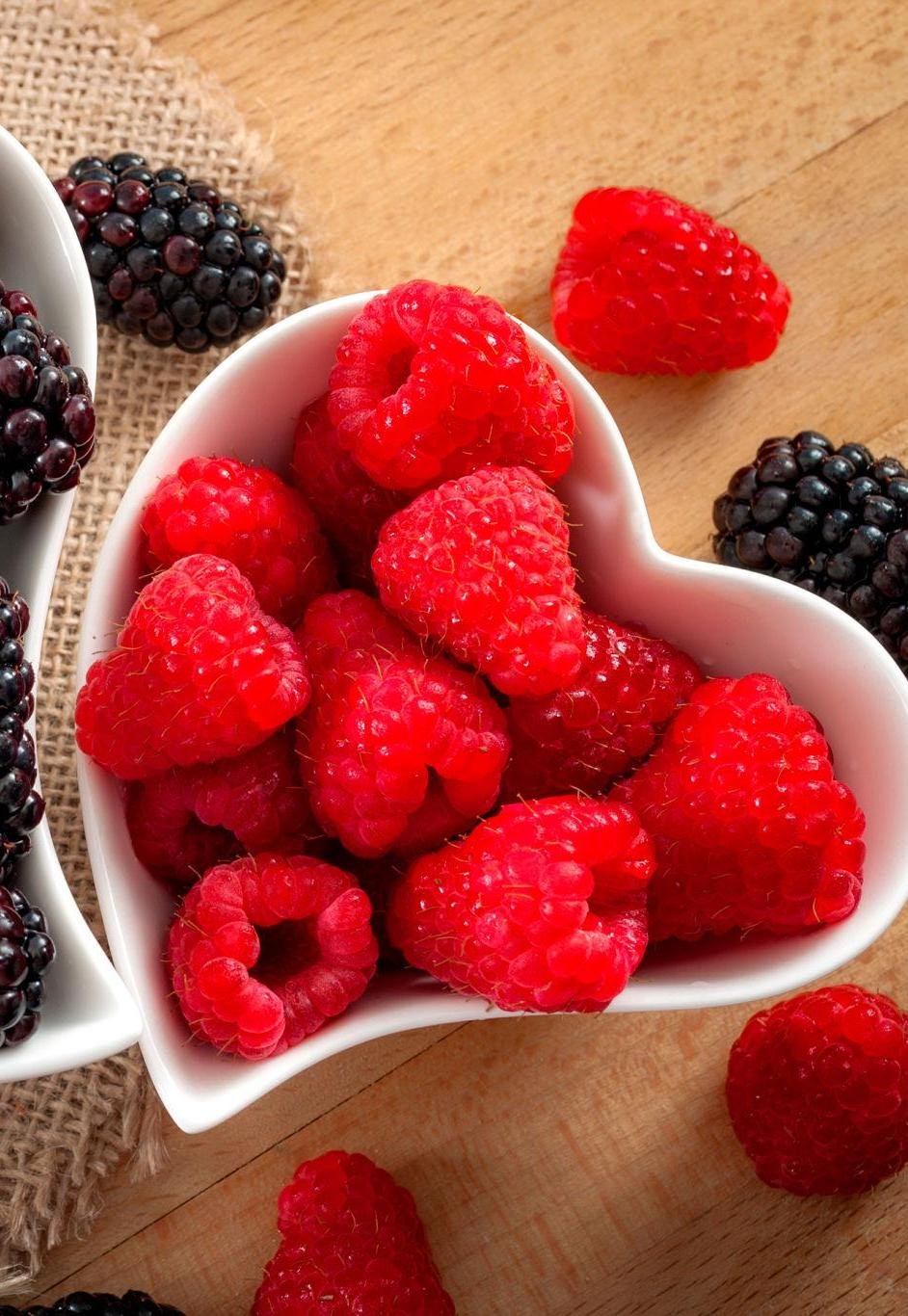
Benefits of Fruits for Heart Health to Your Daily Diet
Including heart-healthy fruits in your daily meals brings both short-term and long-term advantages:
🌿 Boosts Nutrient Intake
Fruits provide essential nutrients like vitamin C, potassium, and folate, which support heart function and overall health.
⚖️ Helps Maintain Healthy Weight
Low-calorie and high-fiber fruits keep you full longer, reducing overeating and helping maintain a healthy weight—key for heart health.
💪 Supports Healthy Blood Vessels
Antioxidants strengthen blood vessels, improving elasticity and reducing the risk of blockages.
🍽️ Improves Digestion
Fiber-rich fruits promote better digestion, which indirectly benefits heart health by improving metabolism.
How Does Fruits for Heart Health Improve Your Health?
Fruits improve heart health through multiple biological mechanisms:
🔬 Antioxidant Protection
Fruits neutralize harmful free radicals, preventing damage to heart cells and blood vessels.
🧪 Fiber Action
Dietary fiber binds with cholesterol in the digestive system, helping remove it from the body.
⚡ Potassium Balance
Potassium-rich fruits regulate heartbeat and reduce strain on blood vessels.
🩸 Improved Blood Flow
Compounds in fruits help relax blood vessels, ensuring smooth blood circulation.
Why Do Fruits for Heart Health Improve Your Health?
Eating fruits regularly supports heart health because they are rich in essential nutrients like fiber, vitamins, minerals, and antioxidants. These nutrients help reduce bad cholesterol, improve blood circulation, and keep blood vessels healthy. As a result, the heart can function more efficiently and with less strain. Fruits also help control blood pressure naturally due to their potassium content, which balances sodium levels in the body.
Fruits are also low in unhealthy fats and calories, making them a safe and natural choice for maintaining overall cardiovascular wellness. Their antioxidant properties help reduce inflammation and protect the heart from long-term damage. Including a variety of fruits in your diet can improve energy levels, support immunity, and promote overall better health.
Different Types of Fruits for Heart Health & Their Health Benefits
| Fruit 🍎 | Heart Health Benefits ❤️ |
|---|---|
| Apple 🍏 | Reduces bad cholesterol, supports healthy arteries |
| Orange 🍊 | Rich in Vitamin C, improves blood circulation |
| Banana 🍌 | Helps control blood pressure due to potassium content |
| Berries 🍓 | High antioxidants, reduce inflammation and protect heart |
| Pomegranate 🍎 | Improves blood flow and supports heart function |
| Grapes 🍇 | Supports healthy blood vessels and reduces clot risk |
| Avocado 🥑 | Rich in healthy fats, improves cholesterol balance |
| Watermelon 🍉 | Helps lower blood pressure and keeps heart hydrated |
How does Balanzing enhance Fruits for Heart Health benefits?
The Balanzing approach maximizes Fruits for Heart Health benefits by encouraging consistent, mindful, and moderate consumption as part of a balanced lifestyle. Fruits for Heart Health is naturally rich in vitamins, minerals, antioxidants, and dietary fiber, which together support immunity, digestion, blood sugar regulation, heart health, and overall wellness. By following Balanzing principles, individuals consume Fruits for Heart Health in proper portions and at appropriate times, ensuring that the body efficiently absorbs and utilizes its nutrients. This method enhances long-term benefits such as stronger immunity, improved digestive function, stable blood sugar levels, healthier skin, and sustained energy, while preventing overconsumption.




Disclaimer
The information provided on this website is collected and compiled from publicly available sources for general informational purposes only.
Table of Contents
Toggle