Healthy intake 😃 Balanzed living

Fenugreek Leaves Benefits for Wellness

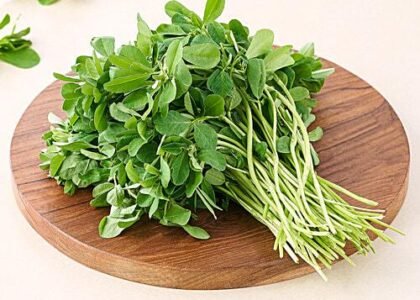
Fenugreek leaves, commonly known as Fenugreek (methi), are a powerhouse of nutrients widely used in Indian kitchens. Packed with vitamins, minerals, and antioxidants, these slightly bitter leaves offer a wide range of health benefits.

Fenugreek leave benefits

✅ Key Health Benefits of Methi Leaves

  • Rich in Nutrients: High in vitamins A, C, and K, along with iron and calcium.
  • Supports Digestion: Helps relieve constipation and improves gut health.
  • Controls Blood Sugar: Useful for people managing Type 2 Diabetes.
  • Boosts Immunity: Antioxidants protect against infections.
  • Improves Heart Health: Helps reduce bad cholesterol levels.
  • Enhances Skin & Hair Health: Promotes glowing skin and reduces hair fall.
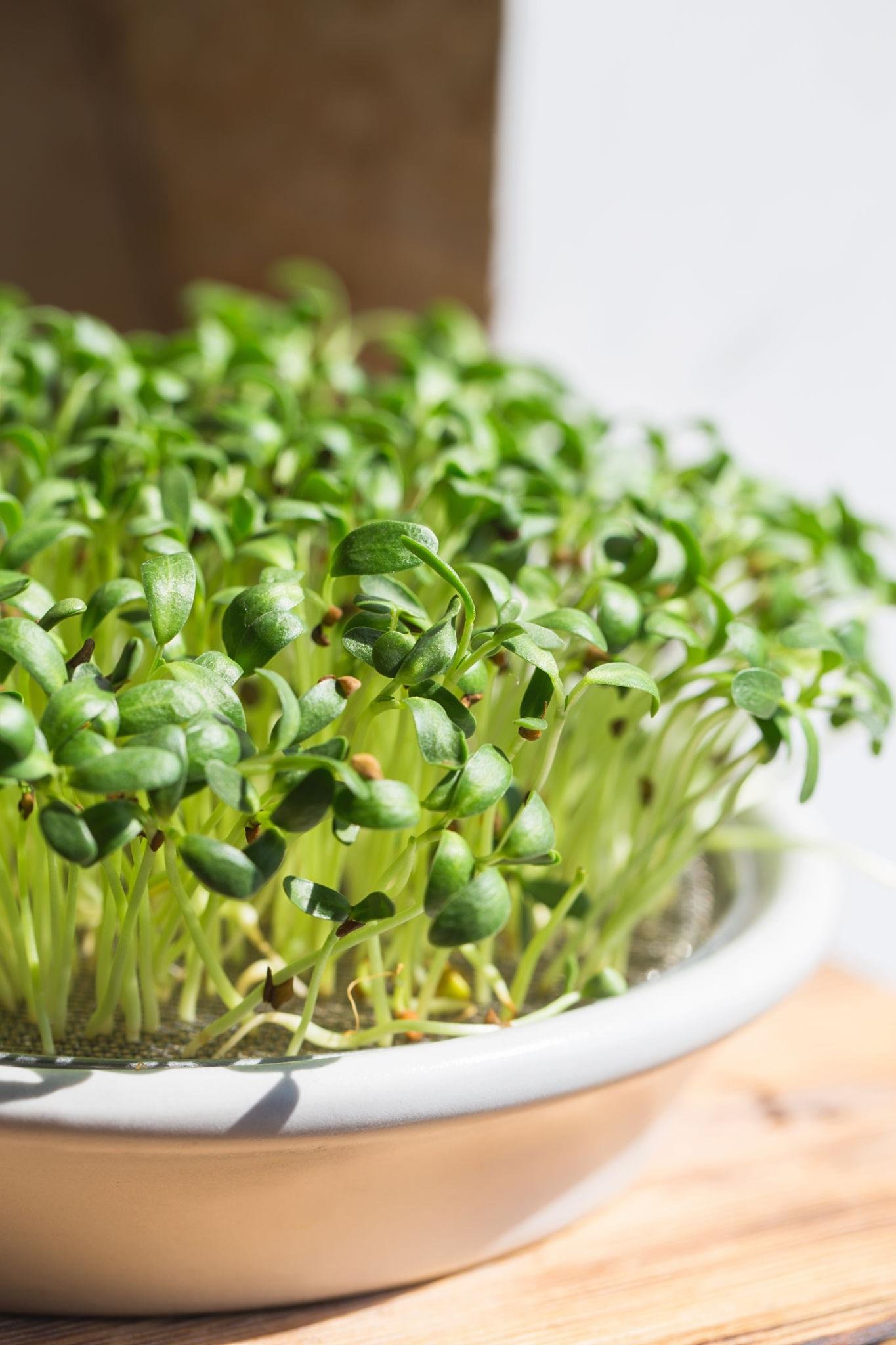
fenugreek leave benefits

Benefits of Adding Fenugreek Leaves (Methi) to Your Daily Diet

Including methi in your daily meals can significantly improve overall well-being. Here’s a deeper look:

🌱 1. Improves Digestive Health

Methi leaves contain fiber that promotes smooth digestion, reduces bloating, and prevents constipation.

❤️ 2. Supports Heart Function

They help lower LDL (bad cholesterol) and improve blood circulation, reducing the risk of heart disease.

🩸 3. Regulates Blood Sugar Levels

Fenugreek leaves contain compounds that improve insulin sensitivity, making them beneficial for diabetics.

🛡️ 4. Strengthens Immunity

Rich in antioxidants like flavonoids, methi helps fight free radicals and boosts immunity.

How Does Fenugreek Leaves (Methi) Improve Your Health?

Fenugreek leaves improve health through multiple biological mechanisms:

🧬 Nutrient Absorption

They provide essential micronutrients that support body functions such as bone health and vision.

🔄 Metabolism Boost

Methi enhances metabolic activity, helping the body burn calories efficiently.

🧪 Antioxidant Action

Antioxidants neutralize harmful free radicals, reducing inflammation and chronic disease risk.

🩺 Blood Purification

Methi helps detoxify the blood, improving skin clarity and organ function.

What are the fenugreek leave benefits

Fenugreek leaves, also known as methi leaves, are packed with nutrients that support overall health and wellness. The fenugreek leave benefits include improved digestion, better blood sugar control, and enhanced metabolism. The methi leaves health advantages come from their rich content of vitamins, minerals, and antioxidants that help the body function efficiently. In addition, fenugreek leaves for weight loss are highly effective because they are low in calories and high in fiber, helping you feel full for longer and reducing unnecessary cravings.

Another important aspect is the benefits of raw fenugreek leaves, as consuming them fresh helps retain essential nutrients and improves their effectiveness. These leaves are also widely used for beauty care, as fenugreek leaves for skin and hair help promote clear skin and strong, healthy hair due to their antioxidant and nutrient-rich properties. Including fenugreek leaves in your daily diet can naturally boost your overall health and well-being.

Different Types of Fenugreek Leaves Benefits & Description

Type of Benefit Description
🫀 Heart Health Reduces cholesterol and improves circulation
🩸 Blood Sugar Control Enhances insulin function and lowers glucose levels
🌿 Digestive Health Prevents constipation and improves gut function
🛡️ Immunity Boost Rich in antioxidants that fight infections
💇 Hair Health Strengthens roots and promotes hair growth
🌟 Skin Health Reduces acne and improves complexion
⚖️ Weight Management Low-calorie, high-fiber food aiding in fat loss

How does Balanzing enhance Fenugreek Leaves Health benefits?

The Balanzing approach maximizes Fenugreek Leaves benefits by encouraging consistent, mindful, and moderate consumption as part of a balanced lifestyle. Fenugreek Leaves (Methi) is naturally rich in vitamins, minerals, antioxidants, and dietary fiber, which together support immunity, digestion, blood sugar regulation, heart health, and overall wellness. By following Balanzing principles, individuals consume Fenugreek Leaves (Methi) in proper portions and at appropriate times, ensuring that the body efficiently absorbs and utilizes its nutrients. This method enhances long-term benefits such as stronger immunity, improved digestive function, stable blood sugar levels, healthier skin, and sustained energy, while preventing overconsumption.
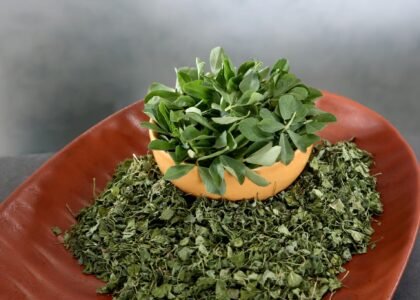

fenugreek leave benefits benefits of raw fenugreek leaves fenugreek leaves for skin and hair fenugreek leaves for weight loss methi leaves health advantages Fenugreek leaves, commonly known as methi leaves, have been used in traditional cooking and natural remedies for centuries. These aromatic green leaves are not only valued for their slightly bitter taste but also for their impressive nutritional profile and healing properties. Found widely in Indian kitchens, fenugreek leaves are often added to curries, flatbreads, and soups, making them an easy and accessible addition to everyday meals. Beyond their culinary use, they are recognized for supporting overall health in simple yet powerful ways. One of the most notable qualities of these leaves is their rich nutrient content. They are packed with vitamins such as A, C, and K, along with essential minerals like iron, calcium, and potassium. These nutrients play an important role in maintaining strong bones, supporting vision, and improving blood circulation. Because they are low in calories and high in fiber, they are ideal for those who want to maintain a healthy diet without compromising on nutrition. Including them regularly can help provide the body with steady nourishment. Another important benefit is their ability to support digestion. The fiber present in these leaves helps regulate bowel movements and prevents issues like constipation. They also contain natural compounds that can soothe the digestive system and reduce discomfort such as bloating or indigestion. People who include these greens in their meals often experience improved gut health over time. A healthy digestive system is essential for better nutrient absorption, which further enhances overall well-being. These leaves are also known for their positive effect on blood sugar levels. They contain natural substances that can help slow down the absorption of sugar in the bloodstream. This makes them particularly helpful for individuals who need to manage their glucose levels. Regular consumption, when combined with a balanced diet, may support better control and stability. This benefit makes them a valuable addition for people focusing on long-term health management. In addition to supporting internal health, these greens can also contribute to better heart health. They contain antioxidants that help reduce oxidative stress, which is one of the main causes of chronic diseases. By lowering harmful cholesterol levels and improving blood flow, they support a healthy cardiovascular system. Maintaining good heart health is crucial for preventing long-term complications, and simple dietary changes can make a big difference. Skin health is another area where these leaves can have a positive impact. The vitamins and antioxidants present in them help protect the skin from damage caused by pollution and environmental stress. They may assist in reducing acne, dryness, and signs of aging. Regular consumption, along with proper skincare, can result in a healthier and more radiant appearance. Some people also use these leaves in homemade face packs to nourish the skin naturally. Hair health can also benefit from the nutrients found in these greens. They are rich in iron and protein, both of which are important for maintaining strong and healthy hair. A deficiency in these nutrients can lead to hair thinning or hair loss. Including these leaves in the diet may help improve hair strength and promote growth. In addition, they can be used as a natural hair mask to condition and nourish the scalp. Another advantage is their ability to support weight management. Because they are high in fiber, they help create a feeling of fullness, which can reduce overeating. They also support metabolism, allowing the body to use energy more efficiently. When combined with regular physical activity and a balanced diet, these leaves can be a helpful part of a healthy lifestyle. Their low calorie content makes them a smart choice for those aiming to manage their weight. These leaves are also beneficial for reducing inflammation in the body. Chronic inflammation is linked to many health problems, including joint pain and fatigue. The natural compounds found in these greens help calm inflammation and support overall comfort. This makes them especially useful for people dealing with mild aches or those looking to maintain joint health over time. Another important benefit is their role in supporting the immune system. The vitamins and antioxidants present in them help strengthen the body’s natural defense mechanisms. A strong immune system is essential for protecting against infections and maintaining good health throughout the year. Including nutrient-rich foods like these in daily meals can help the body stay resilient and better prepared to handle common illnesses. These leaves also contribute to better liver function. The liver plays a key role in detoxifying the body, and the nutrients found in these greens support this process. They help the body eliminate harmful substances more efficiently, which can lead to improved energy levels and overall vitality. A healthy liver is essential for maintaining balance within the body. In traditional practices, these leaves have been used to support women’s health as well. They are believed to help regulate certain bodily functions and provide nourishment during different life stages. While modern research continues to explore these benefits, many people still rely on these time-tested uses as part of a holistic approach to wellness. Cooking with these greens is simple and versatile. They can be added to a variety of dishes, including curries, stir-fries, soups, and flatbreads. Their slightly bitter flavor pairs well with spices and other vegetables, creating a balanced and flavorful meal. For those who prefer milder tastes, they can be mixed with other greens to reduce the bitterness while still enjoying their benefits. Fresh leaves are often preferred because they retain most of their nutrients. However, dried forms are also available and can be used when fresh ones are not accessible. Washing them thoroughly before use is important to remove any dirt or impurities. Light cooking methods can help preserve their nutrients while enhancing their flavor. It is also important to consume these leaves in moderation. While they offer many benefits, excessive intake may cause minor digestive discomfort in some individuals. Maintaining a balanced diet that includes a variety of vegetables ensures that the body receives all the necessary nutrients without over-reliance on a single food source. Incorporating these greens into daily meals does not require drastic changes. Small additions, such as including them in breakfast dishes or adding them to lunch and dinner recipes, can gradually improve overall nutrition. Consistency is key when it comes to experiencing long-term benefits. These leaves are not only nutritious but also affordable and widely available. This makes them an excellent choice for people looking to improve their diet without increasing their food budget. Their accessibility ensures that more people can benefit from their nutritional value. Another aspect to consider is their role in promoting overall energy levels. The combination of vitamins, minerals, and antioxidants helps the body function more efficiently. People who include these greens in their meals often report feeling more active and less fatigued throughout the day. Their natural properties also make them suitable for supporting a balanced lifestyle. Instead of relying on processed foods or supplements, incorporating natural ingredients into meals can lead to more sustainable health improvements. These greens serve as a reminder that simple, traditional foods can have powerful effects. Over time, consistent use of these leaves can contribute to better overall health. From supporting digestion and heart health to improving skin and hair, their benefits are both wide-ranging and practical. They offer a natural way to enhance daily nutrition without the need for complicated routines. In conclusion, fenugreek leaves are a valuable addition to any diet. Their rich nutrient content, combined with their ability to support various aspects of health, makes them a versatile and beneficial food. By incorporating them into regular meals, individuals can take a simple yet effective step toward maintaining a healthier lifestyle. Fenugreek leaves, commonly known as methi leaves, are a highly valued green vegetable used in many traditional cuisines, especially in Indian households. These leaves are appreciated not only for their distinct slightly bitter taste but also for their impressive nutritional profile and natural healing properties. For generations, they have been a part of daily meals as well as home remedies, making them a trusted ingredient for maintaining overall well-being. Their versatility and accessibility make them an easy addition to a balanced diet. One of the most important aspects of these leaves is their rich nutritional content. They are packed with essential vitamins such as vitamin A, vitamin C, and vitamin K, along with minerals like iron, calcium, magnesium, and potassium. These nutrients are crucial for supporting various bodily functions, including bone strength, vision, and blood health. Because they are naturally low in calories and high in fiber, they are suitable for people who are mindful of their diet and want to stay healthy without consuming excess calories. The high fiber content in these leaves plays a key role in promoting digestive health. Fiber helps regulate bowel movements and prevents common digestive issues such as constipation and bloating. It also supports the growth of healthy gut bacteria, which is essential for proper digestion and nutrient absorption. A well-functioning digestive system contributes significantly to overall health, as it ensures that the body effectively utilizes the nutrients from food. Another important benefit of these leaves is their ability to support balanced blood sugar levels. They contain natural compounds that may help slow down the absorption of sugar in the bloodstream. This can be particularly beneficial for individuals who are trying to manage their glucose levels. Including these leaves in meals can help maintain stability and prevent sudden spikes, especially when combined with a healthy lifestyle and proper dietary habits. In addition to supporting internal health, these leaves also contribute to heart health. They contain antioxidants that help reduce oxidative stress, which is one of the major factors behind chronic diseases. These antioxidants protect cells from damage and support healthy blood vessels. Furthermore, they may help lower harmful cholesterol levels and improve overall circulation, reducing the risk of heart-related conditions over time. Skin health is another area where these leaves offer noticeable benefits. The presence of vitamins and antioxidants helps protect the skin from environmental damage, including pollution and harmful UV rays. Regular consumption can contribute to clearer, healthier-looking skin by reducing issues such as acne, dryness, and dullness. Some people also use these leaves externally in natural skincare routines, creating homemade masks that nourish and rejuvenate the skin. Hair health can also improve with the inclusion of these nutrient-rich leaves. They provide essential nutrients such as iron and protein, which are important for maintaining strong and healthy hair. Iron plays a vital role in carrying oxygen to hair follicles, promoting growth and reducing hair fall. The leaves can also be used as a natural hair treatment, helping to condition the scalp and improve overall hair texture. Weight management is another area where these leaves can be beneficial. Their high fiber content helps create a feeling of fullness, which reduces the tendency to overeat. This makes them a useful addition to meals for those who are trying to control their calorie intake. In addition, they support metabolism, allowing the body to process food more efficiently. Combined with regular exercise and a balanced diet, they can contribute to healthy weight management. These leaves also have natural anti-inflammatory properties. Chronic inflammation is associated with various health issues, including joint pain and fatigue. The compounds present in these leaves help reduce inflammation and support overall comfort in the body. This makes them particularly helpful for individuals who experience mild joint discomfort or are looking to maintain long-term physical well-being. The immune system also benefits from the nutrients found in these leaves. Vitamins and antioxidants work together to strengthen the body’s natural defense mechanisms. A strong immune system helps protect against infections and illnesses, allowing the body to recover more quickly when exposed to harmful pathogens. Regular consumption of nutrient-rich foods like these can help maintain consistent immune support throughout the year. Another important benefit is their role in supporting liver health. The liver is responsible for detoxifying the body and processing nutrients. The natural compounds found in these leaves help support this function, assisting the body in eliminating toxins more effectively. This can lead to improved energy levels and a general sense of well-being, as the body becomes more efficient in maintaining internal balance. In traditional practices, these leaves have also been used to support women’s health. They are believed to help regulate certain natural processes in the body and provide nourishment during different stages of life. While modern science continues to explore these uses, they remain a valued part of traditional wellness practices. Cooking with these leaves is both simple and versatile. They can be added to a wide range of dishes, including curries, stir-fries, soups, and flatbreads. Their slightly bitter taste pairs well with spices and other ingredients, creating a balanced and flavorful meal. For those who are not accustomed to their taste, combining them with other vegetables can help make the flavor more mild and enjoyable. Fresh leaves are generally preferred because they retain more nutrients and offer a better taste. However, dried forms are also available and can be used when fresh leaves are not easily accessible. It is important to wash them thoroughly before cooking to remove any dirt or impurities. Light cooking methods can help preserve their nutrients while enhancing their natural flavor. Moderation is important when including these leaves in the diet. While they offer many health benefits, consuming them in excessive amounts may cause mild digestive discomfort in some individuals. A balanced approach, where they are included as part of a varied diet, is the best way to enjoy their advantages without any issues. Incorporating these leaves into daily meals does not require major changes. Simple steps, such as adding them to breakfast dishes or including them in lunch and dinner recipes, can gradually improve nutritional intake. Consistency is key when it comes to experiencing their long-term benefits. fenugreek leave benefits benefits of raw fenugreek leaves fenugreek leaves for skin and hair fenugreek leaves for weight loss methi leaves health advantages fenugreek leave benefits benefits of raw fenugreek leaves fenugreek leaves for skin and hair fenugreek leaves for weight loss methi leaves health advantages fenugreek leave benefits benefits of raw fenugreek leaves fenugreek leaves for skin and hair fenugreek leaves for weight loss methi leaves health advantages fenugreek leave benefits benefits of raw fenugreek leaves fenugreek leaves for skin and hair fenugreek leaves for weight loss methi leaves health advantages

Disclaimer

The information provided on this website is collected and compiled from publicly available sources for general informational purposes only.

Table of Contents