
Cabbage Health Benefits
Cabbage is a nutrient-dense leafy vegetable from the cruciferous family, closely related to broccoli and cauliflower. It is low in calories but rich in vitamins, minerals, and powerful plant compounds.
Cabbage Health Benefits
Key Health Benefits:
- Rich in Nutrients: Contains vitamin C, vitamin K, fiber, and antioxidants.
- Supports Immunity: High vitamin C boosts the immune system.
- Promotes Digestion: Fiber improves gut health and prevents constipation.
- Heart Health: Helps reduce cholesterol and regulate blood pressure.
- Anti-Inflammatory Properties: Reduces inflammation in the body.
- Weight Loss Friendly: Low calorie and high fiber keeps you full longer.
- Improves Skin Health: Antioxidants help fight aging and skin damage.

Benefits of Cabbage to Your Daily Diet
Adding cabbage to your daily meals can transform your overall health in many ways. It is affordable, versatile, and easy to include in various dishes.
🥗 Nutritional Boost
Cabbage provides essential vitamins like vitamin C and K, along with folate and potassium. These nutrients support vital bodily functions and improve overall wellness.
❤️ Supports Heart Health
The antioxidants in cabbage help reduce bad cholesterol (LDL) levels and improve heart function. Compounds like anthocyanins (especially in red cabbage) lower the risk of cardiovascular diseases.
🦠 Enhances Digestive Health
Cabbage is rich in dietary fiber and beneficial bacteria (especially when fermented like sauerkraut), promoting a healthy gut microbiome.
How Does Cabbage Improve Your Health?
Cabbage improves health through multiple biological mechanisms:
🔬 Boosts Immunity
Vitamin C stimulates white blood cell production, helping your body fight infections.
🧬 Detoxifies the Body
Cabbage supports liver detoxification by activating enzymes that eliminate toxins.
🦴 Strengthens Bones
Vitamin K plays a key role in bone metabolism and reduces fracture risk.
🩸 Regulates Blood Pressure
Potassium helps balance sodium levels, supporting healthy blood pressure.
Is cabbage good for health and what are its benefits?
cabbage health benefits, cabbage for gut health, nutritional value of cabbage, cabbage vitamin benefits, and is cabbage good for health are all linked to its rich nutrient content. Cabbage contains essential vitamins, fiber, and antioxidants that help improve digestion, support immunity, and maintain overall body balance. The nutritional value of cabbage makes it a healthy choice for daily meals, while cabbage vitamin benefits help in supporting skin, energy, and general wellness.
Including cabbage regularly shows many cabbage health benefits, especially for digestion and gut function. Cabbage for gut health helps improve digestion and supports a healthy digestive system. If you are wondering is cabbage good for health, the answer is yes, as it provides essential nutrients and is low in calories. Adding it to your diet is a simple way to enjoy long-term health benefits.
Different Types of Cabbage & Health Benefits, Appearance & Nutrients
| Type of Cabbage | Appearance | Key Nutrients | Health Benefits |
|---|---|---|---|
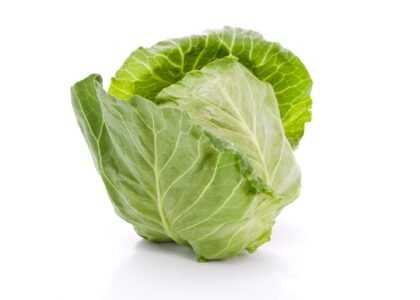
| Green Cabbage | Light green, round | Vitamin C, Fiber | Improves digestion, boosts immunity |
| Red Cabbage | Purple/red color | Anthocyanins, Vitamin C | Supports heart health, anti-aging |
| Savoy Cabbage | Crinkled leaves | Vitamin K, Fiber | Good for bones and digestion |
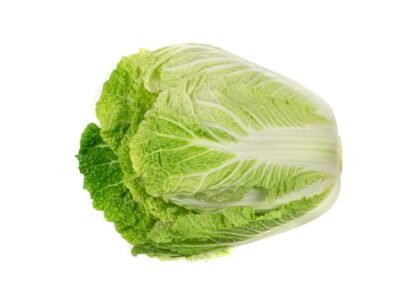
| Napa Cabbage | Long, pale green | Folate, Vitamin C | Supports metabolism and immunity |
How does Balanzing enhance Cabbage Health benefits?
The Balanzing approach maximizes Cabbage benefits by encouraging consistent, mindful, and moderate consumption as part of a balanced lifestyle. Cabbage is naturally rich in vitamins, minerals, antioxidants, and dietary fiber, which together support immunity, digestion, blood sugar regulation, heart health, and overall wellness. By following Balanzing principles, individuals consume Cabbage in proper portions and at appropriate times, ensuring that the body efficiently absorbs and utilizes its nutrients. This method enhances long-term benefits such as stronger immunity, improved digestive function, stable blood sugar levels, healthier skin, and sustained energy, while preventing overconsumption.


Disclaimer
The information provided on this website is collected and compiled from publicly available sources for general informational purposes only.
Table of Contents
Toggle