
Cooked Vegetables Health Benefits
Cooked vegetables are vegetables that have been prepared using methods such as steaming, boiling, roasting, grilling, sautéing, or stir-frying. Cooking vegetables can enhance their flavor, texture, and digestibility while making certain nutrients easier for the body to absorb.
Cooked Vegetables Health Benefits
Cooked vegetables offer numerous health benefits that contribute to physical and mental well-being.
Improved Nutrient Absorption
Cooking helps release nutrients trapped within plant cell walls. Nutrients such as beta-carotene in carrots and lycopene in tomatoes become more accessible after cooking.
Better Digestion
Cooking softens vegetable fibers, making them easier to digest. This can reduce digestive discomfort and improve nutrient absorption.
Stronger Immune System
Cooked vegetables contain essential vitamins and antioxidants that help support immune function and protect against infections.
Heart Health Support
Vegetables are naturally low in calories and saturated fats while providing potassium, fiber, and antioxidants that support cardiovascular health.
Weight Management
Cooked vegetables are filling yet low in calories, helping control hunger and support healthy weight maintenance.
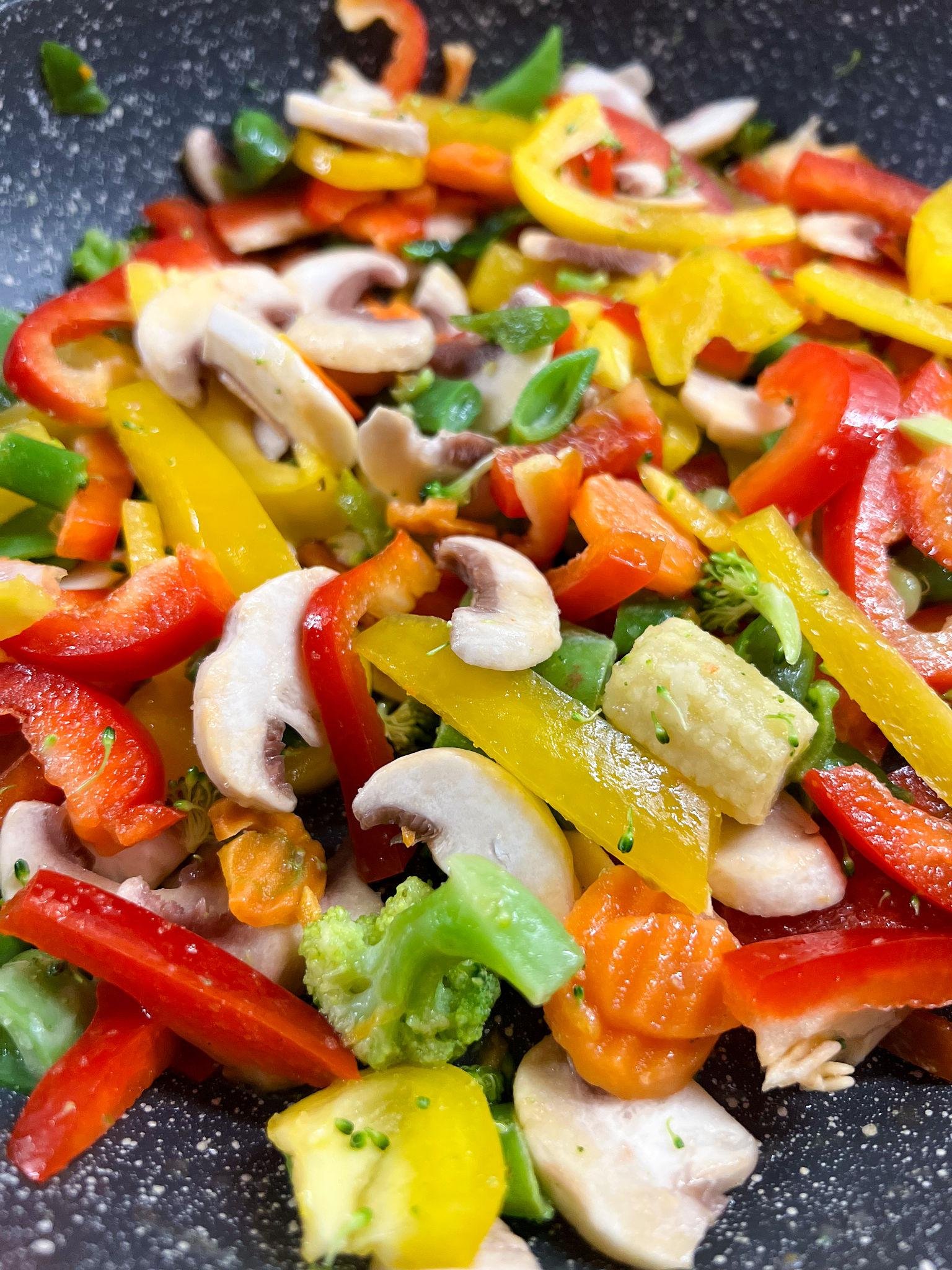
Benefits of Adding Cooked Vegetables to your daily diet
Adding cooked vegetables to your daily meals can significantly improve overall health and quality of life. Here are the major benefits:
Supports Digestive Health
Cooked vegetables are gentler on the digestive system than many raw vegetables. The cooking process softens fibers, making digestion easier while still providing beneficial dietary fiber.
Provides Essential Vitamins and Minerals
Cooked vegetables supply vital nutrients including:
- Vitamin A
- Vitamin C
- Vitamin K
- Folate
- Potassium
- Magnesium
- Iron
These nutrients help maintain healthy body functions and support growth, repair, and energy production.
How Does Cooked Vegetables to improve Your Health?
Cooked vegetables improve health through multiple mechanisms:
1. Enhancing Nutrient Availability
Cooking breaks down tough plant structures, allowing nutrients to become more available for absorption and utilization by the body.
2. Supporting Immune Function
Vegetables provide vitamins and antioxidants that help immune cells function effectively and defend against harmful pathogens.
3. Protecting Heart Health
Fiber, potassium, and antioxidant compounds work together to support healthy blood pressure and cholesterol levels.
4. Reducing Inflammation
Many vegetables contain phytonutrients that may help reduce chronic inflammation associated with various diseases.
5. Supporting Healthy Weight
Because vegetables are nutrient-dense and low in calories, they help people feel satisfied while managing calorie intake.
Different Types of Cooked Vegetables & Their Health Benefits
| Type of Cooked Vegetable | Key Nutrients | Major Health Benefits |
|---|---|---|
| Steamed Broccoli | Vitamin C, Fiber, Folate | Supports immunity and digestion |
| Cooked Carrots | Beta-Carotene, Vitamin A | Promotes eye health and immunity |
| Sautéed Spinach | Iron, Magnesium, Vitamin K | Supports bone and blood health |
| Roasted Sweet Potatoes | Vitamin A, Fiber, Potassium | Improves vision and heart health |
| Cooked Cauliflower | Vitamin C, Antioxidants | Supports immune function |
| Steamed Green Beans | Fiber, Vitamin K | Helps digestion and bone health |
| Cooked Cabbage | Vitamin C, Fiber | Supports gut and immune health |
| Roasted Brussels Sprouts | Antioxidants, Fiber | Promotes heart health |
| Stir-Fried Bell Peppers | Vitamin C, Antioxidants | Supports skin and immunity |
| Cooked Kale | Calcium, Vitamin K | Strengthens bones |
| Cooked Zucchini | Potassium, Vitamin C | Supports hydration and heart health |
| Steamed Asparagus | Folate, Fiber | Supports digestion and cellular health |
| Cooked Mushrooms | B Vitamins, Selenium | Supports immunity and energy production |
How does Balanzing enhance Cooked Vegetables benefits?
The Balanzing approach maximizes Cooked Vegetables benefits by encouraging consistent, mindful, and moderate consumption as part of a balanced lifestyle. Raw Cooked Vegetables is naturally rich in vitamins, minerals, antioxidants, and dietary fiber, which together support immunity, digestion, blood sugar regulation, heart health, and overall wellness. By following Balanzing principles, individuals consume Cooked Vegetables in proper portions and at appropriate times, ensuring that the body efficiently absorbs and utilizes its nutrients. This method enhances long-term benefits such as stronger immunity, improved digestive function, stable blood sugar levels, healthier skin, and sustained energy, while preventing overconsumption.
How does Balanzing enhance Cooked Vegetables benefits?
The Balanzing approach maximizes Cooked Vegetables benefits by encouraging consistent, mindful, and moderate consumption as part of a balanced lifestyle. Raw Cooked Vegetables is naturally rich in vitamins, minerals, antioxidants, and dietary fiber, which together support immunity, digestion, blood sugar regulation, heart health, and overall wellness. By following Balanzing principles, individuals consume Cooked Vegetables in proper portions and at appropriate times, ensuring that the body efficiently absorbs and utilizes its nutrients. This method enhances long-term benefits such as stronger immunity, improved digestive function, stable blood sugar levels, healthier skin, and sustained energy, while preventing overconsumption.




Cooked Vegetables Health Benefits: Why Cooked Vegetables Deserve a Place in Your Diet Vegetables are an essential part of a healthy lifestyle, providing the body with vitamins, minerals, fiber, and antioxidants. While raw vegetables are often praised for their nutritional content, cooked vegetables also offer a wide range of health advantages. Cooking can improve the digestibility of vegetables, enhance the absorption of certain nutrients, and create delicious meal options that encourage healthy eating habits. Understanding the Cooked Vegetables Health Benefits can help individuals make informed dietary choices. From supporting digestion to increasing nutrient availability, cooked vegetables can be a valuable addition to everyday meals. This article explores the many advantages of cooked vegetables and explains how they contribute to overall wellness. Understanding Cooked Vegetables Cooked vegetables are vegetables that have been prepared using methods such as steaming, boiling, roasting, grilling, sautéing, or baking. These cooking techniques can soften the texture of vegetables, making them easier to chew and digest. Many people enjoy cooked vegetables because they are flavorful, versatile, and easy to include in a variety of recipes. Learning about the Benefits of eating cooked vegetables can help individuals appreciate their role in maintaining a balanced and nutritious diet. Cooking vegetables can also reduce naturally occurring compounds that may interfere with nutrient absorption. As a result, the Nutritional value of cooked vegetables remains significant and, in some cases, can even become more accessible to the body. Improved Digestibility One of the most important Cooked Vegetables Health Benefits is improved digestibility. Cooking softens plant cell walls and breaks down tough fibers, making vegetables easier for the digestive system to process. People who experience digestive discomfort from certain raw vegetables may find cooked versions gentler on the stomach. The Benefits of eating cooked vegetables include reduced strain on digestion while still providing essential nutrients. The Nutritional value of cooked vegetables remains beneficial even after cooking, allowing the body to absorb nutrients more efficiently. This is especially important for individuals with sensitive digestive systems. Including Healthy cooked vegetables for daily diet plans can support comfortable digestion while ensuring adequate nutrient intake. Enhanced Nutrient Absorption Cooking can improve the availability of certain nutrients. For example, the antioxidant lycopene found in tomatoes becomes more accessible after cooking. Similarly, beta-carotene in carrots can be absorbed more effectively when vegetables are cooked. These advantages highlight the Cooked Vegetables Health Benefits that go beyond simple meal preparation. Certain cooking methods help unlock nutrients that might otherwise be less available to the body. The Benefits of eating cooked vegetables include gaining better access to specific antioxidants and plant compounds that support long-term health. Because of these changes, the Nutritional value of cooked vegetables remains highly beneficial and contributes to overall wellness. Supporting a Healthy Immune System A strong immune system depends on a steady supply of vitamins and minerals. Cooked vegetables provide nutrients that support the body's natural defense mechanisms and help maintain overall health. Among the key Cooked Vegetables Health Benefits is their contribution to immune function. Vegetables contain vitamins such as A and C, along with antioxidants that help protect cells from damage. The Benefits of eating cooked vegetables include obtaining important nutrients that support the body's ability to respond to environmental challenges and maintain wellness. Adding Healthy cooked vegetables for daily diet routines can help individuals meet their nutritional needs while supporting immune health throughout the year. Promoting Heart Health Cardiovascular health is influenced by dietary choices, and vegetables are widely recognized as heart-friendly foods. They are naturally low in saturated fat and provide nutrients that support healthy blood circulation. The Nutritional value of cooked vegetables includes potassium, fiber, and antioxidants that contribute to heart health. Potassium helps regulate blood pressure, while fiber supports healthy cholesterol levels. One of the valuable Cooked Vegetables Health Benefits is their role in supporting cardiovascular wellness when included as part of a balanced diet. The Benefits of eating cooked vegetables can extend to maintaining healthier blood vessels and promoting long-term heart function. Better Nutrient Variety in Meals Cooking allows vegetables to be incorporated into a wider range of dishes. Soups, stews, curries, casseroles, and stir-fries often contain multiple vegetables, increasing nutrient diversity. The Cooked Vegetables Health Benefits include the ability to combine various vegetables into satisfying meals that provide numerous vitamins and minerals. The Nutritional value of cooked vegetables becomes even more beneficial when different vegetables are consumed together, offering a broad spectrum of nutrients. Creating meals with Healthy cooked vegetables for daily diet plans encourages variety and helps prevent nutritional gaps. Supporting Weight Management Vegetables are naturally low in calories and high in fiber, making them excellent choices for weight management. Cooking can make vegetables more enjoyable and easier to consume regularly. The Benefits of eating cooked vegetables include increased satiety, which may help reduce overeating and unnecessary snacking. One of the practical Cooked Vegetables Health Benefits is that they can be incorporated into filling meals without significantly increasing calorie intake. Choosing Best cooked vegetables for nutrition can help individuals maintain a balanced eating pattern while supporting healthy weight goals. Easier Consumption for All Age Groups Cooked vegetables are often easier to chew and swallow than raw vegetables. This makes them suitable for children, older adults, and individuals with dental concerns. The Cooked Vegetables Health Benefits include making nutritious foods more accessible to a wider range of people. Soft textures can encourage greater vegetable consumption among those who struggle with raw produce. The Benefits of eating cooked vegetables extend to improved meal enjoyment and easier inclusion in everyday diets. The Nutritional value of cooked vegetables continues to provide essential nutrients while offering greater convenience and comfort. Rich Source of Antioxidants Antioxidants help protect the body from oxidative stress and support long-term health. Many cooked vegetables remain excellent sources of these beneficial compounds. One of the significant Cooked Vegetables Health Benefits is the availability of antioxidants that contribute to cellular protection and overall wellness. The Benefits of eating cooked vegetables include access to nutrients that support healthy aging and help maintain normal body functions. The Best cooked vegetables for nutrition often include tomatoes, carrots, spinach, broccoli, and sweet potatoes because of their antioxidant content. Popular Cooked Vegetables for Everyday Nutrition Many vegetables provide excellent health benefits when cooked properly. Some of the Best cooked vegetables for nutrition include: Broccoli Carrots Spinach Kale Sweet potatoes Tomatoes Cauliflower Green beans Bell peppers Brussels sprouts These vegetables offer vitamins, minerals, antioxidants, and fiber that contribute to overall health. Including the Best cooked vegetables for nutrition in regular meals can support a balanced and nutrient-rich diet. Many nutrition experts recommend rotating the Best cooked vegetables for nutrition to ensure a diverse intake of beneficial nutrients. Cooking Methods That Preserve Nutrition The method used to cook vegetables can influence nutrient retention. Steaming is often considered one of the most effective methods for preserving vitamins and minerals. The Nutritional value of cooked vegetables can be maintained by avoiding excessive cooking times and using gentle cooking techniques. The Benefits of eating cooked vegetables are greatest when vegetables are prepared in ways that retain their natural nutrients and flavor. Choosing Healthy cooked vegetables for daily diet plans that include steaming, roasting, and light sautéing can maximize nutritional quality. Making Cooked Vegetables Part of Daily Meals Adding vegetables to daily meals is simple and practical. They can be included in breakfast, lunch, dinner, and snacks. Examples include: Vegetable omelets for breakfast Soups and salads for lunch Stir-fries and curries for dinner Roasted vegetables as side dishes Vegetable-based casseroles and stews These meal options make it easier to enjoy Healthy cooked vegetables for daily diet habits consistently. Regularly consuming Healthy cooked vegetables for daily diet plans supports overall wellness and balanced nutrition. Many families find that Healthy cooked vegetables for daily diet routines help encourage healthier eating patterns for all age groups. Conclusion Cooked vegetables are a valuable component of a healthy and balanced lifestyle. The many Cooked Vegetables Health Benefits include improved digestibility, enhanced nutrient absorption, immune support, heart health promotion, and assistance with weight management. Understanding the Benefits of eating cooked vegetables can help individuals appreciate their importance in everyday nutrition. The impressive Nutritional value of cooked vegetables makes them a reliable source of essential vitamins, minerals, antioxidants, and fiber. By choosing Healthy cooked vegetables for daily diet plans and incorporating the Best cooked vegetables for nutrition into meals, individuals can support long-term health and wellness. Whether steamed, roasted, boiled, or sautéed, cooked vegetables provide a convenient and delicious way to meet daily nutritional needs and maintain a healthier lifestyle.Why Warm Vegetable Dishes Are an Excellent Choice for Daily Nutrition Vegetables have long been recognized as one of the most important components of a balanced diet. They provide essential nutrients, support bodily functions, and contribute to overall well-being. While many people enjoy fresh produce in salads and other uncooked preparations, warm vegetable dishes also offer numerous advantages. Through various preparation methods, vegetables become softer, more flavorful, and easier to incorporate into everyday meals. Many cultures around the world rely heavily on vegetable-based dishes as part of their traditional cuisine. Whether steamed, roasted, grilled, sautéed, or added to soups and stews, these foods provide a satisfying and nutritious option for people of all ages. Their versatility makes them suitable for breakfast, lunch, dinner, and even snacks. Easier Digestion One of the primary advantages of preparing vegetables with heat is improved digestibility. The process softens plant fibers and breaks down rigid cell structures, making them easier for the digestive system to handle. This can be especially beneficial for individuals who experience discomfort after consuming large amounts of raw produce. Softened textures reduce the effort required for chewing and digestion. As a result, nutrients become more accessible to the body, allowing for better utilization of essential compounds. This makes warm vegetable dishes a practical option for children, older adults, and anyone with sensitive digestion. Enhanced Flavor and Texture Heat transforms the taste and texture of many vegetables. Natural sugars may become more noticeable, creating richer and sweeter flavors. Roasting, grilling, and baking can bring out unique characteristics that are often less apparent in their raw state. Improved taste encourages people to include more vegetables in their meals. For individuals who are not fond of raw produce, prepared vegetable dishes can provide a more enjoyable way to consume nutrient-rich foods. This can contribute to healthier eating habits over time. Rich Source of Essential Nutrients Vegetables contain a wide variety of vitamins, minerals, and beneficial plant compounds. These nutrients support numerous bodily functions, including immune response, energy production, bone health, and cellular repair. Different vegetables provide different nutritional benefits. Leafy greens contribute valuable vitamins, while root vegetables offer important minerals and dietary fiber. Colorful varieties contain natural compounds that help protect cells from environmental stress and support overall wellness. A diet that includes a diverse range of vegetable dishes helps ensure that the body receives a broad spectrum of nutrients necessary for maintaining good health. Supporting Immune Function The body's natural defense system relies on proper nutrition to operate effectively. Vegetables contribute a variety of nutrients that help maintain healthy immune responses and support normal bodily functions. Many plant-based foods contain antioxidants that help protect cells from damage. These compounds assist the body in managing daily environmental challenges and support long-term wellness. Including a variety of vegetables in regular meals can be an effective way to promote overall health throughout the year. Promoting Heart Wellness Healthy dietary choices play a major role in maintaining cardiovascular health. Vegetables are naturally low in saturated fat and provide nutrients that support proper circulation and healthy blood pressure levels. Fiber found in vegetables can contribute to maintaining balanced cholesterol levels. Potassium helps regulate fluid balance within the body and supports normal heart function. Together, these nutrients make vegetable-rich meals an excellent choice for individuals seeking a heart-conscious lifestyle. Regular consumption of nutrient-dense foods may contribute to improved long-term cardiovascular health when combined with other healthy habits. A Helpful Addition to Weight Management Plans Vegetables are generally low in calories while providing significant nutritional value. This makes them ideal for individuals who want satisfying meals without excessive calorie intake. Because many vegetables contain fiber and water, they can help create a feeling of fullness. This may reduce the desire for frequent snacking and support balanced portion control throughout the day. Incorporating generous servings of vegetables into meals can help improve overall diet quality while supporting healthy weight-related goals. Suitable for Every Age Group Vegetable-based dishes can be adapted to meet the needs of different age groups. Their soft texture makes them easier to consume for young children and older adults. They can also be prepared in numerous ways to accommodate varying preferences and dietary requirements. Families often find it easier to encourage vegetable consumption when meals are flavorful and visually appealing. Soups, casseroles, stir-fries, and baked dishes offer convenient opportunities to include a variety of nutritious ingredients in one meal. Versatile and Easy to Prepare One of the greatest advantages of vegetables is their versatility. They can be prepared using countless methods and paired with a wide range of ingredients. This flexibility allows individuals to create nutritious meals without becoming bored with repetitive menu choices. Popular preparation methods include: Steaming Roasting Baking Grilling Stir-frying Boiling Braising Each technique produces unique flavors and textures, making it easy to customize meals according to personal preferences. Encouraging Healthy Eating Habits Consistently including vegetables in meals can help establish positive dietary patterns. When nutritious foods become a regular part of daily life, healthier choices often become easier to maintain over time. Parents can encourage children to develop healthy habits by introducing a variety of colorful vegetable dishes from an early age. Exposure to different flavors and textures can increase acceptance and appreciation of nutritious foods. Adults can also benefit from experimenting with new recipes and preparation methods that make vegetables more enjoyable and appealing. Supporting Sustainable Food Choices Choosing locally available produce when possible can contribute to environmental sustainability. Foods grown closer to consumers often require less transportation, which may reduce environmental impact. Supporting local farmers and agricultural communities helps strengthen regional food systems and encourages continued production of fresh, high-quality produce. Sustainable food choices benefit both individuals and communities while promoting responsible resource use. Practical Ways to Include More Vegetables in Meals Adding vegetables to daily meals does not have to be complicated. Small changes can significantly improve overall nutrient intake. Some simple ideas include: Adding vegetables to omelets and breakfast dishes Including vegetable-based soups with lunch Serving roasted vegetables as side dishes Mixing vegetables into rice or grain bowls Preparing homemade stews with a variety of ingredients Adding extra vegetables to pasta dishes Creating colorful stir-fries for dinner These practical approaches make it easier to enjoy nutritious meals throughout the day. Conclusion Vegetables remain one of the most valuable components of a healthy diet. Their nutritional content supports overall wellness, while their versatility allows them to fit easily into countless recipes and meal plans. When prepared properly, they become flavorful, satisfying, and accessible to people of all ages. From supporting digestion and immune function to promoting heart health and balanced nutrition, vegetable-based meals offer numerous advantages. Their ability to enhance flavor, provide essential nutrients, and contribute to long-term wellness makes them an important part of everyday eating habits. By making vegetables a regular feature in daily meals, individuals can take a simple yet meaningful step toward better health, improved nutrition, and a more balanced lifestyle.
Disclaimer
The information provided on this website is collected and compiled from publicly available sources for general informational purposes only.
Table of Contents
Toggle