
Cowpea (Lobia) Health Benefits
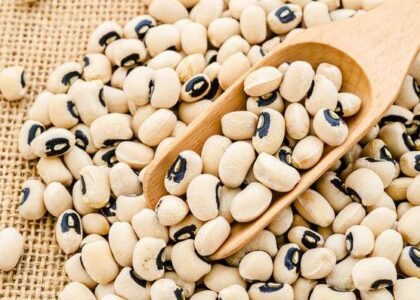
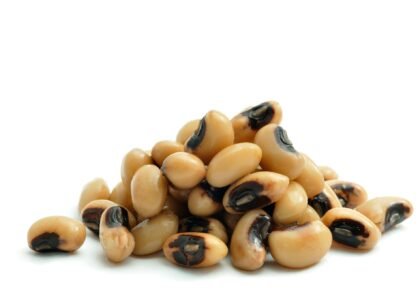
Cowpea, commonly known as lobia or black-eyed peas, is a nutrient-rich legume widely consumed across India and many parts of the world. It is packed with protein, fiber, vitamins, and minerals, making it a powerful addition to a healthy diet.
Cowpea Health Benefits (Lobia)
Cowpeas offer a wide range of health benefits due to their rich nutritional profile:
🫀 Supports Heart Health
Cowpeas are high in dietary fiber and potassium, which help reduce bad cholesterol levels and maintain healthy blood pressure.
🩺 Helps Manage Diabetes
The low glycemic index of cowpeas helps regulate blood sugar levels, making them suitable for people with diabetes.

Benefits of Adding Cowpea (Lobia) to Your Daily Diet
Adding cowpeas to your daily meals can transform your overall health in multiple ways:
🥗 Enhances Nutritional Intake
Cowpeas are rich in essential nutrients like iron, magnesium, and vitamins, ensuring your body gets what it needs daily.
🍽️ Versatile in Cooking
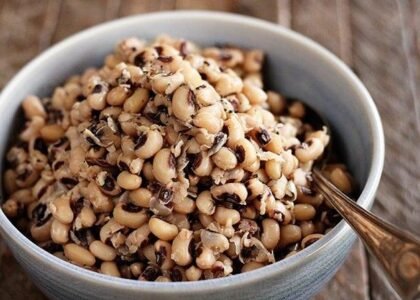
You can include cowpeas in curries, salads, soups, and even snacks, making it easy to consume regularly.
🛡️ Strengthens Immunity
The presence of antioxidants helps fight free radicals and boosts immunity.
🦴 Supports Bone Health
Calcium and phosphorus in cowpeas contribute to stronger bones and teeth.
How Does Cowpea (Lobia) Improve Your Health?
Cowpeas improve health through multiple biological mechanisms:
🔬 Regulates Blood Sugar
The complex carbohydrates in cowpeas digest slowly, preventing spikes in blood glucose levels.
💓 Reduces Cholesterol
Soluble fiber binds with cholesterol and removes it from the body.
🧬 Supports Cell Growth
Folate helps in DNA synthesis and cell repair.
Different Types of Cowpea (Lobia) & Their Health Benefits
Here’s a structured table showing the different types of health benefits:
| Health Benefit Type | Description | Key Nutrients Involved |
|---|---|---|
| Heart Health | Lowers cholesterol & BP | Fiber, Potassium |
| Digestive Health | Prevents constipation | Dietary Fiber |
| Diabetes Control | Stabilizes blood sugar | Complex Carbs |
| Weight Loss | Keeps you full longer | Fiber, Protein |
| Muscle Growth | Builds and repairs muscles | Protein |
How does Balanzing enhance Cowpea (Lobia) Health benefits?
The Balanzing approach maximizes Cowpea (Lobia) benefits by encouraging consistent, mindful, and moderate consumption as part of a balanced lifestyle. Cowpea (Lobia) is naturally rich in vitamins, minerals, antioxidants, and dietary fiber, which together support immunity, digestion, blood sugar regulation, heart health, and overall wellness. By following Balanzing principles, individuals consume Cowpea (Lobia) in proper portions and at appropriate times, ensuring that the body efficiently absorbs and utilizes its nutrients. This method enhances long-term benefits such as stronger immunity, improved digestive function, stable blood sugar levels, healthier skin, and sustained energy, while preventing overconsumption.

Disclaimer
The information provided on this website is collected and compiled from publicly available sources for general informational purposes only.
Cowpea, commonly known as lobia or black-eyed peas in many regions, is a highly nutritious legume valued for its rich taste, versatility, and impressive nutritional profile. Widely used in traditional cooking across India and many other countries, cowpea is considered an important part of a balanced diet because of its ability to provide essential nutrients while supporting overall wellness. The increasing popularity of **Cowpea Health Benefits** comes from its role in promoting better digestion, supporting immunity, improving energy levels, and contributing to long-term health naturally. Packed with protein, dietary fiber, vitamins, minerals, and antioxidants, cowpea is a wholesome food that can easily be included in daily meals. One of the most important reasons why cowpea is gaining attention in healthy eating plans is because it is considered a **cowpea protein rich food**. Protein is essential for maintaining muscles, repairing tissues, and supporting the body’s overall growth and development. Plant-based protein sources like cowpea are especially valuable for individuals following vegetarian or balanced diets. The protein present in cowpea helps provide sustained energy and contributes to improved body strength without excessive fat content. Including cowpea regularly in meals can therefore support healthier nutrition while providing the body with an important source of natural protein. The high fiber content found in cowpea is another reason why this legume is considered highly beneficial. Fiber supports smooth digestion, promotes regular bowel movements, and helps maintain a healthy digestive tract. This explains why **lobia for healthy digestion** is a commonly discussed benefit among nutrition-focused diets. A healthy digestive system allows the body to absorb nutrients more effectively while reducing discomfort such as constipation and bloating. The fiber in cowpea also supports beneficial gut bacteria, helping maintain overall digestive balance and wellness. Among the many **Cowpea Health Benefits**, its ability to support heart health is particularly important. Cowpea contains nutrients such as potassium, magnesium, and fiber, which work together to support healthy blood circulation and maintain balanced blood pressure levels. Soluble fiber helps reduce harmful cholesterol levels by assisting in the removal of excess cholesterol from the body. Potassium helps regulate fluid balance and reduces stress on blood vessels, supporting cardiovascular function naturally. Regular consumption of cowpea can therefore contribute to better heart health and long-term wellness. Another major advantage of cowpea is its role in strengthening immunity. The numerous **cowpea benefits for immunity** are linked to the vitamins, antioxidants, and minerals present in this nutrient-rich legume. Vitamin C, iron, and plant compounds help support the body’s natural defense system and improve resistance against infections and illnesses. Antioxidants help protect healthy cells from oxidative stress caused by free radicals, reducing inflammation and supporting overall body function. Consuming nutrient-rich foods like cowpea regularly can therefore help improve immune resilience and overall vitality. Many people also ask, **is lobia good for health**, and the answer is strongly supported by its nutritional composition. Cowpea provides essential nutrients while remaining naturally low in fat, making it suitable for healthy eating plans. It supports multiple body functions including metabolism, digestion, immunity, and energy production. Because it contains both protein and fiber, cowpea helps maintain balanced energy levels throughout the day without causing sudden spikes or crashes in blood sugar. The role of cowpea in weight management is another important health benefit. Since cowpea is rich in fiber and protein, it promotes a feeling of fullness that can help reduce overeating and unnecessary snacking. This makes it easier to maintain healthy eating habits and balanced calorie intake. The slow digestion of protein and fiber also contributes to steady energy release, helping individuals stay satisfied for longer periods. Including cowpea in meals can therefore support healthy body weight while ensuring proper nutrition. Another key reason why **Cowpea Health Benefits** are widely appreciated is their contribution to maintaining stable blood sugar levels. The fiber content slows down the absorption of sugar into the bloodstream, helping reduce sudden fluctuations in glucose levels. This balanced energy release supports overall metabolic health and helps maintain steady energy throughout the day. Nutrient-rich legumes like cowpea are often recommended as part of balanced diets because of their positive impact on metabolism and energy regulation. Cowpea also contributes significantly to bone health due to the presence of minerals such as calcium, magnesium, and phosphorus. These nutrients help maintain bone density and support skeletal strength over time. Regular intake of nutrient-rich foods is essential for maintaining healthy bones, especially as nutritional needs change with age. Including cowpea in daily meals can help provide important support for long-term bone health. The nutritional richness of cowpea also contributes to healthier skin and hair. Antioxidants present in cowpea help protect cells from oxidative stress, which is one of the factors associated with premature aging. Vitamins and minerals help support collagen production and improve skin nourishment from within. This contributes to healthier-looking skin and supports natural skin repair processes. The protein and iron content also help nourish hair follicles, supporting stronger and healthier hair growth over time. The importance of **lobia for healthy digestion** also lies in its role in supporting gut balance. A healthy digestive system is connected to many other aspects of wellness, including immunity and metabolism. The dietary fiber present in cowpea helps support beneficial bacteria in the gut, contributing to improved digestion and nutrient absorption. Better digestive health often leads to improved comfort, energy levels, and overall well-being. The various **cowpea benefits for immunity** are especially valuable in maintaining long-term wellness. A strong immune system helps the body respond effectively to environmental stressors and infections. The combination of antioxidants, vitamins, and minerals in cowpea helps support healthy immune responses naturally. Consuming nutrient-dense foods regularly can therefore contribute to stronger overall health and better resilience. Another reason why people search **is lobia good for health** is because of its role in supporting energy production. Cowpea contains iron, which helps transport oxygen throughout the body and supports healthy circulation. Proper oxygen delivery is essential for maintaining energy levels and reducing fatigue. Combined with its protein and fiber content, cowpea provides long-lasting nourishment that supports physical and mental performance. The versatility of cowpea in cooking also contributes to its popularity. It can be prepared in numerous ways including curries, soups, salads, stir-fries, and traditional dishes. Its mild flavor blends well with spices and other ingredients, making it suitable for a wide variety of cuisines. This flexibility allows individuals to enjoy the nutritional benefits of cowpea without monotony while easily incorporating it into balanced meals. Hydration support is another indirect advantage of consuming cowpea. When prepared properly and combined with vegetables and fluids, it contributes to maintaining fluid balance in the body. Proper hydration is important for digestion, circulation, and overall body function. Including wholesome plant-based foods like cowpea as part of a healthy diet helps support overall nutritional balance. The value of cowpea as a **cowpea protein rich food** becomes even more important for individuals seeking plant-based nutrition. Protein is necessary for maintaining muscle health, tissue repair, and proper body function. Cowpea provides a natural and affordable source of plant protein that can support daily nutritional requirements effectively. Combined with its fiber and nutrient content, it serves as a balanced food choice for different age groups and lifestyles. Another important aspect of **Cowpea Health Benefits** is their contribution to supporting metabolic health. Nutrients such as magnesium and B vitamins help regulate metabolic processes and assist the body in converting food into usable energy efficiently. Proper metabolism supports energy production, nutrient utilization, and overall vitality. Including nutrient-rich legumes like cowpea in the diet can therefore contribute to better physical wellness and improved daily performance. The connection between **lobia for healthy digestion** and overall wellness is significant because digestive health affects nutrient absorption and immune function. A well-functioning digestive system allows the body to make better use of essential nutrients while reducing discomfort and maintaining balance. Cowpea helps support this process naturally due to its fiber-rich composition. Similarly, the role of **cowpea benefits for immunity** continues to gain attention as people increasingly focus on preventive wellness through diet. Nutrient-dense foods rich in antioxidants and essential minerals help strengthen the body’s natural defenses and contribute to long-term health maintenance. When people ask **is lobia good for health**, the answer becomes clear through its wide range of nutritional advantages. Cowpea supports digestion, immunity, metabolism, heart health, and energy balance while providing natural protein and fiber. Its ability to deliver multiple health benefits in a simple and affordable form makes it a valuable addition to healthy diets. In conclusion, cowpea is a highly nutritious legume that offers numerous advantages for overall wellness. The wide range of **Cowpea Health Benefits** includes support for digestion, immunity, metabolism, heart health, and healthy energy levels. As a **cowpea protein rich food**, it provides valuable plant-based protein while also delivering fiber, vitamins, and minerals essential for daily nutrition. The importance of **lobia for healthy digestion**, combined with the various **cowpea benefits for immunity**, demonstrates how beneficial this legume can be for long-term health. For anyone wondering **is lobia good for health**, its impressive nutritional profile and multiple wellness-supporting properties make the answer clear. By including cowpea regularly in meals, individuals can enjoy a simple, natural, and effective way to support a healthier lifestyle and improved overall well-being. Cowpea, popularly known as lobia, is a nutrient-rich legume widely consumed in many traditional cuisines because of its excellent taste and impressive health-supporting properties. It is commonly included in curries, salads, soups, and wholesome meal preparations due to its versatility and nutritional value. The growing awareness around **Cowpea Health Benefits** has made this legume increasingly popular among individuals seeking healthier food choices that naturally support overall wellness. Rich in dietary fiber, plant protein, vitamins, antioxidants, and essential minerals, cowpea contributes to better digestion, stronger immunity, improved metabolism, and long-lasting energy. One of the major reasons why cowpea is considered highly beneficial is because it is a **cowpea protein rich food**. Protein is an essential nutrient required for maintaining muscles, supporting tissue repair, and promoting overall body growth and maintenance. Plant-based protein sources like cowpea are especially valuable for people following balanced or vegetarian diets. The protein content in cowpea helps maintain energy levels while supporting healthy body function without excessive unhealthy fats. Including cowpea regularly in meals can therefore help improve nutritional intake naturally. Another important advantage of cowpea is its high dietary fiber content. Fiber plays a major role in maintaining digestive wellness by promoting smoother bowel movements and improving gut health. This explains why **lobia for healthy digestion** is commonly associated with balanced meal plans and wellness-focused diets. Fiber-rich foods help maintain regular digestion while reducing discomfort such as bloating and constipation. In addition, fiber supports beneficial bacteria in the digestive system, contributing to improved nutrient absorption and better overall gut balance. The numerous **Cowpea Health Benefits** also include support for cardiovascular wellness. Cowpea contains nutrients such as potassium, magnesium, and soluble fiber that help maintain healthy blood circulation and balanced cholesterol levels. Soluble fiber assists in removing excess cholesterol from the body, which supports heart health naturally. Potassium helps regulate blood pressure and supports healthy fluid balance, reducing strain on blood vessels. Regular inclusion of cowpea in the diet may therefore contribute to improved cardiovascular function and overall wellness. The role of **cowpea benefits for immunity** is another major reason why this legume is valued in healthy eating patterns. Cowpea contains vitamins, antioxidants, and minerals that help strengthen the body’s natural defense system. Antioxidants help protect cells from oxidative stress caused by harmful free radicals, reducing inflammation and supporting healthy body function. Iron and vitamin-rich foods also contribute to stronger immunity and improved resistance against infections and illnesses. Consuming nutrient-dense foods like cowpea regularly can therefore support long-term wellness and resilience. Many people search online asking, **is lobia good for health**, and the answer is supported by its impressive nutritional composition. Cowpea provides essential nutrients while remaining naturally low in unhealthy fats, making it suitable for balanced diets. Its combination of protein, fiber, vitamins, and minerals helps support energy production, digestion, and overall vitality. Because it supports multiple aspects of health at the same time, cowpea is considered a wholesome and functional food choice. Another important benefit of cowpea is its role in maintaining healthy body weight. Foods rich in protein and fiber help increase satiety, meaning they keep individuals feeling full for a longer time. This helps reduce unnecessary snacking and overeating, supporting healthier eating habits. The slow digestion of fiber and protein also provides steady energy release, preventing sudden hunger cravings throughout the day. Including cowpea as part of regular meals can therefore contribute to healthier weight management while still providing proper nourishment. The nutritional richness of cowpea also supports healthy skin and hair. Antioxidants present in this legume help protect skin cells from environmental damage and oxidative stress, which can contribute to premature aging. Vitamins and minerals support healthy skin texture and natural glow by nourishing the body from within. Protein and iron also help support healthier hair growth by nourishing hair roots and maintaining proper oxygen circulation in the body. The importance of **lobia for healthy digestion** extends beyond simple digestive comfort. A healthy digestive system is essential for efficient nutrient absorption and proper metabolism. Fiber helps cleanse the digestive tract naturally while supporting healthy gut bacteria. Better digestive health often contributes to increased energy levels, improved immunity, and better overall well-being. Including fiber-rich legumes like cowpea regularly can therefore have long-term positive effects on health. One reason why **cowpea benefits for immunity** continue to gain attention is because strong immunity has become an important focus in modern wellness habits. Nutrient-rich foods containing antioxidants, iron, and vitamins help support the body’s natural protective mechanisms. Cowpea contributes to this by supplying important nutrients needed for maintaining healthy immune responses and overall body balance. The versatility of cowpea in cooking also makes it highly appealing. It can be used in a wide range of recipes including curries, soups, salads, rice dishes, and healthy snacks. Its mild flavor allows it to absorb spices and seasonings easily, making it suitable for different cuisines and cooking styles. This flexibility helps individuals include cowpea regularly in their meals without repetition while still enjoying its nutritional benefits. Another reason why **is lobia good for health** is frequently asked is because cowpea supports sustained energy throughout the day. The combination of plant protein, complex carbohydrates, and fiber helps release energy gradually, preventing sudden fatigue or energy crashes. This makes cowpea especially beneficial for individuals with active lifestyles or demanding daily schedules. The value of cowpea as a **cowpea protein rich food** is particularly important for supporting muscle health and tissue maintenance. Protein is necessary for repairing body tissues and supporting normal growth. Plant-based protein sources like cowpea provide these benefits while also delivering fiber and additional nutrients, making them more nutritionally balanced than many processed foods. Another noteworthy aspect of **Cowpea Health Benefits** is their role in supporting metabolic health. Nutrients such as magnesium and B vitamins help the body process food into energy more efficiently. A healthy metabolism supports better energy utilization, improved nutrient absorption, and overall physical performance. Including nutrient-rich legumes like cowpea in balanced diets can therefore contribute to healthier metabolic function. The growing popularity of **lobia for healthy digestion** also highlights the increasing awareness around gut health. Good digestion is closely linked to immunity, metabolism, and overall body balance. Fiber-rich foods help maintain regular digestive function naturally while supporting long-term wellness. The numerous **cowpea benefits for immunity** further demonstrate why this legume is considered highly valuable in nutritious meal planning. Antioxidants help reduce oxidative damage, while vitamins and minerals support healthy body function. Together, these nutrients contribute to stronger immunity and improved resilience against environmental stressors. In conclusion, cowpea is a highly nutritious legume that offers a wide variety of wellness-supporting properties. The many **Cowpea Health Benefits** include improved digestion, stronger immunity, better metabolism, heart support, and sustained energy levels. As a **cowpea protein rich food**, it provides valuable plant-based protein while also supplying dietary fiber, antioxidants, vitamins, and minerals essential for overall wellness. The importance of **lobia for healthy digestion**, combined with the many **cowpea benefits for immunity**, highlights how beneficial this legume can be for maintaining a healthy lifestyle. For anyone wondering **is lobia good for health**, its nutritional richness and broad health-supporting properties clearly show why it deserves a regular place in balanced diets.
Table of Contents
Toggle