Healthy intake 😃 Balanzed living

Daily Vegetable Diet Health Benefits

Eating vegetables every day is one of the simplest and most effective ways to improve overall health. A daily vegetable diet provides essential vitamins, minerals, antioxidants, and dietary fiber that help the body function properly.

Daily Vegetable Diet Health Benefits

A daily vegetable diet offers numerous health benefits because vegetables are packed with natural nutrients that the body needs every day.

1. Improves Digestion

Vegetables contain dietary fiber that helps regulate bowel movements and improves digestion. Fiber also supports healthy gut bacteria and prevents constipation.

2. Supports Weight Loss

Vegetables are naturally low in calories and high in water content. They help you feel full for longer periods, reducing unhealthy snacking and overeating.

3. Boosts Immunity

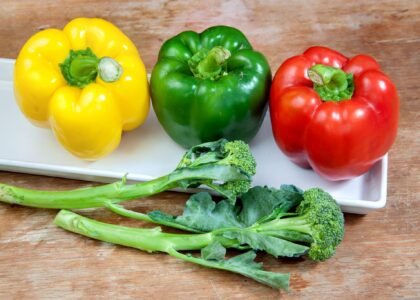
Leafy greens, carrots, bell peppers, and broccoli contain vitamins A, C, and E that strengthen the immune system and help the body fight infections.

4. Promotes Heart Health

Vegetables rich in potassium and antioxidants help control blood pressure and reduce cholesterol levels, lowering the risk of heart disease.

5. Improves Skin Health

Vegetables provide antioxidants that protect the skin from damage caused by pollution and aging. Vitamins found in vegetables help maintain glowing and healthy skin.
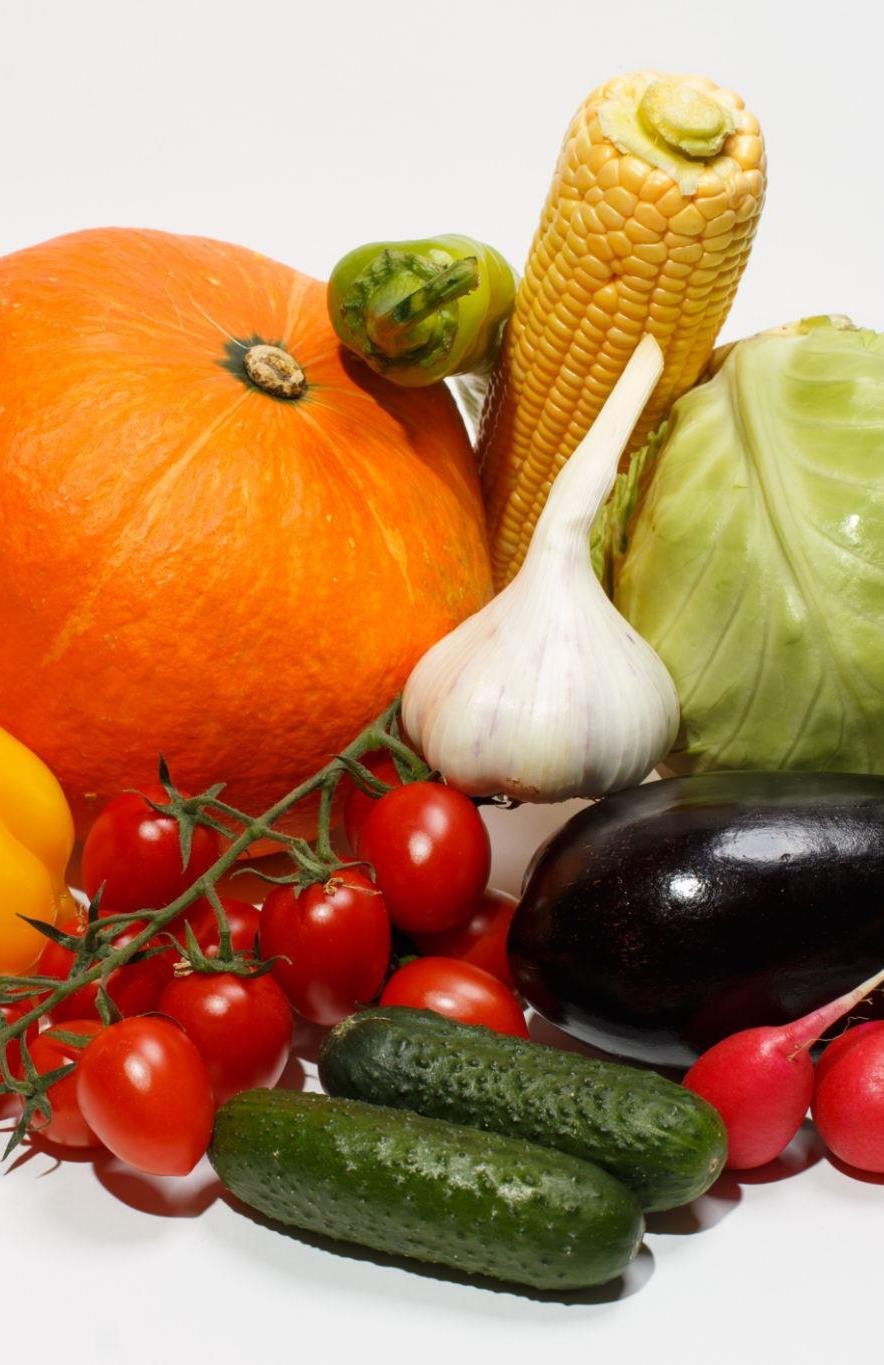
daily vegetable diet

Benefits of Adding Daily Vegetable Diet

Adding vegetables to your daily meals can create long-term positive effects on physical and mental health. People who regularly consume vegetables often experience better digestion, improved fitness, and stronger immunity.

Better Nutrient Intake

Vegetables provide essential nutrients such as:

  • Vitamin A
  • Vitamin C
  • Vitamin K
  • Iron
  • Potassium
  • Magnesium
  • Folate

These nutrients support important body functions including bone health, blood circulation, and brain activity.

Reduces Risk of Chronic Diseases

Studies show that people who consume more vegetables have a lower risk of:

  • Heart disease
  • High blood pressure

How Does Daily Vegetable Diet to improve Your Health?

A daily vegetable diet improves health by supplying the body with natural nutrients required for growth, repair, and protection.

Supports Digestive Health

Fiber-rich vegetables improve digestion and support regular bowel movements. They also help maintain a healthy digestive system by feeding beneficial gut bacteria.

Strengthens the Immune System

Vegetables rich in antioxidants and vitamins help the immune system fight viruses and bacteria more effectively.

Protects Heart Function

Potassium-rich vegetables help regulate blood pressure and support healthy blood circulation. Fiber also helps reduce bad cholesterol levels.

Enhances Eye Health

Carrots, spinach, and sweet potatoes contain beta-carotene and vitamin A, which support healthy vision and reduce the risk of eye disorders.

Builds Strong Bones

Vegetables such as kale, broccoli, and spinach provide calcium and vitamin K, which are important for bone strength and density.

Different Types of Daily Vegetable Diet & Their Health Benefits, Nutrients

Type of Vegetable Main Nutrients Health Benefits
Leafy Greens Iron, Calcium, Vitamin K Improve bone health and immunity
Carrots Beta-carotene, Vitamin A Support eye health and skin
Broccoli Vitamin C, Fiber Boost immunity and digestion
Tomatoes Lycopene, Vitamin C Promote heart and skin health
Bell Peppers Antioxidants, Vitamin C Improve immunity and reduce inflammation
Cucumbers Water, Fiber Support hydration and digestion
Spinach Iron, Magnesium Increase energy and blood health
Cauliflower Fiber, Vitamin C Improve digestion and support weight loss

How does Balanzing enhance Daily Vegetable Diet?

The Balanzing approach maximizes Daily Vegetable Diet benefits by encouraging consistent, mindful, and moderate consumption as part of a balanced lifestyle. Daily Vegetable Diet is naturally rich in vitamins, minerals, antioxidants, and dietary fiber, which together support immunity, digestion, blood sugar regulation, heart health, and overall wellness. By following Balanzing principles, individuals consume Daily Vegetable Diet in proper portions and at appropriate times, ensuring that the body efficiently absorbs and utilizes its nutrients. This method enhances long-term benefits such as stronger immunity, improved digestive function, stable blood sugar levels, healthier skin, and sustained energy, while preventing overconsumption.

daily vegetable diet high fiber daily vegetable diet low calorie daily vegetable diet easy daily vegetable diet recipes healthy daily vegetable diet chart Daily Vegetable Diet – Complete Healthy Living Guide (BALANZING Nutrition) A healthy lifestyle begins with proper nutrition, and vegetables play a central role in maintaining overall well-being. A well-planned daily vegetable diet helps improve digestion, boost energy, support immunity, and maintain a healthy body weight. Vegetables are rich in fiber, vitamins, minerals, and antioxidants that are essential for long-term health. The BALANZING approach focuses on simple, natural, and balanced eating habits that can be followed daily for sustainable wellness. Including a variety of vegetables in meals is one of the easiest and most effective ways to improve overall health. 🥦 Importance of Daily Vegetable Diet A consistent daily vegetable diet is essential for maintaining physical and mental health. Vegetables provide nutrients that support every function of the human body. Key Importance Points: Supports overall body function Improves digestion and gut health Boosts immunity naturally Helps maintain healthy weight Reduces risk of chronic diseases A well-balanced diet with vegetables ensures long-term wellness and energy stability. 🥬 Characteristics of Healthy Vegetable Diet A proper vegetable-based diet includes certain important characteristics that make it beneficial for health. 1. Rich in Fiber Improves digestion Supports gut health Controls appetite 2. Low in Calories Helps in weight management Reduces fat accumulation 3. Nutrient Dense Rich in vitamins A, C, K Contains minerals like potassium and magnesium 4. Natural Detox Support Helps remove toxins from the body Improves liver function These features make high fiber daily vegetable diet essential for long-term health improvement. 🥗 High Fiber Daily Vegetable Diet Benefits A high fiber daily vegetable diet is one of the most effective ways to improve digestion and metabolic health. Benefits: Improves bowel movement Controls blood sugar levels Reduces cholesterol Keeps you full for longer Supports weight loss High Fiber Vegetables Include: Spinach Broccoli Carrots Beans Cauliflower Fiber-rich vegetables also help maintain steady energy throughout the day. 🥗 Low Calorie Daily Vegetable Diet Guide A low calorie daily vegetable diet is ideal for people who want to maintain or reduce body weight while staying healthy. Key Features: Low energy intake High nutrient value Suitable for weight management Benefits: Supports fat reduction Improves metabolism Enhances energy balance Reduces hunger cravings Best Low-Calorie Vegetables: Cucumber Lettuce Zucchini Tomatoes Spinach These vegetables can be consumed in large quantities without increasing calorie load. 🍲 Easy Daily Vegetable Diet Recipes Following easy daily vegetable diet recipes helps make healthy eating simple and sustainable. Simple Recipe Ideas: 1. Vegetable Salad Bowl Mixed leafy greens Cucumber, carrot, tomato Olive oil dressing 2. Steamed Vegetables Broccoli, beans, carrots Light seasoning 3. Vegetable Soup Bottle gourd, spinach, celery Low salt preparation 4. Stir-Fried Vegetables Bell peppers, zucchini, beans Minimal oil cooking These recipes are quick, nutritious, and easy to prepare daily. 🥗 Healthy Daily Vegetable Diet Chart A healthy daily vegetable diet chart helps maintain balance and ensures proper nutrient intake throughout the day. Sample Diet Chart: Morning: Cucumber + lemon water Light vegetable smoothie Breakfast: Vegetable omelet or sautéed greens Lunch: Brown rice + mixed vegetable curry Salad bowl Evening: Steamed vegetables or soup Dinner: Light stir-fried vegetables Green salad This structure ensures consistent nutrition and balanced meals. 🥦 Benefits of Daily Vegetable Consumption A consistent daily vegetable diet offers multiple health benefits: Major Benefits: Improves digestive health Supports heart function Enhances skin health Strengthens immunity Helps weight management Reduces inflammation Vegetables provide natural healing properties that improve overall body function. 🧠 How Vegetable Diet Supports Body Systems 1. Digestive System Fiber improves gut movement and prevents constipation. 2. Cardiovascular System Vegetables help reduce cholesterol and improve blood flow. 3. Immune System Vitamins and antioxidants strengthen immunity. 4. Metabolic System Improves energy conversion and fat metabolism. 🥗 Features of a Balanced Vegetable Diet A strong vegetable-based diet includes: Variety of colors Fresh ingredients Proper portion control Balanced nutrients Low oil preparation These features ensure long-term health benefits. 🌱 Lifestyle Benefits of Vegetable Diet A consistent vegetable-rich lifestyle improves both physical and mental health. Lifestyle Improvements: Better energy levels Improved mood Reduced stress Better sleep quality Healthy body weight 🥬 BALANZING Approach to Healthy Eating The BALANZING system focuses on simple nutrition habits that are easy to follow daily. Core Principles: Natural food choices Balanced meals High vegetable intake Low processed food consumption Consistency in diet This approach ensures long-term health and sustainable lifestyle improvement. ❓ FAQ – Daily Vegetable Diet 1. What is a daily vegetable diet? It is a diet plan that includes vegetables in every meal for better health. 2. Why is a high fiber vegetable diet important? It improves digestion, controls sugar levels, and supports weight loss. 3. Can vegetables help in weight loss? Yes, low-calorie vegetables help reduce fat naturally. 4. What is the best way to cook vegetables? Steaming, boiling, and light sautéing are best methods. 5. How many vegetables should I eat daily? At least 3–5 servings of mixed vegetables are recommended. 🌿 Conclusion A well-planned daily vegetable diet is one of the most effective ways to maintain long-term health and wellness. Choosing a high fiber daily vegetable diet, following a low calorie daily vegetable diet, trying easy daily vegetable diet recipes, and maintaining a healthy daily vegetable diet chart can significantly improve overall body function. With the BALANZING approach, healthy eating becomes simple, natural, and sustainable for everyday life. Healthy Vegetable-Based Daily Diet Guide A healthy lifestyle begins with the food we choose every day. Among all food groups, vegetables are one of the most important parts of a balanced diet. They provide essential nutrients that support overall body function, improve energy levels, and help maintain long-term wellness. A diet centered around vegetables is simple, natural, and suitable for people of all ages. Vegetables are rich in vitamins, minerals, fiber, and antioxidants. These nutrients work together to keep the body functioning efficiently. Unlike processed foods, vegetables are low in unhealthy fats and added sugars, making them an ideal foundation for daily meals. 🌱 Importance of a Vegetable-Rich Diet A diet that includes a variety of vegetables supports almost every system in the body. It improves digestion, strengthens immunity, and helps maintain a healthy body weight. Regular consumption of vegetables also reduces the risk of many lifestyle-related health issues. One of the most important benefits of vegetable-based eating is its effect on digestion. Fiber helps regulate bowel movements and supports a healthy gut. This contributes to better nutrient absorption and overall digestive comfort. Vegetables also play a key role in maintaining energy levels. Since they are rich in complex carbohydrates and essential nutrients, they provide steady energy throughout the day without causing sudden spikes or crashes. 🥦 Nutritional Value of Vegetables Vegetables contain a wide range of nutrients that are essential for human health. Some of the most important include: Vitamins such as A, C, K, and B-complex Minerals like potassium, magnesium, calcium, and iron Dietary fiber Natural antioxidants Each nutrient plays a specific role in maintaining health. Vitamins support immunity and skin health, minerals help with bone strength and muscle function, fiber improves digestion, and antioxidants protect cells from damage. The combination of these nutrients makes vegetables one of the most complete natural food sources available. 🥕 Health Benefits of Daily Vegetable Intake Including vegetables regularly in meals provides many long-term health benefits: 1. Supports Digestive Health Fiber-rich foods help regulate the digestive system and prevent common issues such as constipation and bloating. A healthy digestive system is essential for overall well-being. 2. Improves Immunity Vegetables contain antioxidants and vitamins that strengthen the immune system. A strong immune system helps the body fight infections and recover faster. 3. Helps Maintain Healthy Weight Vegetables are low in calories but high in nutrients. This helps control calorie intake while still providing essential nourishment, making them ideal for weight management. 4. Enhances Skin Health Nutrients in vegetables help improve skin texture, reduce dryness, and support natural glow. Antioxidants also protect skin cells from damage. 5. Supports Heart Function A vegetable-rich diet helps maintain healthy circulation and supports proper heart function. Nutrients like potassium help maintain balance in the body. 🥗 Role of Fiber in Daily Nutrition Fiber is one of the most important components of vegetables. It helps slow down digestion, which allows the body to absorb nutrients more efficiently. It also supports gut health by feeding beneficial bacteria in the digestive system. A fiber-rich diet helps maintain a feeling of fullness for longer periods. This can reduce unnecessary snacking and help maintain balanced eating habits. Fiber also plays a role in regulating cholesterol levels and supporting heart health. It naturally binds to certain substances in the digestive system and helps remove them from the body. 🧠 Vegetables and Mental Well-Being Nutrition does not only affect the body but also the mind. A diet rich in vegetables supports brain health and mental clarity. Nutrients like folate, magnesium, and antioxidants help improve cognitive function and reduce mental fatigue. Healthy eating habits are also linked to better mood stability. When the body receives proper nutrition, energy levels remain balanced, which contributes to emotional well-being. 🍲 Ways to Include Vegetables in Daily Meals Vegetables can be included in many different ways, making them easy to consume every day: Fresh salads Steamed dishes Light soups Stir-fried meals Mixed vegetable curries Different cooking methods help preserve nutrients while adding variety to meals. It is important to avoid overcooking, as excessive heat can reduce nutritional value. Eating a variety of vegetables ensures the body receives a wide range of nutrients. Colorful vegetables such as green, orange, red, and purple varieties provide different health benefits. 🧂 Healthy Eating Habits Along with vegetable consumption, healthy eating habits are important for overall wellness: Eat balanced meals throughout the day Avoid excessive processed foods Drink enough water Maintain regular meal timings Practice portion control These habits help the body function more efficiently and support long-term health. 🏃 Lifestyle and Nutrition Connection A healthy lifestyle is not only about food but also about daily habits. Regular physical activity supports digestion, improves circulation, and strengthens the body. Exercise combined with proper nutrition leads to better energy levels and improved fitness. Sleep is another important factor. A well-rested body functions better and recovers faster. Stress management techniques such as meditation or breathing exercises can also improve overall well-being. 🌿 Long-Term Health Benefits A consistent vegetable-based eating pattern provides long-term benefits such as: Improved metabolism Better energy balance Stronger immune system Reduced risk of lifestyle disorders Better overall quality of life Over time, the body becomes more efficient at processing nutrients and maintaining balance. 🥗 Conclusion A diet centered around vegetables is one of the simplest and most effective ways to support overall health. It provides essential nutrients, improves digestion, strengthens immunity, and helps maintain a balanced lifestyle. When combined with healthy habits such as regular physical activity, proper hydration, and adequate sleep, a vegetable-rich diet becomes a powerful foundation for lifelong wellness. Making small, consistent changes in daily eating habits can lead to significant long-term health improvements. A healthy lifestyle begins with the food we consume every day, and plant-based nutrition plays a major role in maintaining overall well-being. A well-planned approach to eating ensures that the body receives essential nutrients, energy, and protection against lifestyle-related issues. Among all food groups, vegetables are one of the most important sources of natural nutrition. A balanced diet that includes a variety of vegetables helps improve digestion, boost immunity, and support long-term health. They are rich in vitamins, minerals, fiber, and antioxidants that help the body function efficiently. Unlike processed foods, vegetables are naturally low in unhealthy fats and added sugars, making them a strong foundation for daily meals. One of the key advantages of including daily vegetable diet in meals is its ability to improve overall body function. Vegetables provide essential nutrients that support metabolism, energy production, and cellular repair. Regular consumption helps maintain a healthy weight and reduces the risk of many lifestyle-related health concerns. Fiber is one of the most important components found in vegetables. A high fiber daily vegetable diet supports digestion by improving bowel movement and maintaining gut health. Fiber also helps in controlling appetite, which can assist in maintaining a balanced eating pattern. It plays a role in regulating cholesterol levels and supporting heart function as well. Another important benefit is weight management. A low calorie daily vegetable diet allows individuals to consume nutrient-rich foods without excessive calorie intake. This helps in maintaining energy balance while avoiding unnecessary weight gain. Vegetables provide fullness with fewer calories, making them ideal for healthy eating habits. Vegetables also contribute to mental clarity and overall energy levels. Nutrients such as magnesium, potassium, and antioxidants support brain function and reduce fatigue. A well-balanced diet helps maintain stable energy throughout the day, improving productivity and focus. Incorporating vegetables into meals does not have to be complicated. Simple meal ideas such as salads, soups, steamed vegetables, and light stir-fries make it easy to maintain an easy daily vegetable diet recipes routine. These meals are quick to prepare and retain most of their nutritional value when cooked properly. Variety is an important factor in healthy eating. A healthy daily vegetable diet chart can help structure meals and ensure that different nutrients are consumed throughout the day. Including green vegetables, root vegetables, and colorful vegetables ensures a wide range of vitamins and minerals that support overall health. Vegetables also play a key role in strengthening the immune system. Antioxidants help protect the body from damage caused by free radicals. This improves the body’s ability to fight infections and recover faster from illness. A consistent vegetable-based diet supports long-term immunity and overall resilience. Another important benefit of vegetable consumption is improved digestion. Fiber-rich foods help maintain a healthy gut environment, which is essential for nutrient absorption and waste removal. A healthy digestive system contributes to better energy levels and overall comfort. Hydration also plays a role in maintaining health. Many vegetables contain high water content, which helps keep the body hydrated and supports metabolic functions. Proper hydration is essential for maintaining healthy skin, circulation, and organ function. A vegetable-rich lifestyle also supports heart health. Nutrients found in vegetables help maintain healthy blood pressure levels and improve circulation. This reduces strain on the cardiovascular system and supports long-term heart function. Consistency is the key to achieving long-term benefits. Small daily changes in diet can lead to significant improvements in overall health over time. Choosing natural foods, reducing processed food intake, and focusing on balanced nutrition creates a strong foundation for wellness. In conclusion, including vegetables in daily meals is one of the simplest and most effective ways to improve health naturally. Whether it is a daily vegetable diet, a high fiber daily vegetable diet, or a low calorie daily vegetable diet, the benefits are long-lasting. Combined with structured meal planning through a healthy daily vegetable diet chart and simple cooking ideas like easy daily vegetable diet recipes, this approach supports overall physical and mental well-being.

Disclaimer

The information provided on this website is collected and compiled from publicly available sources for general informational purposes only.

Table of Contents