
Iron Rich Vegetables Health Benefits
Iron is an essential mineral that helps your body produce hemoglobin, carry oxygen, maintain energy levels, and support overall wellness
Iron-Rich Vegetables Health Benefits
Iron-rich vegetables provide multiple health advantages beyond simply increasing iron intake. They support energy production, immunity, healthy skin, and better body function.
1. Helps Prevent Iron Deficiency Anemia
Iron is necessary for making hemoglobin, which carries oxygen in the blood. Eating iron-rich vegetables regularly may help reduce the risk of fatigue, weakness, dizziness, and anemia.
2. Boosts Energy Levels
Low iron levels can make people feel tired and weak. Iron-rich vegetables help improve oxygen circulation in the body, supporting higher energy and stamina.
3. Supports Healthy Immune Function
Vegetables rich in iron also contain antioxidants, vitamins, and minerals that help strengthen the immune system and protect the body from infections.
4. Improves Brain Function
Iron plays a role in cognitive performance, concentration, and memory. Proper iron intake supports healthy brain activity and mental alertness.
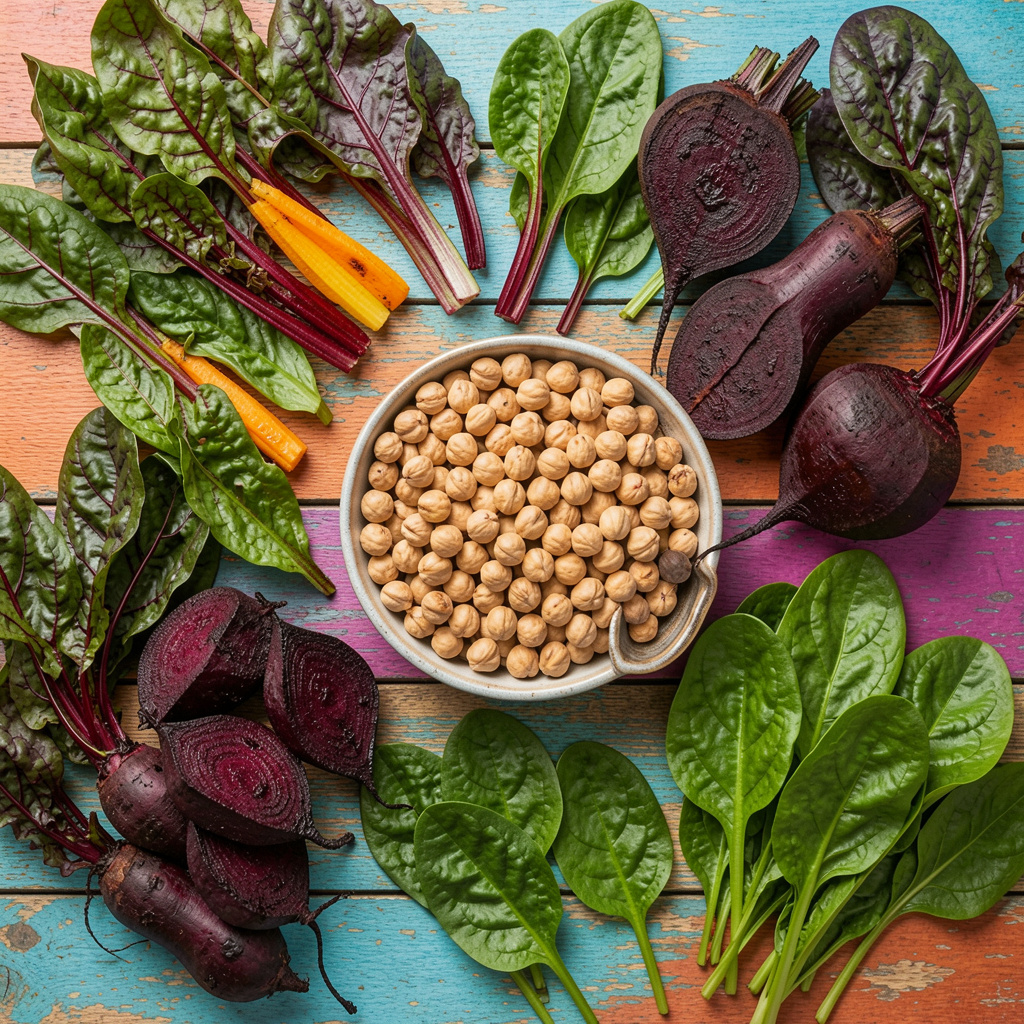
Benefits of Adding Iron-Rich Vegetables to Your Daily Diet
Including iron-rich vegetables in your daily meals can improve long-term health in many ways. These vegetables are nutrient-dense, low in calories, and naturally rich in essential compounds.
Supports Daily Nutritional Balance
Iron-rich vegetables often contain:
- Fiber
- Vitamin A
- Vitamin C
- Folate
- Calcium
- Magnesium
- Potassium
This combination supports balanced nutrition and overall wellness.
Naturally Improves Energy Throughout the Day
People with low iron intake often experience constant tiredness. Adding leafy greens, peas, and broccoli to meals may help maintain better energy levels naturally.
How Does Iron-Rich Vegetables to improve Your Health?
Iron-rich vegetables contribute to multiple body functions and improve overall health through consistent nutrient support.
Improves Oxygen Transport
Iron helps red blood cells carry oxygen from the lungs to tissues and organs. Better oxygen flow supports energy and organ function.
Enhances Physical Performance
Adequate iron intake helps muscles receive enough oxygen during exercise and daily activities, improving endurance and reducing fatigue.
Supports Mental Clarity
Iron contributes to healthy brain function and may help improve focus, concentration, and productivity.
Strengthens Immunity
Iron-rich vegetables provide nutrients that help the body fight infections and maintain strong immune defenses.
Different Types of Iron-Rich Vegetables & Their Health Benefits
| Iron-Rich Vegetable | Key Nutrients | Health Benefits |
|---|---|---|
| Spinach | Iron, folate, vitamin C | Supports blood health and boosts energy |
| Kale | Iron, calcium, antioxidants | Supports bones, immunity, and heart health |
| Broccoli | Iron, vitamin C, fiber | Improves immunity and digestion |
| Swiss chard | Iron, magnesium, potassium | Supports muscles and circulation |
| Green peas | Iron, protein, fiber | Boosts energy and digestive health |
| Mustard greens | Iron, vitamin K, antioxidants | Supports immunity and bone strength |
| Beet greens | Iron, vitamin A, calcium | Promotes healthy blood circulation |
How does Balanzing enhance Iron-Rich Vegetables Health benefits?
The Balanzing approach maximizes Iron-Rich Vegetables benefits by encouraging consistent, mindful, and moderate consumption as part of a balanced lifestyle. Iron-Rich Vegetables is naturally rich in vitamins, minerals, antioxidants, and dietary fiber, which together support immunity, digestion, blood sugar regulation, heart health, and overall wellness. By following Balanzing principles, individuals consume Iron-Rich Vegetables in proper portions and at appropriate times, ensuring that the body efficiently absorbs and utilizes its nutrients. This method enhances long-term benefits such as stronger immunity, improved digestive function, stable blood sugar levels, healthier skin, and sustained energy, while preventing overconsumption.
Disclaimer
The information provided on this website is collected and compiled from publicly available sources for general informational purposes only.
Iron Rich Vegetables Health Benefits are widely appreciated by people who want to improve their eating habits with fresh, wholesome, and naturally nutritious foods that support balanced living and healthy daily routines. Many individuals today are becoming more conscious about the foods they consume, which is why Natural sources of iron in vegetables are gaining popularity among families, fitness enthusiasts, wellness-focused individuals, and people who simply want healthier meal choices in their everyday lives. Vegetables are considered an essential part of balanced nutrition because they naturally contain vitamins, minerals, antioxidants, fiber, and plant nutrients that contribute to wholesome and satisfying meals. Plant-based iron-rich vegetables are commonly included in modern and traditional cuisines because they provide natural nourishment while also adding flavor, texture, and freshness to meals. Vegetables high in iron and fiber are especially popular because they can easily become part of regular breakfast, lunch, dinner, and snack options while contributing to more balanced eating habits. Healthy iron-rich diet foods are widely chosen by people who prefer natural and nutrient-rich ingredients instead of heavily processed food products, artificial ingredients, or unhealthy meal options. Iron Rich Vegetables Health Benefits are often discussed in wellness communities, nutrition-focused conversations, healthy recipe blogs, and lifestyle discussions because many people are interested in improving their diets through simple and sustainable food choices. Natural sources of iron in vegetables are appreciated because they offer nutritional variety while fitting comfortably into different cuisines, meal plans, and personal food preferences. Many Plant-based iron-rich vegetables are versatile enough to be used in soups, salads, curries, rice dishes, wraps, smoothies, sandwiches, and stir-fried recipes, making them suitable for people with different cooking styles and dietary habits. Vegetables high in iron and fiber are especially valued because they help create meals that feel filling, nourishing, and satisfying throughout the day. Healthy iron-rich diet foods can support wholesome eating habits by encouraging people to include more fresh vegetables and naturally nutritious ingredients in their daily meals. Iron Rich Vegetables Health Benefits continue to attract attention because vegetables are naturally rich in important nutrients that contribute to balanced meal preparation and healthier food routines. Fresh vegetables have become a central part of healthy lifestyle practices because they are easy to prepare, widely available, and suitable for countless recipes. Natural sources of iron in vegetables can be found in leafy greens, root vegetables, colorful seasonal produce, and many nutrient-rich plant foods commonly used in kitchens around the world. Plant-based iron-rich vegetables are often enjoyed by individuals who prefer fresh and natural foods that fit into clean eating and wellness-oriented lifestyles. Vegetables high in iron and fiber are frequently selected for meal planning because they pair well with grains, legumes, seeds, herbs, and spices to create flavorful and wholesome dishes. Healthy iron-rich diet foods are appreciated for their ability to combine freshness, nutrition, and versatility in ways that make healthy eating enjoyable and sustainable for many people. Iron Rich Vegetables Health Benefits are becoming increasingly important in discussions about modern eating habits because many individuals want foods that are both delicious and naturally nutritious. Fresh vegetables are valued not only for their nutrient content but also for the variety they add to meals through vibrant colors, natural flavors, and satisfying textures. Natural sources of iron in vegetables are often recommended as part of balanced meal plans because they allow people to enjoy wholesome nutrition using familiar and accessible ingredients. Many Plant-based iron-rich vegetables can be cooked in multiple ways, including steaming, roasting, sautéing, grilling, boiling, and blending, making them highly adaptable for different recipes and cuisines. Vegetables high in iron and fiber are commonly used in healthy cooking because they help create filling meals that encourage better eating habits and balanced nutrition. Healthy iron-rich diet foods are increasingly chosen by people who value fresh ingredients, mindful eating, and natural wellness-focused lifestyles. Iron Rich Vegetables Health Benefits are also associated with active lifestyles and wellness-focused routines because nutritious meals are often considered an important part of maintaining daily energy and balanced living. Many people who follow fitness routines or busy schedules prefer meals that contain fresh vegetables and natural ingredients because they provide nutritional support without relying heavily on processed foods. Natural sources of iron in vegetables can be easily included in breakfast bowls, lunch salads, evening curries, soups, smoothies, and healthy snack recipes. Plant-based iron-rich vegetables continue to gain popularity because they are suitable for vegetarian, vegan, and plant-focused meal plans while also fitting comfortably into mixed diets that include different types of foods. Vegetables high in iron and fiber are especially appreciated because they contribute to satisfying meals that support healthier food choices throughout the day. Healthy iron-rich diet foods are widely used in meal preparation because they are simple, versatile, and suitable for people with different dietary preferences and cooking styles. Iron Rich Vegetables Health Benefits are often highlighted during conversations about clean eating and natural nutrition because vegetables are among the most important components of balanced diets around the world. Many individuals today are trying to reduce their intake of heavily processed foods and instead focus on fresh ingredients that naturally contribute to healthier lifestyles. Natural sources of iron in vegetables provide an easy and practical way to include more nutrient-rich foods in daily meals while enjoying fresh and flavorful dishes. Plant-based iron-rich vegetables are frequently combined with lentils, beans, whole grains, nuts, and seeds to create meals that feel hearty, nutritious, and satisfying. Vegetables high in iron and fiber are especially popular among people who enjoy homemade meals prepared with simple and wholesome ingredients. Healthy iron-rich diet foods continue to be an important part of healthy meal planning because they support balanced eating patterns and encourage people to enjoy more fresh produce in their everyday routines. Iron Rich Vegetables Health Benefits are also connected with seasonal eating habits because many nutrient-rich vegetables are available throughout different seasons of the year. Seasonal produce is often valued for its freshness, flavor, affordability, and nutritional quality, making it easier for families to include more vegetables in regular meals. Natural sources of iron in vegetables can often be found in locally grown produce that supports both healthy eating and sustainable food choices. Plant-based iron-rich vegetables are commonly used in regional cuisines and traditional recipes because they have long been appreciated for their versatility and natural nourishment. Vegetables high in iron and fiber can be enjoyed in light salads during warm weather or comforting soups and curries during cooler seasons, making them suitable for year-round meal preparation. Healthy iron-rich diet foods continue to inspire creative cooking ideas and nutritious recipes that encourage healthier eating habits for individuals and families alike. Iron Rich Vegetables Health Benefits are becoming increasingly popular among people who enjoy experimenting with healthy recipes and balanced meal combinations. Many food enthusiasts and wellness-conscious individuals appreciate vegetables because they can transform simple meals into colorful, nutritious, and flavorful dishes. Natural sources of iron in vegetables are often paired with vitamin-rich fruits, herbs, spices, and healthy grains to create meals that are both delicious and naturally nourishing. Plant-based iron-rich vegetables are frequently used in smoothies, grain bowls, wraps, sandwiches, and pasta dishes because they add freshness and nutritional value to meals. Vegetables high in iron and fiber are especially valued because they support balanced eating habits while making meals feel more satisfying and complete. Healthy iron-rich diet foods are widely chosen by individuals who want to maintain wholesome food routines that prioritize freshness, nutrition, and enjoyable eating experiences. Iron Rich Vegetables Health Benefits continue to influence healthy lifestyle trends because many people are becoming more aware of the importance of natural and nutrient-rich foods in everyday life. Fresh vegetables are often considered essential for balanced nutrition because they provide a variety of vitamins, minerals, antioxidants, and dietary fiber in a natural form. Natural sources of iron in vegetables are appreciated because they can be easily included in simple home-cooked meals without requiring complicated preparation methods or expensive ingredients. Plant-based iron-rich vegetables are often recommended in healthy recipe ideas because they can fit into many cuisines and dietary preferences while contributing to balanced meal planning. Vegetables high in iron and fiber are ideal for people who want nutritious foods that are easy to cook, easy to enjoy, and suitable for regular consumption. Healthy iron-rich diet foods remain an important part of wellness-focused eating habits because they encourage individuals to choose fresh ingredients and wholesome meals more often. Iron Rich Vegetables Health Benefits are also valued because vegetables can help create colorful and visually appealing meals that make healthy eating more enjoyable. Many people are inspired to include more vegetables in their diets when meals look vibrant, fresh, and appetizing. Natural sources of iron in vegetables often include leafy greens, beets, broccoli, peas, moringa leaves, and other nutrient-rich produce that can easily become part of delicious recipes. Plant-based iron-rich vegetables are commonly added to soups, curries, rice dishes, salads, and healthy snacks because they complement a wide variety of flavors and ingredients. Vegetables high in iron and fiber are especially useful in meal planning because they can create filling dishes that support balanced nutrition and satisfying eating experiences. Healthy iron-rich diet foods are increasingly popular among individuals who want practical and enjoyable ways to improve their everyday eating habits with fresh and nutritious ingredients. Iron Rich Vegetables Health Benefits continue to be recognized by people who value wellness-focused living and natural approaches to nutrition. Many households now prioritize fresh produce in their kitchens because vegetables are versatile, affordable, and suitable for countless healthy recipes. Natural sources of iron in vegetables are appreciated because they allow individuals to enjoy balanced nutrition while exploring a variety of delicious and wholesome meals. Plant-based iron-rich vegetables are often included in traditional family recipes, modern healthy cooking trends, and plant-based meal ideas because they offer both flavor and nourishment. Vegetables high in iron and fiber are commonly chosen by individuals who want foods that contribute to satisfying meals and healthier daily eating routines. Healthy iron-rich diet foods continue to inspire better food choices by encouraging people to focus on freshness, quality ingredients, and balanced nutrition as part of a healthy lifestyle. Fresh vegetables play an important role in maintaining a balanced and nutritious lifestyle. Many people prefer adding a variety of colorful vegetables to their daily meals because they naturally contain essential nutrients, dietary fiber, vitamins, and minerals that support overall wellness and healthy living habits. Including more fresh produce in everyday cooking is one of the easiest ways to create wholesome meals that are both satisfying and flavorful. Vegetables are widely appreciated for their versatility since they can be prepared in countless ways such as steaming, roasting, sautéing, grilling, boiling, or blending into soups and smoothies. Leafy greens, root vegetables, and seasonal produce are commonly used in home kitchens because they add freshness, texture, and natural flavor to meals. These nutrient-rich foods can easily be combined with grains, legumes, herbs, and spices to create delicious dishes suitable for breakfast, lunch, or dinner. Many families enjoy preparing homemade recipes using fresh produce because it encourages healthier eating habits and helps reduce the consumption of heavily processed foods. Balanced meals made with natural ingredients are often considered more wholesome and enjoyable for long-term wellness-focused lifestyles. Healthy eating routines often begin with simple choices, and adding more vegetables to regular meals is one of the most practical steps people can take. Fresh produce is suitable for many dietary preferences and can fit into vegetarian, vegan, and mixed meal plans. Salads, soups, wraps, curries, stir-fries, rice dishes, and grain bowls become more flavorful and nourishing when prepared with a variety of vegetables. Their natural colors and textures also make meals visually appealing, encouraging people to enjoy healthier foods more often. Modern lifestyles have increased awareness about the importance of mindful eating and balanced nutrition. As a result, more individuals are focusing on fresh and minimally processed ingredients to support healthier daily routines. Cooking at home with natural produce allows greater flexibility in meal preparation while also helping people experiment with new flavors and recipes. Seasonal produce is especially popular because it is often fresher, more affordable, and naturally flavorful. Many wellness-conscious individuals appreciate plant-based meal options because they can provide satisfying nourishment while remaining light and refreshing. Combining fresh vegetables with healthy grains, nuts, seeds, and legumes can create filling meals that are ideal for busy lifestyles and active routines. Homemade dishes prepared with natural ingredients are often associated with cleaner eating habits and improved meal quality. Fresh produce is also valued because it is widely available and easy to include in everyday cooking. Local markets, grocery stores, and organic food shops offer a wide variety of options throughout the year, making it convenient for families to maintain healthier food choices. Preparing meals with natural ingredients can encourage more mindful eating habits while supporting a balanced lifestyle centered around freshness and variety. Choosing wholesome foods regularly can help create better long-term eating patterns and inspire healthier lifestyle choices for individuals and families alike. Nutritious meals made with fresh produce continue to be an essential part of healthy living because they combine natural flavor, balanced nourishment, and enjoyable eating experiences in a simple and practical way. Healthy eating habits are becoming increasingly important for people who want to maintain an active and balanced lifestyle. Fresh and natural foods are often preferred because they provide nourishment while helping create wholesome and satisfying meals. Many individuals today are paying closer attention to the quality of ingredients used in their daily cooking, choosing fresh produce and minimally processed foods as part of a more mindful approach to nutrition. Simple meal choices made with natural ingredients can contribute to enjoyable eating experiences and encourage better food routines over time. Colorful vegetables are commonly included in meals because they add freshness, flavor, and texture to a wide variety of dishes. From light salads and comforting soups to homemade curries and stir-fried recipes, vegetables can easily enhance both the appearance and taste of everyday meals. Their versatility allows them to fit into different cuisines and cooking styles, making them suitable for families with diverse food preferences. Fresh ingredients can also help create meals that feel lighter, more refreshing, and naturally satisfying. Home-cooked meals prepared with natural produce are widely appreciated because they allow greater control over ingredients and portion sizes. Many people enjoy experimenting with different cooking methods such as roasting, steaming, sautéing, or grilling to create flavorful dishes while maintaining the freshness of the ingredients. Combining vegetables with grains, legumes, herbs, and spices can result in balanced meals that are both delicious and nourishing. These types of meals are often associated with healthier lifestyle habits and more conscious food choices. Modern lifestyles have encouraged many individuals to focus on cleaner and more balanced eating patterns. Instead of relying heavily on packaged or fast foods, people are increasingly exploring fresh meal ideas that emphasize quality ingredients and homemade preparation. Preparing meals at home can also become a creative and enjoyable activity that brings variety and excitement into daily routines. Seasonal produce is especially popular because it is often fresher, naturally flavorful, and easily available in local markets. Nutritious meal planning is not only about eating healthy foods but also about creating enjoyable eating experiences that can be maintained consistently. Fresh vegetables can be used in wraps, rice bowls, soups, sandwiches, pasta dishes, and smoothies, allowing endless possibilities for healthy cooking. Their natural colors and textures make meals visually appealing, which can encourage better eating habits for both adults and children. Simple additions to regular meals can make a noticeable difference in creating more balanced and wholesome food routines. Many wellness-focused individuals appreciate natural ingredients because they align with a lifestyle centered around freshness, variety, and mindful eating. Including more vegetables in daily meals can support a more balanced approach to nutrition while encouraging healthier choices throughout the day. Fresh produce is also convenient because it can be prepared quickly and adapted to different meal preferences without requiring complicated recipes or expensive ingredients. As awareness about healthy living continues to grow, more families are prioritizing nutritious home-cooked meals made with fresh ingredients. Simple and wholesome foods remain an important part of maintaining balanced eating habits and supporting overall wellness. Choosing natural produce regularly can help create sustainable food routines that are practical, flavorful, and enjoyable for long-term healthy living.
Table of Contents
Toggle