
Local Vegetables Health Benefits
Fresh local vegetables are an important part of a balanced and nutritious diet. They are grown near your area, harvested at the right time, and delivered fresh to markets and homes.
Local Vegetables Health Benefits
1. Rich Source of Vitamins and Minerals
Local vegetables contain essential nutrients such as:
- Vitamin A
- Vitamin C
- Vitamin K
- Potassium
- Iron
- Calcium
- Magnesium
These nutrients help maintain healthy bones, skin, eyes, and muscles.
2. Boosts Immunity
Vegetables like spinach, broccoli, and tomatoes contain antioxidants that protect the body from infections and diseases.
3. Improves Digestion
Fiber-rich vegetables help improve digestion, prevent constipation, and support gut health.
4. Supports Heart Health
Many vegetables help lower cholesterol and blood pressure, reducing the risk of heart disease.
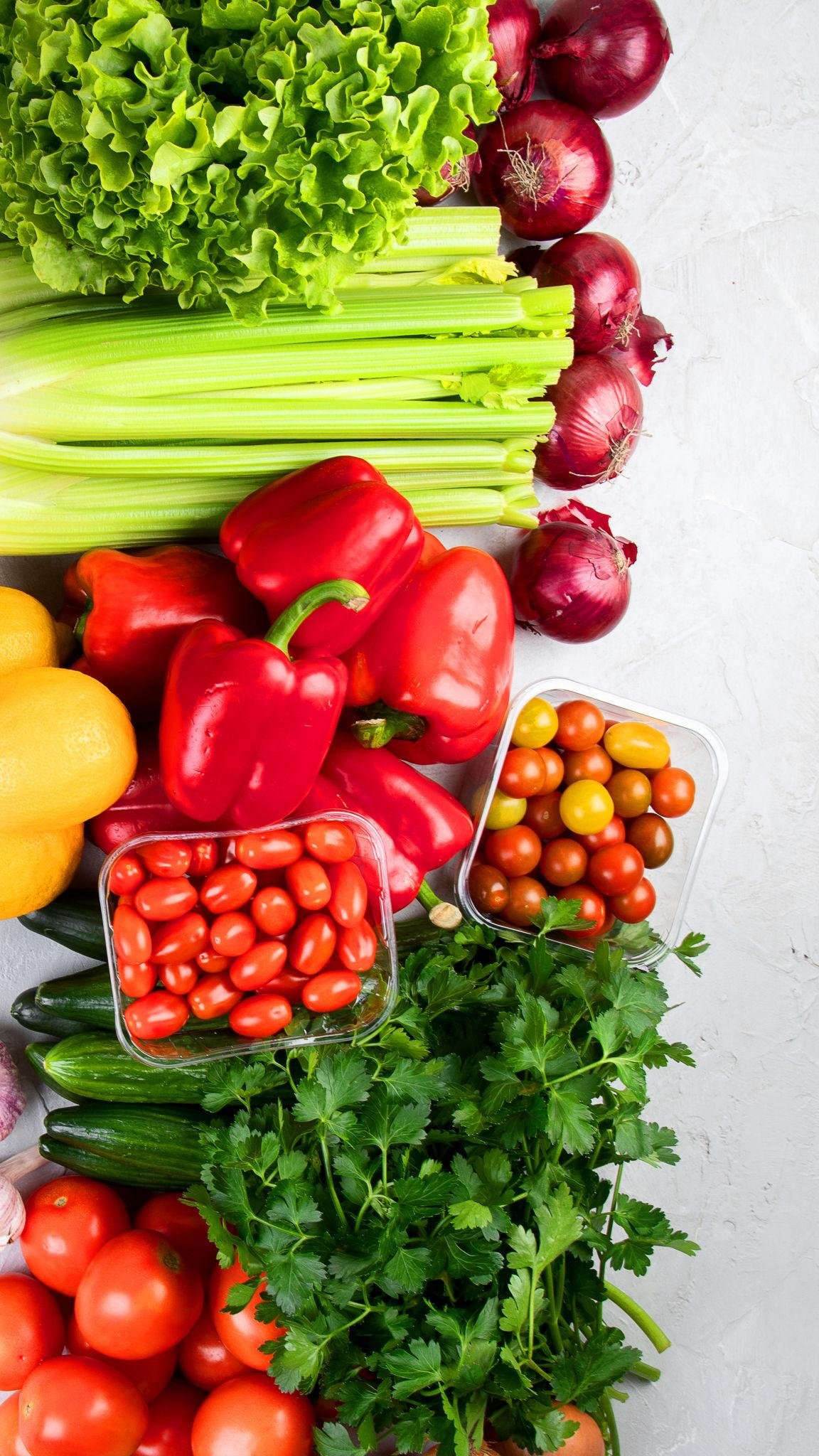
Benefits of Adding Local Vegetables to your daily diet
Better Nutrition Every Day
Fresh local vegetables contain higher nutritional value because they are consumed soon after harvesting. Daily intake ensures your body receives necessary vitamins and minerals regularly.
Increased Energy Levels
Nutrient-rich vegetables provide natural energy and reduce tiredness. Iron-rich vegetables especially help improve blood circulation and stamina.
Stronger Immune System
Daily vegetable consumption strengthens the body's defense system against common illnesses like colds, flu, and infections.
Healthy Digestive System
Vegetables rich in dietary fiber support smooth digestion and improve gut bacteria balance.
How Does Local Vegetables to improve Your Health?
Local vegetables improve health in multiple ways because they supply important nutrients that the body needs daily.
Supports Body Functions
Vitamins and minerals help regulate:
- Blood circulation
- Muscle function
- Bone strength
- Brain activity
- Hormone balance
Detoxifies the Body
Vegetables help remove toxins from the body and support liver function.
Enhances Gut Health
Fiber feeds healthy gut bacteria, which improves digestion and nutrient absorption.
Reduces Inflammation
Many vegetables contain anti-inflammatory compounds that help reduce swelling and pain.
Maintains Healthy Vision
Vegetables rich in Vitamin A support eye health and reduce vision-related problems.
Different Types of Local Vegetables & Their Health Benefits
| Local Vegetable | Main Nutrients | Health Benefits |
|---|---|---|
| Spinach | Iron, Vitamin K | Improves blood health and bone strength |
| Carrot | Vitamin A, Fiber | Supports eye health and digestion |
| Tomato | Vitamin C, Lycopene | Improves immunity and heart health |
| Broccoli | Calcium, Antioxidants | Helps reduce inflammation |
| Cabbage | Fiber, Vitamin C | Supports digestion and immunity |
| Radish | Potassium, Antioxidants | Helps detoxify the body |
| Okra | Fiber, Folate | Helps control blood sugar |
| Pumpkin | Vitamin A, Potassium | Supports eye and heart health |
How does Balanzing enhance Local Vegetables benefits?
The Balanzing approach maximizes Local Vegetables benefits by encouraging consistent, mindful, and moderate consumption as part of a balanced lifestyle. Local Vegetables is naturally rich in vitamins, minerals, antioxidants, and dietary fiber, which together support immunity, digestion, blood sugar regulation, heart health, and overall wellness. By following Balanzing principles, individuals consume Local Vegetables in proper portions and at appropriate times, ensuring that the body efficiently absorbs and utilizes its nutrients. This method enhances long-term benefits such as stronger immunity, improved digestive function, stable blood sugar levels, healthier skin, and sustained energy, while preventing overconsumption.
How do Local Vegetables Health Benefits support a healthier lifestyle with BALANZING?
At BALANZING, we believe that understanding Local Vegetables Health Benefits can help you make better dietary choices. Fresh, locally grown vegetables provide essential vitamins, minerals, antioxidants, and fiber that support digestion, immunity, heart health, and overall wellness. Including local vegetables in your daily meals is a simple way to maintain a balanced and nutritious lifestyle.

Disclaimer
The information provided on this website is collected and compiled from publicly available sources for general informational purposes only.
Local Vegetables Health Benefits: Why Fresh Produce Matters for Your Well-Being Eating fresh vegetables is one of the simplest ways to improve overall health and maintain a balanced lifestyle. While imported and commercially processed foods are widely available, locally grown vegetables continue to be a preferred choice for many health-conscious individuals. They are often fresher, more nutritious, and environmentally friendly. Understanding the importance of local produce can help people make better dietary choices that support both personal wellness and local farming communities. In this article, we will explore the many Local Vegetables Health Benefits, discuss the Benefits of eating local vegetables, examine the Nutritional value of local vegetables, highlight Healthy local vegetables for daily diet, and explain Why local vegetables are good for health. Understanding Local Vegetables Local vegetables are crops grown within a nearby geographical area and sold shortly after harvest. Because they travel shorter distances from farm to table, they often retain more freshness and flavor than produce transported across regions or countries. Consumers today are increasingly interested in sustainable and nutritious food options. One of the key Local Vegetables Health Benefits is that these vegetables are generally harvested at peak ripeness, allowing them to provide maximum nutritional support. The Importance of Freshness Freshness plays a major role in determining the quality of vegetables. Many nutrients begin to degrade after harvesting, especially when produce spends days or weeks in transportation and storage facilities. The Benefits of eating local vegetables become evident when considering freshness. Since local vegetables reach consumers more quickly, they retain their natural taste, texture, and nutrient content. Fresh vegetables can also make meals more enjoyable and encourage healthier eating habits. When vegetables are consumed shortly after harvest, the Nutritional value of local vegetables is often better preserved. This means you receive more vitamins, minerals, and antioxidants with every serving. Rich Source of Essential Nutrients Vegetables contain numerous nutrients that contribute to overall health. These include vitamins A, C, K, and various B vitamins, as well as minerals such as potassium, magnesium, and calcium. One of the most significant Local Vegetables Health Benefits is access to nutrient-dense foods that support bodily functions. Fresh vegetables help maintain healthy skin, improve immune function, and contribute to stronger bones. The Nutritional value of local vegetables makes them an excellent addition to meals throughout the day. Leafy greens, carrots, tomatoes, cucumbers, and beans all provide unique nutritional advantages that help meet daily dietary requirements. Choosing Healthy local vegetables for daily diet can help ensure a steady intake of essential nutrients needed for long-term wellness. Supporting Digestive Health Dietary fiber is an important component of vegetables and plays a critical role in maintaining digestive health. Fiber supports regular bowel movements, promotes gut health, and helps prevent digestive discomfort. Among the many Benefits of eating local vegetables, improved digestion stands out as a key advantage. Fiber-rich vegetables nourish beneficial gut bacteria and contribute to a healthier digestive system. The Nutritional value of local vegetables includes both soluble and insoluble fiber, which work together to support digestive function and overall health. Incorporating Healthy local vegetables for daily diet can help individuals maintain a balanced digestive system while supporting nutrient absorption. Strengthening the Immune System A strong immune system is essential for protecting the body from illness and infection. Vegetables provide antioxidants, vitamins, and minerals that help strengthen immune defenses. One of the notable Local Vegetables Health Benefits is their ability to support immune health naturally. Fresh vegetables contain compounds that help reduce oxidative stress and promote healthy immune responses. The Benefits of eating local vegetables include obtaining nutrients that contribute to the body's natural defense mechanisms. Vitamin C-rich vegetables, for example, support white blood cell production and immune function. Understanding Why local vegetables are good for health becomes easier when considering their role in helping the body fight illness and maintain vitality. Promoting Heart Health Heart disease remains a major health concern worldwide, making heart-friendly dietary choices increasingly important. Vegetables are naturally low in calories and saturated fats while being rich in beneficial nutrients. The Nutritional value of local vegetables supports cardiovascular health through potassium, fiber, and antioxidant content. These nutrients help regulate blood pressure and support healthy circulation. Among the important Benefits of eating local vegetables is their contribution to maintaining healthy cholesterol levels. A vegetable-rich diet can reduce cardiovascular risk factors and promote long-term heart health. Regularly consuming Healthy local vegetables for daily diet can be a practical step toward protecting the heart and supporting overall wellness. Better Taste and Quality Many people notice a significant difference in taste when comparing local produce to vegetables transported over long distances. Freshly harvested vegetables often have richer flavors and better textures. One of the appealing Local Vegetables Health Benefits is that fresher vegetables encourage greater consumption of nutritious foods. When meals taste better, people are more likely to include vegetables regularly in their diets. The superior flavor also highlights Why local vegetables are good for health, as enjoyable meals can help maintain consistent healthy eating habits over time. Supporting Weight Management Maintaining a healthy weight is important for overall well-being and disease prevention. Vegetables are naturally low in calories while providing valuable nutrients and fiber. The Benefits of eating local vegetables include feeling fuller for longer periods, which may help reduce unnecessary snacking and overeating. Fiber contributes to satiety and supports healthy weight management. The Nutritional value of local vegetables ensures that individuals receive important nutrients without excessive calorie intake. This balance makes vegetables a valuable component of a healthy lifestyle. Adding Healthy local vegetables for daily diet can help create satisfying meals that support weight-related goals while promoting overall health. Environmental and Community Advantages Beyond personal wellness, choosing local vegetables benefits communities and the environment. Purchasing local produce supports farmers and strengthens regional agricultural systems. One often-overlooked aspect of Why local vegetables are good for health is the positive impact they have on food sustainability. Shorter transportation distances can reduce environmental pollution and support fresher food supplies. The Local Vegetables Health Benefits extend beyond nutrition by encouraging a more sustainable food system that benefits future generations. Variety and Seasonal Nutrition Seasonal vegetables provide opportunities to enjoy a wide range of nutrients throughout the year. Different vegetables offer unique combinations of vitamins, minerals, and plant compounds. The Benefits of eating local vegetables include access to produce that aligns with natural growing seasons. Seasonal eating can add variety to meals and encourage a broader nutrient intake. The Nutritional value of local vegetables changes with seasonal availability, providing diverse health benefits across different times of the year. Choosing Healthy local vegetables for daily diet from seasonal harvests helps maintain a balanced and enjoyable eating pattern. Encouraging Healthy Family Habits Families can benefit greatly from incorporating more vegetables into everyday meals. Children and adults alike gain nutritional advantages when vegetables become a regular part of the diet. One of the practical Local Vegetables Health Benefits is encouraging healthier food choices at home. Fresh produce can inspire nutritious recipes and meal planning. Understanding Why local vegetables are good for health helps families make informed decisions about their food consumption and long-term wellness goals. Easy Ways to Include Local Vegetables in Your Diet Making vegetables a daily habit does not need to be complicated. Small changes can significantly improve nutritional intake over time. Here are some simple ideas: Add fresh vegetables to breakfast omelets. Include salads with lunch and dinner. Use seasonal vegetables in soups and stews. Prepare healthy vegetable snacks. Experiment with local produce in smoothies and side dishes. These strategies make it easier to enjoy the Benefits of eating local vegetables while taking advantage of the Nutritional value of local vegetables. By consistently selecting Healthy local vegetables for daily diet, individuals can create sustainable eating habits that support overall health. Conclusion Local vegetables offer a combination of freshness, nutrition, flavor, and sustainability that makes them an excellent choice for people seeking healthier lifestyles. The many Local Vegetables Health Benefits include improved digestion, stronger immunity, heart health support, better weight management, and access to nutrient-rich foods. The Benefits of eating local vegetables extend beyond personal wellness by supporting local farmers and environmentally responsible food systems. The impressive Nutritional value of local vegetables makes them an essential part of balanced nutrition, while incorporating Healthy local vegetables for daily diet helps individuals maintain healthy habits. Understanding Why local vegetables are good for health can inspire smarter food choices and contribute to long-term well-being.Fresh vegetables have always been an essential part of a healthy lifestyle. They provide the nutrients the body needs to function properly while adding flavor, color, and variety to everyday meals. Among the many food choices available today, locally grown vegetables stand out because of their freshness, quality, and nutritional value. Choosing vegetables that are grown close to home can positively impact both personal health and the environment. As more people become aware of the importance of healthy eating, locally sourced produce continues to gain popularity. These vegetables are often harvested at peak ripeness and reach consumers faster than produce transported over long distances. This means they can retain more of their natural flavor and nutrients, making them an excellent addition to a balanced diet. What Are Local Vegetables? Local vegetables are crops grown within a nearby region and sold directly or through local markets, grocery stores, and farm shops. Because they travel shorter distances from farm to consumer, they typically spend less time in storage and transportation. Unlike vegetables imported from distant locations, locally grown produce often reaches customers shortly after harvesting. This contributes to better freshness, improved texture, and enhanced taste. Many people find that locally grown vegetables have a richer flavor compared to produce that has been stored for extended periods. Rich in Essential Nutrients Vegetables are packed with important nutrients that support overall health. They provide vitamins, minerals, antioxidants, and dietary fiber, all of which play critical roles in maintaining bodily functions. Vitamin A supports healthy vision and immune function. Vitamin C helps protect cells from damage and assists in collagen production. Vitamin K contributes to bone health, while minerals such as potassium and magnesium support heart and muscle function. Fresh vegetables are also rich in antioxidants, which help protect the body from oxidative stress. These compounds may contribute to long-term wellness by supporting healthy aging and reducing the impact of environmental factors on the body. Supporting Digestive Health A healthy digestive system is essential for overall well-being. Vegetables contain dietary fiber, which helps maintain regular bowel movements and supports gut health. Fiber adds bulk to the digestive process and helps food move efficiently through the digestive tract. It also serves as nourishment for beneficial gut bacteria, which play an important role in digestion and immune function. Including a variety of vegetables in daily meals can help improve digestive comfort and promote a balanced gut environment. Regular consumption of fiber-rich foods may also support healthy cholesterol levels and blood sugar management. Boosting the Immune System The immune system relies on a wide range of nutrients to function effectively. Fresh vegetables provide many of these essential nutrients, helping the body defend itself against illness and infection. Vegetables rich in vitamin C, such as bell peppers and leafy greens, support immune cell activity. Other nutrients, including vitamin A and various antioxidants, help maintain the body's natural protective barriers and cellular health. A diet that includes a variety of colorful vegetables can provide the nutrients necessary to support a strong and healthy immune system throughout the year. Promoting Heart Health Heart health is influenced by many factors, including diet. Vegetables are naturally low in saturated fat and calories while providing nutrients that support cardiovascular function. Potassium helps regulate blood pressure by balancing the effects of sodium in the body. Fiber can contribute to healthy cholesterol levels, while antioxidants help protect blood vessels from damage. Regularly consuming vegetables as part of a balanced diet may support healthy circulation and overall cardiovascular wellness. Replacing highly processed foods with fresh produce is a simple step toward maintaining a healthier heart. Helping with Weight Management Vegetables are an excellent choice for people looking to maintain a healthy weight. They provide important nutrients while generally being low in calories. Because vegetables contain fiber and water, they can help create a feeling of fullness after meals. This may reduce the desire to snack excessively between meals and help control overall calorie intake. Adding vegetables to meals can increase portion size without significantly increasing calories, making it easier to enjoy satisfying and nutritious meals. Better Flavor and Freshness One of the biggest advantages of locally grown vegetables is their taste. Since they are often harvested closer to peak ripeness, they tend to have stronger natural flavors and better textures. Fresh vegetables can make healthy eating more enjoyable. Whether added to salads, soups, stir-fries, or side dishes, they enhance meals with vibrant colors and natural flavors. The freshness of local produce can encourage people to eat more vegetables regularly, contributing to better overall nutrition and healthier eating habits. Supporting Local Farmers Purchasing locally grown vegetables benefits more than just individual health. It also supports local farmers and agricultural communities. When consumers buy local produce, they contribute directly to the local economy. This support helps farmers continue growing high-quality crops and maintaining sustainable farming practices. Strong local agriculture can improve food security, create jobs, and strengthen community connections. Choosing local produce is a simple way to support both personal health and regional economic growth. Environmental Benefits Food transportation requires energy and resources. Vegetables that travel long distances often involve extensive transportation, storage, and packaging. Locally grown produce generally requires fewer transportation resources, which can help reduce environmental impact. Shorter travel distances often mean lower fuel consumption and reduced greenhouse gas emissions. Supporting local food systems can contribute to more sustainable consumption patterns while promoting fresher and healthier food choices. Seasonal Variety Eating vegetables according to the season provides access to a diverse range of nutrients throughout the year. Different vegetables thrive during different growing seasons, offering unique flavors and health benefits. Seasonal eating encourages dietary variety, which can help ensure a broader intake of vitamins, minerals, and plant compounds. It also introduces new ingredients into meals, making healthy eating more enjoyable and interesting. From leafy greens and root vegetables to colorful peppers and fresh beans, seasonal produce offers countless opportunities to create nutritious dishes. Easy Ways to Add More Vegetables to Your Diet Incorporating more vegetables into daily meals does not require major lifestyle changes. Simple adjustments can make a significant difference. Some practical ideas include: Adding vegetables to omelets and breakfast dishes. Including a side salad with lunch. Using fresh vegetables in soups and stews. Replacing processed snacks with sliced vegetables. Adding extra vegetables to sandwiches and wraps. Preparing roasted vegetables as a side dish. Blending vegetables into smoothies for added nutrition. These small habits can increase daily nutrient intake and contribute to long-term health benefits. Conclusion Locally grown vegetables offer a powerful combination of freshness, flavor, and nutrition. They provide essential vitamins, minerals, antioxidants, and fiber that support overall health and wellness. From improving digestion and strengthening immunity to promoting heart health and helping with weight management, fresh vegetables play a valuable role in a balanced diet. In addition to their health advantages, locally sourced produce supports farmers, strengthens communities, and contributes to environmental sustainability. By making vegetables a regular part of everyday meals, individuals can enjoy nutritious food while supporting a healthier lifestyle. Choosing fresh, locally grown vegetables is a simple yet meaningful step toward better health, greater food quality, and a more sustainable future.
Table of Contents
Toggle