
Low Calorie Vegetables Health Benefits
Low calorie vegetables are among the healthiest foods you can include in your daily meals. They are packed with essential vitamins, minerals, antioxidants, and fiber while containing very few calories
Low Calorie Vegetables Health Benefits
Low calorie vegetables offer numerous health benefits because they are rich in nutrients and low in unhealthy fats and sugars. Regular consumption can positively impact both physical and mental health.
1. Supports Weight Loss
Low calorie vegetables help reduce overall calorie intake while keeping you satisfied. Their fiber content slows digestion and reduces hunger cravings.
2. Improves Digestion
Vegetables such as cabbage, spinach, and celery contain dietary fiber that supports healthy digestion and prevents constipation.
3. Boosts Immunity
Many low calorie vegetables are rich in vitamin C, vitamin A, and antioxidants that strengthen the immune system and protect the body from infections.
4. Promotes Heart Health
Vegetables like broccoli and spinach contain nutrients that may help reduce cholesterol levels and support healthy blood pressure.

Benefits of Adding Low Calorie Vegetables to Your Daily Diet
Including low calorie vegetables in your daily meals can transform your health in many ways. Since they are nutrient-dense and naturally low in calories, they make an excellent addition to breakfast, lunch, dinner, and snacks.
Helps You Feel Full Longer
Vegetables are rich in fiber and water, which increase satiety. Eating more vegetables can reduce overeating and unhealthy snacking.
Reduces Risk of Chronic Diseases
Regular vegetable consumption may lower the risk of conditions such as:
- Heart disease
- Obesity
- Type 2 diabetes
- High blood pressure
- Certain cancers
Supports Healthy Metabolism
Nutrients found in vegetables help the body efficiently convert food into energy, supporting a healthy metabolism.
How Does Low Calorie Vegetables to improve Your Health?
Low calorie vegetables improve health by providing essential nutrients without excessive calories. Their combination of vitamins, minerals, antioxidants, and fiber supports multiple body functions.
Improves Energy Levels
Vegetables contain natural nutrients that help the body stay energized throughout the day.
Supports Bone Health
Many vegetables provide calcium, magnesium, and vitamin K, which contribute to stronger bones.
Aids Detoxification
Vegetables with high water content help flush toxins from the body and support kidney function.
Protects Against Inflammation
Antioxidants found in vegetables help reduce inflammation and oxidative stress.
Supports Eye Health
Vegetables like spinach and bell peppers contain nutrients such as lutein and vitamin A that help maintain healthy vision.
Different Types of Low Calorie Vegetables & Their Health Benefits
| Low Calorie Vegetable | Key Nutrients | Health Benefits |
|---|---|---|
| Spinach | Iron, Vitamin K, Folate | Supports blood health and immunity |
| Broccoli | Vitamin C, Fiber | Promotes heart and digestive health |
| Cucumber | Water, Antioxidants | Keeps the body hydrated |
| Lettuce | Fiber, Vitamin A | Supports weight management |
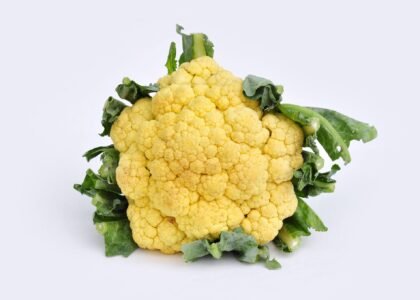
| Cauliflower | Vitamin C, Choline | Helps brain and immune function |
| Celery | Potassium, Fiber | Supports digestion and hydration |
| Zucchini | Vitamin B6, Water | Aids metabolism and digestion |
How does Balanzing enhance Low Calorie Vegetables Health benefits?
Balanzing enhances Low Calorie Vegetables Health Benefits by encouraging a well-structured and mindful approach to daily nutrition, where fresh vegetables are included in proper portions alongside other essential food groups to create a complete and balanced diet; this helps the body receive necessary nutrients while keeping calorie intake under control, supporting better energy levels, weight management, and overall wellness. By promoting consistency and variety in meal planning, Balanzing makes it easier to incorporate nutrient-rich vegetables into everyday eating habits without feeling restricted, allowing individuals to enjoy salads, soups, and home-cooked meals in a healthier way. This balanced approach not only improves digestion and sustains long-term healthy habits but also ensures that the natural benefits of low-calorie vegetables are fully utilized for a more active and healthier lifestyle.



Disclaimer
The information provided on this website is collected and compiled from publicly available sources for general informational purposes only.
Low Calorie Vegetables Health Benefits are widely recognized among people who are focusing on improving their lifestyle through balanced nutrition, clean eating habits, and natural food choices that support long-term wellness and healthy living. Many individuals today are becoming more aware of the importance of including fresh, nutrient-dense foods in their daily meals, and vegetables are often considered one of the best options for achieving this goal. Low Calorie Vegetables for Weight Loss are especially popular among fitness enthusiasts, diet planners, and health-conscious individuals because they provide essential nutrients while supporting calorie-conscious eating patterns that help maintain a healthy body weight. Best Low Calorie Vegetables for Healthy Diet are often included in meal plans because they offer a wide range of vitamins, minerals, fiber, and antioxidants that contribute to overall well-being while keeping meals light, fresh, and satisfying. Nutrient Rich Low Calorie Vegetables play an important role in supporting balanced nutrition because they help the body receive essential nourishment without adding excessive calories, making them suitable for people of all age groups and dietary preferences. Healthy Low Calorie Vegetables for Daily Meals are commonly used in home cooking, restaurant dishes, and meal-prep routines because they are versatile, easy to prepare, and compatible with a variety of recipes including salads, soups, stir-fries, wraps, and smoothies. Low Calorie Vegetables Health Benefits are often associated with weight management because these vegetables naturally support calorie control while still providing essential nutrients that help maintain energy levels throughout the day. Many people choose Low Calorie Vegetables for Weight Loss as part of their diet plans because they can be consumed in larger portions without significantly increasing calorie intake, which helps promote satiety and reduce overeating. Best Low Calorie Vegetables for Healthy Diet are also appreciated for their ability to support digestion and improve overall gut health due to their high fiber content, which plays a key role in maintaining a healthy digestive system. Nutrient Rich Low Calorie Vegetables are often included in balanced meals because they provide antioxidants and plant-based compounds that contribute to better immunity and overall wellness. Healthy Low Calorie Vegetables for Daily Meals are especially important in modern diets where people are looking for simple, natural, and effective ways to maintain good health while enjoying flavorful foods. Low Calorie Vegetables Health Benefits extend beyond weight management and also support overall wellness by encouraging the consumption of fresh, plant-based foods that are naturally rich in nutrients. Low Calorie Vegetables for Weight Loss are frequently recommended in fitness and nutrition plans because they help create calorie deficits while still ensuring that the body receives essential vitamins and minerals needed for proper functioning. Best Low Calorie Vegetables for Healthy Diet can include a wide variety of leafy greens, cruciferous vegetables, and seasonal produce that are easy to incorporate into everyday meals. Nutrient Rich Low Calorie Vegetables are often used in meal preparation because they enhance the nutritional value of dishes while maintaining a light and healthy profile. Healthy Low Calorie Vegetables for Daily Meals are ideal for people who want to maintain a balanced lifestyle without compromising on taste or variety in their food choices. Low Calorie Vegetables Health Benefits are also linked to improved energy levels and better lifestyle habits because consuming fresh vegetables regularly helps maintain stable nutrition and prevents excessive intake of processed or high-calorie foods. Low Calorie Vegetables for Weight Loss are widely included in dietary routines because they help individuals feel full for longer periods, reducing unnecessary snacking and supporting healthier eating behavior. Best Low Calorie Vegetables for Healthy Diet are often recommended by nutrition experts as part of balanced meal planning because they contribute to overall health while being easy to prepare and cook in different styles. Nutrient Rich Low Calorie Vegetables are beneficial for individuals who want to improve their dietary habits by focusing on natural and wholesome foods that support long-term wellness goals. Healthy Low Calorie Vegetables for Daily Meals can be incorporated into breakfast, lunch, dinner, and snacks, making them a flexible and convenient choice for people with busy lifestyles. Low Calorie Vegetables Health Benefits are also appreciated for their role in supporting heart health and maintaining a balanced nutritional intake. Low Calorie Vegetables for Weight Loss are often chosen by individuals who want to reduce excess calorie consumption while still enjoying filling and nutritious meals that support their fitness journey. Best Low Calorie Vegetables for Healthy Diet are commonly included in wellness-focused meal plans because they offer a combination of essential nutrients and natural freshness that supports healthy living. Nutrient Rich Low Calorie Vegetables contribute to improved overall health by providing essential vitamins and minerals that help the body function efficiently while supporting immune health and energy production. Healthy Low Calorie Vegetables for Daily Meals are widely used in different cuisines and cooking styles, making them suitable for a variety of dietary preferences including vegetarian, vegan, and mixed diets. Low Calorie Vegetables Health Benefits also play an important role in promoting clean eating habits because they encourage the consumption of natural foods that are minimally processed and rich in nutrients. Low Calorie Vegetables for Weight Loss are often included in detox diets and fitness meal plans because they help support natural cleansing processes while maintaining nutritional balance. Best Low Calorie Vegetables for Healthy Diet are valued for their ability to be easily combined with other healthy ingredients such as grains, legumes, seeds, and herbs to create complete and satisfying meals. Nutrient Rich Low Calorie Vegetables are frequently used in soups, salads, stir-fries, and smoothies, making them a versatile option for daily cooking. Healthy Low Calorie Vegetables for Daily Meals continue to gain popularity as more people shift toward natural, plant-based, and health-focused eating patterns. Low Calorie Vegetables Health Benefits are also connected to improved digestion and better metabolic function due to their fiber-rich composition, which supports gut health and regular digestion. Low Calorie Vegetables for Weight Loss are commonly recommended for individuals aiming to reduce body fat while maintaining proper nutrition and energy levels. Best Low Calorie Vegetables for Healthy Diet can help individuals maintain consistent eating habits by providing satisfying meal options that are both nutritious and low in calories. Nutrient Rich Low Calorie Vegetables are beneficial for maintaining overall wellness and supporting a healthy immune system through regular consumption of fresh produce. Healthy Low Calorie Vegetables for Daily Meals are an essential part of modern healthy eating routines because they offer convenience, nutrition, and variety in everyday cooking. Low Calorie Vegetables Health Benefits continue to be an important topic in nutrition and wellness discussions because they support healthy lifestyle choices and encourage better food habits. Low Calorie Vegetables for Weight Loss remain a preferred choice for individuals who want to achieve fitness goals while maintaining balanced nutrition. Best Low Calorie Vegetables for Healthy Diet are widely included in meal planning strategies that focus on long-term health and sustainable eating practices. Nutrient Rich Low Calorie Vegetables provide essential support for overall wellness by offering natural nutrients in a simple and accessible form. Healthy Low Calorie Vegetables for Daily Meals remain a cornerstone of healthy living because they are easy to include in everyday diets and contribute to a balanced and nutritious lifestyle. Low calorie vegetables are widely appreciated as an important part of healthy eating habits and balanced nutrition because they naturally provide essential vitamins, minerals, and dietary fiber while keeping overall energy intake light and manageable. Many people today are becoming more conscious of their food choices and prefer fresh, natural ingredients that support long-term wellness and everyday vitality. Including more vegetables in daily meals is one of the simplest ways to improve diet quality without making complicated changes to eating routines. These foods are versatile, easy to prepare, and suitable for a wide variety of recipes, making them ideal for modern lifestyles. Fresh vegetables are commonly used in home cooking because they can be prepared in many different ways such as steaming, boiling, roasting, grilling, sautéing, or serving raw in salads. This flexibility allows individuals and families to enjoy a wide range of flavors and textures while maintaining a balanced and nutritious diet. Meals made with plant-based ingredients are often lighter and more refreshing, which makes them a preferred choice for people who want to maintain a healthy lifestyle or manage their food intake more effectively. The natural water content and fiber found in vegetables also contribute to a feeling of fullness, helping individuals maintain better portion control throughout the day. Balanced nutrition plays a key role in maintaining energy levels and overall well-being. Foods that are naturally low in calories but rich in nutrients help support daily activities without causing heaviness or discomfort after meals. Many individuals prefer incorporating a variety of vegetables into their diet because they provide essential nourishment while allowing flexibility in meal planning. From leafy greens to colorful seasonal produce, vegetables can enhance the nutritional value of any dish while adding freshness and visual appeal. Home-cooked meals that include a variety of vegetables are often associated with healthier eating patterns because they allow better control over ingredients and cooking methods. This makes it easier to avoid excessive use of oils, sugars, and processed ingredients. Preparing meals at home also encourages creativity in the kitchen, as different vegetables can be combined with grains, legumes, herbs, and spices to create flavorful and satisfying dishes. This approach not only supports better nutrition but also helps individuals develop a more mindful relationship with food. Modern dietary habits are increasingly shifting toward natural and minimally processed foods. Many people are now focusing on clean eating practices that emphasize whole ingredients and balanced meal planning. Vegetables play a central role in this approach because they are widely available, affordable, and suitable for a variety of cuisines. Seasonal produce is especially popular because it is often fresher, more flavorful, and naturally aligned with local food habits. Including seasonal vegetables in meals also encourages variety in the diet, which is important for overall nutritional balance. Another advantage of vegetable-based meals is their adaptability to different dietary preferences. Whether someone follows a vegetarian, vegan, or mixed diet, vegetables can easily be incorporated into everyday meals. They work well in soups, salads, curries, stir-fries, rice dishes, wraps, and smoothies, making them a convenient option for busy lifestyles. This versatility ensures that healthy eating does not feel restrictive but instead remains enjoyable and sustainable over time. In addition to supporting general wellness, vegetables also contribute to better digestion due to their natural fiber content. Fiber helps maintain regular digestive function and supports gut health, which is an important part of overall well-being. A diet that includes a variety of plant-based foods can also help promote better eating habits by reducing the tendency to rely on heavily processed or high-calorie foods. This creates a more balanced approach to nutrition that can be maintained in the long term. Eating habits are closely linked to lifestyle choices, and small changes in daily meals can have a significant impact over time. Replacing heavier food options with lighter, nutrient-rich alternatives can help improve energy levels, support better focus, and contribute to overall health goals. Consistent inclusion of fresh vegetables in meals encourages a more balanced diet that is both satisfying and nourishing. Overall, vegetables remain one of the most important components of healthy eating because they combine nutrition, versatility, and convenience. Their natural composition makes them suitable for a wide range of dishes while supporting balanced dietary habits. By incorporating more plant-based foods into everyday meals, individuals can enjoy a healthier and more sustainable approach to nutrition that fits easily into modern lifestyles. Low calorie vegetables are widely appreciated as an important part of healthy eating habits and balanced nutrition because they naturally provide essential vitamins, minerals, and dietary fiber while keeping overall energy intake light and manageable. Many people today are becoming more conscious of their food choices and prefer fresh, natural ingredients that support long-term wellness and everyday vitality. Including more vegetables in daily meals is one of the simplest ways to improve diet quality without making complicated changes to eating routines. These foods are versatile, easy to prepare, and suitable for a wide variety of recipes, making them ideal for modern lifestyles. Fresh vegetables are commonly used in home cooking because they can be prepared in many different ways such as steaming, boiling, roasting, grilling, sautéing, or serving raw in salads. This flexibility allows individuals and families to enjoy a wide range of flavors and textures while maintaining a balanced and nutritious diet. Meals made with plant-based ingredients are often lighter and more refreshing, which makes them a preferred choice for people who want to maintain a healthy lifestyle or manage their food intake more effectively. The natural water content and fiber found in vegetables also contribute to a feeling of fullness, helping individuals maintain better portion control throughout the day. Balanced nutrition plays a key role in maintaining energy levels and overall well-being. Foods that are naturally low in calories but rich in nutrients help support daily activities without causing heaviness or discomfort after meals. Many individuals prefer incorporating a variety of vegetables into their diet because they provide essential nourishment while allowing flexibility in meal planning. From leafy greens to colorful seasonal produce, vegetables can enhance the nutritional value of any dish while adding freshness and visual appeal. Home-cooked meals that include a variety of vegetables are often associated with healthier eating patterns because they allow better control over ingredients and cooking methods. This makes it easier to avoid excessive use of oils, sugars, and processed ingredients. Preparing meals at home also encourages creativity in the kitchen, as different vegetables can be combined with grains, legumes, herbs, and spices to create flavorful and satisfying dishes. This approach not only supports better nutrition but also helps individuals develop a more mindful relationship with food. Modern dietary habits are increasingly shifting toward natural and minimally processed foods. Many people are now focusing on clean eating practices that emphasize whole ingredients and balanced meal planning. Vegetables play a central role in this approach because they are widely available, affordable, and suitable for a variety of cuisines. Seasonal produce is especially popular because it is often fresher, more flavorful, and naturally aligned with local food habits. Including seasonal vegetables in meals also encourages variety in the diet, which is important for overall nutritional balance. Another advantage of vegetable-based meals is their adaptability to different dietary preferences. Whether someone follows a vegetarian, vegan, or mixed diet, vegetables can easily be incorporated into everyday meals. They work well in soups, salads, curries, stir-fries, rice dishes, wraps, and smoothies, making them a convenient option for busy lifestyles. This versatility ensures that healthy eating does not feel restrictive but instead remains enjoyable and sustainable over time. In addition to supporting general wellness, vegetables also contribute to better digestion due to their natural fiber content. Fiber helps maintain regular digestive function and supports gut health, which is an important part of overall well-being. A diet that includes a variety of plant-based foods can also help promote better eating habits by reducing the tendency to rely on heavily processed or high-calorie foods. This creates a more balanced approach to nutrition that can be maintained in the long term. Eating habits are closely linked to lifestyle choices, and small changes in daily meals can have a significant impact over time. Replacing heavier food options with lighter, nutrient-rich alternatives can help improve energy levels, support better focus, and contribute to overall health goals. Consistent inclusion of fresh vegetables in meals encourages a more balanced diet that is both satisfying and nourishing. Overall, vegetables remain one of the most important components of healthy eating because they combine nutrition, versatility, and convenience. Their natural composition makes them suitable for a wide range of dishes while supporting balanced dietary habits. By incorporating more plant-based foods into everyday meals, individuals can enjoy a healthier and more sustainable approach to nutrition that fits easily into modern lifestyles.
Table of Contents
Toggle