
Parsley Health Benefits
Parsley is a popular green herb widely used in cooking around the world. Known for its fresh flavor and bright green appearance, parsley is commonly added to soups, salads etc
Parsley Health Benefits
Parsley offers many impressive health benefits when consumed regularly as part of a balanced diet.
1. Rich in Powerful Antioxidants
Parsley contains antioxidants like flavonoids, carotenoids, and vitamin C that help protect the body from free radical damage. These compounds may reduce inflammation and support long-term wellness.
2. Supports Immune System
The high vitamin C content in parsley helps strengthen the immune system and supports the body in fighting infections and seasonal illnesses.
3. Promotes Bone Health
Parsley is an excellent source of vitamin K, which plays an important role in maintaining strong bones and supporting proper calcium absorption.
4. Helps Improve Digestion
Parsley may support healthy digestion by helping reduce bloating and improving digestive function. It is often used in traditional remedies for stomach discomfort.
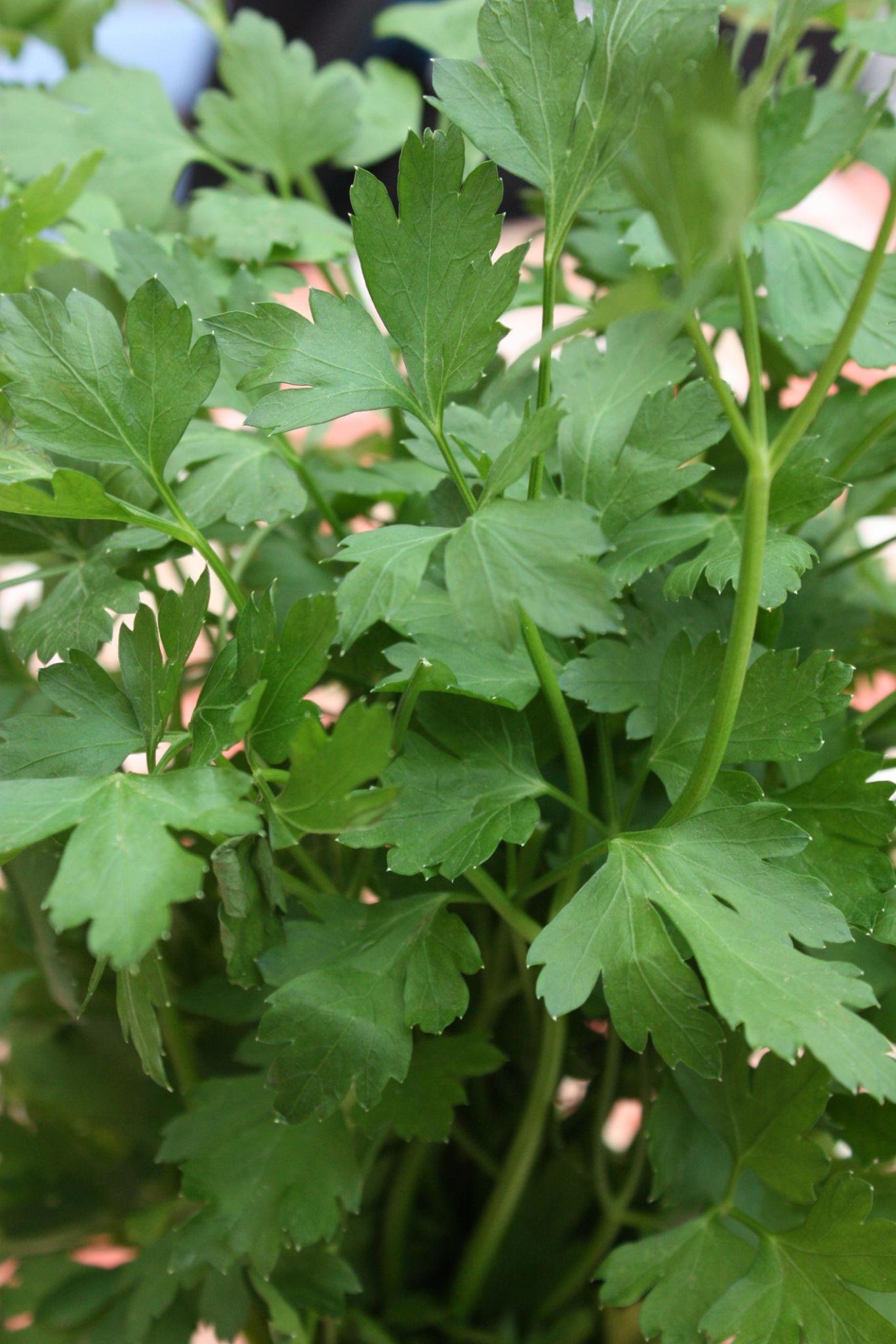
Benefits of Adding Parsley to Your Daily Diet
Including parsley in your everyday meals is a simple and nutritious way to improve overall health. Even small amounts can provide valuable vitamins, minerals, and antioxidants.
Boosts Daily Nutrient Intake
Parsley is nutrient-dense while being low in calories. Adding it to meals helps increase vitamin and mineral intake naturally.
Enhances Food Flavor Naturally
Parsley adds freshness and flavor to dishes without needing extra salt, sugar, or unhealthy additives.
Supports Weight Management
Because parsley is low in calories and rich in nutrients, it can be a smart addition to weight-conscious diets.
Helps Keep the Body Hydrated
Fresh parsley contains water and minerals that contribute to hydration and electrolyte balance.
How Does Parsley Improve Your Health?
Parsley improves health in several important ways due to its powerful nutritional composition.
Improves Cellular Protection
Antioxidants in parsley help protect cells from oxidative damage and environmental stress.
Strengthens Blood Circulation
Iron and folate in parsley contribute to healthy blood formation and circulation.
Supports Kidney Function
Parsley has traditionally been used to support urinary tract and kidney health due to its mild diuretic effect.
Helps Reduce Water Retention
The herb may help the body remove excess sodium and fluids naturally.
Promotes Healthy Metabolism
Parsley contains nutrients that assist the body in converting food into usable energy efficiently.
Supports Healthy Aging
The vitamins and antioxidants in parsley may help maintain healthy skin, bones, and organs as the body ages.
What Are the Major Health Benefits of Parsley ?
| Health Benefit Type | How Parsley Helps |
|---|---|
| Immune Support | Rich in vitamin C and antioxidants |
| Bone Health | High vitamin K content supports strong bones |
| Heart Health | Contains potassium and folate |
| Digestive Health | May reduce bloating and aid digestion |
| Skin Health | Antioxidants help maintain healthy skin |
| Eye Health | Vitamin A supports healthy vision |
| Kidney Support | Natural diuretic properties may assist kidneys |
| Anti-Inflammatory Support | Plant compounds may reduce inflammation |
How does Balanzing enhance Parsley Health benefits?
The Balanzing approach maximizes Parsley benefits by encouraging consistent, mindful, and moderate consumption as part of a balanced lifestyle. Parsley is naturally rich in vitamins, minerals, antioxidants, and dietary fiber, which together support immunity, digestion, blood sugar regulation, heart health, and overall wellness. By following Balanzing principles, individuals consume Parsley in proper portions and at appropriate times, ensuring that the body efficiently absorbs and utilizes its nutrients. This method enhances long-term benefits such as stronger immunity, improved digestive function, stable blood sugar levels, healthier skin, and sustained energy, while preventing overconsumption.

Disclaimer
The information provided on this website is collected and compiled from publicly available sources for general informational purposes only.
# Key Factors About Parsley and Its Nutritional Support Parsley is a nutrient-rich herb widely used in cooking and natural wellness practices. It is valued for its fresh flavor, antioxidant content, and rich supply of vitamins and minerals. Many people search for **parsley health benefits** because this herb supports digestion, immunity, blood sugar balance, bone strength, and kidney wellness naturally. One of the most recognized **parsley benefits for digestion** is its ability to support smoother digestive function. Parsley contains dietary fiber and natural plant compounds that help maintain digestive balance and support healthy bowel movement. It is commonly added to meals, soups, salads, and herbal drinks to improve freshness and digestive comfort. Another important advantage is its role as a **parsley immune system booster**. Parsley contains vitamin C, antioxidants, and natural plant compounds that help protect body cells from oxidative stress. Vitamin C supports the body’s natural defense system and contributes to overall wellness. Antioxidants also help reduce damage caused by environmental stress and support long-term health balance. The growing interest in **parsley blood sugar control** comes from its fiber and antioxidant content. Fiber helps slow down sugar absorption, which may support balanced energy levels and healthier metabolic function. Including nutrient-rich herbs and vegetables in meals can contribute to better dietary balance and healthier eating habits. Another important aspect of **parsley health benefits** is its support for skeletal wellness. The **parsley bone health benefits** are connected to nutrients such as vitamin K, calcium, and magnesium. Vitamin K supports proper bone metabolism, while calcium contributes to maintaining strong bones and teeth. Magnesium supports muscle and nerve function, making parsley a useful herb for overall physical wellness. Many people also use **parsley for kidney health** because of its natural cleansing and hydration-supporting properties. Parsley has traditionally been included in herbal drinks and natural diets aimed at supporting internal balance and normal fluid movement in the body. Its natural compounds may help support the body’s elimination processes and overall kidney wellness. Parsley is also low in calories while being rich in nutrients, making it suitable for balanced diets and healthy lifestyle routines. It can be added to salads, soups, curries, smoothies, rice dishes, and herbal preparations. Its versatility makes it easy to include in everyday meals without major dietary changes. The combination of vitamins, minerals, antioxidants, and plant compounds makes parsley an important herb for supporting overall nutrition naturally. Regular inclusion of parsley in balanced diets may contribute to digestive comfort, immunity support, metabolic balance, bone maintenance, and hydration support. Overall, the increasing popularity of **parsley health benefits** reflects the growing focus on natural, plant-based nutrition. From **parsley benefits for digestion** to its role as a **parsley immune system booster**, support for **parsley blood sugar control**, **parsley bone health benefits**, and **parsley for kidney health**, this herb continues to be a valuable addition to healthy eating and wellness-focused lifestyles. Parsley is a widely used green herb valued for its fresh aroma, nutritional richness, and versatility in cooking. It has been part of traditional diets and natural wellness practices for centuries due to its ability to support balanced nutrition and enhance the flavor of meals naturally. Commonly used as a garnish, seasoning, or ingredient in salads, soups, sauces, and herbal preparations, parsley is appreciated not only for its taste but also for its contribution to overall well-being. One of the most important qualities of parsley is its impressive nutritional profile. It contains a variety of vitamins and minerals including vitamin C, vitamin K, vitamin A, folate, potassium, calcium, magnesium, and iron. These nutrients play essential roles in maintaining body function, supporting energy levels, and promoting long-term wellness. Because of its nutrient density, parsley is often considered more than just a culinary herb and is included in many health-conscious eating patterns. Vitamin C found in parsley supports the body’s natural defense system and helps protect cells from oxidative stress. It also contributes to collagen production, which is important for maintaining healthy skin and connective tissues. Foods rich in vitamin C are often included in balanced diets because they support daily wellness and help maintain the body’s natural protective functions. Parsley is also rich in vitamin K, a nutrient essential for maintaining healthy bones and proper blood function. Vitamin K supports bone metabolism and works together with calcium to maintain bone structure and strength. Including foods rich in vitamin K in regular meals may help support long-term skeletal wellness and overall mobility. Another important component of parsley is its antioxidant content. Antioxidants help reduce oxidative stress caused by environmental pollutants, unhealthy lifestyle habits, and normal metabolic activity. Oxidative stress can affect overall wellness over time, making antioxidant-rich foods an important part of healthy diets. The natural plant compounds present in parsley help support cellular protection and contribute to overall vitality. Parsley also contains dietary fiber, which plays an important role in supporting healthy digestion. Fiber helps move food smoothly through the digestive tract and contributes to maintaining bowel regularity. It also supports gut balance by helping beneficial bacteria thrive in the digestive system. A healthy digestive system supports better nutrient absorption and contributes to overall internal comfort. In addition to digestive support, parsley is often appreciated for its refreshing and cleansing qualities. Traditional wellness systems have long used fresh herbs as part of natural dietary practices focused on internal balance and purification. Parsley’s natural compounds and hydration-supporting qualities make it a popular addition to detox-style drinks and fresh meals. Potassium is another important mineral found in parsley. Potassium helps maintain fluid balance and supports normal muscle and nerve function. It also contributes to healthy circulation and overall cardiovascular function. Balanced potassium intake is essential for maintaining many physiological processes in the body. Iron content in parsley also contributes to its nutritional value. Iron supports oxygen transport in the body and helps maintain healthy energy levels. Plant-based sources of iron are especially important in balanced diets that include a variety of vegetables and herbs. Combining iron-rich foods with vitamin C-rich ingredients may help improve iron absorption naturally. Parsley is also naturally low in calories while being rich in nutrients, making it suitable for balanced meal plans. Nutrient-dense foods that are low in calories can help improve dietary quality without contributing excessive energy intake. This makes parsley easy to include in meals focused on maintaining healthy eating patterns. The herb is extremely versatile in cooking and can be used in many forms. Fresh parsley is often added to salads, sandwiches, soups, rice dishes, roasted vegetables, sauces, and herbal drinks. Dried parsley is also used as a seasoning in many cuisines around the world. Its mild yet refreshing taste allows it to blend easily with other ingredients while improving both flavor and presentation. Parsley is commonly used in Mediterranean, Middle Eastern, Asian, and European cuisines. In many traditional dishes, it serves as both a flavor enhancer and a nutritional addition. This long history of culinary use highlights its value as a wholesome and adaptable herb. Another reason parsley is widely appreciated is its role in supporting hydration and freshness in meals. Fresh herbs often contribute natural moisture and plant compounds that help maintain balance in the body. Including herbs and leafy greens regularly in meals supports overall dietary diversity and nutritional balance. Parsley is also popular in homemade wellness drinks and herbal infusions. It is often combined with lemon, cucumber, ginger, or mint to create refreshing beverages. These combinations are commonly used in natural dietary routines focused on maintaining internal freshness and supporting healthy lifestyle habits. The plant compounds in parsley may also contribute to maintaining overall body comfort and balance. Many traditional dietary systems value herbs for their ability to complement meals and support healthy body function naturally. Parsley continues to be included in modern wellness-focused diets because of its nutrient richness and functional properties. Including a variety of herbs and leafy greens in meals is important for improving nutrient diversity. Parsley contributes vitamins, minerals, and antioxidants in small but valuable amounts, making it a useful addition to everyday cooking. Even modest quantities can contribute to improving the overall nutritional quality of meals. Parsley also pairs well with legumes, grains, vegetables, and protein-rich foods, making it easy to include in balanced diets. Its ability to enhance flavor naturally may also help reduce the need for excessive salt or artificial flavorings in meals. In many households, parsley is grown fresh in home gardens due to its ease of cultivation and frequent culinary use. Freshly harvested herbs often provide stronger aroma and flavor, making them a preferred option for salads and garnishes. This accessibility contributes to its popularity across different cultures and cuisines. Because parsley is lightweight and easy to prepare, it can be added to meals without requiring complicated cooking methods. This convenience makes it practical for individuals seeking simple ways to improve nutritional intake and meal freshness. Overall, parsley is a nutrient-rich herb that supports balanced nutrition, digestive wellness, hydration, and overall vitality. Its combination of vitamins, minerals, antioxidants, and fiber makes it a valuable addition to healthy diets and wellness-focused lifestyles. Whether used fresh or dried, in meals or beverages, parsley continues to be appreciated as a functional and flavorful herb that contributes to long-term wellness and dietary balance naturally. # Parsley Health Benefits Parsley is one of the most widely used herbs in natural cooking and wellness-focused diets. Known for its refreshing flavor and nutrient-rich profile, parsley is valued in many traditional and modern cuisines. People around the world search for **parsley health benefits** because this herb supports digestion, immunity, bone strength, blood sugar balance, and kidney wellness naturally. Parsley is commonly added to soups, salads, sauces, herbal drinks, rice dishes, and vegetable preparations. Beyond its culinary use, it is appreciated for its vitamins, minerals, antioxidants, and plant compounds that contribute to overall wellness and balanced nutrition. --- # What Are Parsley Health Benefits? The major **parsley health benefits** include support for digestion, immunity, heart wellness, healthy bones, blood circulation, and internal balance. Parsley contains important nutrients such as vitamin C, vitamin K, vitamin A, folate, potassium, iron, calcium, magnesium, and antioxidants. These nutrients work together to support multiple body systems naturally. Because parsley is low in calories yet rich in nutrition, it fits easily into balanced diets and healthy lifestyle routines. --- # Parsley Benefits for Digestion One of the most recognized **parsley benefits for digestion** is its ability to support smoother digestive function and improve overall gut balance. Parsley contains dietary fiber and natural plant compounds that help: * Support bowel regularity * Improve digestive comfort * Maintain healthy gut movement * Reduce bloating sensations * Support nutrient absorption Fiber helps food move efficiently through the digestive tract, while natural compounds contribute to digestive freshness and internal balance. Many traditional diets use parsley in meals because fresh herbs are believed to support comfortable digestion and overall meal satisfaction. --- # Parsley Immune System Booster The growing popularity of parsley as a **parsley immune system booster** comes from its rich vitamin C and antioxidant content. Vitamin C helps support the body’s natural defense system and contributes to maintaining healthy cells and tissues. Antioxidants help protect the body from oxidative stress caused by environmental pollutants and normal metabolic activity. The immune-supporting nutrients in parsley may help: * Support natural defense mechanisms * Protect body cells * Maintain overall vitality * Reduce oxidative stress * Support recovery and wellness Fresh herbs rich in antioxidants are often included in healthy diets to improve long-term nutritional balance. --- # Parsley Blood Sugar Control Another important topic people search for is **parsley blood sugar control**. Parsley contains fiber and antioxidants that may support balanced metabolic function naturally. Fiber slows down digestion and may help maintain steadier absorption of sugars from food. Balanced digestion contributes to healthier energy levels throughout the day. The role of parsley in blood sugar support may include: * Supporting balanced metabolism * Helping maintain steady energy levels * Supporting digestive efficiency * Promoting healthier eating habits Parsley is often added to nutrient-focused meals because herbs and vegetables rich in antioxidants contribute to better dietary quality overall. --- # Parsley Bone Health Benefits The **parsley bone health benefits** are mainly connected to its vitamin K, calcium, and magnesium content. Vitamin K is essential for maintaining healthy bone metabolism and supporting calcium utilization in the body. Calcium contributes to strong bones and teeth, while magnesium supports muscle and nerve function. Regular intake of nutrient-rich herbs and greens may help support: * Bone strength * Skeletal wellness * Joint support * Muscle function * Long-term mobility These nutrients make parsley a valuable addition to diets focused on maintaining physical wellness naturally. --- # Parsley for Kidney Health Many traditional wellness practices include **parsley for kidney health** because of its natural cleansing and hydration-supporting properties. Parsley has traditionally been used in herbal preparations aimed at supporting: * Fluid balance * Internal cleansing * Healthy elimination processes * Natural hydration support Its natural plant compounds and water-rich nature make it a refreshing ingredient in wellness-focused diets. Parsley tea and herbal drinks are also commonly prepared in traditional dietary systems to support internal balance and natural freshness. --- # Nutritional Profile of Parsley The wide range of **parsley health benefits** comes from its nutrient-rich composition. Parsley contains: * Vitamin C * Vitamin K * Vitamin A * Iron * Potassium * Calcium * Magnesium * Folate * Antioxidants * Fiber These nutrients help support overall wellness and contribute to balanced nutrition naturally. --- # Parsley Benefits for Digestion and Gut Balance The **parsley benefits for digestion** are especially important because digestive health affects nutrient absorption and overall body function. Fiber supports smoother bowel movement and helps maintain digestive rhythm. Herbs rich in natural compounds also contribute to freshness and digestive comfort after meals. Healthy digestion supports: * Better nutrient absorption * Improved gut balance * Reduced digestive discomfort * Better metabolic efficiency Because of this, parsley is often included in fresh salads and meals served alongside heavier foods. --- # How Parsley Supports Immunity Naturally The role of parsley as a **parsley immune system booster** is strongly connected to its antioxidant and vitamin content. Vitamin C supports white blood cell function and contributes to overall immune defense. Antioxidants help reduce free radical damage and support healthier cellular function. Regular consumption of antioxidant-rich herbs may help support long-term wellness and balanced immunity. --- # Parsley Blood Sugar Control and Metabolic Balance The interest in **parsley blood sugar control** continues to grow as people focus more on balanced eating habits. Parsley contributes to healthier diets by: * Supporting digestive efficiency * Providing fiber without excess calories * Supporting balanced metabolism * Improving nutrient diversity in meals Nutrient-rich herbs and vegetables play an important role in maintaining healthier lifestyle routines. --- # Why Parsley Bone Health Benefits Matter The **parsley bone health benefits** become increasingly important with age and changing nutritional needs. Vitamin K and calcium help maintain bone density and support skeletal strength naturally. Magnesium also contributes to muscle function and helps support overall body movement. Including nutrient-rich herbs in daily meals helps improve mineral intake and dietary quality. --- # Traditional Use of Parsley for Kidney Health The use of **parsley for kidney health** has been part of traditional dietary systems for generations. Herbal drinks prepared with parsley are often consumed to support: * Hydration * Natural cleansing * Internal freshness * Balanced fluid movement While parsley is not a replacement for medical treatment, it continues to be appreciated as a supportive herb in natural wellness practices. --- # Weight Management and Balanced Eating Parsley is naturally low in calories and rich in nutrients, making it suitable for balanced meal plans. Its fiber content contributes to fullness and may help reduce unnecessary overeating. Fresh herbs also improve meal flavor naturally, reducing the need for excessive processed seasonings. --- # Antioxidant Protection and Cellular Wellness Antioxidants in parsley help protect body cells from oxidative stress. Oxidative stress can affect long-term wellness and overall vitality. Foods rich in antioxidants are often included in diets focused on maintaining healthier aging and balanced nutrition naturally. --- # Ways to Include Parsley in Daily Meals Parsley can be included in many dishes such as: * Fresh salads * Herbal drinks * Soups and stews * Rice dishes * Sandwiches and wraps * Vegetable curries * Smoothies and detox beverages Its refreshing flavor makes it easy to include in both traditional and modern recipes. --- # Importance of Herbs in Balanced Nutrition The growing awareness of **parsley health benefits** reflects the increasing focus on plant-based nutrition and natural wellness. Fresh herbs contribute: * Vitamins and minerals * Antioxidants * Fiber * Natural flavor * Dietary diversity Including herbs regularly in meals helps improve overall nutritional quality. --- # Conclusion Overall, **parsley health benefits** make this herb an important part of balanced and wellness-focused diets. The **parsley benefits for digestion** support gut balance and digestive comfort naturally. Its role as a **parsley immune system booster** comes from its vitamin C and antioxidant content that helps support natural defense mechanisms. Interest in **parsley blood sugar control** highlights its contribution to balanced metabolism and healthier eating patterns. The **parsley bone health benefits** show how vitamin K, calcium, and magnesium support skeletal wellness, while the traditional use of **parsley for kidney health** reflects its role in hydration and natural internal balance. When included regularly in meals and healthy lifestyle routines, parsley contributes to better nutrition, digestive support, immunity, and overall long-term wellness naturally.
Table of Contents
Toggle