



Description
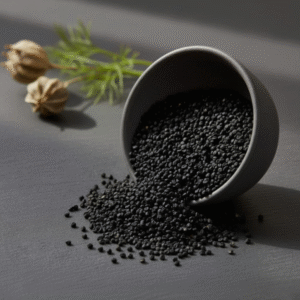
Basil Seeds (Sabja), basil seeds Thiruvananthapuram, basil seeds Neyyattinkara, basil seeds Varkala, basil seeds Attingal, basil seeds Kollam, basil seeds Karunagappally, basil seeds Punalur, basil seeds Paravur, basil seeds Pathanamthitta, basil seeds Thiruvalla, basil seeds Adoor, basil seeds Pandalam, basil seeds Alappuzha, basil seeds Cherthala, basil seeds Kayamkulam, basil seeds Haripad, basil seeds Kottayam, basil seeds Changanassery, basil seeds Pala, basil seeds Vaikom, basil seeds Idukki, basil seeds Thodupuzha, basil seeds Munnar, basil seeds Kattappana, basil seeds Kochi, basil seeds Aluva, basil seeds Perumbavoor, basil seeds Muvattupuzha, basil seeds Kothamangalam, basil seeds Thrissur, basil seeds Guruvayur, basil seeds Irinjalakuda, basil seeds Chalakkudy, basil seeds Palakkad, basil seeds Ottapalam, basil seeds Shoranur, basil seeds Chittur, basil seeds Malappuram, basil seeds Manjeri, basil seeds Tirur, basil seeds Ponnani, basil seeds Perinthalmanna, basil seeds Kozhikode, basil seeds Vadakara, basil seeds Koyilandy, basil seeds Ramanattukara, basil seeds Kalpetta, basil seeds Sulthan Bathery, basil seeds Mananthavady, basil seeds Kannur, basil seeds Thalassery, basil seeds Payyannur, basil seeds Mattannur, basil seeds Kasaragod, basil seeds Kanhangad, basil seeds Nileshwar.Tiny yet remarkably powerful, these jet-black seeds have earned a respected place in traditional and modern kitchens alike for their impressive nutritional profile and versatile culinary applications. When soaked in water, they quickly develop a soft gelatinous coating that gives beverages and dishes a pleasing texture while making them easy to consume. This unique characteristic has made them especially popular in warm climates, where they are often added to chilled drinks, fruit-based coolers, and refreshing desserts to create a naturally satisfying experience. Their neutral taste allows them to blend seamlessly into a variety of recipes without overpowering other ingredients, making them an effortless addition to daily meals. Many households appreciate how simple it is to incorporate them into routines—just a brief soak transforms them into a ready-to-use ingredient that pairs beautifully with milk, plant-based beverages, fresh juices, or even plain water with a squeeze of citrus. In breakfast preparations, they can be stirred into porridges, sprinkled over cereal bowls, or mixed into yogurt to introduce a subtle crunch and enhanced texture. Bakers and home cooks experiment by folding them into batters for muffins, breads, and pancakes, where they contribute visual appeal and a gentle bite. Because they swell when hydrated, they also help create a sense of fullness, making them a thoughtful inclusion in mindful eating practices. Rich in plant-based nutrients, fiber, and naturally occurring compounds, these seeds are valued by individuals seeking wholesome pantry staples that align with balanced lifestyles. Their ability to absorb liquid not only changes their texture but also makes them an interesting functional ingredient in culinary creativity, offering body and consistency to puddings and layered desserts. Street food vendors and gourmet chefs alike have embraced their adaptability, incorporating them into colorful beverages layered with syrups, fruits, and chilled milk for a visually striking presentation. In home kitchens, they are often combined with sweeteners like honey or jaggery and flavored with cardamom or rose essence to create comforting traditional drinks enjoyed across generations. Their understated flavor ensures compatibility with both sweet and savory creations, from fruit salads to light savory mixes. Storage is simple and convenient; when kept in a cool, dry place in an airtight container, they maintain their quality and usability over time, ready to be measured out whenever inspiration strikes. For families focused on nutritious additions to everyday meals, these seeds offer a practical way to enrich dishes without complicated preparation methods. Fitness enthusiasts and active individuals frequently include them in meal plans because they complement smoothies and recovery drinks with added texture and plant-based nourishment. Their visual transformation during soaking—tiny grains expanding into delicate, translucent pearls—adds an engaging element to food preparation, making them appealing even for children learning about wholesome ingredients. In regional cuisines, they appear in festive drinks and celebratory desserts, symbolizing refreshment and comfort during hot seasons. Modern cafés have reimagined them in layered parfaits and specialty beverages, showcasing how traditional ingredients can thrive in contemporary culinary settings. Their compatibility with dairy and non-dairy options alike makes them accessible for diverse dietary preferences, including plant-forward and lactose-free lifestyles. Because they require no cooking, only soaking, they fit effortlessly into busy schedules, supporting convenient meal assembly without sacrificing quality. Entrepreneurs in the food industry often rely on consistent sourcing and careful cleaning processes to ensure purity, uniform size, and reliable hydration performance in every batch. When added to fruit juices, they float attractively, creating an appealing contrast against vibrant colors, while in thicker preparations they suspend evenly, contributing to a balanced mouthfeel. Beyond beverages and sweets, innovative cooks sprinkle them over salads or blend them into chilled soups for a creative twist. Their adaptability encourages experimentation, allowing each household to discover new favorite combinations. From simple home refreshments to upscale culinary creations, these tiny seeds continue to demonstrate that size does not determine impact. They embody a harmonious blend of tradition and innovation, offering a natural, plant-based ingredient that enhances texture, presentation, and overall enjoyment of food. Whether enjoyed in a classic chilled drink on a warm afternoon or incorporated into modern recipes designed for contemporary tastes, they remain a dependable pantry essential valued for ease of use, subtle character, and wide-ranging versatility.
Tiny yet remarkably powerful, these jet-black seeds have earned a respected place in traditional and modern kitchens alike for their impressive nutritional profile and versatile culinary applications. When soaked in water, they quickly develop a soft gelatinous coating that gives beverages and dishes a pleasing texture while making them easy to consume. This unique characteristic has made them especially popular in warm climates, where they are often added to chilled drinks, fruit-based coolers, and refreshing desserts to create a naturally satisfying experience. Their neutral taste allows them to blend seamlessly into a variety of recipes without overpowering other ingredients, making them an effortless addition to daily meals. Many households appreciate how simple it is to incorporate them into routines—just a brief soak transforms them into a ready-to-use ingredient that pairs beautifully with milk, plant-based beverages, fresh juices, or even plain water with a squeeze of citrus. In breakfast preparations, they can be stirred into porridges, sprinkled over cereal bowls, or mixed into yogurt to introduce a subtle crunch and enhanced texture. Bakers and home cooks experiment by folding them into batters for muffins, breads, and pancakes, where they contribute visual appeal and a gentle bite. Because they swell when hydrated, they also help create a sense of fullness, making them a thoughtful inclusion in mindful eating practices. Rich in plant-based nutrients, fiber, and naturally occurring compounds, these seeds are valued by individuals seeking wholesome pantry staples that align with balanced lifestyles. Their ability to absorb liquid not only changes their texture but also makes them an interesting functional ingredient in culinary creativity, offering body and consistency to puddings and layered desserts. Street food vendors and gourmet chefs alike have embraced their adaptability, incorporating them into colorful beverages layered with syrups, fruits, and chilled milk for a visually striking presentation. In home kitchens, they are often combined with sweeteners like honey or jaggery and flavored with cardamom or rose essence to create comforting traditional drinks enjoyed across generations. Their understated flavor ensures compatibility with both sweet and savory creations, from fruit salads to light savory mixes. Storage is simple and convenient; when kept in a cool, dry place in an airtight container, they maintain their quality and usability over time, ready to be measured out whenever inspiration strikes. For families focused on nutritious additions to everyday meals, these seeds offer a practical way to enrich dishes without complicated preparation methods. Fitness enthusiasts and active individuals frequently include them in meal plans because they complement smoothies and recovery drinks with added texture and plant-based nourishment. Their visual transformation during soaking—tiny grains expanding into delicate, translucent pearls—adds an engaging element to food preparation, making them appealing even for children learning about wholesome ingredients. In regional cuisines, they appear in festive drinks and celebratory desserts, symbolizing refreshment and comfort during hot seasons. Modern cafés have reimagined them in layered parfaits and specialty beverages, showcasing how traditional ingredients can thrive in contemporary culinary settings. Their compatibility with dairy and non-dairy options alike makes them accessible for diverse dietary preferences, including plant-forward and lactose-free lifestyles. Because they require no cooking, only soaking, they fit effortlessly into busy schedules, supporting convenient meal assembly without sacrificing quality. Entrepreneurs in the food industry often rely on consistent sourcing and careful cleaning processes to ensure purity, uniform size, and reliable hydration performance in every batch. When added to fruit juices, they float attractively, creating an appealing contrast against vibrant colors, while in thicker preparations they suspend evenly, contributing to a balanced mouthfeel. Beyond beverages and sweets, innovative cooks sprinkle them over salads or blend them into chilled soups for a creative twist. Their adaptability encourages experimentation, allowing each household to discover new favorite combinations. From simple home refreshments to upscale culinary creations, these tiny seeds continue to demonstrate that size does not determine impact. They embody a harmonious blend of tradition and innovation, offering a natural, plant-based ingredient that enhances texture, presentation, and overall enjoyment of food. Whether enjoyed in a classic chilled drink on a warm afternoon or incorporated into modern recipes designed for contemporary tastes, they remain a dependable pantry essential valued for ease of use, subtle character, and wide-ranging versatility.
Tiny yet remarkably powerful, these jet-black seeds have earned a respected place in traditional and modern kitchens alike for their impressive nutritional profile and versatile culinary applications. When soaked in water, they quickly develop a soft gelatinous coating that gives beverages and dishes a pleasing texture while making them easy to consume. This unique characteristic has made them especially popular in warm climates, where they are often added to chilled drinks, fruit-based coolers, and refreshing desserts to create a naturally satisfying experience. Their neutral taste allows them to blend seamlessly into a variety of recipes without overpowering other ingredients, making them an effortless addition to daily meals. Many households appreciate how simple it is to incorporate them into routines—just a brief soak transforms them into a ready-to-use ingredient that pairs beautifully with milk, plant-based beverages, fresh juices, or even plain water with a squeeze of citrus. In breakfast preparations, they can be stirred into porridges, sprinkled over cereal bowls, or mixed into yogurt to introduce a subtle crunch and enhanced texture. Bakers and home cooks experiment by folding them into batters for muffins, breads, and pancakes, where they contribute visual appeal and a gentle bite. Because they swell when hydrated, they also help create a sense of fullness, making them a thoughtful inclusion in mindful eating practices. Rich in plant-based nutrients, fiber, and naturally occurring compounds, these seeds are valued by individuals seeking wholesome pantry staples that align with balanced lifestyles. Their ability to absorb liquid not only changes their texture but also makes them an interesting functional ingredient in culinary creativity, offering body and consistency to puddings and layered desserts. Street food vendors and gourmet chefs alike have embraced their adaptability, incorporating them into colorful beverages layered with syrups, fruits, and chilled milk for a visually striking presentation. In home kitchens, they are often combined with sweeteners like honey or jaggery and flavored with cardamom or rose essence to create comforting traditional drinks enjoyed across generations. Their understated flavor ensures compatibility with both sweet and savory creations, from fruit salads to light savory mixes. Storage is simple and convenient; when kept in a cool, dry place in an airtight container, they maintain their quality and usability over time, ready to be measured out whenever inspiration strikes. For families focused on nutritious additions to everyday meals, these seeds offer a practical way to enrich dishes without complicated preparation methods. Fitness enthusiasts and active individuals frequently include them in meal plans because they complement smoothies and recovery drinks with added texture and plant-based nourishment. Their visual transformation during soaking—tiny grains expanding into delicate, translucent pearls—adds an engaging element to food preparation, making them appealing even for children learning about wholesome ingredients. In regional cuisines, they appear in festive drinks and celebratory desserts, symbolizing refreshment and comfort during hot seasons. Modern cafés have reimagined them in layered parfaits and specialty beverages, showcasing how traditional ingredients can thrive in contemporary culinary settings. Their compatibility with dairy and non-dairy options alike makes them accessible for diverse dietary preferences, including plant-forward and lactose-free lifestyles. Because they require no cooking, only soaking, they fit effortlessly into busy schedules, supporting convenient meal assembly without sacrificing quality. Entrepreneurs in the food industry often rely on consistent sourcing and careful cleaning processes to ensure purity, uniform size, and reliable hydration performance in every batch. When added to fruit juices, they float attractively, creating an appealing contrast against vibrant colors, while in thicker preparations they suspend evenly, contributing to a balanced mouthfeel. Beyond beverages and sweets, innovative cooks sprinkle them over salads or blend them into chilled soups for a creative twist. Their adaptability encourages experimentation, allowing each household to discover new favorite combinations. From simple home refreshments to upscale culinary creations, these tiny seeds continue to demonstrate that size does not determine impact. They embody a harmonious blend of tradition and innovation, offering a natural, plant-based ingredient that enhances texture, presentation, and overall enjoyment of food. Whether enjoyed in a classic chilled drink on a warm afternoon or incorporated into modern recipes designed for contemporary tastes, they remain a dependable pantry essential valued for ease of use, subtle character, and wide-ranging versatility.
Tiny yet remarkably powerful, these jet-black seeds have earned a respected place in traditional and modern kitchens alike for their impressive nutritional profile and versatile culinary applications. When soaked in water, they quickly develop a soft gelatinous coating that gives beverages and dishes a pleasing texture while making them easy to consume. This unique characteristic has made them especially popular in warm climates, where they are often added to chilled drinks, fruit-based coolers, and refreshing desserts to create a naturally satisfying experience. Their neutral taste allows them to blend seamlessly into a variety of recipes without overpowering other ingredients, making them an effortless addition to daily meals. Many households appreciate how simple it is to incorporate them into routines—just a brief soak transforms them into a ready-to-use ingredient that pairs beautifully with milk, plant-based beverages, fresh juices, or even plain water with a squeeze of citrus. In breakfast preparations, they can be stirred into porridges, sprinkled over cereal bowls, or mixed into yogurt to introduce a subtle crunch and enhanced texture. Bakers and home cooks experiment by folding them into batters for muffins, breads, and pancakes, where they contribute visual appeal and a gentle bite. Because they swell when hydrated, they also help create a sense of fullness, making them a thoughtful inclusion in mindful eating practices. Rich in plant-based nutrients, fiber, and naturally occurring compounds, these seeds are valued by individuals seeking wholesome pantry staples that align with balanced lifestyles. Their ability to absorb liquid not only changes their texture but also makes them an interesting functional ingredient in culinary creativity, offering body and consistency to puddings and layered desserts. Street food vendors and gourmet chefs alike have embraced their adaptability, incorporating them into colorful beverages layered with syrups, fruits, and chilled milk for a visually striking presentation. In home kitchens, they are often combined with sweeteners like honey or jaggery and flavored with cardamom or rose essence to create comforting traditional drinks enjoyed across generations. Their understated flavor ensures compatibility with both sweet and savory creations, from fruit salads to light savory mixes. Storage is simple and convenient; when kept in a cool, dry place in an airtight container, they maintain their quality and usability over time, ready to be measured out whenever inspiration strikes. For families focused on nutritious additions to everyday meals, these seeds offer a practical way to enrich dishes without complicated preparation methods. Fitness enthusiasts and active individuals frequently include them in meal plans because they complement smoothies and recovery drinks with added texture and plant-based nourishment. Their visual transformation during soaking—tiny grains expanding into delicate, translucent pearls—adds an engaging element to food preparation, making them appealing even for children learning about wholesome ingredients. In regional cuisines, they appear in festive drinks and celebratory desserts, symbolizing refreshment and comfort during hot seasons. Modern cafés have reimagined them in layered parfaits and specialty beverages, showcasing how traditional ingredients can thrive in contemporary culinary settings. Their compatibility with dairy and non-dairy options alike makes them accessible for diverse dietary preferences, including plant-forward and lactose-free lifestyles. Because they require no cooking, only soaking, they fit effortlessly into busy schedules, supporting convenient meal assembly without sacrificing quality. Entrepreneurs in the food industry often rely on consistent sourcing and careful cleaning processes to ensure purity, uniform size, and reliable hydration performance in every batch. When added to fruit juices, they float attractively, creating an appealing contrast against vibrant colors, while in thicker preparations they suspend evenly, contributing to a balanced mouthfeel. Beyond beverages and sweets, innovative cooks sprinkle them over salads or blend them into chilled soups for a creative twist. Their adaptability encourages experimentation, allowing each household to discover new favorite combinations. From simple home refreshments to upscale culinary creations, these tiny seeds continue to demonstrate that size does not determine impact. They embody a harmonious blend of tradition and innovation, offering a natural, plant-based ingredient that enhances texture, presentation, and overall enjoyment of food. Whether enjoyed in a classic chilled drink on a warm afternoon or incorporated into modern recipes designed for contemporary tastes, they remain a dependable pantry essential valued for ease of use, subtle character, and wide-ranging versatility.
Tiny yet remarkably powerful, these jet-black seeds have earned a respected place in traditional and modern kitchens alike for their impressive nutritional profile and versatile culinary applications. When soaked in water, they quickly develop a soft gelatinous coating that gives beverages and dishes a pleasing texture while making them easy to consume. This unique characteristic has made them especially popular in warm climates, where they are often added to chilled drinks, fruit-based coolers, and refreshing desserts to create a naturally satisfying experience. Their neutral taste allows them to blend seamlessly into a variety of recipes without overpowering other ingredients, making them an effortless addition to daily meals. Many households appreciate how simple it is to incorporate them into routines—just a brief soak transforms them into a ready-to-use ingredient that pairs beautifully with milk, plant-based beverages, fresh juices, or even plain water with a squeeze of citrus. In breakfast preparations, they can be stirred into porridges, sprinkled over cereal bowls, or mixed into yogurt to introduce a subtle crunch and enhanced texture. Bakers and home cooks experiment by folding them into batters for muffins, breads, and pancakes, where they contribute visual appeal and a gentle bite. Because they swell when hydrated, they also help create a sense of fullness, making them a thoughtful inclusion in mindful eating practices. Rich in plant-based nutrients, fiber, and naturally occurring compounds, these seeds are valued by individuals seeking wholesome pantry staples that align with balanced lifestyles. Their ability to absorb liquid not only changes their texture but also makes them an interesting functional ingredient in culinary creativity, offering body and consistency to puddings and layered desserts. Street food vendors and gourmet chefs alike have embraced their adaptability, incorporating them into colorful beverages layered with syrups, fruits, and chilled milk for a visually striking presentation. In home kitchens, they are often combined with sweeteners like honey or jaggery and flavored with cardamom or rose essence to create comforting traditional drinks enjoyed across generations. Their understated flavor ensures compatibility with both sweet and savory creations, from fruit salads to light savory mixes. Storage is simple and convenient; when kept in a cool, dry place in an airtight container, they maintain their quality and usability over time, ready to be measured out whenever inspiration strikes. For families focused on nutritious additions to everyday meals, these seeds offer a practical way to enrich dishes without complicated preparation methods. Fitness enthusiasts and active individuals frequently include them in meal plans because they complement smoothies and recovery drinks with added texture and plant-based nourishment. Their visual transformation during soaking—tiny grains expanding into delicate, translucent pearls—adds an engaging element to food preparation, making them appealing even for children learning about wholesome ingredients. In regional cuisines, they appear in festive drinks and celebratory desserts, symbolizing refreshment and comfort during hot seasons. Modern cafés have reimagined them in layered parfaits and specialty beverages, showcasing how traditional ingredients can thrive in contemporary culinary settings. Their compatibility with dairy and non-dairy options alike makes them accessible for diverse dietary preferences, including plant-forward and lactose-free lifestyles. Because they require no cooking, only soaking, they fit effortlessly into busy schedules, supporting convenient meal assembly without sacrificing quality. Entrepreneurs in the food industry often rely on consistent sourcing and careful cleaning processes to ensure purity, uniform size, and reliable hydration performance in every batch. When added to fruit juices, they float attractively, creating an appealing contrast against vibrant colors, while in thicker preparations they suspend evenly, contributing to a balanced mouthfeel. Beyond beverages and sweets, innovative cooks sprinkle them over salads or blend them into chilled soups for a creative twist. Their adaptability encourages experimentation, allowing each household to discover new favorite combinations. From simple home refreshments to upscale culinary creations, these tiny seeds continue to demonstrate that size does not determine impact. They embody a harmonious blend of tradition and innovation, offering a natural, plant-based ingredient that enhances texture, presentation, and overall enjoyment of food.
Basil seeds for digestive support
Organic basil seeds for wellness
Basil seeds for daily energy
Premium-grade basil seeds
Basil seeds for hydration and refreshment
Raw basil seeds for cooking
Basil seeds for metabolism balance
Natural basil seeds for health
Basil seeds for weight management
High-quality basil seeds
Basil seeds for heart care
Basil seeds for skin nourishment
Basil seeds for hair health
Edible basil seeds India
Basil seeds for immunity boost
Fresh basil seeds for smoothies
Basil seeds for detox routines
Basil seeds for nutrient intake
Aromatic basil seeds for recipes
Basil seeds for overall vitality
basil seeds Kerala
basil seeds online store
basil seeds price online
basil seeds home delivery
basil seeds store near me
basil seeds wholesale supplier
basil seeds wholesale price
basil seeds discount offer
basil seeds retail supplier
basil seeds online shop
basil seeds distributor
basil seeds for weight loss
best deals on basil seeds
bulk basil seeds online
bulk basil seeds supplier
bulk basil seeds price
buy basil seeds online
export quality basil seeds
fresh basil seeds online
gluten free basil seeds
healthy basil seeds snack
heart healthy basil seeds
high protein basil seeds
immunity boosting basil seeds
keto friendly basil seeds
natural basil seeds food
nutritious basil seeds snack
order basil seeds online
organic basil seeds online
premium basil seeds online
raw basil seeds online
roasted basil seeds online
sliced basil seeds
vegan basil seeds
whole basil seeds
organic premium basil seeds
best quality basil seeds
natural raw basil seeds
roasted salted basil seeds
Oranges are a refreshing and nutrient-rich fruit that can play an important role in supporting a balanced diet and overall wellness. Known for their natural vitamin C content, they help contribute to normal immune function while also supporting general body health. Including citrus fruits in daily meals is a simple and practical way to maintain consistent nutrition without depending on complex food routines. Their naturally sweet and slightly tangy flavor makes them enjoyable for people of all age groups, and they can be consumed at different times of the day as part of a healthy lifestyle. One of the key benefits of oranges is their high water content, which helps keep the body hydrated while also delivering essential nutrients. This makes them especially useful during warm weather or after physical activity when the body needs both hydration and nourishment. In addition to hydration, oranges contain dietary fiber, which supports digestion and helps maintain a healthy gut when consumed regularly as part of a balanced diet. The presence of natural antioxidants in oranges also helps the body manage oxidative stress, supporting long-term wellness and internal balance. These antioxidants play a role in protecting cells and maintaining overall vitality, making citrus fruits a valuable addition to everyday eating habits. Another advantage is their versatility, as oranges can be enjoyed in many forms such as fresh slices, juices, fruit salads, or as part of breakfast bowls and light desserts. This flexibility allows individuals to include them in their routine in ways that suit their personal preferences, making healthy eating more sustainable and enjoyable. Oranges also provide natural energy through their fruit sugars, which can help support daily activities without causing sudden fluctuations. This makes them a suitable option for those who prefer natural food sources over heavily processed snacks. Their light and refreshing nature makes them ideal for quick consumption, whether at home, work, or during travel. Over time, adding fruits like oranges to regular meals can support consistent nutrition and encourage better eating habits. Rather than relying on restrictive diets, simple additions like these can help create a more balanced and mindful approach to food. With their combination of hydration, nutrients, and refreshing taste, oranges remain a practical and beneficial choice for maintaining everyday wellness and supporting a healthier lifestyle in a natural and sustainable way.Oranges are a naturally refreshing fruit that contribute to balanced nutrition and support everyday wellness in a simple and enjoyable way. They are widely valued for their rich nutrient profile, especially their vitamin content, which helps support normal body functions and overall vitality. Including fruits like oranges in daily meals is an easy step toward maintaining a healthier lifestyle without the need for complicated planning or strict dietary routines. Their juicy texture and naturally sweet taste make them appealing for regular consumption, whether as a quick snack or as part of a complete meal. One of the most beneficial aspects of oranges is their ability to provide hydration along with nutrition, as they contain a high percentage of water that helps keep the body refreshed and energized. This makes them particularly helpful during long days or after physical activity when both fluid and nutrient intake are important. Along with hydration, they also provide fiber, which supports digestive comfort and helps maintain a balanced gut environment when included consistently in the diet. Another important advantage is the presence of antioxidants, which assist the body in managing everyday stress caused by environmental factors. These compounds support internal balance and contribute to long-term wellness when consumed regularly as part of a varied diet. The light and refreshing nature of oranges makes them suitable for different times of the day, allowing individuals to enjoy their benefits without feeling heavy or overly full. They can be consumed on their own or paired with other healthy foods to create nutritious combinations that support daily nourishment. Their versatility allows them to be included in fruit bowls, fresh juices, salads, or light desserts, making it easier to maintain variety in healthy eating habits. In addition to their nutritional benefits, oranges also provide a gentle source of natural energy, helping individuals stay active throughout the day without relying on processed snacks or sugary foods. This makes them a practical choice for those who prefer clean and natural eating options. Regularly including fruits like oranges in meals can also encourage mindful eating habits, as individuals become more aware of their food choices and overall nutrition. Over time, these small habits can lead to more consistent and sustainable wellness practices. By focusing on simple, natural foods, it becomes easier to maintain a balanced approach to health that fits into modern lifestyles. With their combination of hydration, nutrients, and refreshing flavor, oranges continue to be a reliable and beneficial fruit for supporting everyday nutrition and promoting a healthier way of living without unnecessary complexity.
Why Choose Basil Seeds?
❄ Natural Coolant — Perfect for summer
Digestion Calm — Reduces acidity & bloating
💧 Hydration Partner — Keeps body fluids balanced
🍃 Smooth Digestion — High in soluble fiber
🌸 Skin Freshness — Supports natural glow
🍽️How to Enjoy
— Soak in water for 10 minutes
— Add to milkshakes, falooda, lemon water
— Mix with fruit juices
💭Balanzing Thought
“Cool the body, calm the mind — balance flows from within.” 💧



How can incorporating basil seeds from Balanzing into my daily routine support overall wellness?
Using basil seeds from Balanzing can provide gentle support for digestion, hydration, and internal balance. Regular inclusion in smoothies, beverages, or meals may help maintain a sense of lightness and energy, making it easier to stay consistent with healthy habits. Their natural properties make them an easy and versatile addition to a wellness-focused lifestyle.




























user –
As a retailer specializing in natural and wellness products, I always look for ingredients that offer consistent quality and strong customer demand. The basil seeds we sourced have been an excellent addition to our inventory. The seeds are clean, uniform in size, and expand well when soaked, which is exactly what our customers expect for beverages and desserts. Packaging is secure and suitable for both bulk and retail display, making it easy for us to manage stock. Since adding them to our product line, repeat orders have increased, especially from juice shops and small cafés. The steady supply and reliable quality make this a dependable choice for our business.
user –
I tried Balanzing Basil Seeds (Sabja) as a single purchase, and I’m satisfied with the freshness. It blends well with juices and gives a refreshing feel. Definitely a good addition to my diet.
user –
I purchased Balanzing Basil Seeds (Sabja) for the first time, and I really liked the quality. The seeds swell nicely in water and have a clean, natural taste. It’s now part of my daily drink routine.
user –
I ordered Balanzing Basil Seeds (Sabja) just to try, and it turned out to be a great choice. The texture is perfect after soaking, and it’s easy to use in drinks and desserts. I’ll be buying again.