

Description
Fox nuts, makhana,Fox Nuts Kerala, Fox Nuts Thiruvananthapuram, Fox Nuts Neyyattinkara, Fox Nuts Varkala, Fox Nuts Attingal, Fox Nuts Kollam, Fox Nuts Karunagappally, Fox Nuts Punalur, Fox Nuts Paravur, Fox Nuts Pathanamthitta, Fox Nuts Thiruvalla, Fox Nuts Adoor, Fox Nuts Pandalam, Fox Nuts Alappuzha, Fox Nuts Cherthala, Fox Nuts Kayamkulam, Fox Nuts Haripad, Fox Nuts Kottayam, Fox Nuts Changanassery, Fox Nuts Pala, Fox Nuts Vaikom, Fox Nuts Idukki, Fox Nuts Thodupuzha, Fox Nuts Munnar, Fox Nuts Kattappana, Fox Nuts Kochi, Fox Nuts Aluva, Fox Nuts Perumbavoor, Fox Nuts Muvattupuzha, Fox Nuts Kothamangalam, Fox Nuts Thrissur, Fox Nuts Guruvayur, Fox Nuts Irinjalakuda, Fox Nuts Chalakkudy, Fox Nuts Palakkad, Fox Nuts Ottapalam, Fox Nuts Shoranur, Fox Nuts Chittur, Fox Nuts Malappuram, Fox Nuts Manjeri, Fox Nuts Tirur, Fox Nuts Ponnani, Fox Nuts Perinthalmanna, Fox Nuts Kozhikode, Fox Nuts Vadakara, Fox Nuts Koyilandy, Fox Nuts Ramanattukara, Fox Nuts Kalpetta, Fox Nuts Sulthan Bathery, Fox Nuts Mananthavady, Fox Nuts Kannur, Fox Nuts Thalassery, Fox Nuts Payyannur, Fox Nuts Mattannur, Fox Nuts Kasaragod, Fox Nuts Kanhangad, Fox Nuts Nileshwar.
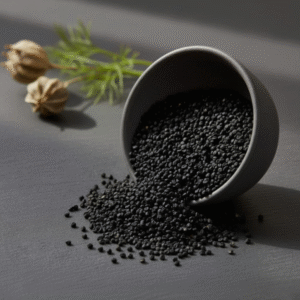
Harvested from the seeds of the aquatic plant Euryale ferox, these light, airy puffs have earned a respected place in traditional diets for centuries, valued for their delicate crunch, mild flavor, and impressive nutritional qualities that make them suitable for modern mindful eating habits. Grown in still water bodies such as ponds and wetlands, the plant produces spiky fruits that contain round seeds, which are carefully collected, dried, roasted, and popped through a specialized heating process that transforms them into the familiar white, expanded form enjoyed across many regions. This transformation is both fascinating and skill-intensive, requiring controlled heat to ensure the dense black seeds burst open into soft, crisp morsels without burning. The resulting texture is uniquely satisfying—light yet substantial, crisp yet gentle on the teeth—making them an appealing alternative to heavily fried snack options. Their subtle, slightly nutty taste allows them to absorb seasonings beautifully, whether lightly salted for simplicity, dusted with aromatic spices for warmth, or coated with natural sweeteners for a hint of indulgence. Nutritionally, these popped water lily seeds are appreciated for being relatively low in calories compared to many conventional snack foods, while still offering plant-based protein, fiber, and important minerals such as magnesium, phosphorus, and potassium that support metabolic balance and muscle function. Their carbohydrate profile provides steady energy without excessive heaviness, making them suitable for individuals seeking lighter snack choices during busy days. Because they are naturally gluten-free, they align well with dietary preferences that limit wheat and related grains, expanding accessibility for diverse nutritional needs. The fiber content contributes to digestive comfort by promoting regularity and supporting gut health, while their antioxidant compounds help combat oxidative stress, contributing to overall vitality and cellular protection. Traditionally, they have also been incorporated into fasting diets due to their perceived lightness and nourishing quality, offering sustenance without overwhelming the digestive system. In culinary applications, these airy kernels can be dry-roasted in a pan to enhance crispness before being tossed with clarified butter or cold-pressed oils and sprinkled with spices such as cumin, turmeric, black pepper, or chili powder, creating flavorful blends that satisfy savory cravings. Sweet variations often involve caramelizing them lightly with jaggery or blending them into kheer-like milk puddings, where they soften slightly and contribute texture contrast. They can also be ground into flour and used in flatbreads or porridge-style dishes, providing versatility beyond snacking. Health-conscious consumers value them as a wholesome addition to trail mixes, energy bowls, and lunchboxes, where their airy structure adds volume and crunch without excess fat. The protein present in these seeds supports muscle maintenance and satiety, making them a thoughtful inclusion in balanced diets focused on portion awareness and sustained energy. For individuals focused on cardiovascular well-being, their low saturated fat content and presence of beneficial nutrients can complement heart-supportive eating patterns when combined with fruits, vegetables, and whole grains. In skin and wellness traditions, the antioxidants and minerals within these seeds are believed to contribute indirectly to a healthy glow by supporting internal balance. Their lightness also makes them appealing to those practicing mindful eating, as each bite encourages slower chewing and greater sensory awareness compared to dense, processed alternatives. The cultivation of the aquatic plant from which they originate is an important livelihood activity in certain rural communities, particularly in parts of India and East Asia, where farmers manage ponds carefully to ensure optimal growth conditions. The process of harvesting involves wading into water to collect mature fruits, extracting the seeds, drying them under sunlight, and storing them before roasting and popping, demonstrating a harmonious relationship between agriculture and natural ecosystems. Sustainable pond management supports biodiversity, as these water bodies often coexist with fish, birds, and aquatic vegetation. Economically, the trade of these popped seeds supports thousands of families involved in farming, processing, packaging, and distribution, contributing to rural income generation and preserving traditional knowledge passed down through generations. Modern packaging techniques have improved shelf stability, protecting the delicate texture from moisture and extending freshness so consumers worldwide can enjoy them. Their adaptability to contemporary flavor trends has led to innovations such as herb-infused varieties, peri-peri blends, chocolate-coated versions, and even inclusion in granola clusters, reflecting their capacity to bridge tradition and modern snacking culture. Fitness enthusiasts appreciate their light yet energizing nature, often consuming them pre- or post-workout as a plant-based option that does not feel heavy. Because they are easy to portion and transport, they fit seamlessly into busy lifestyles, whether carried in small containers for office breaks or enjoyed during travel. Parents often favor them as a child-friendly snack due to their gentle crunch and ability to hold mild seasonings without excessive salt or artificial additives. From a sensory perspective, the crisp sound produced when bitten enhances satisfaction, while their neutral base allows creativity in flavor development. They can be combined with roasted lentils, nuts, and seeds to create balanced snack mixes, offering diverse textures and nutritional benefits in a single bowl. Culinary experimentation continues to expand their presence beyond traditional markets, as chefs incorporate them into salads for crunch, crush them as coatings for baked vegetables, or blend them into creamy soups to add subtle thickness. Their light structure also makes them suitable for festive recipes, where they may be mixed with puffed grains and sweet syrups to form bite-sized treats shared during celebrations. In dietary frameworks focused on metabolic health, their moderate glycemic load and fiber contribution can help support steady blood sugar responses when consumed mindfully. Hydration plays a role in maintaining their crispness, so proper storage in airtight containers is essential to preserve texture and flavor. When exposed to moisture, they may soften, but gentle reheating in a dry pan can often restore some of their original crunch. The global rise of interest in plant-based eating has further highlighted the value of these aquatic seeds as a minimally processed, naturally derived snack option that aligns with sustainability and health-conscious principles. Unlike many industrial snack foods, they typically require limited ingredients and straightforward preparation methods, reflecting simplicity and authenticity. Their longstanding association with traditional wellness systems underscores their cultural significance, while ongoing nutritional research continues to explore their potential benefits in supporting balanced diets. Ultimately, these airy popped seeds represent a harmonious blend of agriculture, craftsmanship, nutrition, and culinary creativity, offering a satisfying crunch that nourishes both body and palate. Whether enjoyed plain, seasoned, sweetened, or incorporated into diverse recipes, they remain a testament to how humble natural ingredients can evolve into beloved staples across generations, sustaining communities and delighting taste buds with their light texture, adaptable flavor, and wholesome composition.Harvested from the seeds of the aquatic plant Euryale ferox, these light, airy puffs have earned a respected place in traditional diets for centuries, valued for their delicate crunch, mild flavor, and impressive nutritional qualities that make them suitable for modern mindful eating habits. Grown in still water bodies such as ponds and wetlands, the plant produces spiky fruits that contain round seeds, which are carefully collected, dried, roasted, and popped through a specialized heating process that transforms them into the familiar white, expanded form enjoyed across many regions. This transformation is both fascinating and skill-intensive, requiring controlled heat to ensure the dense black seeds burst open into soft, crisp morsels without burning. The resulting texture is uniquely satisfying—light yet substantial, crisp yet gentle on the teeth—making them an appealing alternative to heavily fried snack options. Their subtle, slightly nutty taste allows them to absorb seasonings beautifully, whether lightly salted for simplicity, dusted with aromatic spices for warmth, or coated with natural sweeteners for a hint of indulgence. Nutritionally, these popped water lily seeds are appreciated for being relatively low in calories compared to many conventional snack foods, while still offering plant-based protein, fiber, and important minerals such as magnesium, phosphorus, and potassium that support metabolic balance and muscle function. Their carbohydrate profile provides steady energy without excessive heaviness, making them suitable for individuals seeking lighter snack choices during busy days. Because they are naturally gluten-free, they align well with dietary preferences that limit wheat and related grains, expanding accessibility for diverse nutritional needs. The fiber content contributes to digestive comfort by promoting regularity and supporting gut health, while their antioxidant compounds help combat oxidative stress, contributing to overall vitality and cellular protection. Traditionally, they have also been incorporated into fasting diets due to their perceived lightness and nourishing quality, offering sustenance without overwhelming the digestive system. In culinary applications, these airy kernels can be dry-roasted in a pan to enhance crispness before being tossed with clarified butter or cold-pressed oils and sprinkled with spices such as cumin, turmeric, black pepper, or chili powder, creating flavorful blends that satisfy savory cravings. Sweet variations often involve caramelizing them lightly with jaggery or blending them into kheer-like milk puddings, where they soften slightly and contribute texture contrast. They can also be ground into flour and used in flatbreads or porridge-style dishes, providing versatility beyond snacking. Health-conscious consumers value them as a wholesome addition to trail mixes, energy bowls, and lunchboxes, where their airy structure adds volume and crunch without excess fat. The protein present in these seeds supports muscle maintenance and satiety, making them a thoughtful inclusion in balanced diets focused on portion awareness and sustained energy. For individuals focused on cardiovascular well-being, their low saturated fat content and presence of beneficial nutrients can complement heart-supportive eating patterns when combined with fruits, vegetables, and whole grains. In skin and wellness traditions, the antioxidants and minerals within these seeds are believed to contribute indirectly to a healthy glow by supporting internal balance. Their lightness also makes them appealing to those practicing mindful eating, as each bite encourages slower chewing and greater sensory awareness compared to dense, processed alternatives. The cultivation of the aquatic plant from which they originate is an important livelihood activity in certain rural communities, particularly in parts of India and East Asia, where farmers manage ponds carefully to ensure optimal growth conditions. The process of harvesting involves wading into water to collect mature fruits, extracting the seeds, drying them under sunlight, and storing them before roasting and popping, demonstrating a harmonious relationship between agriculture and natural ecosystems. Sustainable pond management supports biodiversity, as these water bodies often coexist with fish, birds, and aquatic vegetation. Economically, the trade of these popped seeds supports thousands of families involved in farming, processing, packaging, and distribution, contributing to rural income generation and preserving traditional knowledge passed down through generations. Modern packaging techniques have improved shelf stability, protecting the delicate texture from moisture and extending freshness so consumers worldwide can enjoy them. Their adaptability to contemporary flavor trends has led to innovations such as herb-infused varieties, peri-peri blends, chocolate-coated versions, and even inclusion in granola clusters, reflecting their capacity to bridge tradition and modern snacking culture. Fitness enthusiasts appreciate their light yet energizing nature, often consuming them pre- or post-workout as a plant-based option that does not feel heavy. Because they are easy to portion and transport, they fit seamlessly into busy lifestyles, whether carried in small containers for office breaks or enjoyed during travel. Parents often favor them as a child-friendly snack due to their gentle crunch and ability to hold mild seasonings without excessive salt or artificial additives. From a sensory perspective, the crisp sound produced when bitten enhances satisfaction, while their neutral base allows creativity in flavor development. They can be combined with roasted lentils, nuts, and seeds to create balanced snack mixes, offering diverse textures and nutritional benefits in a single bowl. Culinary experimentation continues to expand their presence beyond traditional markets, as chefs incorporate them into salads for crunch, crush them as coatings for baked vegetables, or blend them into creamy soups to add subtle thickness. Their light structure also makes them suitable for festive recipes, where they may be mixed with puffed grains and sweet syrups to form bite-sized treats shared during celebrations. In dietary frameworks focused on metabolic health, their moderate glycemic load and fiber contribution can help support steady blood sugar responses when consumed mindfully. Hydration plays a role in maintaining their crispness, so proper storage in airtight containers is essential to preserve texture and flavor. When exposed to moisture, they may soften, but gentle reheating in a dry pan can often restore some of their original crunch. The global rise of interest in plant-based eating has further highlighted the value of these aquatic seeds as a minimally processed, naturally derived snack option that aligns with sustainability and health-conscious principles. Unlike many industrial snack foods, they typically require limited ingredients and straightforward preparation methods, reflecting simplicity and authenticity. Their longstanding association with traditional wellness systems underscores their cultural significance, while ongoing nutritional research continues to explore their potential benefits in supporting balanced diets. Ultimately, these airy popped seeds represent a harmonious blend of agriculture, craftsmanship, nutrition, and culinary creativity, offering a satisfying crunch that nourishes both body and palate. Whether enjoyed plain, seasoned, sweetened, or incorporated into diverse recipes, they remain a testament to how humble natural ingredients can evolve into beloved staples across generations, sustaining communities and delighting taste buds with their light texture, adaptable flavor, and wholesome composition.Harvested from the seeds of the aquatic plant Euryale ferox, these light, airy puffs have earned a respected place in traditional diets for centuries, valued for their delicate crunch, mild flavor, and impressive nutritional qualities that make them suitable for modern mindful eating habits. Grown in still water bodies such as ponds and wetlands, the plant produces spiky fruits that contain round seeds, which are carefully collected, dried, roasted, and popped through a specialized heating process that transforms them into the familiar white, expanded form enjoyed across many regions. This transformation is both fascinating and skill-intensive, requiring controlled heat to ensure the dense black seeds burst open into soft, crisp morsels without burning. The resulting texture is uniquely satisfying—light yet substantial, crisp yet gentle on the teeth—making them an appealing alternative to heavily fried snack options. Their subtle, slightly nutty taste allows them to absorb seasonings beautifully, whether lightly salted for simplicity, dusted with aromatic spices for warmth, or coated with natural sweeteners for a hint of indulgence. Nutritionally, these popped water lily seeds are appreciated for being relatively low in calories compared to many conventional snack foods, while still offering plant-based protein, fiber, and important minerals such as magnesium, phosphorus, and potassium that support metabolic balance and muscle function. Their carbohydrate profile provides steady energy without excessive heaviness, making them suitable for individuals seeking lighter snack choices during busy days. Because they are naturally gluten-free, they align well with dietary preferences that limit wheat and related grains, expanding accessibility for diverse nutritional needs. The fiber content contributes to digestive comfort by promoting regularity and supporting gut health, while their antioxidant compounds help combat oxidative stress, contributing to overall vitality and cellular protection. Traditionally, they have also been incorporated into fasting diets due to their perceived lightness and nourishing quality, offering sustenance without overwhelming the digestive system. In culinary applications, these airy kernels can be dry-roasted in a pan to enhance crispness before being tossed with clarified butter or cold-pressed oils and sprinkled with spices such as cumin, turmeric, black pepper, or chili powder, creating flavorful blends that satisfy savory cravings. Sweet variations often involve caramelizing them lightly with jaggery or blending them into kheer-like milk puddings, where they soften slightly and contribute texture contrast. They can also be ground into flour and used in flatbreads or porridge-style dishes, providing versatility beyond snacking. Health-conscious consumers value them as a wholesome addition to trail mixes, energy bowls, and lunchboxes, where their airy structure adds volume and crunch without excess fat. The protein present in these seeds supports muscle maintenance and satiety, making them a thoughtful inclusion in balanced diets focused on portion awareness and sustained energy. For individuals focused on cardiovascular well-being, their low saturated fat content and presence of beneficial nutrients can complement heart-supportive eating patterns when combined with fruits, vegetables, and whole grains. In skin and wellness traditions, the antioxidants and minerals within these seeds are believed to contribute indirectly to a healthy glow by supporting internal balance. Their lightness also makes them appealing to those practicing mindful eating, as each bite encourages slower chewing and greater sensory awareness compared to dense, processed alternatives. The cultivation of the aquatic plant from which they originate is an important livelihood activity in certain rural communities, particularly in parts of India and East Asia, where farmers manage ponds carefully to ensure optimal growth conditions. The process of harvesting involves wading into water to collect mature fruits, extracting the seeds, drying them under sunlight, and storing them before roasting and popping, demonstrating a harmonious relationship between agriculture and natural ecosystems. Sustainable pond management supports biodiversity, as these water bodies often coexist with fish, birds, and aquatic vegetation. Economically, the trade of these popped seeds supports thousands of families involved in farming, processing, packaging, and distribution, contributing to rural income generation and preserving traditional knowledge passed down through generations. Modern packaging techniques have improved shelf stability, protecting the delicate texture from moisture and extending freshness so consumers worldwide can enjoy them. Their adaptability to contemporary flavor trends has led to innovations such as herb-infused varieties, peri-peri blends, chocolate-coated versions, and even inclusion in granola clusters, reflecting their capacity to bridge tradition and modern snacking culture. Fitness enthusiasts appreciate their light yet energizing nature, often consuming them pre- or post-workout as a plant-based option that does not feel heavy. Because they are easy to portion and transport, they fit seamlessly into busy lifestyles, whether carried in small containers for office breaks or enjoyed during travel. Parents often favor them as a child-friendly snack due to their gentle crunch and ability to hold mild seasonings without excessive salt or artificial additives. From a sensory perspective, the crisp sound produced when bitten enhances satisfaction, while their neutral base allows creativity in flavor development. They can be combined with roasted lentils, nuts, and seeds to create balanced snack mixes, offering diverse textures and nutritional benefits in a single bowl. Culinary experimentation continues to expand their presence beyond traditional markets, as chefs incorporate them into salads for crunch, crush them as coatings for baked vegetables, or blend them into creamy soups to add subtle thickness. Their light structure also makes them suitable for festive recipes, where they may be mixed with puffed grains and sweet syrups to form bite-sized treats shared during celebrations. In dietary frameworks focused on metabolic health, their moderate glycemic load and fiber contribution can help support steady blood sugar responses when consumed mindfully. Hydration plays a role in maintaining their crispness, so proper storage in airtight containers is essential to preserve texture and flavor. When exposed to moisture, they may soften, but gentle reheating in a dry pan can often restore some of their original crunch. The global rise of interest in plant-based eating has further highlighted the value of these aquatic seeds as a minimally processed, naturally derived snack option that aligns with sustainability and health-conscious principles. Unlike many industrial snack foods, they typically require limited ingredients and straightforward preparation methods, reflecting simplicity and authenticity. Their longstanding association with traditional wellness systems underscores their cultural significance, while ongoing nutritional research continues to explore their potential benefits in supporting balanced diets. Ultimately, these airy popped seeds represent a harmonious blend of agriculture, craftsmanship, nutrition, and culinary creativity, offering a satisfying crunch that nourishes both body and palate. Whether enjoyed plain, seasoned, sweetened, or incorporated into diverse recipes, they remain a testament to how humble natural ingredients can evolve into beloved staples across generations, sustaining communities and delighting taste buds with their light texture, adaptable flavor, and wholesome composition.Harvested from the seeds of the aquatic plant Euryale ferox, these light, airy puffs have earned a respected place in traditional diets for centuries, valued for their delicate crunch, mild flavor, and impressive nutritional qualities that make them suitable for modern mindful eating habits. Grown in still water bodies such as ponds and wetlands, the plant produces spiky fruits that contain round seeds, which are carefully collected, dried, roasted, and popped through a specialized heating process that transforms them into the familiar white, expanded form enjoyed across many regions. This transformation is both fascinating and skill-intensive, requiring controlled heat to ensure the dense black seeds burst open into soft, crisp morsels without burning. The resulting texture is uniquely satisfying—light yet substantial, crisp yet gentle on the teeth—making them an appealing alternative to heavily fried snack options. Their subtle, slightly nutty taste allows them to absorb seasonings beautifully, whether lightly salted for simplicity, dusted with aromatic spices for warmth, or coated with natural sweeteners for a hint of indulgence. Nutritionally, these popped water lily seeds are appreciated for being relatively low in calories compared to many conventional snack foods, while still offering plant-based protein, fiber, and important minerals such as magnesium, phosphorus, and potassium that support metabolic balance and muscle function. Their carbohydrate profile provides steady energy without excessive heaviness, making them suitable for individuals seeking lighter snack choices during busy days. Because they are naturally gluten-free, they align well with dietary preferences that limit wheat and related grains, expanding accessibility for diverse nutritional needs. The fiber content contributes to digestive comfort by promoting regularity and supporting gut health, while their antioxidant compounds help combat oxidative stress, contributing to overall vitality and cellular protection. Traditionally, they have also been incorporated into fasting diets due to their perceived lightness and nourishing quality, offering sustenance without overwhelming the digestive system. In culinary applications, these airy kernels can be dry-roasted in a pan to enhance crispness before being tossed with clarified butter or cold-pressed oils and sprinkled with spices such as cumin, turmeric, black pepper, or chili powder, creating flavorful blends that satisfy savory cravings. Sweet variations often involve caramelizing them lightly with jaggery or blending them into kheer-like milk puddings, where they soften slightly and contribute texture contrast. They can also be ground into flour and used in flatbreads or porridge-style dishes, providing versatility beyond snacking. Health-conscious consumers value them as a wholesome addition to trail mixes, energy bowls, and lunchboxes, where their airy structure adds volume and crunch without excess fat. The protein present in these seeds supports muscle maintenance and satiety, making them a thoughtful inclusion in balanced diets focused on portion awareness and sustained energy. For individuals focused on cardiovascular well-being, their low saturated fat content and presence of beneficial nutrients can complement heart-supportive eating patterns when combined with fruits, vegetables, and whole grains. In skin and wellness traditions, the antioxidants and minerals within these seeds are believed to contribute indirectly to a healthy glow by supporting internal balance. Their lightness also makes them appealing to those practicing mindful eating, as each bite encourages slower chewing and greater sensory awareness compared to dense, processed alternatives. The cultivation of the aquatic plant from which they originate is an important livelihood activity in certain rural communities, particularly in parts of India and East Asia, where farmers manage ponds carefully to ensure optimal growth conditions. The process of harvesting involves wading into water to collect mature fruits, extracting the seeds, drying them under sunlight, and storing them before roasting and popping, demonstrating a harmonious relationship between agriculture and natural ecosystems. Sustainable pond management supports biodiversity, as these water bodies often coexist with fish, birds, and aquatic vegetation. Economically, the trade of these popped seeds supports thousands of families involved in farming, processing, packaging, and distribution, contributing to rural income generation and preserving traditional knowledge passed down through generations. Modern packaging techniques have improved shelf stability, protecting the delicate texture from moisture and extending freshness so consumers worldwide can enjoy them. Their adaptability to contemporary flavor trends has led to innovations such as herb-infused varieties, peri-peri blends, chocolate-coated versions, and even inclusion in granola clusters, reflecting their capacity to bridge tradition and modern snacking culture. Fitness enthusiasts appreciate their light yet energizing nature, often consuming them pre- or post-workout as a plant-based option that does not feel heavy. Because they are easy to portion and transport, they fit seamlessly into busy lifestyles, whether carried in small containers for office breaks or enjoyed during travel. Parents often favor them as a child-friendly snack due to their gentle crunch and ability to hold mild seasonings without excessive salt or artificial additives. From a sensory perspective, the crisp sound produced when bitten enhances satisfaction, while their neutral base allows creativity in flavor development. They can be combined with roasted lentils, nuts, and seeds to create balanced snack mixes, offering diverse textures and nutritional benefits in a single bowl. Culinary experimentation continues to expand their presence beyond traditional markets, as chefs incorporate them into salads for crunch, crush them as coatings for baked vegetables, or blend them into creamy soups to add subtle thickness. Their light structure also makes them suitable for festive recipes, where they may be mixed with puffed grains and sweet syrups to form bite-sized treats shared during celebrations. In dietary frameworks focused on metabolic health, their moderate glycemic load and fiber contribution can help support steady blood sugar responses when consumed mindfully. Hydration plays a role in maintaining their crispness, so proper storage in airtight containers is essential to preserve texture and flavor. When exposed to moisture, they may soften, but gentle reheating in a dry pan can often restore some of their original crunch. The global rise of interest in plant-based eating has further highlighted the value of these aquatic seeds as a minimally processed, naturally derived snack option that aligns with sustainability and health-conscious principles. Unlike many industrial snack foods, they typically require limited ingredients and straightforward preparation methods, reflecting simplicity and authenticity. Their longstanding association with traditional wellness systems underscores their cultural significance, while ongoing nutritional research continues to explore their potential benefits in supporting balanced diets. Ultimately, these airy popped seeds represent a harmonious blend of agriculture, craftsmanship, nutrition, and culinary creativity, offering a satisfying crunch that nourishes both body and palate. Whether enjoyed plain, seasoned, sweetened, or incorporated into diverse recipes, they remain a testament to how humble natural ingredients can evolve into beloved staples across generations, sustaining communities and delighting taste buds with their light texture, adaptable flavor, and wholesome composition.Harvested from the seeds of the aquatic plant Euryale ferox, these light, airy puffs have earned a respected place in traditional diets for centuries, valued for their delicate crunch, mild flavor, and impressive nutritional qualities that make them suitable for modern mindful eating habits. Grown in still water bodies such as ponds and wetlands, the plant produces spiky fruits that contain round seeds, which are carefully collected, dried, roasted, and popped through a specialized heating process that transforms them into the familiar white, expanded form enjoyed across many regions. This transformation is both fascinating and skill-intensive, requiring controlled heat to ensure the dense black seeds burst open into soft, crisp morsels without burning. The resulting texture is uniquely satisfying—light yet substantial, crisp yet gentle on the teeth—making them an appealing alternative to heavily fried snack options. Their subtle, slightly nutty taste allows them to absorb seasonings beautifully, whether lightly salted for simplicity, dusted with aromatic spices for warmth, or coated with natural sweeteners for a hint of indulgence. Nutritionally, these popped water lily seeds are appreciated for being relatively low in calories compared to many conventional snack foods, while still offering plant-based protein, fiber, and important minerals such as magnesium, phosphorus, and potassium that support metabolic balance and muscle function. Their carbohydrate profile provides steady energy without excessive heaviness, making them suitable for individuals seeking lighter snack choices during busy days. Because they are naturally gluten-free, they align well with dietary preferences that limit wheat and related grains, expanding accessibility for diverse nutritional needs. The fiber content contributes to digestive comfort by promoting regularity and supporting gut health, while their antioxidant compounds help combat oxidative stress, contributing to overall vitality and cellular protection. Traditionally, they have also been incorporated into fasting diets due to their perceived lightness and nourishing quality, offering sustenance without overwhelming the digestive system. In culinary applications, these airy kernels can be dry-roasted in a pan to enhance crispness before being tossed with clarified butter or cold-pressed oils and sprinkled with spices such as cumin, turmeric, black pepper, or chili powder, creating flavorful blends that satisfy savory cravings. Sweet variations often involve caramelizing them lightly with jaggery or blending them into kheer-like milk puddings, where they soften slightly and contribute texture contrast. They can also be ground into flour and used in flatbreads or porridge-style dishes, providing versatility beyond snacking. Health-conscious consumers value them as a wholesome addition to trail mixes, energy bowls, and lunchboxes, where their airy structure adds volume and crunch without excess fat. The protein present in these seeds supports muscle maintenance and satiety, making them a thoughtful inclusion in balanced diets focused on portion awareness and sustained energy. For individuals focused on cardiovascular well-being, their low saturated fat content and presence of beneficial nutrients can complement heart-supportive eating patterns when combined with fruits, vegetables, and whole grains. In skin and wellness traditions, the antioxidants and minerals within these seeds are believed to contribute indirectly to a healthy glow by supporting internal balance. Their lightness also makes them appealing to those practicing mindful eating, as each bite encourages slower chewing and greater sensory awareness compared to dense, processed alternatives. The cultivation of the aquatic plant from which they originate is an important livelihood activity in certain rural communities, particularly in parts of India and East Asia, where farmers manage ponds carefully to ensure optimal growth conditions. The process of harvesting involves wading into water to collect mature fruits, extracting the seeds, drying them under sunlight, and storing them before roasting and popping, demonstrating a harmonious relationship between agriculture and natural ecosystems. Sustainable pond management supports biodiversity, as these water bodies often coexist with fish, birds, and aquatic vegetation. Economically, the trade of these popped seeds supports thousands of families involved in farming, processing, packaging, and distribution, contributing to rural income generation and preserving traditional knowledge passed down through generations. Modern packaging techniques have improved shelf stability, protecting the delicate texture from moisture and extending freshness so consumers worldwide can enjoy them. Their adaptability to contemporary flavor trends has led to innovations such as herb-infused varieties, peri-peri blends, chocolate-coated versions, and even inclusion in granola clusters, reflecting their capacity to bridge tradition and modern snacking culture. Fitness enthusiasts appreciate their light yet energizing nature, often consuming them pre- or post-workout as a plant-based option that does not feel heavy. Because they are easy to portion and transport, they fit seamlessly into busy lifestyles, whether carried in small containers for office breaks or enjoyed during travel. Parents often favor them as a child-friendly snack due to their gentle crunch and ability to hold mild seasonings without excessive salt or artificial additives. From a sensory perspective, the crisp sound produced when bitten enhances satisfaction, while their neutral base allows creativity in flavor development. They can be combined with roasted lentils, nuts, and seeds to create balanced snack mixes, offering diverse textures and nutritional benefits in a single bowl. Culinary experimentation continues to expand their presence beyond traditional markets, as chefs incorporate them into salads for crunch, crush them as coatings for baked vegetables, or blend them into creamy soups to add subtle thickness. Their light structure also makes them suitable for festive recipes, where they may be mixed with puffed grains and sweet syrups to form bite-sized treats shared during celebrations. In dietary frameworks focused on metabolic health, their moderate glycemic load and fiber contribution can help support steady blood sugar responses when consumed mindfully. Hydration plays a role in maintaining their crispness, so proper storage in airtight containers is essential to preserve texture and flavor. When exposed to moisture, they may soften, but gentle reheating in a dry pan can often restore some of their original crunch. The global rise of interest in plant-based eating has further highlighted the value of these aquatic seeds as a minimally processed, naturally derived snack option that aligns with sustainability and health-conscious principles. Unlike many industrial snack foods, they typically require limited ingredients and straightforward preparation methods, reflecting simplicity and authenticity. Their longstanding association with traditional wellness systems underscores their cultural significance, while ongoing nutritional research continues to explore their potential benefits in supporting balanced diets. Ultimately, these airy popped seeds represent a harmonious blend of agriculture, craftsmanship, nutrition, and culinary creativity, offering a satisfying crunch that nourishes both body and palate. Whether enjoyed plain, seasoned, sweetened, or incorporated into diverse recipes, they remain a testament to how humble natural ingredients can evolve into beloved staples across generations, sustaining communities and delighting taste buds with their light texture, adaptable flavor, and wholesome composition.Harvested from the seeds of the aquatic plant Euryale ferox, these light, airy puffs have earned a respected place in traditional diets for centuries, valued for their delicate crunch, mild flavor, and impressive nutritional qualities that make them suitable for modern mindful eating habits. Grown in still water bodies such as ponds and wetlands, the plant produces spiky fruits that contain round seeds, which are carefully collected, dried, roasted, and popped through a specialized heating process that transforms them into the familiar white, expanded form enjoyed across many regions. This transformation is both fascinating and skill-intensive, requiring controlled heat to ensure the dense black seeds burst open into soft, crisp morsels without burning. The resulting texture is uniquely satisfying—light yet substantial, crisp yet gentle on the teeth—making them an appealing alternative to heavily fried snack options. Their subtle, slightly nutty taste allows them to absorb seasonings beautifully, whether lightly salted for simplicity, dusted with aromatic spices for warmth, or coated with natural sweeteners for a hint of indulgence. Nutritionally, these popped water lily seeds are appreciated for being relatively low in calories compared to many conventional snack foods, while still offering plant-based protein, fiber, and important minerals such as magnesium, phosphorus, and potassium that support metabolic balance and muscle function. Their carbohydrate profile provides steady energy without excessive heaviness, making them suitable for individuals seeking lighter snack choices during busy days. Because they are naturally gluten-free, they align well with dietary preferences that limit wheat and related grains, expanding accessibility for diverse nutritional needs. The fiber content contributes to digestive comfort by promoting regularity and supporting gut health, while their antioxidant compounds help combat oxidative stress, contributing to overall vitality and cellular protection. Traditionally, they have also been incorporated into fasting diets due to their perceived lightness and nourishing quality, offering sustenance without overwhelming the digestive system. In culinary applications, these airy kernels can be dry-roasted in a pan to enhance crispness before being tossed with clarified butter or cold-pressed oils and sprinkled with spices such as cumin, turmeric, black pepper, or chili powder, creating flavorful blends that satisfy savory cravings. Sweet variations often involve caramelizing them lightly with jaggery or blending them into kheer-like milk puddings, where they soften slightly and contribute texture contrast. They can also be ground into flour and used in flatbreads or porridge-style dishes, providing versatility beyond snacking. Health-conscious consumers value them as a wholesome addition to trail mixes, energy bowls, and lunchboxes, where their airy structure adds volume and crunch without excess fat. The protein present in these seeds supports muscle maintenance and satiety, making them a thoughtful inclusion in balanced diets focused on portion awareness and sustained energy. For individuals focused on cardiovascular well-being, their low saturated fat content and presence of beneficial nutrients can complement heart-supportive eating patterns when combined with fruits, vegetables, and whole grains. In skin and wellness traditions, the antioxidants and minerals within these seeds are believed to contribute indirectly to a healthy glow by supporting internal balance. Their lightness also makes them appealing to those practicing mindful eating, as each bite encourages slower chewing and greater sensory awareness compared to dense, processed alternatives. The cultivation of the aquatic plant from which they originate is an important livelihood activity in certain rural communities, particularly in parts of India and East Asia, where farmers manage ponds carefully to ensure optimal growth conditions. The process of harvesting involves wading into water to collect mature fruits, extracting the seeds, drying them under sunlight, and storing them before roasting and popping, demonstrating a harmonious relationship between agriculture and natural ecosystems. Sustainable pond management supports biodiversity, as these water bodies often coexist with fish, birds, and aquatic vegetation. Economically, the trade of these popped seeds supports thousands of families involved in farming, processing, packaging, and distribution, contributing to rural income generation and preserving traditional knowledge passed down through generations. Modern packaging techniques have improved shelf stability, protecting the delicate texture from moisture and extending freshness so consumers worldwide can enjoy them. Their adaptability to contemporary flavor trends has led to innovations such as herb-infused varieties, peri-peri blends, chocolate-coated versions, and even inclusion in granola clusters, reflecting their capacity to bridge tradition and modern snacking culture. Fitness enthusiasts appreciate their light yet energizing nature, often consuming them pre- or post-workout as a plant-based option that does not feel heavy. Because they are easy to portion and transport, they fit seamlessly into busy lifestyles, whether carried in small containers for office breaks or enjoyed during travel. Parents often favor them as a child-friendly snack due to their gentle crunch and ability to hold mild seasonings without excessive salt or artificial additives. From a sensory perspective, the crisp sound produced when bitten enhances satisfaction, while their neutral base allows creativity in flavor development. They can be combined with roasted lentils, nuts, and seeds to create balanced snack mixes, offering diverse textures and nutritional benefits in a single bowl. Culinary experimentation continues to expand their presence beyond traditional markets, as chefs incorporate them into salads for crunch, crush them as coatings for baked vegetables, or blend them into creamy soups to add subtle thickness. Their light structure also makes them suitable for festive recipes, where they may be mixed with puffed grains and sweet syrups to form bite-sized treats shared during celebrations. In dietary frameworks focused on metabolic health, their moderate glycemic load and fiber contribution can help support steady blood sugar responses when consumed mindfully. Hydration plays a role in maintaining their crispness, so proper storage in airtight containers is essential to preserve texture and flavor. When exposed to moisture, they may soften, but gentle reheating in a dry pan can often restore some of their original crunch. The global rise of interest in plant-based eating has further highlighted the value of these aquatic seeds as a minimally processed, naturally derived snack option that aligns with sustainability and health-conscious principles. Unlike many industrial snack foods, they typically require limited ingredients and straightforward preparation methods, reflecting simplicity and authenticity. Their longstanding association with traditional wellness systems underscores their cultural significance, while ongoing nutritional research continues to explore their potential benefits in supporting balanced diets. Ultimately, these airy popped seeds represent a harmonious blend of agriculture, craftsmanship, nutrition, and culinary creativity, offering a satisfying crunch that nourishes both body and palate. Whether enjoyed plain, seasoned, sweetened, or incorporated into diverse recipes, they remain a testament to how humble natural ingredients can evolve into beloved staples across generations, sustaining communities and delighting taste buds with their light texture, adaptable flavor, and wholesome composition.Harvested from the seeds of the aquatic plant Euryale ferox, these light, airy puffs have earned a respected place in traditional diets for centuries, valued for their delicate crunch, mild flavor, and impressive nutritional qualities that make them suitable for modern mindful eating habits. Grown in still water bodies such as ponds and wetlands, the plant produces spiky fruits that contain round seeds, which are carefully collected, dried, roasted, and popped through a specialized heating process that transforms them into the familiar white, expanded form enjoyed across many regions. This transformation is both fascinating and skill-intensive, requiring controlled heat to ensure the dense black seeds burst open into soft, crisp morsels without burning. The resulting texture is uniquely satisfying—light yet substantial, crisp yet gentle on the teeth—making them an appealing alternative to heavily fried snack options. Their subtle, slightly nutty taste allows them to absorb seasonings beautifully, whether lightly salted for simplicity, dusted with aromatic spices for warmth, or coated with natural sweeteners for a hint of indulgence. Nutritionally, these popped water lily seeds are appreciated for being relatively low in calories compared to many conventional snack foods, while still offering plant-based protein, fiber, and important minerals such as magnesium, phosphorus, and potassium that support metabolic balance and muscle function. Their carbohydrate profile provides steady energy without excessive heaviness, making them suitable for individuals seeking lighter snack choices during busy days. Because they are naturally gluten-free, they align well with dietary preferences that limit wheat and related grains, expanding accessibility for diverse nutritional needs. The fiber content contributes to digestive comfort by promoting regularity and supporting gut health, while their antioxidant compounds help combat oxidative stress, contributing to overall vitality and cellular protection. Traditionally, they have also been incorporated into fasting diets due to their perceived lightness and nourishing quality, offering sustenance without overwhelming the digestive system. In culinary applications, these airy kernels can be dry-roasted in a pan to enhance crispness before being tossed with clarified butter or cold-pressed oils and sprinkled with spices such as cumin, turmeric, black pepper, or chili powder, creating flavorful blends that satisfy savory cravings. Sweet variations often involve caramelizing them lightly with jaggery or blending them into kheer-like milk puddings, where they soften slightly and contribute texture contrast. They can also be ground into flour and used in flatbreads or porridge-style dishes, providing versatility beyond snacking. Health-conscious consumers value them as a wholesome addition to trail mixes, energy bowls, and lunchboxes, where their airy structure adds volume and crunch without excess fat. The protein present in these seeds supports muscle maintenance and satiety, making them a thoughtful inclusion in balanced diets focused on portion awareness and sustained energy. For individuals focused on cardiovascular well-being, their low saturated fat content and presence of beneficial nutrients can complement heart-supportive eating patterns when combined with fruits, vegetables, and whole grains. In skin and wellness traditions, the antioxidants and minerals within these seeds are believed to contribute indirectly to a healthy glow by supporting internal balance. Their lightness also makes them appealing to those practicing mindful eating, as each bite encourages slower chewing and greater sensory awareness compared to dense, processed alternatives. The cultivation of the aquatic plant from which they originate is an important livelihood activity in certain rural communities, particularly in parts of India and East Asia, where farmers manage ponds carefully to ensure optimal growth conditions. The process of harvesting involves wading into water to collect mature fruits, extracting the seeds, drying them under sunlight, and storing them before roasting and popping, demonstrating a harmonious relationship between agriculture and natural ecosystems. Sustainable pond management supports biodiversity, as these water bodies often coexist with fish, birds, and aquatic vegetation. Economically, the trade of these popped seeds supports thousands of families involved in farming, processing, packaging, and distribution, contributing to rural income generation and preserving traditional knowledge passed down through generations. Modern packaging techniques have improved shelf stability, protecting the delicate texture from moisture and extending freshness so consumers worldwide can enjoy them. Their adaptability to contemporary flavor trends has led to innovations such as herb-infused varieties, peri-peri blends, chocolate-coated versions, and even inclusion in granola clusters, reflecting their capacity to bridge tradition and modern snacking culture. Fitness enthusiasts appreciate their light yet energizing nature, often consuming them pre- or post-workout as a plant-based option that does not feel heavy. Because they are easy to portion and transport, they fit seamlessly into busy lifestyles, whether carried in small containers for office breaks or enjoyed during travel. Parents often favor them as a child-friendly snack due to their gentle crunch and ability to hold mild seasonings without excessive salt or artificial additives. From a sensory perspective, the crisp sound produced when bitten enhances satisfaction, while their neutral base allows creativity in flavor development. They can be combined with roasted lentils, nuts, and seeds to create balanced snack mixes, offering diverse textures and nutritional benefits in a single bowl. Culinary experimentation continues to expand their presence beyond traditional markets, as chefs incorporate them into salads for crunch, crush them as coatings for baked vegetables, or blend them into creamy soups to add subtle thickness. Their light structure also makes them suitable for festive recipes, where they may be mixed with puffed grains and sweet syrups to form bite-sized treats shared during celebrations. In dietary frameworks focused on metabolic health, their moderate glycemic load and fiber contribution can help support steady blood sugar responses when consumed mindfully. Hydration plays a role in maintaining their crispness, so proper storage in airtight containers is essential to preserve texture and flavor. When exposed to moisture, they may soften, but gentle reheating in a dry pan can often restore some of their original crunch. The global rise of interest in plant-based eating has further highlighted the value of these aquatic seeds as a minimally processed, naturally derived snack option that aligns with sustainability and health-conscious principles. Unlike many industrial snack foods, they typically require limited ingredients and straightforward preparation methods, reflecting simplicity and authenticity. Their longstanding association with traditional wellness systems underscores their cultural significance, while ongoing nutritional research continues to explore their potential benefits in supporting balanced diets. Ultimately, these airy popped seeds represent a harmonious blend of agriculture, craftsmanship, nutrition, and culinary creativity, offering a satisfying crunch that nourishes both body and palate. Whether enjoyed plain, seasoned, sweetened, or incorporated into diverse recipes, they remain a testament to how humble natural ingredients can evolve into beloved staples across generations, sustaining communities and delighting taste buds with their light texture, adaptable flavor, and wholesome composition.Harvested from the seeds of the aquatic plant Euryale ferox, these light, airy puffs have earned a respected place in traditional diets for centuries, valued for their delicate crunch, mild flavor, and impressive nutritional qualities that make them suitable for modern mindful eating habits. Grown in still water bodies such as ponds and wetlands, the plant produces spiky fruits that contain round seeds, which are carefully collected, dried, roasted, and popped through a specialized heating process that transforms them into the familiar white, expanded form enjoyed across many regions. This transformation is both fascinating and skill-intensive, requiring controlled heat to ensure the dense black seeds burst open into soft, crisp morsels without burning. The resulting texture is uniquely satisfying—light yet substantial, crisp yet gentle on the teeth—making them an appealing alternative to heavily fried snack options. Their subtle, slightly nutty taste allows them to absorb seasonings beautifully, whether lightly salted for simplicity, dusted with aromatic spices for warmth, or coated with natural sweeteners for a hint of indulgence. Nutritionally, these popped water lily seeds are appreciated for being relatively low in calories compared to many conventional snack foods, while still offering plant-based protein, fiber, and important minerals such as magnesium, phosphorus, and potassium that support metabolic balance and muscle function. Their carbohydrate profile provides steady energy without excessive heaviness, making them suitable for individuals seeking lighter snack choices during busy days. Because they are naturally gluten-free, they align well with dietary preferences that limit wheat and related grains, expanding accessibility for diverse nutritional needs. The fiber content contributes to digestive comfort by promoting regularity and supporting gut health, while their antioxidant compounds help combat oxidative stress, contributing to overall vitality and cellular protection. Traditionally, they have also been incorporated into fasting diets due to their perceived lightness and nourishing quality, offering sustenance without overwhelming the digestive system. In culinary applications, these airy kernels can be dry-roasted in a pan to enhance crispness before being tossed with clarified butter or cold-pressed oils and sprinkled with spices such as cumin, turmeric, black pepper, or chili powder, creating flavorful blends that satisfy savory cravings. Sweet variations often involve caramelizing them lightly with jaggery or blending them into kheer-like milk puddings, where they soften slightly and contribute texture contrast. They can also be ground into flour and used in flatbreads or porridge-style dishes, providing versatility beyond snacking. Health-conscious consumers value them as a wholesome addition to trail mixes, energy bowls, and lunchboxes, where their airy structure adds volume and crunch without excess fat. The protein present in these seeds supports muscle maintenance and satiety, making them a thoughtful inclusion in balanced diets focused on portion awareness and sustained energy. For individuals focused on cardiovascular well-being, their low saturated fat content and presence of beneficial nutrients can complement heart-supportive eating patterns when combined with fruits, vegetables, and whole grains. In skin and wellness traditions, the antioxidants and minerals within these seeds are believed to contribute indirectly to a healthy glow by supporting internal balance. Their lightness also makes them appealing to those practicing mindful eating, as each bite encourages slower chewing and greater sensory awareness compared to dense, processed alternatives. The cultivation of the aquatic plant from which they originate is an important livelihood activity in certain rural communities, particularly in parts of India and East Asia, where farmers manage ponds carefully to ensure optimal growth conditions. The process of harvesting involves wading into water to collect mature fruits, extracting the seeds, drying them under sunlight, and storing them before roasting and popping, demonstrating a harmonious relationship between agriculture and natural ecosystems. Sustainable pond management supports biodiversity, as these water bodies often coexist with fish, birds, and aquatic vegetation. Economically, the trade of these popped seeds supports thousands of families involved in farming, processing, packaging, and distribution, contributing to rural income generation and preserving traditional knowledge passed down through generations. Modern packaging techniques have improved shelf stability, protecting the delicate texture from moisture and extending freshness so consumers worldwide can enjoy them. Their adaptability to contemporary flavor trends has led to innovations such as herb-infused varieties, peri-peri blends, chocolate-coated versions, and even inclusion in granola clusters, reflecting their capacity to bridge tradition and modern snacking culture. Fitness enthusiasts appreciate their light yet energizing nature, often consuming them pre- or post-workout as a plant-based option that does not feel heavy. Because they are easy to portion and transport, they fit seamlessly into busy lifestyles, whether carried in small containers for office breaks or enjoyed during travel. Parents often favor them as a child-friendly snack due to their gentle crunch and ability to hold mild seasonings without excessive salt or artificial additives. From a sensory perspective, the crisp sound produced when bitten enhances satisfaction, while their neutral base allows creativity in flavor development. They can be combined with roasted lentils, nuts, and seeds to create balanced snack mixes, offering diverse textures and nutritional benefits in a single bowl. Culinary experimentation continues to expand their presence beyond traditional markets, as chefs incorporate them into salads for crunch, crush them as coatings for baked vegetables, or blend them into creamy soups to add subtle thickness. Their light structure also makes them suitable for festive recipes, where they may be mixed with puffed grains and sweet syrups to form bite-sized treats shared during celebrations. In dietary frameworks focused on metabolic health, their moderate glycemic load and fiber contribution can help support steady blood sugar responses when consumed mindfully. Fox nuts for light snacking, Crunchy roasted fox nuts, Fox nuts for weight balance, Protein-rich fox nut puffs, Fox nuts for heart wellness, Air-popped fox nut treats, Fox nuts for mindful eating, Energy-boost fox nut bites, Fox nuts for digestive comfort, Premium-grade fox nuts, Fox nuts for skin glow, Slow-roasted fox nut kernels, Fox nuts for immunity lift, Smooth-texture fox nut snacks, Natural fox nuts India, Fox nuts for daily nutrition, Fox nuts for metabolism support, Antioxidant-rich fox nut bites, Fox nuts for clean snacking, Fox nuts for overall vitality, fox nuts Kerala, fox nuts Kottayam, fox nuts online store, fox nuts price online, fox nuts home delivery, fox nuts store near me, fox nuts wholesale supplier, fox nuts wholesale price, fox nuts discount offer, fox nuts retail supplier, fox nuts online shop, fox nuts distributor, fox nuts for weight loss, best deals on fox nuts, bulk fox nuts online, bulk fox nuts supplier, bulk fox nuts price, buy fox nuts online, export quality fox nuts, fresh fox nuts online, gluten free fox nuts, healthy fox nuts snack, heart healthy fox nuts, high protein fox nuts, immunity boosting fox nuts, keto friendly fox nuts, natural fox nuts food, nutritious fox nuts snack, order fox nuts online, organic fox nuts online, premium fox nuts online, raw fox nuts online, roasted fox nuts online, sliced fox nuts, vegan fox nuts, whole fox nuts, organic premium fox nuts, best quality fox nuts, natural raw fox nuts, roasted salted fox nuts, jumbo size fox nuts, roasted unsalted fox nuts.
Fox nuts are a nutritious and versatile snack that can be enjoyed on their own or incorporated into a variety of meals and recipes, providing a light, crunchy texture and subtle flavor while supporting digestion, metabolism, and overall wellbeing, and they offer a healthy alternative to processed snacks, giving sustained energy and satiety throughout the day, whether eaten raw, roasted, air-popped, or lightly salted, and they can be used in breakfast bowls, salads, smoothies, desserts, baked goods, stir-fries, or as a topping for granola, yogurt, or oatmeal, making them suitable for both sweet and savory dishes, while their high protein, mineral, and antioxidant content supports heart health, immunity, vitality, and overall wellness, and their natural composition makes them easy to digest, suitable for vegetarian, vegan, and plant-based diets, and they are ideal for mindful snacking, weight management, and maintaining energy levels, as well as providing a wholesome addition to lunchboxes, office snacks, or travel-friendly options, and careful sourcing and minimal processing ensure that each batch retains freshness, flavor, and nutrient value, making them a premium-quality pantry staple, while their convenience, long shelf life, and adaptability allow them to be used in multiple culinary applications, enhancing both nutrition and taste in everyday meals, from casual snacks to elaborate dishes, and they offer a satisfying and natural way to enjoy essential nutrients while supporting a balanced lifestyle, giving individuals the ability to maintain wellness, energy, and vitality in a simple, practical, and delicious form, and by choosing fresh, high-quality seeds, consumers can enjoy an authentic, flavorful, and nutrient-rich ingredient that fits seamlessly into modern, health-conscious routines, providing both culinary flexibility and a convenient, wholesome snack option that enhances taste, texture, and overall nutrition in a variety of meals, snacks, and health-focused recipes, promoting a sustainable and healthy eating habit while delivering a natural, flavorful, and satisfying experience that complements daily wellness practices and supports overall vitality.Fox nuts are a healthy and versatile snack that can be enjoyed in many ways, providing a light, crunchy texture and a subtle, natural flavor while supporting digestion, energy, and overall wellness, and they are perfect for adding to smoothies, breakfast bowls, salads, desserts, baked goods, or simply eating on their own as a guilt-free treat, offering sustained energy and satiety without the heaviness of processed snacks, and they can be lightly roasted, air-popped, or eaten raw depending on personal preference, making them suitable for both sweet and savory dishes, while their protein, fiber, and mineral content contribute to heart health, immunity, metabolism, and vitality, and their antioxidant properties provide additional support for overall wellbeing, making them an excellent choice for health-conscious individuals, vegetarian, vegan, or plant-based diets, and busy lifestyles, as they are convenient, easy to store, and portable, ideal for quick snacking at home, work, or on the go, and they can be sprinkled over oatmeal, yogurt, or granola, added to stir-fries, or incorporated into cookies, energy bars, and other recipes, offering both flavor and nutrition, while careful sourcing and minimal processing ensure that each batch retains freshness, taste, and essential nutrients, making them a premium-quality and reliable pantry staple, and their versatility allows them to be included in everyday meals to enhance texture, flavor, and nutritional value, providing a wholesome, natural, and satisfying way to enjoy essential nutrients, support balanced energy levels, and maintain wellness throughout the day in a simple, practical, and delicious form.
Why Choose Makhanas?
🔥 High in protein
🌿 Good for digestion
💛 Low calorie
✨ Supports weight balance
🧠 Light yet energizing
🌿How to Enjoy
— Roast with ghee
— Add to kheer
— Season as a snack
Balanzing Thought
“Lightness is energy too — just refined. ” 🌕

What makes the Fox Nuts from Balanzing feel lighter on the stomach compared to regular packaged snacks?
Balanzing prepares Fox Nuts using a gentle roasting method that keeps them crisp without adding heaviness. Because they contain no greasy coatings or artificial fillers, they feel naturally light, making them a great option for people who prefer clean, easy-to-digest snacks.



























user –
I recently picked up Fox Nuts from Balanzing, and they’ve quickly become my favorite anytime snack. The texture is crisp without feeling oily, and every handful tastes incredibly fresh. I love how light they feel—perfect for work breaks or late-evening cravings. What impressed me most is the clean, natural flavor with no artificial aftertaste. Balanzing really delivers quality you can trust, and these fox nuts have definitely earned a permanent spot in my snack drawer.
user –
I bought Balanzing Fox Nuts for the first time, and I’m really impressed. The nuts are fresh, light, and naturally crunchy. I tried them as an evening snack, and they were perfect—healthy, tasty, and satisfying. The quality feels premium, and I’m happy with this single purchase.
user –
I ordered Balanzing Fox Nuts to try them out, and they exceeded my expectations. The freshness and taste are excellent, and they make a guilt-free snack anytime. I used them in a quick stir-fry and also enjoyed them straight as a snack. Very happy with this purchase and will likely buy again.
user –
My first purchase of Balanzing Makhana was excellent. The flavor is natural and mild, with just the right crunch. I added a few to my salad and also tried them roasted with a little seasoning—they were amazing. For a single buy, I feel it was totally worth it.