Healthy intake 😃 Balanzed living

Ragi Health Benefits

Ragi, also known as Finger Millet, is one of the most nutritious ancient grains consumed across India and many parts of Africa. It is packed with essential nutrients such as calcium, iron, dietary fiber, protein, amino acids, antioxidants, and vitamins.

Medical Values of Ragi and How It Helps Prevent Diseases

Ragi offers numerous medical and therapeutic benefits due to its rich nutrient composition.

1. Supports Bone Health

Ragi contains one of the highest calcium concentrations among cereals. Calcium is essential for maintaining strong bones and teeth and reducing the risk of osteoporosis.

2. Helps Manage Diabetes

The high fiber content and low glycemic index help regulate blood sugar levels by slowing glucose absorption into the bloodstream.

3. Improves Heart Health

Ragi contains antioxidants, magnesium, and dietary fiber that help lower cholesterol levels and improve cardiovascular function.

4. Prevents Iron Deficiency

Ragi is a good source of iron, which supports hemoglobin production and helps prevent anemia.
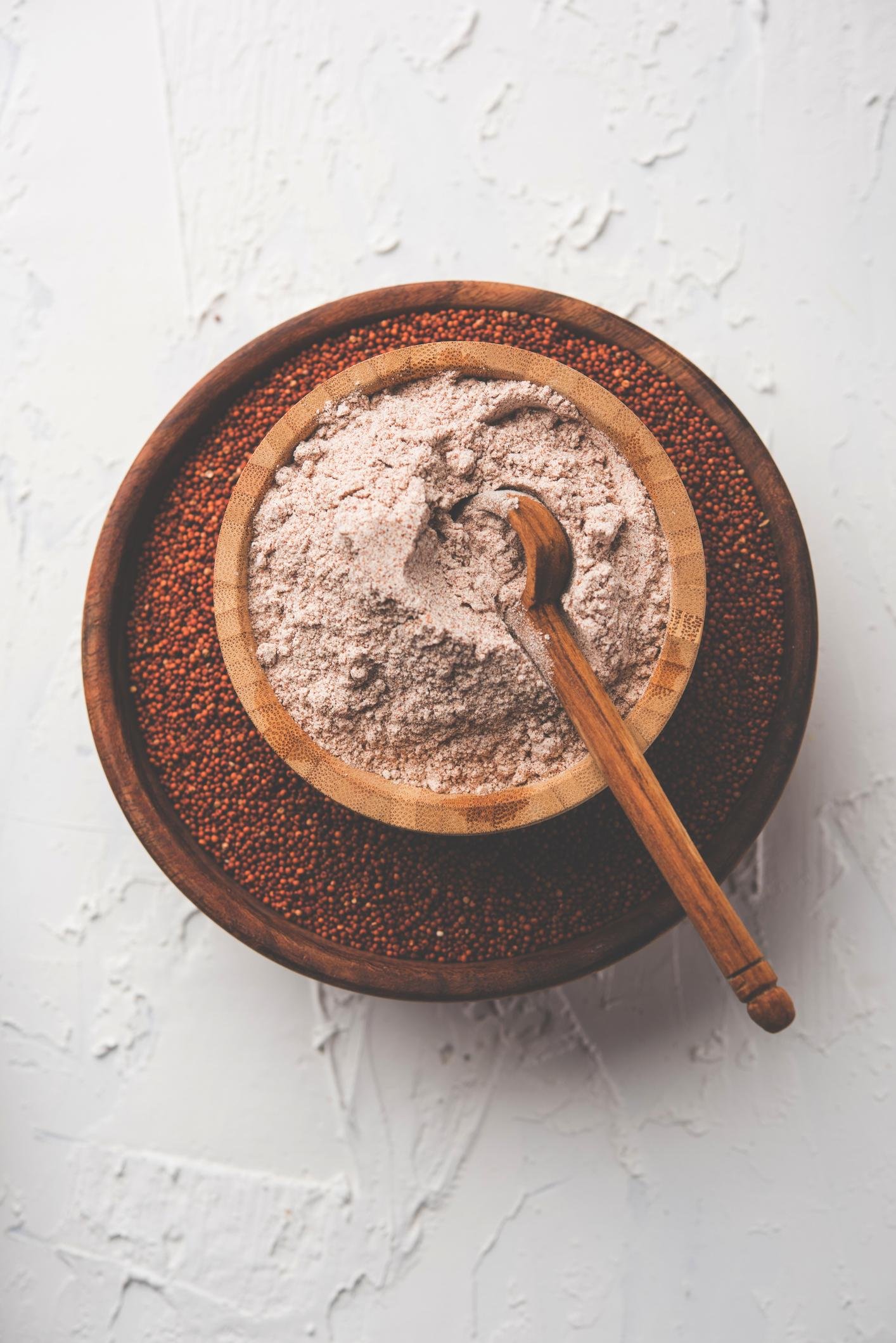
Ragi Health Benefits

Benefits of Adding Ragi to Your Daily Diet

Adding ragi to your daily meals can significantly improve overall health and well-being.

Better Bone Strength

Regular consumption of ragi supplies the body with calcium, phosphorus, and magnesium that contribute to stronger bones and reduced risk of age-related bone diseases.

Improved Digestive Function

The high fiber content helps improve digestion, promotes healthy gut bacteria, and reduces constipation.

Sustainable Weight Loss

Ragi keeps you fuller for longer periods, reducing unnecessary snacking and calorie intake.

Better Blood Sugar Control

People with diabetes or prediabetes can benefit from ragi because it releases glucose gradually into the bloodstream.

Enhanced Heart Protection

The grain contains compounds that help reduce bad cholesterol while supporting healthy blood circulation.

Increased Iron Intake

Including ragi regularly may help maintain healthy iron levels and reduce the risk of fatigue associated with anemia.

How Does Ragi Improve Your Health?

Ragi improves health through multiple biological mechanisms:

Blood Sugar Regulation

Fiber slows carbohydrate digestion, reducing sudden spikes in blood glucose levels.

Enhanced Bone Mineralization

High calcium levels support bone formation and maintenance.

Improved Cholesterol Management

Dietary fiber helps remove excess cholesterol from the digestive tract.

Better Digestive Efficiency

Fiber increases stool bulk and supports healthy intestinal function.

Reduced Oxidative Stress

Antioxidants protect cells from damage caused by free radicals.

Healthy Weight Maintenance

Slow digestion promotes satiety and appetite control.

Improved Oxygen Transport

Iron supports red blood cell production and oxygen delivery throughout the body.

Different Types of Ragi Health Benefits

Benefit CategorySpecific BenefitsKey Nutrients Responsible
Bone HealthStrong bones, reduced osteoporosis riskCalcium, Phosphorus
Heart HealthLower cholesterol, improved circulationFiber, Magnesium
Diabetes ManagementBetter blood sugar controlFiber, Complex Carbohydrates
Digestive HealthReduced constipation, improved gut healthDietary Fiber
Weight ManagementIncreased fullness, appetite controlFiber, Protein
Blood HealthImproved hemoglobin productionIron
Immunity SupportStronger immune functionAntioxidants, Minerals

How does Balanzing enhance Ragi Health Benefits ?

The Balanzing approach maximizes Ragi Health Benefits  by encouraging consistent, mindful, and moderate consumption as part of a balanced lifestyle. This method enhances long-term benefits such as stronger immunity, improved digestive function, stable blood sugar levels, healthier skin, and sustained energy, while preventing overconsumption.
Disclaimer

The information provided on this website is collected and compiled from publicly available sources for general informational purposes only.

Ragi Health Benefits: A Nutritious Grain for a Healthy LifestyleRagi, also known as finger millet, is one of the most nutritious grains consumed around the world. For centuries, it has been a staple food in many regions due to its impressive nutritional profile and versatility. Today, as people become more conscious of healthy eating habits, ragi is gaining recognition as a superfood that supports overall wellness.This ancient grain is packed with essential nutrients, making it an excellent addition to modern diets. Whether consumed as porridge, flatbread, pancakes, or baked goods, ragi offers a variety of health advantages that contribute to a balanced lifestyle. Understanding the value of this grain can help individuals make informed dietary choices and improve their overall health.What Is Ragi?Ragi is a cereal grain belonging to the millet family. It is known for its resilience and ability to grow in challenging climates, making it an important crop in many agricultural regions. The grain has a mild flavor and can be incorporated into numerous recipes, making it suitable for people of all ages.Many nutrition experts highlight Ragi Health Benefits because of the grain’s rich content of fiber, calcium, iron, and essential amino acids. Unlike many refined grains, ragi retains its natural nutrients, making it a healthier choice for daily consumption.Nutritional Profile of RagiOne of the main reasons ragi has become increasingly popular is its remarkable nutrient composition. The Nutritional value of ragi includes important vitamins, minerals, protein, dietary fiber, and antioxidants.Ragi contains:Calcium Iron Magnesium Phosphorus Potassium Dietary fiber Plant-based protein Essential amino acidsThe Nutritional value of ragi makes it an excellent food choice for individuals looking to improve their nutrient intake naturally. These nutrients support various bodily functions, including bone health, energy production, muscle function, and immune support.Rich Source of CalciumRagi is widely recognized for its high calcium content. Calcium plays a crucial role in maintaining strong bones and teeth while supporting nerve function and muscle contractions.One of the most significant Ragi Health Benefits is its ability to contribute to bone health. Regular consumption may help individuals meet their daily calcium requirements, especially those who do not consume sufficient dairy products.Children, adults, and older individuals can all benefit from calcium-rich foods. Including ragi in meals can be a practical way to support skeletal health throughout different stages of life.Supports Digestive HealthDietary fiber is essential for maintaining a healthy digestive system. Ragi contains a substantial amount of fiber, which helps support regular bowel movements and promotes digestive comfort.Among the major Benefits of eating ragi is its positive effect on digestion. Fiber adds bulk to the diet and supports the movement of food through the digestive tract.A fiber-rich diet may also contribute to a healthier gut environment and support the growth of beneficial intestinal bacteria. This can improve overall digestive function and contribute to long-term wellness.Helps Maintain Healthy WeightWeight management often depends on consuming nutrient-dense foods that provide satiety without excessive calories. Ragi fits this requirement exceptionally well because of its fiber content.One of the notable Benefits of eating ragi is that it promotes a feeling of fullness, which may help reduce unnecessary snacking and overeating. The grain digests gradually, supporting sustained energy levels throughout the day.Replacing highly processed foods with nutrient-rich grains such as ragi can be a valuable strategy for maintaining a healthy body weight.Supports Heart HealthHeart health is influenced by several dietary factors, including fiber intake and nutrient quality. Ragi contains beneficial nutrients that support cardiovascular wellness.The grain provides dietary fiber and minerals that contribute to healthy blood circulation and overall heart function. Including wholesome grains as part of a balanced eating pattern may support long-term cardiovascular health.These positive effects contribute to the growing interest in Millet health benefits among nutrition-conscious individuals. Millets are increasingly recognized for their role in supporting healthy lifestyles and balanced diets.Provides Sustained EnergyRagi is a valuable source of complex carbohydrates, which release energy gradually. Unlike highly refined foods that can cause rapid spikes and drops in energy levels, ragi supports steady energy throughout the day.People with active lifestyles often choose whole grains because they provide lasting nourishment and help maintain productivity. This characteristic makes ragi an excellent option for breakfast and other meals.The impressive Millet health benefits associated with ragi make it a popular choice among individuals seeking nutritious alternatives to processed grains.Supports Healthy Blood Sugar ManagementFoods rich in dietary fiber often contribute to slower digestion and more gradual nutrient absorption. This can help support balanced energy levels and overall metabolic health.One reason Why ragi is good for health is its fiber-rich composition. The grain can be incorporated into balanced meal plans that emphasize whole foods and nutrient density.A well-rounded diet that includes whole grains, vegetables, fruits, and protein sources can contribute to long-term wellness and healthy lifestyle habits.Rich in AntioxidantsAntioxidants help protect cells from oxidative stress caused by environmental and metabolic factors. Ragi contains naturally occurring antioxidants that support overall health and wellness.These compounds help maintain cellular function and contribute to healthy aging. Foods rich in antioxidants are often recommended as part of a balanced dietary pattern focused on long-term well-being.Understanding Why ragi is good for health becomes easier when considering its contribution to cellular protection and nutritional support.Excellent Choice for Growing ChildrenChildren require adequate nutrition to support growth, development, and learning. Ragi provides several nutrients that contribute to these needs, including calcium, iron, and protein.Parents often include ragi-based foods in children's diets because they are nutritious, filling, and versatile. Various traditional and modern recipes make it easy to introduce ragi to young eaters.The Importance of ragi in a balanced diet becomes particularly evident during growth years when nutrient demands are higher.Beneficial for Older AdultsAs people age, maintaining bone strength and adequate nutrient intake becomes increasingly important. Ragi’s calcium and mineral content make it a valuable food for older individuals.The grain can be prepared in soft, easily digestible forms such as porridge, making it suitable for seniors. Its nutritional richness supports overall dietary quality and contributes to healthy aging.These advantages further highlight the Importance of ragi in a balanced diet for individuals across different age groups.Versatile and Easy to Include in MealsOne of ragi’s greatest strengths is its versatility. It can be used in numerous recipes, including:Porridge Flatbreads Pancakes Dosas Cookies Muffins Smoothies Baked productsIts adaptability allows people to enjoy its nutritional benefits in various ways without becoming repetitive.The growing awareness of Millet health benefits has encouraged more households to experiment with millet-based recipes and healthier meal options.Supports a Balanced LifestyleA balanced diet includes a variety of nutrient-rich foods from different food groups. Whole grains play an important role in providing energy, fiber, and essential nutrients.Ragi fits perfectly into this framework because it offers a combination of vitamins, minerals, protein, and fiber. Including nutrient-dense grains can help improve overall dietary quality and support long-term wellness.Many nutrition experts emphasize the Importance of ragi in a balanced diet because it complements fruits, vegetables, legumes, dairy products, and lean protein sources.Environmentally Sustainable GrainRagi is also valued for its agricultural sustainability. It requires relatively fewer resources compared to some other crops and can thrive in challenging environmental conditions.As interest in sustainable food systems grows, many people are exploring grains that support both personal health and environmental responsibility. Ragi represents an excellent example of a nutritious and resilient crop.This connection between nutrition and sustainability further strengthens the appeal of Ragi Health Benefits for modern consumers.Tips for Adding Ragi to Your DietIncorporating ragi into daily meals can be simple and enjoyable. Consider these practical ideas:Start the day with ragi porridge. Prepare traditional flatbreads using ragi flour. Add ragi flour to pancake or muffin recipes. Use it as part of healthy snack options. Combine it with vegetables and legumes for nutritious meals. Experiment with smoothies and baked dishes.These simple approaches can help individuals enjoy the Benefits of eating ragi regularly while maintaining dietary variety.ConclusionRagi is a nutrient-rich grain that offers numerous advantages for people seeking healthier eating habits. Its impressive nutrient profile includes calcium, iron, fiber, protein, and antioxidants that support overall wellness. From bone health and digestion to heart support and sustained energy, the many Ragi Health Benefits make it a valuable addition to modern diets.The remarkable Nutritional value of ragi contributes to its growing popularity among health-conscious individuals. Understanding Why ragi is good for health helps consumers appreciate its role in supporting balanced nutrition and long-term well-being.As awareness of Millet health benefits continues to increase, more people are discovering the Benefits of eating ragi and incorporating it into daily meals. The Importance of ragi in a balanced diet cannot be overlooked, as this ancient grain provides a simple and effective way to support healthier living.In recent years, there has been a growing awareness of the importance of choosing wholesome foods that support overall well-being. Among the many grains available today, ragi continues to attract attention because of its impressive nutritional profile and versatility. As people seek healthier alternatives to refined foods, this ancient grain remains a trusted option for maintaining balanced nutrition.A healthy lifestyle depends on making consistent dietary choices that provide the body with essential nutrients. Whole grains are often recommended because they offer fiber, vitamins, minerals, and natural energy. Ragi stands out as a grain that delivers these benefits while fitting easily into a variety of meal plans.Naturally Rich in MineralsMinerals are essential for maintaining normal body functions. They support everything from bone strength and muscle movement to nerve signaling and energy production. Ragi contains several important minerals that contribute to overall health.Calcium is one of the most recognized nutrients found in this grain. Adequate calcium intake is important throughout life, particularly during childhood, adolescence, and older adulthood. Strong bones and teeth rely on sufficient calcium, making nutrient-rich grains a valuable addition to daily meals.In addition to calcium, ragi contains minerals such as magnesium, phosphorus, and potassium. These nutrients work together to support various physiological processes and contribute to overall wellness.Supporting Better Food ChoicesMany people struggle with maintaining healthy eating habits because processed foods are often convenient and widely available. However, incorporating traditional grains into meals can help improve overall diet quality.Ragi offers a nutritious alternative that can replace highly refined ingredients in many recipes. By choosing whole-food options more frequently, individuals can increase their intake of beneficial nutrients while reducing dependence on heavily processed products.Healthy eating does not require drastic changes. Small substitutions, such as incorporating wholesome grains into breakfast or snacks, can gradually improve nutritional intake over time.Ideal for Homemade RecipesOne of the reasons ragi remains popular is its adaptability in home cooking. It can be used in both sweet and savory preparations, making it suitable for diverse culinary preferences.Home cooks can experiment with various recipes to include this grain in everyday meals. Traditional dishes remain popular, while modern adaptations continue to introduce new ways of enjoying its nutritional advantages.The flexibility of ragi allows it to be paired with vegetables, legumes, dairy products, fruits, and spices. This versatility helps create balanced meals that are both nutritious and flavorful.A Smart Choice for Busy LifestylesModern schedules often leave little time for elaborate meal preparation. As a result, many people seek ingredients that combine convenience with nutritional value.Ragi can be prepared relatively quickly and incorporated into simple recipes that fit busy routines. Whether used for breakfast, lunch, or snacks, it provides nourishment without requiring extensive preparation time.Having nutrient-rich ingredients readily available can make healthy eating more practical and sustainable. This convenience encourages consistency, which is essential for achieving long-term dietary goals.Encouraging Healthy Family NutritionFamily eating habits often influence overall health and well-being. Introducing nutritious foods into family meals can help establish positive dietary patterns for both children and adults.When nutritious meals are appealing and easy to prepare, families are more likely to maintain healthy eating habits over time. This contributes to improved nutritional intake and overall wellness.Supporting Nutritional BalanceA balanced diet includes foods from multiple food groups to ensure adequate intake of essential nutrients. Whole grains play an important role in this balance by providing energy and supporting overall nutrition.Ragi complements other healthy foods such as vegetables, fruits, legumes, nuts, and dairy products. Combining these foods creates meals that are nutritionally complete and satisfying.Balanced nutrition is not about focusing on a single food but rather creating dietary patterns that include a variety of nutrient-rich ingredients. Ragi can be an important part of this approach.Suitable for Various Dietary PreferencesMany people follow specific dietary patterns based on personal preferences, cultural traditions, or health goals. Ragi can fit into a wide range of eating styles due to its versatility and nutritional value.It can be incorporated into vegetarian meal plans and used in recipes that emphasize whole-food ingredients. Its adaptability makes it a practical option for individuals seeking nutritious and flexible food choices.Because it works well in numerous preparations, ragi can be enjoyed regularly without becoming repetitive. This variety helps maintain interest in healthy eating habits.Traditional Grain for Modern WellnessAlthough ragi has been cultivated for centuries, its relevance remains strong in modern nutrition. Many traditional foods are being rediscovered as people recognize the value of natural, minimally processed ingredients.Building Sustainable Eating HabitsHealthy lifestyles are built on consistent habits rather than short-term changes. Choosing nutritious foods regularly can contribute to lasting improvements in health and wellness. The growing popularity of traditional grains has brought renewed attention to Ragi Health Benefits and their role in supporting overall wellness. As a naturally nutrient-rich grain, ragi offers a combination of essential minerals, dietary fiber, and plant-based nutrients that make it a valuable addition to modern diets.One of the key reasons behind the increasing interest in Millet health benefits is the impressive nutritional profile of finger millet. It provides important nutrients that contribute to daily dietary requirements while supporting a healthy lifestyle. The Nutritional value of ragi includes calcium, iron, magnesium, phosphorus, and fiber, making it one of the most nutritious grains available.Many nutrition experts explain Why ragi is good for health by highlighting its ability to support digestion, maintain energy levels, and contribute to bone health. Unlike highly refined grains, ragi retains much of its natural nutrient content, helping individuals make healthier food choices.Supporting Daily NutritionThe Importance of ragi in a balanced diet becomes evident when considering the need for nutrient-dense foods that provide long-lasting nourishment. Whole grains are an essential part of balanced eating patterns, and ragi serves as an excellent option due to its versatility and nutritional richness.Among the notable Benefits of eating ragi is its ability to provide dietary fiber, which supports digestive health and promotes a feeling of fullness. This can help individuals maintain healthy eating habits and make more mindful food choices throughout the day.The Ragi Health Benefits also extend to people of different age groups, from growing children to older adults. Its nutrient content supports overall wellness and contributes to a varied and nutritious diet.A Valuable Addition to Healthy LifestylesAs awareness of Millet health benefits continues to grow, more people are incorporating ragi into everyday meals. Whether consumed as porridge, flatbread, pancakes, or baked products, it offers a convenient way to improve dietary quality.The excellent Nutritional value of ragi makes it suitable for individuals seeking wholesome alternatives to processed foods. Understanding Why ragi is good for health encourages healthier dietary decisions and promotes long-term wellness.The Importance of ragi in a balanced diet lies in its ability to complement fruits, vegetables, legumes, and other whole foods. By regularly including this grain in meals, individuals can experience the many Benefits of eating ragi while supporting overall health and nutrition.

Table of Contents