
Root Vegetables Health Benefits
Root vegetables are among the most nutritious and versatile foods found in kitchens around the world. Grown underground, these vegetables absorb minerals and nutrients directly from the soil
Root Vegetables Health Benefits
Root vegetables offer many health benefits due to their rich nutritional profile. They contain vitamins A, C, B6, potassium, iron, magnesium, antioxidants, and dietary fiber.
1. Rich Source of Dietary Fiber
Most root vegetables contain a high amount of fiber that supports healthy digestion and prevents constipation. Fiber also helps maintain gut health and improves bowel movements.
2. Boost Energy Naturally
Starchy root vegetables such as potatoes and sweet potatoes provide healthy carbohydrates that supply long-lasting energy to the body.
3. Strengthen Immunity
Vegetables like garlic, onion, ginger, and radish contain antioxidants and antibacterial compounds that help strengthen the immune system and fight infections.
4. Support Heart Health
Many root vegetables contain potassium and antioxidants that help regulate blood pressure and support healthy heart function.

Benefits of Adding Root Vegetables to Your Daily Diet
Including root vegetables in your regular meals can greatly improve overall health. Their rich nutrient content makes them an excellent addition to breakfast, lunch, dinner, soups, salads, and snacks.
Excellent Source of Essential Nutrients
Root vegetables contain vitamins and minerals needed for daily body functions. Potassium helps maintain fluid balance, vitamin C boosts immunity, and vitamin A supports skin and eye health.
Improve Digestive Health
Fiber in root vegetables helps food move smoothly through the digestive tract. Vegetables such as radish and beetroot are especially beneficial for digestion.
Provide Long-Lasting Fullness
Root vegetables digest slowly, helping you stay full longer. This reduces unnecessary snacking and supports healthy eating habits.
How Does Root Vegetables to improve Your Health?
Root vegetables improve health in multiple ways because they nourish the body with essential nutrients while supporting important body systems.
Improve Digestive System
The dietary fiber found in root vegetables improves digestion, supports gut bacteria, and prevents constipation.
Enhance Immune Function
Garlic, onion, ginger, and radish contain natural antibacterial and antiviral properties that support immunity.
Maintain Healthy Blood Pressure
Potassium-rich vegetables like potatoes and beetroot help regulate blood pressure levels.
Increase Natural Energy
Healthy carbohydrates provide fuel for muscles and daily activities without causing sudden energy crashes.
Different Types of Root Vegetables & Their Health Benefits
| Root Vegetable | Main Nutrients | Health Benefits |
|---|---|---|
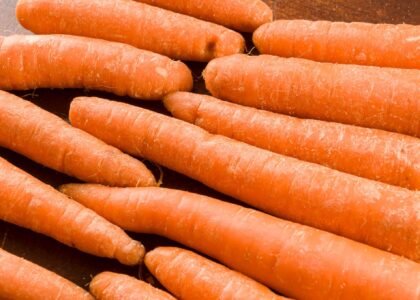
| Carrot | Vitamin A, Fiber | Improves vision and skin health |
| Potato | Potassium, Carbohydrates | Provides energy and supports muscles |
| Sweet Potato | Beta-carotene, Fiber | Supports immunity and digestion |
| Beetroot | Iron, Folate, Nitrates | Improves blood circulation |
| Radish | Vitamin C, Antioxidants | Supports digestion and immunity |
| Turnip | Vitamin C, Calcium | Strengthens bones and immunity |
| Onion | Antioxidants, Sulfur Compounds | Supports heart health |
| Garlic | Allicin, Antioxidants | Helps fight infections |
How does Balanzing enhance Root Vegetables Health benefits?
The Balanzing approach maximizes Root Vegetables benefits by encouraging consistent, mindful, and moderate consumption as part of a balanced lifestyle. Root Vegetables is naturally rich in vitamins, minerals, antioxidants, and dietary fiber, which together support immunity, digestion, blood sugar regulation, heart health, and overall wellness. By following Balanzing principles, individuals consume Root Vegetables in proper portions and at appropriate times, ensuring that the body efficiently absorbs and utilizes its nutrients. This method enhances long-term benefits such as stronger immunity, improved digestive function, stable blood sugar levels, healthier skin, and sustained energy, while preventing overconsumption.



Disclaimer
The information provided on this website is collected and compiled from publicly available sources for general informational purposes only.
Table of Contents
Toggle