
Seasonal Vegetables Health Benefits
Seasonal vegetables are vegetables that naturally grow and are harvested during a particular season of the year. Eating vegetables in their proper season ensures better taste, freshness, nutrition, and affordability.
Seasonal Vegetables Health Benefits
1. Rich Source of Vitamins and Minerals
Seasonal vegetables provide essential nutrients such as:
- Vitamin A
- Vitamin C
- Vitamin K
- Iron
- Calcium
- Potassium
- Magnesium
These nutrients help maintain strong bones, healthy skin, proper blood circulation, and good eyesight.
2. Boosts Immunity
Fresh seasonal vegetables contain antioxidants and immune-supporting compounds that protect the body against infections and illnesses.
Examples:
- Vitamin C in tomatoes and capsicum strengthens immunity.
- Leafy greens contain antioxidants that fight harmful free radicals.
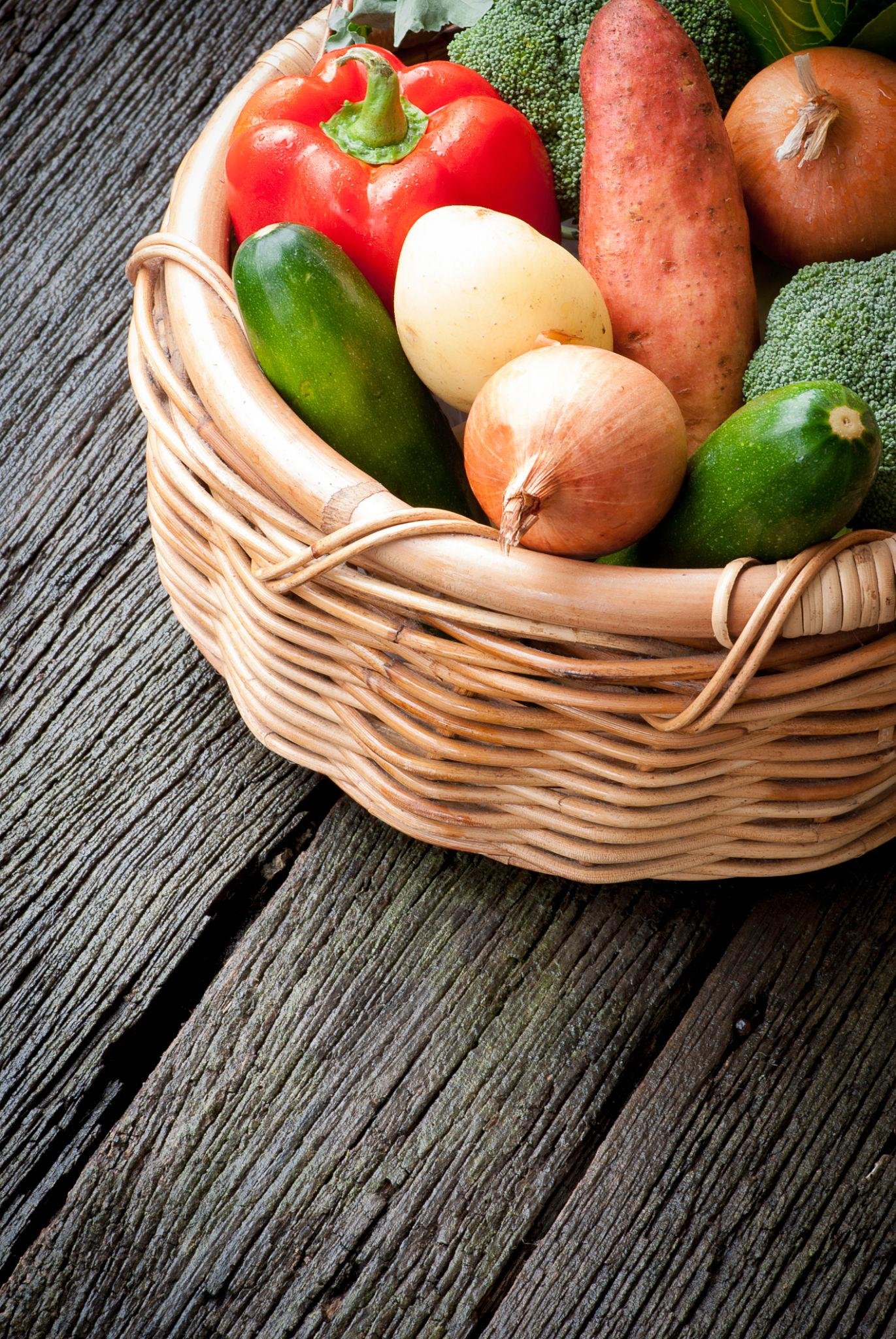
Benefits of Adding Seasonal Vegetables to Your Daily Diet
Better Nutritional Value
Vegetables grown in their natural season contain maximum nutrients because they ripen naturally under proper sunlight and weather conditions.
Fresher and Tastier
Seasonal vegetables are harvested at the right time, making them:
- Crisp
- Juicy
- Flavorful
- Naturally aromatic
More Affordable
Since seasonal vegetables are widely available during harvest time, they are usually cheaper than off-season produce.
Environment-Friendly Choice
Eating seasonal produce supports:
- Local farmers
- Reduced transportation pollution
- Sustainable agriculture
- Lower energy consumption
How Does Seasonal Vegetables improve Your Health?
Enhances Energy Levels
Fresh vegetables provide natural carbohydrates, vitamins, and minerals that support energy production and reduce fatigue.
Reduces Risk of Chronic Diseases
A vegetable-rich diet may help lower the risk of:
- Heart disease
- Diabetes
- Obesity
- Certain cancers
- High blood pressure
Strengthens Bones
Leafy greens contain calcium, magnesium, and Vitamin K that support stronger bones and teeth.
Helps Detoxify the Body
Vegetables support liver function and help remove toxins from the body naturally.
Different Types of Seasonal Vegetables & Their Health Benefits
| Type of Seasonal Vegetable | Examples | Main Nutrients | Health Benefits |
|---|---|---|---|
| Leafy Green Vegetables | Spinach, fenugreek, mustard greens | Iron, calcium, folate | Improves blood health and strengthens bones |
| Root Vegetables | Carrot, beetroot, radish | Fiber, Vitamin A, antioxidants | Supports eye health and digestion |
| Gourds | Bottle gourd, ridge gourd, bitter gourd | Water, fiber, potassium | Helps hydration and weight management |
| Cruciferous Vegetables | Cauliflower, cabbage, broccoli | Vitamin C, antioxidants | Supports immunity and heart health |
| Legume Vegetables | Green peas, beans | Protein, fiber | Helps muscle growth and digestion |
| Summer Vegetables | Cucumber, pumpkin, zucchini | Water, Vitamin C | Keeps body cool and hydrated |
| Winter Vegetables | Carrot, spinach, peas | Iron, beta-carotene | Boosts immunity and energy |
How does Balanzing enhance Seasonal Vegetables Health benefits?
The Balanzing approach maximizes Seasonal Vegetables benefits by encouraging consistent, mindful, and moderate consumption as part of a balanced lifestyle. Seasonal Vegetables is naturally rich in vitamins, minerals, antioxidants, and dietary fiber, which together support immunity, digestion, blood sugar regulation, heart health, and overall wellness. By following Balanzing principles, individuals consume Seasonal Vegetables in proper portions and at appropriate times, ensuring that the body efficiently absorbs and utilizes its nutrients. This method enhances long-term benefits such as stronger immunity, improved digestive function, stable blood sugar levels, healthier skin, and sustained energy, while preventing overconsumption.


Disclaimer
The information provided on this website is collected and compiled from publicly available sources for general informational purposes only.
# Seasonal Vegetables Health Benefits Seasonal vegetables are one of the most important parts of a balanced and natural diet. They are fresh, nutrient-rich, and naturally available during specific times of the year, making them more affordable and healthier compared to out-of-season produce. People are increasingly searching for **Seasonal Vegetables Health Benefits** because they support immunity, digestion, energy levels, and overall wellness in a natural and sustainable way. Fresh vegetables harvested in their natural season tend to have better flavor, higher nutritional value, and fewer artificial preservation methods. This makes them a powerful choice for long-term health and everyday nutrition. --- # What Are Seasonal Vegetables Health Benefits? The major **Seasonal Vegetables Health Benefits** include improved immunity, better digestion, higher nutrient intake, improved energy, and balanced diet support. Seasonal vegetables are naturally aligned with the body’s needs during different weather conditions. They are rich in vitamins, minerals, antioxidants, and dietary fiber that support multiple body functions. Eating seasonal produce regularly helps maintain a healthier lifestyle and improves overall dietary quality. --- # Nutritional Value of Seasonal Produce The **nutritional value of seasonal produce** is one of the main reasons nutrition experts recommend eating fresh, local vegetables. Seasonal vegetables are rich in: * Vitamin A for vision and skin health * Vitamin C for immunity support * Vitamin K for bone health * Folate for cell growth * Iron for healthy blood circulation * Potassium for heart and fluid balance * Magnesium for muscle and nerve function * Fiber for digestion * Antioxidants for cell protection Because they are harvested at peak ripeness, seasonal vegetables often retain more nutrients compared to long-stored or imported produce. --- # Why Eat Seasonal Vegetables Understanding **why eat seasonal vegetables** helps in building better dietary habits and long-term wellness. There are several important reasons: ### 1. Better Nutritional Quality Seasonal vegetables are fresher and naturally more nutrient-dense. ### 2. Improved Taste and Freshness They are harvested at the right time, making them more flavorful and crisp. ### 3. Cost-Effective Choice Seasonal produce is often more affordable due to local availability. ### 4. Better Digestion Fresh vegetables are easier to digest and support gut health. ### 5. Environmental Benefits Seasonal eating supports local farming and reduces environmental impact. These reasons make seasonal vegetables a smarter and healthier food choice. --- # Benefits of Fresh Seasonal Vegetables The **Benefits of Fresh Seasonal Vegetables** are closely linked to their natural freshness and nutrient content. Fresh seasonal vegetables help support: * Strong immune system * Healthy digestion * Balanced energy levels * Improved skin health * Better hydration * Heart wellness Their natural fiber content supports smooth digestion and helps maintain gut balance. Antioxidants present in fresh vegetables also help protect the body from oxidative stress. --- # Seasonal Vegetables Health Tips for Daily Living Following simple **Seasonal Vegetables Health Tips** can significantly improve daily nutrition and overall wellness. ### Eat a variety of colors Different colors represent different nutrients. ### Include raw and cooked vegetables Both forms provide unique nutritional benefits. ### Buy local produce Local seasonal vegetables are fresher and healthier. ### Avoid overcooking Light cooking preserves vitamins and minerals. ### Combine with balanced meals Pair vegetables with proteins and whole grains for complete nutrition. These simple habits help maximize health benefits from seasonal foods. --- # Seasonal Vegetables and Digestive Health One of the key **Seasonal Vegetables Health Benefits** is improved digestion. Seasonal vegetables are rich in fiber, which helps regulate bowel movement and supports gut health. Fiber helps: * Improve digestion speed * Prevent constipation * Support gut bacteria * Enhance nutrient absorption A healthy digestive system plays a major role in overall wellness and energy levels. --- # Immunity Support from Seasonal Vegetables Seasonal vegetables contain vitamins and antioxidants that strengthen the immune system. Vitamin C and other plant compounds help protect the body from infections and seasonal illnesses. This is especially important during weather changes when immunity needs extra support. --- # Energy and Vitality Benefits The **nutritional value of seasonal produce** includes essential nutrients that help improve energy levels naturally. Iron and magnesium support oxygen transport and muscle function, while vitamins help convert food into energy. This leads to better stamina and reduced fatigue. --- # Heart Health and Circulation Support Seasonal vegetables support heart health due to their potassium, fiber, and antioxidant content. Potassium helps regulate blood pressure, while fiber supports healthy cholesterol levels. This combination contributes to better cardiovascular balance and circulation. --- # Skin and Anti-Aging Benefits Fresh vegetables provide antioxidants and vitamins that support healthy skin. Vitamin C helps collagen formation, while antioxidants reduce oxidative stress that can affect skin aging. This is another reason why **Benefits of Fresh Seasonal Vegetables** are widely recognized in wellness diets. --- # Weight Management and Healthy Eating Seasonal vegetables are low in calories but high in fiber and nutrients. This makes them ideal for healthy weight management. They help: * Increase fullness * Reduce overeating * Support balanced meals * Improve metabolism This makes them a key part of healthy diet plans. --- # Why Seasonal Vegetables Are Better Than Out-of-Season Produce Understanding **why eat seasonal vegetables** also involves comparing them with non-seasonal options. Out-of-season vegetables are often: * Stored for long periods * Transported over long distances * Less fresh * Lower in nutrients Seasonal vegetables, on the other hand, are fresh, local, and naturally ripened. --- # Role in Balanced Diet The **nutritional value of seasonal produce** makes it essential for balanced diets. It provides a wide range of nutrients that support overall body function. A balanced diet with seasonal vegetables helps improve: * Immunity * Digestion * Energy * Skin health * Heart health --- # Seasonal Vegetables in Traditional Diets Traditional food systems have always emphasized seasonal eating. People consumed vegetables available in their local environment, which helped maintain natural balance and health. This practice continues to be important in modern nutrition as well. --- # How to Include Seasonal Vegetables in Daily Meals Here are simple ways to include them: * Fresh salads * Vegetable curries * Stir-fried dishes * Soups and stews * Smoothies * Rice and grain bowls Regular inclusion improves dietary quality and nutrition. --- # Seasonal Vegetables Health Tips for Better Nutrition Following **Seasonal Vegetables Health Tips** ensures maximum benefit: * Choose fresh and locally grown vegetables * Wash thoroughly before cooking * Cook lightly to preserve nutrients * Avoid excessive oil or processing * Mix different vegetables for variety These habits help retain nutritional value and improve overall health. --- # Conclusion Overall, **Seasonal Vegetables Health Benefits** play a major role in supporting natural wellness and balanced nutrition. The **nutritional value of seasonal produce** highlights its rich content of vitamins, minerals, fiber, and antioxidants. Understanding **why eat seasonal vegetables** helps improve food choices and long-term health. The **Benefits of Fresh Seasonal Vegetables** include better digestion, immunity, energy, and skin health. Finally, following simple **Seasonal Vegetables Health Tips** ensures maximum nutritional benefits and supports a healthier lifestyle naturally. Including seasonal vegetables regularly in daily meals is one of the simplest and most effective ways to maintain long-term wellness, balanced nutrition, and overall health improvement. Fresh vegetables that grow naturally during specific times of the year are considered one of the most valuable parts of a healthy diet. They are widely consumed because they are naturally rich in nutrients, easy to digest, and available in their most flavorful and nutritious form when harvested at the right time. Including these foods in daily meals supports overall wellness and helps maintain a balanced lifestyle. One of the most important qualities of these vegetables is their high nutrient density. They contain essential vitamins such as vitamin A, vitamin C, vitamin K, and folate, along with important minerals like iron, potassium, magnesium, and calcium. These nutrients play a key role in maintaining body functions such as immunity, energy production, bone strength, and healthy circulation. When consumed regularly, they help the body function efficiently and support long-term well-being. Another important benefit is their natural fiber content. Fiber supports healthy digestion by helping food move smoothly through the digestive system. It also contributes to regular bowel movements and helps maintain gut balance. A healthy digestive system is essential for nutrient absorption and overall comfort. Fiber-rich foods are often recommended in balanced diets because they support internal cleansing and promote a feeling of fullness after meals. These naturally grown vegetables are also rich in antioxidants. Antioxidants help protect the body from oxidative stress caused by environmental pollution, poor diet, and normal metabolic processes. Oxidative stress can affect overall health over time, so including antioxidant-rich foods in daily meals helps support cellular protection and long-term wellness. This protective function is important for maintaining vitality and healthy aging. In addition to nutrients and antioxidants, these vegetables are naturally low in calories. This makes them suitable for individuals who want to maintain a healthy body weight without compromising on nutrition. Foods that are low in calories but rich in nutrients help support balanced eating patterns and reduce the intake of processed or high-fat foods. They also help maintain energy levels without adding excess calories to the diet. Fresh vegetables grown in natural conditions are also known for their superior taste and texture. They are often more flavorful, crisp, and enjoyable compared to stored or processed alternatives. This natural freshness makes meals more appealing and encourages healthier eating habits. When food tastes better naturally, it becomes easier to include more plant-based ingredients in daily meals. Hydration is another important benefit provided by these vegetables. Many of them contain high amounts of water, which helps maintain fluid balance in the body. Proper hydration supports digestion, temperature regulation, circulation, and overall physical performance. Including water-rich foods in meals contributes to better internal balance and freshness. These vegetables also support immune function due to their vitamin and antioxidant content. A strong immune system helps the body defend against common illnesses and environmental stress. Nutrients such as vitamin C and plant compounds contribute to the body’s natural defense mechanisms and overall resilience. Regular consumption helps maintain a healthy immune response. Heart health is also supported through nutrients like potassium and fiber. Potassium helps regulate fluid balance and supports healthy blood pressure levels. Fiber contributes to maintaining healthy cholesterol levels and supports cardiovascular function. Together, these nutrients play an important role in long-term heart wellness. Another key advantage is their role in supporting energy levels. Nutrients like iron, magnesium, and B vitamins help the body convert food into energy. This supports daily physical activity and reduces feelings of fatigue. A nutrient-rich diet helps maintain consistent energy levels throughout the day. These vegetables are also highly versatile in cooking. They can be eaten raw in salads, lightly steamed, sautéed, added to soups, or mixed into grain-based dishes. Their flexibility makes them easy to include in a wide variety of meals without requiring complex preparation. This convenience encourages healthier eating habits in everyday life. In traditional food cultures, fresh vegetables have always been an essential part of daily meals. They are often used in simple home-cooked dishes that focus on natural flavors and balanced nutrition. This long-standing tradition reflects their importance in maintaining health and wellness over generations. Modern nutrition also emphasizes the importance of including fresh plant-based foods in daily diets. They provide essential nutrients that support multiple body functions while keeping meals light and balanced. As awareness of healthy eating increases, more people are choosing natural foods as part of their lifestyle. Regular consumption of these vegetables helps improve dietary quality over time. Small daily additions of fresh greens and vegetables can make a significant difference in nutrient intake. They support better digestion, improved immunity, and overall wellness when included consistently in meals. They also play an important role in supporting skin health. Vitamins and antioxidants help maintain healthy skin by protecting against environmental damage and supporting natural repair processes. Hydration from fresh foods also contributes to a healthy and glowing appearance. In addition, these vegetables support detoxification processes in the body. Fiber helps eliminate waste efficiently, while water content supports kidney function and internal cleansing. This natural cleansing effect contributes to overall freshness and balance. Overall, fresh, naturally grown vegetables are an essential part of a healthy and balanced diet. They provide a wide range of nutrients, support multiple body systems, and promote long-term wellness. Their combination of vitamins, minerals, fiber, antioxidants, and hydration makes them one of the most valuable food groups for maintaining good health naturally. Seasonal vegetables play an important role in maintaining a healthy and balanced diet. They are naturally grown during specific times of the year and are harvested at their peak freshness, which helps preserve their natural nutrients and flavor. These vegetables are widely included in daily meals because they support overall wellness and provide essential nutrition in a natural and affordable way. One of the most important aspects of **Seasonal Vegetables Health Benefits** is their rich nutritional profile. Seasonal produce is packed with vitamins, minerals, fiber, and antioxidants that help the body function properly. These nutrients support immunity, energy production, and overall physical health. Because they are consumed fresh and not stored for long periods, they retain more nutrients compared to processed or out-of-season alternatives. The **nutritional value of seasonal produce** is significantly higher because vegetables are harvested when they are naturally ready. This means they contain higher levels of vitamin A, vitamin C, vitamin K, iron, potassium, and magnesium. These nutrients contribute to better immune response, improved circulation, stronger bones, and healthier skin. Including fresh vegetables regularly in meals ensures the body receives a wide range of essential nutrients. Understanding **why eat seasonal vegetables** is important for making healthier food choices. Seasonal vegetables are more flavorful, fresher, and easier to digest. They are also more environmentally friendly and cost-effective. Eating foods that naturally grow in a specific season helps the body adjust to environmental changes and supports better internal balance. This natural alignment between diet and environment is one of the key reasons nutrition experts recommend seasonal eating. The **Benefits of Fresh Seasonal Vegetables** include improved digestion, better hydration, and enhanced energy levels. Their high fiber content helps regulate bowel movements and supports gut health. Water-rich vegetables also help maintain hydration, which is essential for digestion, circulation, and overall body function. In addition, their antioxidants help protect the body from oxidative stress and support long-term wellness. Following simple **Seasonal Vegetables Health Tips** can further improve daily nutrition. It is recommended to include a variety of vegetables in meals, eat them fresh when possible, and avoid overcooking to preserve nutrients. Combining raw and cooked vegetables helps maintain a balanced intake of vitamins and minerals. Choosing locally available produce also ensures better freshness and quality. Overall, seasonal vegetables are a vital part of a healthy lifestyle. They provide essential nutrients, support digestion, improve immunity, and contribute to long-term wellness. Including them regularly in daily meals helps maintain a balanced diet and promotes a healthier, more natural way of living. One of the most important aspects of Seasonal Vegetables Health Benefits is their rich nutritional profile. Seasonal produce is packed with vitamins, minerals, fiber, and antioxidants that help the body function properly. These nutrients support immunity, energy production, and overall physical health. Because they are consumed fresh and not stored for long periods, they retain more nutrients compared to processed or out-of-season alternatives. The nutritional value of seasonal produce is significantly higher because vegetables are harvested when they are naturally ready. This means they contain higher levels of vitamin A, vitamin C, vitamin K, iron, potassium, and magnesium. These nutrients contribute to better immune response, improved circulation, stronger bones, and healthier skin. Including fresh vegetables regularly in meals ensures the body receives a wide range of essential nutrients. Understanding why eat seasonal vegetables is important for making healthier food choices. Seasonal vegetables are more flavorful, fresher, and easier to digest. They are also more environmentally friendly and cost-effective. Eating foods that naturally grow in a specific season helps the body adjust to environmental changes and supports better internal balance. This natural alignment between diet and environment is one of the key reasons nutrition experts recommend seasonal eating.
Table of Contents
Toggle