
Vegetables for Weight Loss Health Benefits
Eating the right vegetables can play a major role in healthy and sustainable weight management. Vegetables are naturally low in calories and high in fiber, vitamins, minerals, and antioxidants.
Vegetables for Weight Loss Health Benefits
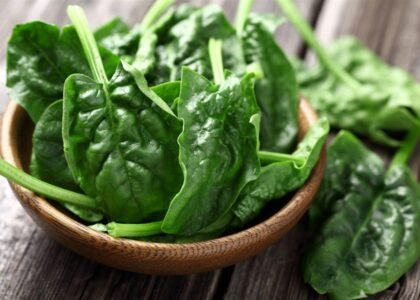
1. Spinach
Spinach is low in calories and packed with iron, fiber, and antioxidants. It helps reduce appetite and supports healthy digestion.
2. Broccoli
Broccoli is rich in fiber and plant compounds that may support fat metabolism and digestive health.
3. Cucumber
Cucumber contains high water content, making it ideal for hydration and reducing unnecessary snacking.
4. Cauliflower
Cauliflower is a versatile low-carb vegetable often used as a substitute for rice, pizza crust, and mashed potatoes.
5. Zucchini
Zucchini is low in calories and high in water, helping you feel full without consuming too many calories.
6. Bell Peppers
Bell peppers are rich in vitamins A and C while adding flavor and crunch to healthy meals.
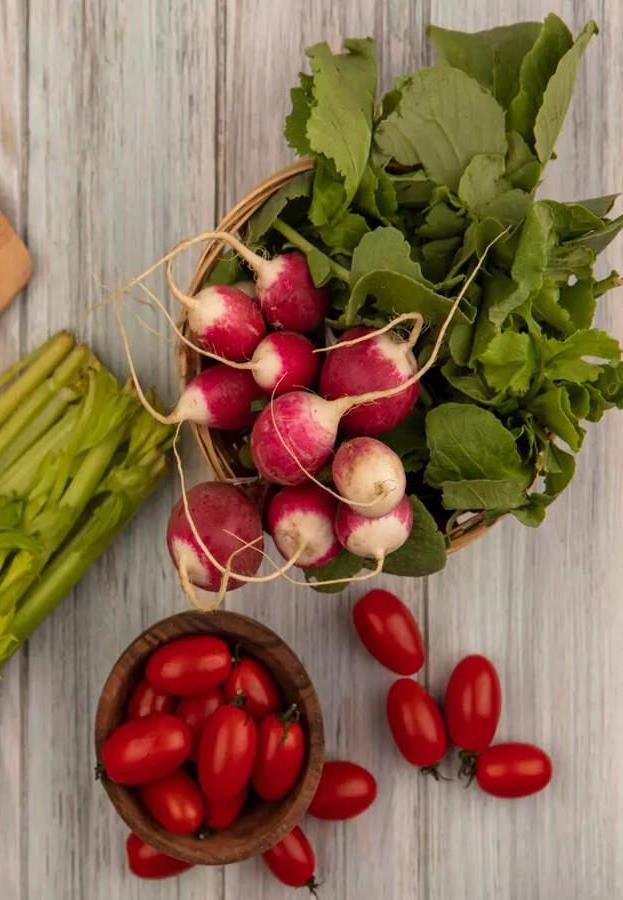
Benefits of Adding Vegetables for Weight Loss to Your Daily Diet
Including vegetables in your daily meals can transform your overall health and wellness. Here are the major benefits in detail:
Better Appetite Control
Vegetables are naturally filling because of their fiber and water content. This helps reduce hunger and limits unnecessary snacking between meals.
Improved Gut Health
Healthy digestion is essential for weight management. Vegetables nourish beneficial gut bacteria and improve digestive efficiency.
Increased Nutrient Intake
Unlike processed foods, vegetables provide important nutrients without unhealthy fats and sugars.
Supports Healthy Heart Function
Many vegetables contain potassium and antioxidants that help maintain healthy blood pressure and heart health.
How Does Vegetables for Weight Loss to improve Your Health?
Vegetables improve health in many ways beyond helping with body weight.
Enhances Digestive Health
Fiber supports smooth digestion and helps prevent constipation. Healthy digestion also improves nutrient absorption.
Strengthens Immunity
Vegetables rich in vitamins and antioxidants help strengthen the immune system and protect the body from illness.
Promotes Healthy Skin
Vegetables containing antioxidants and vitamins help improve skin appearance and hydration.
Supports Brain Health
Leafy greens and colorful vegetables contain nutrients linked to better cognitive function and mental wellness.
Which vegetables are best for supporting a healthy weight loss journey?
Fresh vegetables for weight loss are an important part of balanced nutrition because they provide fiber, vitamins, minerals, and antioxidants while remaining naturally low in calories. Many people include low calorie vegetables for weight loss such as spinach, broccoli, cucumbers, cabbage, cauliflower, and bell peppers in their meals because these vegetables help create satisfying and nutritious dishes. Their fiber and water content may help support healthy eating habits and balanced meal planning naturally.
Health experts often recommend vegetables among the best foods for healthy weight loss because they support overall wellness and healthier lifestyle choices. Including more vegetables in meals may also help support digestion and hydration while contributing to balanced nutrition. Many individuals add vegetables for belly fat management and other natural vegetables for weight loss to their diet as part of a healthy routine focused on long-term wellness and healthy living.
Different Types of Vegetables for Weight Loss & Their Health Benefits, Nutrients
| Vegetable | Main Nutrients | Weight Loss Benefits | Additional Health Benefits |
|---|---|---|---|
| Spinach | Iron, Fiber | Keeps you full longer | Supports energy levels |
| Broccoli | Fiber, Vitamin C | Low-calorie and filling | Boosts immunity |
| Cucumber | Water, Vitamin K | Reduces calorie intake | Keeps body hydrated |
| Cauliflower | Fiber, Vitamin C | Low-carb alternative | Supports digestion |
| Zucchini | Water, Potassium | Helps control appetite | Good for heart health |
| Bell Peppers | Vitamin A, C | Low in calories | Improves skin health |
| Cabbage | Fiber, Antioxidants | Supports fat loss diets | Helps digestion |
| Carrots | Beta-carotene | Healthy snack option | Supports eye health |
How does Balanzing enhance Vegetables for Weight Loss?
The Balanzing approach maximizes Vegetables for Weight Loss benefits by encouraging consistent, mindful, and moderate consumption as part of a balanced lifestyle. Vegetables for Weight Loss is naturally rich in vitamins, minerals, antioxidants, and dietary fiber, which together support immunity, digestion, blood sugar regulation, heart health, and overall wellness. By following Balanzing principles, individuals consume Vegetables for Weight Loss in proper portions and at appropriate times, ensuring that the body efficiently absorbs and utilizes its nutrients. This method enhances long-term benefits such as stronger immunity, improved digestive function, stable blood sugar levels, healthier skin, and sustained energy, while preventing overconsumption.

Disclaimer
The information provided on this website is collected and compiled from publicly available sources for general informational purposes only.
Table of Contents
Toggle