Healthy intake 😃 Balanzed living

Benefits of Eating Seasonal Winter Vegetables

Winter vegetables are packed with nutrients, flavor, and health-boosting properties that help the body stay strong during colder months.

Winter Vegetables Benefits

Winter vegetables offer numerous health benefits because they contain essential nutrients like Vitamin A, Vitamin C, Vitamin K, iron, calcium, potassium, and dietary fiber.

1. Boost Immunity

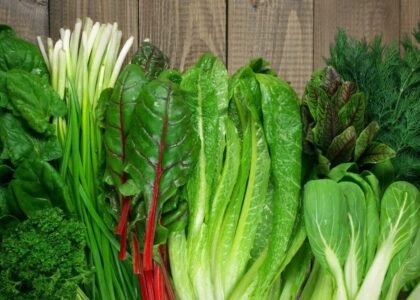
Vegetables such as broccoli, spinach, and cabbage contain Vitamin C and antioxidants that strengthen the immune system and help the body fight infections, colds, and flu.

2. Improve Digestion

Most winter vegetables are rich in fiber, which supports healthy digestion, prevents constipation, and improves gut health.

3. Support Heart Health

Leafy greens and root vegetables help lower cholesterol levels and support healthy blood pressure due to their potassium and antioxidant content.

4. Help Maintain Healthy Weight

Winter vegetables are low in calories and high in fiber, helping you stay full for longer and reducing unhealthy cravings.

winter vegetables benefits

Benefits of Adding Winter Vegetables to Your Daily Diet

Adding winter vegetables to your regular meals can greatly improve your overall health and energy levels. These vegetables provide seasonal nutrition that naturally supports the body's needs during colder weather.

Rich Source of Essential Nutrients

Winter vegetables contain vitamins and minerals that help maintain body functions, strengthen immunity, and improve energy production. Including a variety of vegetables ensures balanced nutrition.

Keeps the Body Warm and Energized

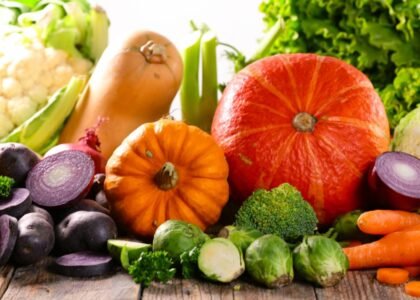
Root vegetables such as sweet potatoes, carrots, and beets provide healthy carbohydrates that supply long-lasting energy and warmth.

Improves Gut Health

Fiber-rich vegetables support beneficial gut bacteria and improve digestion. Healthy digestion also helps improve nutrient absorption and immunity.

Reduces Risk of Chronic Diseases

Antioxidants present in winter vegetables may reduce inflammation and lower the risk of heart disease, diabetes, and certain cancers.

How Does Winter Vegetables improve Your Health?

Winter vegetables improve health by nourishing the body with protective nutrients and helping important body systems function properly.

Strengthens the Immune System

The antioxidants and vitamins found in winter vegetables help the body defend against seasonal illnesses and infections.

Improves Digestive Function

Fiber helps food move smoothly through the digestive tract, reducing bloating and constipation.

Enhances Heart Function

Potassium-rich vegetables help regulate blood pressure, while antioxidants reduce damage caused by free radicals.

Supports Healthy Blood Sugar Levels

Fiber slows down sugar absorption, helping maintain balanced blood sugar levels and reducing sudden spikes.

Why are winter vegetables important for maintaining good health during colder seasons?

Winter vegetables benefits include strong immunity, better digestion, improved energy levels, and natural nourishment that helps the body stay healthy during cold weather. The best winter vegetables for health are rich in vitamins, minerals, antioxidants, and fiber, which support overall wellness and protect the body from seasonal illnesses like cold and flu. They also help maintain hydration, boost metabolism, and provide balanced nutrition during winter months.

The winter seasonal vegetables benefits also include fresh and natural nutrition that supports long-term health and fitness. Adding nutritious winter vegetables and top healthy winter vegetables to daily meals improves heart health, strengthens the immune system, and supports a healthy lifestyle. These seasonal foods are low in calories and high in nutrients, making them ideal for maintaining weight and overall body wellness.

Different Types of Winter Vegetables & Their Health Benefits

Winter Vegetable Main Nutrients Health Benefits
Carrot Vitamin A, Fiber Supports eye health and immunity
Spinach Iron, Calcium Strengthens bones and improves blood circulation
Broccoli Vitamin C, Antioxidants Boosts immunity and heart health
Cauliflower Fiber, Vitamin K Supports digestion and brain health
Beetroot Iron, Folate Improves blood flow and stamina
Radish Vitamin C, Water Helps detoxification and digestion
Turnip Fiber, Potassium Supports heart health and immunity
Sweet Potato Beta-carotene, Fiber Provides energy and supports eye health

How does Balanzing enhance Winter Vegetables benefits?

The Balanzing approach maximizes Winter Vegetables benefits by encouraging consistent, mindful, and moderate consumption as part of a balanced lifestyle. Winter Vegetables is naturally rich in vitamins, minerals, antioxidants, and dietary fiber, which together support immunity, digestion, blood sugar regulation, heart health, and overall wellness. By following Balanzing principles, individuals consume Winter Vegetables in proper portions and at appropriate times, ensuring that the body efficiently absorbs and utilizes its nutrients. This method enhances long-term benefits such as stronger immunity, improved digestive function, stable blood sugar levels, healthier skin, and sustained energy, while preventing overconsumption.
winter vegetables benefits best winter vegetables for health winter seasonal vegetables benefits nutritious winter vegetables top healthy winter vegetables winter vegetables benefits best winter vegetables for health winter seasonal vegetables benefits nutritious winter vegetables top healthy winter vegetables Winter Vegetables Benefits for a Healthy Lifestyle Eating seasonal foods is one of the best ways to maintain good health, and winter vegetables benefits play a major role in supporting overall wellness during cold weather. Winter vegetables are naturally rich in vitamins, minerals, fiber, and antioxidants that help the body stay strong, active, and protected from seasonal illnesses. They are fresher, more nutritious, and more affordable when consumed in their natural season. Best Winter Vegetables for Health The best winter vegetables for health include carrots, spinach, cabbage, cauliflower, beetroot, radish, broccoli, and peas. These vegetables are packed with essential nutrients that help improve immunity and support body functions. They also provide natural energy, which is very important during colder months when the body needs extra strength. Carrots are rich in vitamin A, which supports eye health. Spinach contains iron and helps improve blood circulation. Cabbage and cauliflower are high in fiber, which supports digestion. Beetroot helps improve stamina and heart health. Radish supports detoxification and liver function. These vegetables together form a powerful combination for daily nutrition. Winter Seasonal Vegetables Benefits The winter seasonal vegetables benefits are not limited to nutrition alone. They also help the body adapt to changing temperatures. During winter, the immune system becomes more sensitive, so eating seasonal vegetables helps strengthen defense against infections. These vegetables also improve metabolism and help the body absorb nutrients more effectively. Since they are grown naturally in winter conditions, they contain higher nutritional value compared to off-season produce. This makes them a healthier and safer food choice for families. Nutritious Winter Vegetables for Daily Diet Including nutritious winter vegetables in daily meals is a simple way to maintain a balanced diet. These vegetables are low in calories but high in fiber, which helps in weight management and digestion. They also support heart health by controlling cholesterol levels and improving blood flow. Eating a variety of winter vegetables ensures the body receives different nutrients. For example, leafy greens provide iron and calcium, while root vegetables provide energy and fiber. This balance is important for maintaining long-term health and fitness. Top Healthy Winter Vegetables for Strong Immunity The top healthy winter vegetables are known for their immune-boosting properties. Garlic, ginger, spinach, kale, carrots, and broccoli are powerful foods that help protect the body from colds, flu, and infections. Garlic has natural antibacterial properties. Ginger helps reduce inflammation and improves digestion. Leafy greens like kale and spinach are rich in antioxidants that protect cells from damage. These vegetables support a strong immune system, which is very important during winter. Health Importance of Winter Vegetables One of the biggest advantages of winter vegetables benefits is their ability to support overall health naturally. They help detoxify the body, improve skin health, and increase energy levels. Since they are fresh and seasonal, they do not require heavy processing or preservatives. The best winter vegetables for health also support mental wellness by providing essential nutrients that improve brain function and reduce fatigue. Regular consumption can lead to better focus, improved mood, and higher productivity. Role in Digestion and Weight Management The winter seasonal vegetables benefits also include improved digestion. High fiber content helps regulate bowel movements and prevents constipation. These vegetables also make you feel full for longer, reducing unnecessary snacking and helping in weight control. The nutritious winter vegetables are ideal for people who want to maintain or lose weight in a healthy way. They provide essential nutrients without adding excess calories, making them perfect for daily consumption. In conclusion, adding top healthy winter vegetables to your daily diet is one of the best ways to improve overall health and well-being. They provide essential nutrients, strengthen immunity, support digestion, and help maintain energy levels throughout the winter season. Choosing seasonal vegetables is not only healthy but also a smart lifestyle decision for long-term wellness. winter vegetables benefits best winter vegetables for health winter seasonal vegetables benefits nutritious winter vegetables top healthy winter vegetables Eating seasonal food is one of the most natural ways to stay healthy, and winter vegetables benefits play a very important role in maintaining good health during cold weather. Winter vegetables are packed with essential nutrients like vitamins, minerals, antioxidants, and dietary fiber. These nutrients help the body stay strong, improve immunity, and support overall wellness. Since they are naturally grown in winter conditions, they are fresher, more nutritious, and more beneficial compared to out-of-season foods. Best Winter Vegetables for Health The best winter vegetables for health include carrots, spinach, cabbage, cauliflower, beetroot, radish, broccoli, garlic, onions, peas, and kale. These vegetables are widely known for their high nutritional value and health-supporting properties. Carrots are rich in vitamin A, which improves vision and skin health. Spinach and kale are loaded with iron and calcium, which help strengthen bones and improve blood circulation. Cabbage and cauliflower are rich in fiber and support digestion. Beetroot helps increase stamina and improves heart health by enhancing blood flow. Radish supports detoxification and helps cleanse the liver naturally. Garlic and onions boost immunity and help fight infections. Broccoli is packed with antioxidants that protect cells from damage. These vegetables together form a powerful combination that supports complete body health during the winter season. Winter Seasonal Vegetables Benefits The winter seasonal vegetables benefits go beyond basic nutrition. Seasonal vegetables are naturally adapted to the climate, which makes them more effective in supporting body functions during cold weather. They help the body adjust to temperature changes and strengthen the immune system. During winter, the body becomes more vulnerable to infections such as cold, flu, and respiratory issues. Consuming seasonal vegetables helps protect the body by improving natural defense mechanisms. These vegetables also improve metabolism and help the body absorb nutrients more efficiently. Another major benefit is that seasonal vegetables are free from excessive chemicals and artificial ripening agents. This makes them a safer and healthier choice for daily consumption. Nutritious Winter Vegetables for Daily Health Including nutritious winter vegetables in your daily diet ensures that your body receives a balanced mix of nutrients. These vegetables are low in calories but high in fiber, vitamins, and minerals, making them ideal for maintaining a healthy lifestyle. Fiber-rich vegetables help improve digestion and prevent constipation. They also support gut health by promoting healthy bacteria in the digestive system. A healthy digestive system is essential for overall wellness because it helps the body absorb nutrients properly. These vegetables also help in weight management. Since they are low in calories and high in fiber, they keep you full for longer periods and reduce unnecessary food cravings. This makes them ideal for people trying to maintain or lose weight. Top Healthy Winter Vegetables for Immunity The top healthy winter vegetables are known for their strong immune-boosting properties. Vegetables like garlic, ginger, spinach, kale, carrots, broccoli, and beetroot play a key role in protecting the body from seasonal illnesses. Garlic contains natural antibacterial and antiviral properties that help fight infections. Ginger reduces inflammation and supports digestion. Spinach and kale are rich in antioxidants that protect the body from harmful free radicals. Broccoli strengthens the immune system with its high vitamin C content. Beetroot improves blood circulation and supports heart health. Together, these vegetables help the body stay strong, active, and protected during winter. Importance of Winter Vegetables in Daily Life The importance of winter vegetables benefits is not only limited to physical health but also includes mental well-being. These vegetables provide nutrients that help improve brain function, reduce stress, and enhance energy levels. Eating the best winter vegetables for health regularly helps improve focus, productivity, and overall mood. A healthy diet directly impacts mental clarity and emotional balance, making seasonal vegetables an important part of a healthy lifestyle. Role in Digestion and Detoxification The winter seasonal vegetables benefits also include natural detoxification. These vegetables help remove toxins from the body and support liver function. A clean internal system leads to better energy levels and improved immunity. The fiber content in nutritious winter vegetables also supports smooth digestion and prevents digestive issues such as bloating and constipation. A healthy digestive system ensures better absorption of nutrients and improves overall health. Heart Health and Energy Support The top healthy winter vegetables also support heart health by improving blood circulation and controlling cholesterol levels. Vegetables like beetroot and leafy greens help maintain healthy blood pressure and reduce the risk of heart-related problems. They also provide natural energy to the body. During winter, people often feel tired or inactive, but consuming these vegetables helps maintain steady energy levels throughout the day. Skin, Hair, and Overall Wellness Benefits Winter vegetables also play a major role in improving skin and hair health. Carrots, spinach, and beetroot provide antioxidants and vitamins that improve skin glow and reduce dryness caused by cold weather. These vegetables also support hair strength and reduce hair fall by providing essential nutrients like iron, zinc, and vitamin C. Regular consumption leads to overall body wellness and natural beauty support. In conclusion, winter vegetables benefits are extremely important for maintaining good health during cold seasons. The best winter vegetables for health provide essential nutrients that support immunity, digestion, heart health, and energy levels. The winter seasonal vegetables benefits help the body adapt to seasonal changes while protecting against illnesses. Adding nutritious winter vegetables and top healthy winter vegetables to your daily diet is a simple and effective way to improve long-term wellness. These natural foods not only nourish the body but also support a healthy and balanced lifestyle. Winter vegetables benefits play a major role in maintaining good health during cold seasons. These vegetables are rich in vitamins, minerals, fiber, and antioxidants that help improve immunity, digestion, and overall body strength. Eating seasonal vegetables is one of the simplest ways to stay healthy naturally. The best winter vegetables for health include carrots, spinach, cabbage, cauliflower, beetroot, radish, broccoli, garlic, and peas. These vegetables support eye health, heart health, and strong immunity. They also help provide natural energy during cold weather when the body needs extra nutrition. The winter seasonal vegetables benefits include better digestion, improved metabolism, and protection from seasonal diseases like cold and flu. Since they are grown naturally in winter, they are fresher and more nutritious compared to off-season vegetables. Including nutritious winter vegetables in daily meals helps maintain a balanced diet. They are low in calories but high in fiber, which supports weight management and improves gut health. Fiber also helps in smooth digestion and prevents constipation. The top healthy winter vegetables like spinach, kale, broccoli, and beetroot support strong immunity and overall wellness. They also help detoxify the body and improve energy levels, making them an important part of a healthy lifestyle. In conclusion, winter vegetables are essential for maintaining good health, boosting immunity, and supporting overall wellness during the winter season. Winter vegetables benefits are very important for maintaining good health during cold seasons. These vegetables are naturally rich in vitamins, minerals, antioxidants, and fiber that help the body stay strong and active. They improve immunity, support digestion, and provide natural energy when the body needs extra care in winter. The best winter vegetables for health include carrots, spinach, cabbage, cauliflower, beetroot, radish, broccoli, garlic, onions, and peas. These vegetables are known for their high nutritional value. Carrots support eye health, spinach improves blood circulation, and beetroot helps increase stamina. Cabbage and cauliflower support digestion, while garlic and onions help fight infections naturally. The winter seasonal vegetables benefits are not only about nutrition but also about natural protection. Seasonal vegetables help the body adjust to colder temperatures and strengthen the immune system. They reduce the risk of seasonal illnesses like cold, cough, and flu. Since they are grown in their natural season, they are fresher, healthier, and more effective than off-season foods. Including nutritious winter vegetables in daily meals helps maintain a balanced diet. These vegetables are low in calories and high in fiber, making them ideal for weight management. Fiber helps improve digestion, prevents constipation, and supports gut health. A healthy digestive system ensures better absorption of nutrients and overall wellness. The top healthy winter vegetables like spinach, kale, broccoli, and beetroot provide strong antioxidant support. Antioxidants help protect the body from cell damage and improve immunity. These vegetables also support heart health by improving blood circulation and controlling cholesterol levels. Winter vegetables also play a key role in boosting energy levels. During cold weather, people often feel lazy or tired, but consuming these vegetables helps maintain steady energy throughout the day. They provide essential nutrients that support physical activity and mental focus. Another important benefit is detoxification. Many winter vegetables help cleanse the body naturally by removing toxins and supporting liver function. This improves skin health, reduces fatigue, and enhances overall wellness. In addition, winter vegetables benefits also extend to mental health. A healthy diet rich in seasonal vegetables supports brain function, reduces stress, and improves mood. Proper nutrition helps maintain emotional balance and overall mental well-being. The best winter vegetables for health are also helpful for skin and hair care. Carrots, spinach, and beetroot provide vitamins that improve skin glow and reduce dryness caused by cold weather. They also strengthen hair roots and reduce hair fall by providing iron and essential nutrients. Overall, winter vegetables are essential for maintaining a healthy lifestyle. They provide natural nourishment, improve immunity, support digestion, and promote long-term wellness. Including seasonal vegetables in daily meals is a simple and effective way to stay healthy during winter. winter vegetables benefits best winter vegetables for health winter seasonal vegetables benefits nutritious winter vegetables top healthy winter vegetables

Disclaimer

The information provided on this website is collected and compiled from publicly available sources for general informational purposes only.

Table of Contents