
Nutrition for Physical Health
Nutrition for Physical Health refers to consuming the right balance of nutrients that the body needs for growth, energy production, tissue repair, immunity, and overall wellness. Proper nutrition is one of the most important foundations of a healthy life and plays a significant role in preventing chronic diseases.
Nutrition for Physical Health Benefits
The human body requires a variety of nutrients to function efficiently. These nutrients include:
- Proteins – Build and repair muscles, tissues, and organs.
- Carbohydrates – Primary source of energy.
- HealthyFats – Support brain function and hormone production.
- Vitamins – Essential for immunity, metabolism, and cellular health.
- Minerals – Important for bone strength, blood production, and nerve function.
- Fiber – Supports digestion and gut health.
- Water – Maintains hydration and regulates body temperature.
A nutritious diet supports physical strength, mental alertness, healthy aging, and disease prevention.
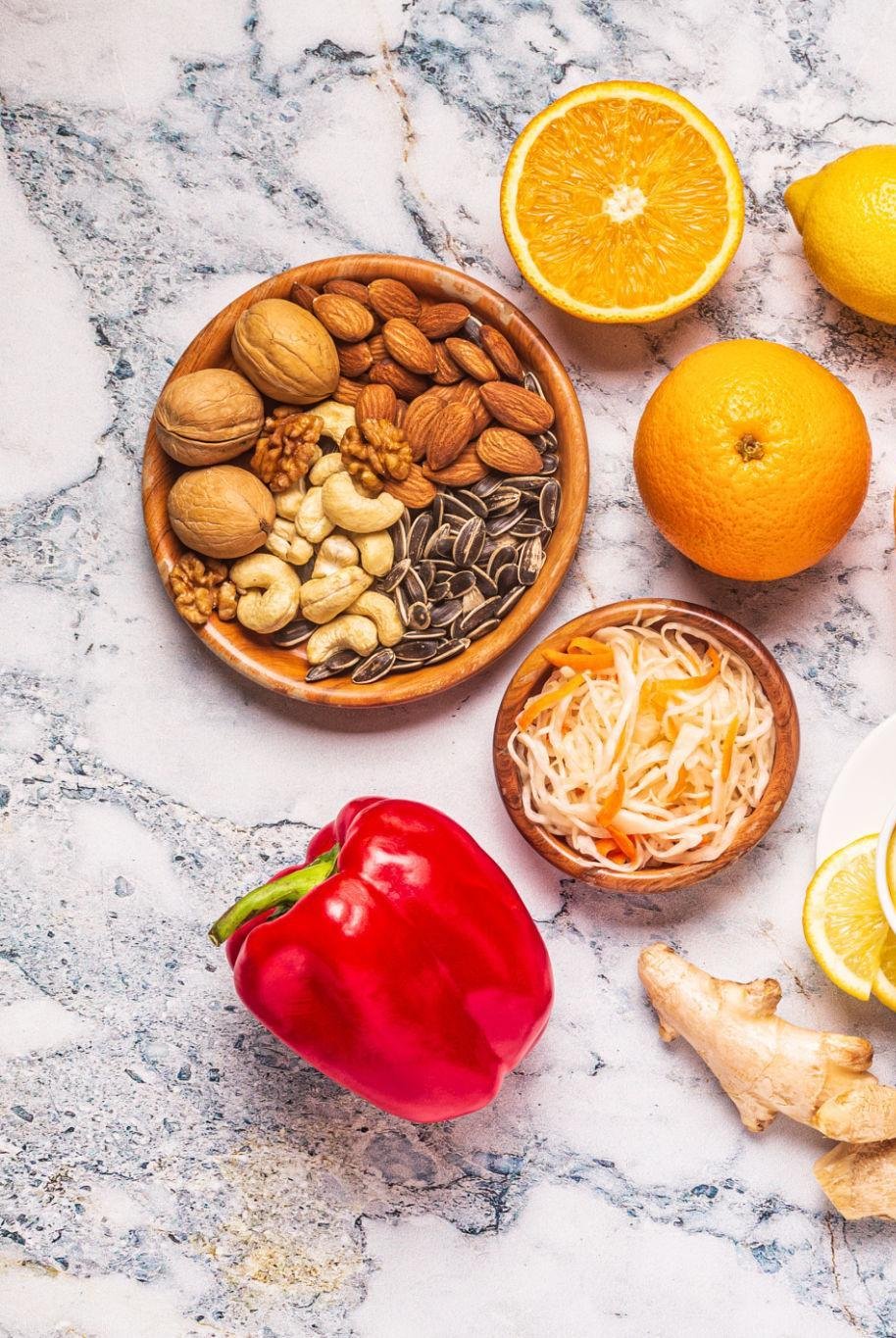
Benefits of Adding Nutrition for Physical Health to Your Daily Lifestyle
Incorporating proper nutrition into daily life provides both immediate and long-term health advantages. A nutrient-rich diet acts as fuel for the body and supports every physiological function.
Enhanced Daily Energy
Nutritious foods provide a steady release of energy, reducing tiredness and helping individuals remain productive throughout the day. Complex carbohydrates, proteins, and healthy fats work together to maintain stable energy levels.
Better Physical Fitness
People who consume balanced meals experience improved endurance, strength, flexibility, and exercise performance. Proper nutrition also helps muscles recover faster after physical activity.
Stronger Immune Defense
Daily intake of vitamins, minerals, antioxidants, and phytochemicals strengthens the immune system, reducing susceptibility to infections and illnesses.
Improved Mental Well-being
Nutrition influences neurotransmitter production, which affects mood, concentration, memory, and cognitive performance. Healthy eating habits are associated with lower levels of stress and anxiety.
Reduced Risk of Chronic Diseases
How Does Nutrition for Physical Health Improve Your Health?
Nutrition improves health through multiple biological mechanisms:
Cell Repair
The body continuously repairs damaged cells using nutrients from food.
Metabolism Support
Nutrients regulate metabolic processes responsible for energy production.
InflammationReduction
Antioxidants help reduce chronic inflammation linked to many diseases.
BloodSugar Control
Balanced meals help maintain stable glucose levels.
Cardiovascular Protection
Healthy foods support blood vessel function and heart health.
Hormone Regulation
Essential nutrients assist hormone synthesis and balance.
Immune Enhancement
Micronutrients strengthen immune cell activity.
Brain Function
Nutrition supports cognitive performance and neurological health.
Different Types of Nutrition for Physical Health Benefits
| Benefit Category | Key Nutrients | Health Benefits |
|---|---|---|
| CardiovascularHealth | Omega-3, Fiber, Potassium | Supports heart function and blood pressure |
| BoneHealth | Calcium, Vitamin D, Magnesium | Strong bones and reduced fracture risk |
| MuscleHealth | Protein, Amino Acids | Muscle growth and recovery |
| ImmuneHealth | Vitamin C, Zinc, Selenium | Improved disease resistance |
| BrainHealth | Omega-3, B Vitamins | Better memory and cognition |
| DigestiveHealth | Fiber, Probiotics | Healthy digestion and gut balance |
| WeightManagement | Protein, Fiber | Appetite control and metabolism support |
| SkinHealth | Vitamins A, C, E | Healthy skin and tissue repair |
| EyeHealth | Vitamin A, Lutein | Better vision and eye protection |
| MetabolicHealth | Whole Grains, Healthy Fats | Stable blood sugar and energy |
| HormonalHealth | Healthy Fats, Zinc | Hormone production and regulation |
How does Balanzing enhance Nutrition for Physical Health
The Balanzing approach maximizes Nutrition for Physical Health by encouraging consistent, mindful, and moderate consumption as part of a balanced lifestyle. This method enhances long-term benefits such as stronger immunity, improved digestive function, stable blood sugar levels, healthier skin, and sustained energy, while preventing overconsumption.
Which Seeds and Nuts Should I Eat Daily for Better Health ?
Eat almonds, walnuts, chia seeds, flaxseeds, pumpkin seeds, and sunflower seeds daily. They provide healthy fats, protein, fiber, and essential minerals that support heart health, brain function, energy, and overall physical wellbeing.
How Much Time Does It Take to See Health Benefits from Diet Changes?
It usually takes 2 to 4 weeks to notice small improvements like better digestion and energy after diet changes. More visible benefits such as weight control, improved immunity, and overall health may take 6 to 12 weeks, depending on consistency and food quality.
How to Make Healthy Salads and Bowls That Keep You Full ?
To make filling healthy salads and bowls, include a balance of protein (eggs, chicken, beans), fiber-rich vegetables, healthy fats (avocado, nuts, seeds), and complex carbs like quinoa or brown rice for long-lasting energy and fullness.
How to Get All Nutrients from Whole Foods Without Supplements
You can get all essential nutrients by eating a varied whole-food diet including fruits, vegetables, whole grains, legumes, nuts, seeds, dairy, and lean proteins. Eating diverse colors and food groups daily ensures balanced vitamins, minerals, and natural nourishment.
Which Foods Are High in Nutrients but Low in Calories ?
Leafy greens like spinach and kale, broccoli, cucumbers, zucchini, berries, carrots, and tomatoes are nutrient-dense but low in calories. They provide vitamins, minerals, fiber, antioxidants, and support weight management and overall health.
Are There Foods That Actually Help You Lose Weight Naturally ?
Yes, foods like leafy greens, berries, apples, oats, legumes, eggs, and lean proteins can support natural weight loss. They are high in fiber and protein, helping you feel full longer and reduce overeating.




Disclaimer
The information provided on this website is collected and compiled from publicly available sources for general informational purposes only.
## Nutrition for Physical Health: A Complete Guide to Better Energy, Strength, and Wellbeing Good **Nutrition for Physical Health** plays a central role in maintaining energy, improving immunity, supporting mental clarity, and enhancing overall body performance. What you eat daily directly affects how your body functions, heals, and performs. A well-balanced diet filled with essential nutrients ensures long-term wellness and reduces the risk of lifestyle-related diseases. In today’s fast-paced world, many people overlook the **Importance of proper hydration**, balanced meals, and nutrient-rich foods. However, building healthy eating habits is one of the most powerful steps toward achieving long-term physical fitness and vitality. --- ## Understanding Nutrition for Physical Health **Nutrition for Physical Health** refers to the intake of essential nutrients that support the body's growth, repair, and energy production. These nutrients include carbohydrates, proteins, fats, vitamins, minerals, and water. Each plays a unique role in maintaining body functions. A balanced nutritional plan ensures: * Proper energy levels throughout the day * Strong immune system * Healthy muscles and bones * Better digestion and metabolism * Faster recovery after physical activity Without proper nutrition, the body becomes weak, tired, and more vulnerable to illness. --- ## Importance of Proper Hydration The **Importance of proper hydration** cannot be ignored when discussing physical health. Water is essential for nearly every function in the human body. Hydration helps to: * Regulate body temperature * Improve digestion and nutrient absorption * Support joint lubrication * Enhance physical performance * Remove toxins from the body Even mild dehydration can lead to fatigue, headaches, and reduced concentration. Drinking enough water daily is a simple yet powerful habit for maintaining **Nutrition for Physical Health**. Experts recommend drinking water consistently throughout the day instead of waiting until you feel thirsty. Including water-rich foods like cucumbers, oranges, and watermelon can also support hydration levels. --- ## Healthy Meal Planning Guide Following a **Healthy meal planning guide** is essential for maintaining consistent and balanced nutrition. Meal planning helps you make better food choices, avoid junk food, and ensure your body gets all necessary nutrients. A good meal plan should include: * Balanced portions of carbohydrates, proteins, and healthy fats * Fresh fruits and vegetables * Whole grains instead of refined grains * Lean protein sources like eggs, fish, and legumes Meal planning also supports weight management and prevents overeating. When you plan your meals ahead, you are more likely to stick to healthy choices that support **Nutrition for Physical Health**. Practical tips for meal planning: * Prepare weekly menus in advance * Include variety in your diet * Avoid skipping meals * Keep healthy snacks available A structured approach to eating helps maintain energy levels throughout the day. --- ## Foods That Improve Stamina Eating the right foods can significantly enhance endurance and energy. **Foods that improve stamina** are rich in nutrients that support long-lasting energy release. Some excellent stamina-boosting foods include: * Bananas (rich in potassium and quick energy) * Oats (slow-releasing carbohydrates) * Nuts and seeds (healthy fats and protein) * Brown rice (complex carbohydrates for sustained energy) * Eggs (high-quality protein) These foods help stabilize blood sugar levels and prevent energy crashes. Including them regularly in your diet improves physical performance and endurance. Athletes and active individuals especially benefit from a diet rich in stamina-enhancing foods, as it supports muscle recovery and reduces fatigue. --- ## Essential Vitamins for Body Health The role of **Essential vitamins for body health** is critical in maintaining overall well-being. Vitamins help regulate bodily functions, strengthen immunity, and support organ health. Key vitamins include: * Vitamin A: Supports vision and immune function * Vitamin B-complex: Improves energy production and brain function * Vitamin C: Boosts immunity and skin health * Vitamin D: Strengthens bones and supports calcium absorption * Vitamin E: Acts as an antioxidant protecting cells A deficiency in essential vitamins can lead to fatigue, weak immunity, and poor physical performance. Including a variety of fruits, vegetables, dairy products, and whole foods ensures proper vitamin intake. --- ## Nutrient-Dense Foods for Better Health For effective **Nutrition for Physical Health**, focusing on nutrient-dense foods is important. These foods provide maximum nutrients with minimal calories. Examples include: * Leafy green vegetables like spinach and kale * Berries rich in antioxidants * Lentils and beans * Fish rich in omega-3 fatty acids * Whole grains like quinoa and brown rice Nutrient-dense foods improve metabolism, support weight control, and promote long-term health benefits. --- ## Foods That Improve Stamina and Energy Levels Along with vitamins and minerals, energy-rich foods are essential for maintaining stamina throughout the day. **Foods that improve stamina** not only boost physical strength but also support mental focus. Including complex carbohydrates, lean proteins, and healthy fats ensures steady energy release. Avoiding processed sugar helps prevent energy crashes. A balanced diet with stamina-boosting foods is essential for students, professionals, and athletes who require consistent performance. --- ## Importance of Balanced Diet in Physical Health A balanced diet is the foundation of strong **Nutrition for Physical Health**. It ensures that your body receives all nutrients in the right proportions. Benefits of a balanced diet include: * Improved immune system * Better muscle development * Healthy weight management * Enhanced brain function * Reduced risk of chronic diseases Eating a variety of foods ensures that no nutrient is missed, supporting overall health and wellness. --- ## Role of Hydration in Physical Performance Reinforcing the **Importance of proper hydration**, water is directly linked to physical performance. Muscles are made up of a large percentage of water, and dehydration can significantly reduce strength and endurance. Proper hydration improves: * Oxygen flow in the body * Muscle flexibility * Joint health * Recovery after exercise Staying hydrated before, during, and after physical activity is crucial for optimal performance. --- ## Healthy Eating Habits for Long-Term Wellness Developing healthy eating habits is essential for sustainable **Nutrition for Physical Health**. Consistency is more important than short-term dieting. Good habits include: * Eating at regular intervals * Choosing whole foods over processed foods * Controlling portion sizes * Avoiding excessive sugar and salt Over time, these habits improve metabolism and overall energy levels. --- ## Conclusion Maintaining strong **Nutrition for Physical Health** is essential for living an active, energetic, and disease-free life. By focusing on the **Importance of proper hydration**, following a **Healthy meal planning guide**, and consuming **foods that improve stamina**, you can significantly improve your physical and mental wellbeing. Additionally, ensuring intake of **Essential vitamins for body health** strengthens immunity and supports long-term vitality. A balanced diet, proper hydration, and mindful eating together create a powerful foundation for lifelong health. Good nutrition is not just a diet choice—it is a lifestyle that shapes your energy, performance, and overall quality of life. ## Nourish Naturally with Balanzing: A Complete Guide to Healthy, Balanced Living In today’s fast-moving lifestyle, maintaining health is no longer just about eating food—it is about choosing the right kind of nourishment that supports both body and mind. This is where the concept of **Balanzing** becomes important. It represents a mindful approach to nutrition, lifestyle, and overall wellbeing that focuses on harmony, quality, and natural balance. ### Nourish Naturally with Balanzing **Nourish Naturally with Balanzing** is more than a phrase—it is a lifestyle direction that encourages people to reconnect with natural, wholesome nutrition. Instead of relying on heavily processed or artificial foods, Balanzing emphasizes clean, carefully selected ingredients that support long-term health. The idea is simple: when your body receives natural nourishment, it performs better, feels lighter, and stays more energetic throughout the day. This approach focuses on purity, freshness, and nutritional integrity in everyday consumption. Balanzing promotes a lifestyle where food is not just eaten for taste, but for its ability to support strength, immunity, and emotional wellbeing. --- ## Understanding the Concept of Balanzing **Balanzing** is built on the idea of maintaining harmony between nutrition, taste, and health. It is not a strict diet or restrictive eating pattern. Instead, it is a flexible and sustainable way of living that helps individuals make better food choices naturally. The core principle of Balanzing includes: * Choosing nutrient-rich foods * Avoiding excessive processed ingredients * Maintaining portion control * Supporting natural energy levels * Encouraging long-term wellness habits By following Balanzing principles, individuals can create a healthier relationship with food without feeling restricted or overwhelmed. --- ## Healthy Intake 😃 – The Foundation of Balanzing A key part of this lifestyle is **Healthy intake 😃**, which focuses on consuming food that truly nourishes the body. Healthy intake is not about eating less—it is about eating right. A **Healthy intake 😃** includes: * Fresh fruits and vegetables * Whole grains and natural carbohydrates * Lean proteins such as fish, eggs, and legumes * Healthy fats from nuts, seeds, and natural oils * Adequate hydration throughout the day When combined with Balanzing principles, Healthy intake 😃 ensures that the body receives all essential nutrients in a balanced way. This approach improves digestion, boosts energy levels, and supports mental clarity, making everyday life more active and productive. --- ## Balanzed Living: A Lifestyle of Harmony **Balanzed living** is the practical application of the Balanzing philosophy. It focuses on maintaining equilibrium in diet, lifestyle, and mindset. A Balanzed living approach helps individuals avoid extremes—neither overeating nor undernourishing the body. Key elements of Balanzed living include: ### 1. Balanced Nutrition Eating a combination of proteins, carbohydrates, fats, vitamins, and minerals in appropriate proportions is essential for maintaining energy and strength. ### 2. Mindful Eating Being aware of what you eat, how you eat, and when you eat plays a significant role in digestion and satisfaction. ### 3. Active Lifestyle Physical activity supports metabolic balance and enhances the effects of good nutrition. ### 4. Mental Wellbeing Stress management and emotional balance are also part of Balanzed living, as mental health directly impacts eating habits. Balanzed living ensures that health is not just physical but also emotional and mental. --- ## Why Balanzing Matters in Modern Life Modern lifestyles are often filled with fast food, irregular eating habits, and processed meals. This leads to nutritional imbalance and long-term health issues. Balanzing provides a solution by encouraging a return to natural, mindful eating. Some key benefits of adopting Balanzing include: * Improved digestion and gut health * Stable energy levels throughout the day * Better immunity and disease resistance * Healthy weight management * Enhanced focus and mental clarity By practicing Balanzing, individuals can reduce dependency on unhealthy food patterns and develop sustainable wellness habits. --- ## Quality and Purity in Balanzing Lifestyle One of the most important aspects of Balanzing is product selection. Every food choice should support health, purity, and long-term wellbeing. Because of this, quality becomes a priority over quantity. Fresh ingredients, minimally processed foods, and naturally sourced products are preferred in a Balanzing lifestyle. This ensures that the body receives clean nutrition without unnecessary additives or harmful preservatives. --- ## “Because We Care” Philosophy in Balanzing At the heart of Balanzing is a strong commitment to care and responsibility. The philosophy states: **“Because we care about your health, taste, and overall wellbeing, every product is carefully selected for purity, quality, and supporting a naturally balancing lifestyle.”** This reflects the true intention behind Balanzing—ensuring that every choice contributes positively to health and happiness. It is not just about food selection but about building trust in what you consume. --- ## Benefits of Following a Balanzing Lifestyle Adopting Balanzing in daily life offers several long-term advantages: ### Physical Benefits * Improved digestion and metabolism * Increased stamina and energy * Better immune system function * Reduced risk of lifestyle diseases ### Mental Benefits * Enhanced focus and concentration * Reduced stress and anxiety * Improved mood stability ### Lifestyle Benefits * Better eating habits * More disciplined routine * Long-term wellness sustainability Balanzing helps create a strong foundation for overall well-being by integrating health into everyday decisions. --- ## How to Practice Balanzing Daily Incorporating Balanzing into daily life is simple and practical. It does not require extreme changes but rather consistent small steps. Here are some easy ways: * Start your day with a nutritious breakfast * Include fruits and vegetables in every meal * Drink enough water throughout the day * Avoid skipping meals * Choose natural foods over processed alternatives * Maintain portion control Over time, these habits naturally become part of your routine, leading to a healthier lifestyle. --- ## Balanzing and Emotional Wellbeing Food is closely linked to emotions. Stress, fatigue, and emotional imbalance often lead to unhealthy eating habits. Balanzing helps regulate this by encouraging mindful and balanced food choices. When you follow **Balanzed living**, you become more aware of your body’s needs and avoid emotional eating patterns. This leads to a more stable and positive relationship with food. --- ## The Future of Healthy Living with Balanzing As awareness about health increases, more people are moving toward natural and balanced lifestyles. Balanzing represents this shift toward conscious eating and sustainable wellness. It is not just a trend but a long-term approach to living healthier, feeling better, and making mindful choices every day. By embracing Balanzing, individuals can build a future where health, taste, and wellbeing exist in harmony. --- ## Conclusion **Balanzing** is a powerful approach to modern wellness that combines nutrition, lifestyle, and mindfulness. Through **Nourish Naturally with Balanzing**, individuals are encouraged to choose purity, quality, and balance in their daily lives. With **Healthy intake 😃**, the body receives essential nourishment, while **Balanzed living** ensures harmony between physical and mental wellbeing. Ultimately, Balanzing is about living a life where health is natural, food is meaningful, and wellbeing is a priority. Why Balanzing Matters in Modern Life Modern lifestyles are often filled with fast food, irregular eating habits, and processed meals. This leads to nutritional imbalance and long-term health issues. Balanzing provides a solution by encouraging a return to natural, mindful eating. Some key benefits of adopting Balanzing include: Improved digestion and gut health Stable energy levels throughout the day Better immunity and disease resistance Healthy weight management Enhanced focus and mental clarity By practicing Balanzing, individuals can reduce dependency on unhealthy food patterns and develop sustainable wellness habits. Quality and Purity in Balanzing Lifestyle One of the most important aspects of Balanzing is product selection. Every food choice should support health, purity, and long-term wellbeing. Because of this, quality becomes a priority over quantity. Fresh ingredients, minimally processed foods, and naturally sourced products are preferred in a Balanzing lifestyle. This ensures that the body receives clean nutrition without unnecessary additives or harmful preservatives. “Because We Care” Philosophy in Balanzing At the heart of Balanzing is a strong commitment to care and responsibility. The philosophy states: “Because we care about your health, taste, and overall wellbeing, every product is carefully selected for purity, quality, and supporting a naturally balancing lifestyle.” This reflects the true intention behind Balanzing—ensuring that every choice contributes positively to health and happiness. It is not just about food selection but about building trust in what you consume. Benefits of Following a Balanzing Lifestyle Adopting Balanzing in daily life offers several long-term advantages: Physical Benefits Improved digestion and metabolism Increased stamina and energy Better immune system function Reduced risk of lifestyle diseases Mental Benefits Enhanced focus and concentration Reduced stress and anxiety Improved mood stability Lifestyle Benefits Better eating habits More disciplined routine Long-term wellness sustainability Balanzing helps create a strong foundation for overall well-being by integrating health into everyday decisions. Benefits of Following a Balanzing Lifestyle Adopting Balanzing in daily life offers several long-term advantages: Physical Benefits Improved digestion and metabolism Increased stamina and energy Better immune system function Reduced risk of lifestyle diseases Mental Benefits Enhanced focus and concentration Reduced stress and anxiety Improved mood stability Lifestyle Benefits Better eating habits More disciplined routine Long-term wellness sustainability Balanzing helps create a strong foundation for overall well-being by integrating health into everyday decisions. How to Practice Balanzing Daily Incorporating Balanzing into daily life is simple and practical. It does not require extreme changes but rather consistent small steps. Here are some easy ways: Start your day with a nutritious breakfast Include fruits and vegetables in every meal Drink enough water throughout the day Avoid skipping meals Choose natural foods over processed alternatives Maintain portion control Over time, these habits naturally become part of your routine, leading to a healthier lifestyle.
Leave a Reply Cancel reply
Comments
Table of Contents
Toggle
As a wholesaler, I truly appreciate the Nutrition for Physical Health approach and the quality focus of your brand. The balanced concept and clean formulation make it ideal for bulk supply, and Balanzing clearly reflects a strong commitment to health, taste, and overall wellbeing. Looking forward to long-term collaboration with your company.