
Healthy Diet for Middle Age
A healthy parenting lifestyle is the practice of creating a nurturing environment that supports the physical, emotional, social, and mental well-being of children. Parents play a crucial role in shaping healthy habits, encouraging physical activity, promoting balanced nutrition, and supporting emotional development.
Importance of Healthy Diet for Middle Age
-
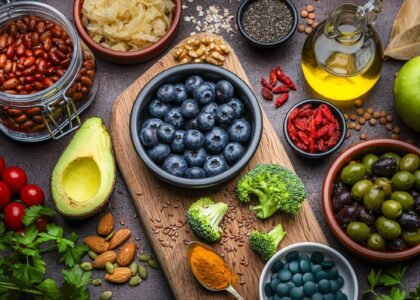
A balanced diet during middle age should include:
- Whole Grains
- Fresh Fruits
- Vegetables
- Lean Protein
- Healthy Fats
- Nuts and Seeds
- Low-Fat Dairy
- Adequate Water Intake

Medical Values of a Healthy Diet and Disease Prevention
A nutritious diet provides essential nutrients required for maintaining optimal bodily functions and preventing disease.
Important Medical Values
| Nutrient | Medical Value | Health Benefits |
|---|---|---|
| Protein | Muscle maintenance and repair | Prevents muscle loss (#SarcopeniaPrevention) |
| Fiber | Digestive health | Prevents constipation and supports gut health (#GutHealth) |
| Calcium | Bone strength | Reduces osteoporosis risk (#BoneHealth) |
| Vitamin D | Calcium absorption | Improves bone density (#VitaminD) |
| Omega-3 Fatty Acids | Heart and brain health | Reduces inflammation (#HeartHealth) |
| Antioxidants | Cell protection | Reduces aging effects (#AntiAging) |
| Potassium | Blood pressure regulation | Supports cardiovascular health (#BloodPressureControl) |
| Magnesium | Nerve and muscle function | Supports metabolism (#MetabolicHealth) |
Healthy Diet for Middle Age Health Benefits
1. Supports Heart Health
Foods rich in fiber, omega-3 fatty acids, and antioxidants help:
- Lower LDL (bad cholesterol)
- Improve blood circulation
- Reduce blood pressure
- Prevent heart attacks and strokes
2. Maintains Healthy Weight
A balanced diet:
- Controls calorie intake
- Improves metabolism
- Reduces abdominal fat
- Prevents obesity-related complications
3. Preserves Muscle Mass
Adequate protein consumption helps:
- Maintain lean muscle tissue
- Improve mobility
- Reduce age-related muscle loss
4. Improves Bone Health
Calcium-rich foods and Vitamin D help:
- Increase bone density
- Prevent fractures
- Reduce osteoporosis risk
5. Enhances Brain Function
Nutrients such as omega-3s and antioxidants:
- Improve memory
- Enhance concentration
- Lower risk of cognitive decline
6. Strengthens Immune System
A nutrient-rich diet:
- Improves infection resistance
- Supports faster recovery
- Enhances immune response
Benefits of Adding Healthy Diet for Middle Age to Your Daily Diet
Easy Home Workout Routine
Warm-Up (5 Minutes)
- Arm circles
- Jumping jacks
- Marching in place
Cardio (10 Minutes)
- Running in place
- Skipping
- Dancing
Strength Training (10 Minutes)
| Exercise | Benefits |
|---|---|
| Squats | Leg strength |
| Wall Push-ups | Upper body strength |
| Lunges | Balance and coordination |
| Plank | Core stability |
| Step-Ups | Endurance |
Flexibility (5 Minutes)
- Toe touches
- Side stretches
- Shoulder stretches
Cool Down
- Deep breathing
- Gentle yoga stretches
How Does Healthy Diet for Middle Age Improve Your Health?
Cardiovascular Improvement
Healthy eating reduces cholesterol buildup and improves blood vessel function.
Blood Sugar Control
Complex carbohydrates and fiber help regulate blood glucose levels and reduce insulin resistance.
Improved Metabolism
Balanced nutrition supports efficient calorie burning and nutrient utilization.
Enhanced Organ Function
The liver, kidneys, brain, heart, and digestive system perform more efficiently when supplied with essential nutrients.
Reduced Inflammation
Anti-inflammatory foods decrease chronic inflammation, which is associated with many age-related diseases.
Better Physical Performance
Adequate protein and nutrient intake support strength, endurance, and mobility.
Stronger Immune Defense
Vitamins A, C, D, E, zinc, and selenium help protect the body against infections.
Healthy Aging
Proper nutrition slows cellular aging and supports longevity.
What Are the Different Types of Healthy Diet for Middle Age Health Benefits?
| Benefit Category | Major Nutrients | Key Health Benefits |
|---|---|---|
| HeartHealth | Omega-3, Fiber | Lower cholesterol and blood pressure |
| BoneHealth | Calcium, Vitamin D | Strong bones and reduced fracture risk |
| BrainHealth | Omega-3, Antioxidants | Better memory and cognitive function |
| WeightManagement | Protein, Fiber | Appetite control and healthy weight |
| DigestiveHealth | Fiber, Probiotics | Better gut health and digestion |
| ImmuneSupport | Vitamins A, C, D, Zinc | Improved immunity |
| MuscleHealth | Protein, Magnesium | Muscle maintenance and strength |
| JointHealth | Omega-3, Antioxidants | Reduced inflammation and pain |
| SkinHealth | Vitamins E, C, Healthy Fats | Healthy skin and anti-aging benefits |
| MetabolicHealth | Whole Grains, Protein | Better metabolism and blood sugar control |
| HormonalHealth | Healthy Fats, Micronutrients | Balanced hormone production |
| Longevity | Balanced Nutrition | Increased lifespan and healthy aging |
How does the Balanzing approach support a Healthy Diet for Middle Age and improve nutrient absorption?
The Balanzing approach maximizes Healthy Diet for Middle Age by encouraging consistent, mindful, and moderate consumption as part of a balanced lifestyle. By following Balanzing principles, individuals consume Healthy Diet for Middle Age in proper portions and at appropriate times, ensuring that the body efficiently absorbs and utilizes its nutrients.
Best Foods to Stay Full and Avoid Junk Food Cravings ?
At Balanzing, a Healthy Diet for Middle Age includes fiber-rich foods, protein, and healthy fats like fruits, vegetables, nuts, and whole grains to stay full and reduce cravings.
How to improve heart health through diet after 40?
At Balanzing, we believe heart health after 40 can be improved through a balanced, nutrient-rich diet. Include fiber-rich foods like fruits, vegetables, and whole grains, along with healthy fats from nuts, seeds, and omega-3-rich fish. Limit processed foods, sugar, salt, and unhealthy fats to support better cholesterol and blood pressure levels. Staying hydrated and practicing portion control also help maintain strong cardiovascular health and overall wellbeing.
How does Balanzing help in maintaining a Healthy Diet for Middle Age?
At Balanzing, we promote a Healthy Diet for Middle Age by encouraging balanced portions, mindful eating, and nutrient-rich food choices for better health.
How does a Healthy Diet for Middle Age help prevent diseases?
A Healthy Diet for Middle Age strengthens immunity, controls blood sugar, and reduces risks of obesity, diabetes, and heart-related conditions.
How does Balanzing support portion control in a Healthy Diet for Middle Age?
Balanzing encourages proper portion sizes and balanced meals, which help maintain a Healthy Diet for Middle Age effectively.
Can You Reverse Heart Disease With Diet Alone?
Diet alone cannot fully reverse heart disease. However, at Balanzing, a Healthy Diet for Middle Age can improve heart health, reduce risks, and support recovery.



Disclaimer
The information provided on this website is collected and compiled from publicly available sources for general informational purposes only.
# Healthy Diet for Middle Age – A Complete Guide to Better Health and Aging Well ## Introduction A **Healthy diet for middle age** is essential for maintaining energy, preventing chronic diseases, and supporting long-term wellbeing. As the body ages, nutritional needs change, making it important to focus on balanced and mindful eating habits. Choosing the right foods can significantly improve physical health, mental clarity, and overall quality of life. This guide explains how a proper diet supports aging adults, its benefits, key factors, and why it is important to follow structured nutrition habits during middle age. Heart Healthy Diet for Older Adults A Heart healthy diet for older adults is crucial for preventing cardiovascular diseases, which are common in aging individuals. Benefits include: Lower cholesterol levels Improved blood circulation Reduced risk of heart attacks and strokes Better blood pressure control Recommended foods: Omega-3 rich fish Nuts and seeds Leafy green vegetables Whole grains A heart-friendly diet supports long-term cardiovascular wellness. Best Diet for Middle Age Health Benefits The Best diet for middle age health benefits focuses on preventing chronic illnesses and improving body performance. Key benefits: Maintains healthy weight Supports bone strength Improves digestion and metabolism Enhances immunity A nutrient-rich diet during middle age ensures the body stays active and resilient against health challenges. ## Why Healthy Diet for Middle Age Matters A **Healthy diet for middle age** plays a major role in preventing lifestyle-related diseases and supporting overall body function. During this stage of life, metabolism slows down, muscle mass reduces, and the risk of health issues increases. A proper diet helps to: * Maintain energy levels throughout the day * Support organ function * Prevent age-related diseases * Improve mental and physical performance --- ## Balanced Diet for Aging Adults A **Balanced diet for aging adults** includes the right mix of carbohydrates, proteins, fats, vitamins, and minerals. It ensures the body receives all essential nutrients required for healthy functioning. ### Key components include: * Whole grains for energy * Fresh fruits and vegetables for vitamins and antioxidants * Lean proteins for muscle strength * Healthy fats for brain and heart health A balanced approach helps maintain stability in weight, immunity, and overall wellbeing. --- ## Heart Healthy Diet for Older Adults A **Heart healthy diet for older adults** is crucial for preventing cardiovascular diseases, which are common in aging individuals. ### Benefits include: * Lower cholesterol levels * Improved blood circulation * Reduced risk of heart attacks and strokes * Better blood pressure control ### Recommended foods: * Omega-3 rich fish * Nuts and seeds * Leafy green vegetables * Whole grains A heart-friendly diet supports long-term cardiovascular wellness. --- ## Best Diet for Middle Age Health Benefits The **Best diet for middle age health benefits** focuses on preventing chronic illnesses and improving body performance. ### Key benefits: * Maintains healthy weight * Supports bone strength * Improves digestion and metabolism * Enhances immunity A nutrient-rich diet during middle age ensures the body stays active and resilient against health challenges. --- ## Anti-Aging Diet and Nutrition Tips An **Anti-aging diet and nutrition tips** approach focuses on slowing down cellular aging and promoting longevity. ### Important nutrition tips: * Include antioxidant-rich foods like berries and green vegetables * Drink enough water daily * Reduce processed and sugary foods * Maintain portion control ### Benefits: * Reduces inflammation * Improves skin health * Enhances energy levels * Supports healthy aging process --- ## Factors That Affect Middle Age Health Several factors influence how effective a **Healthy diet for middle age** can be: * Lifestyle and physical activity * Stress levels * Sleep quality * Genetic factors * Food choices and eating habits Managing these factors improves the effectiveness of a healthy diet. --- ## Medical Value of Healthy Diet and Disease Prevention A proper diet in middle age plays a key role in disease prevention. ### It helps in: * Controlling blood sugar levels * Reducing cholesterol buildup * Preventing obesity-related conditions * Supporting liver, kidney, and heart function * Lowering risk of chronic diseases Nutrition is one of the most powerful tools for preventive healthcare. --- ## Benefits of Healthy Diet for Middle Age A consistent **Healthy diet for middle age** provides multiple long-term benefits: * Improved heart health * Better weight management * Stronger muscles and bones * Enhanced brain function * Strong immune system * Reduced inflammation * Improved metabolism These benefits contribute to a healthier and more active lifestyle. --- ## Who Supports Healthy Eating in Middle Age A **Healthy diet for middle age** is supported by: * Nutritionists and dietitians * Healthcare professionals * Wellness experts * Medical research organizations These experts recommend balanced nutrition as the foundation of healthy aging. Heart Healthy Diet for Older Adults A Heart healthy diet for older adults is crucial for preventing cardiovascular diseases, which are common in aging individuals. Benefits include: Lower cholesterol levels Improved blood circulation Reduced risk of heart attacks and strokes Better blood pressure control Recommended foods: Omega-3 rich fish Nuts and seeds Leafy green vegetables Whole grains A heart-friendly diet supports long-term cardiovascular wellness. Best Diet for Middle Age Health Benefits The Best diet for middle age health benefits focuses on preventing chronic illnesses and improving body performance. Key benefits: Maintains healthy weight Supports bone strength Improves digestion and metabolism Enhances immunity A nutrient-rich diet during middle age ensures the body stays active and resilient against health challenges. ## Importance of Long-Term Healthy Eating Habits Healthy eating is not a short-term change but a long-term commitment. Following a **Balanced diet for aging adults** helps maintain independence, vitality, and overall wellbeing. Consistency in diet leads to: * Better quality of life * Reduced dependency on medication * Improved mental clarity * Greater physical strength ---Heart Healthy Diet for Older Adults A Heart healthy diet for older adults is crucial for preventing cardiovascular diseases, which are common in aging individuals. Benefits include: Lower cholesterol levels Improved blood circulation Reduced risk of heart attacks and strokes Better blood pressure control Recommended foods: Omega-3 rich fish Nuts and seeds Leafy green vegetables Whole grains A heart-friendly diet supports long-term cardiovascular wellness. Best Diet for Middle Age Health Benefits The Best diet for middle age health benefits focuses on preventing chronic illnesses and improving body performance. Key benefits: Maintains healthy weight Supports bone strength Improves digestion and metabolism Enhances immunity A nutrient-rich diet during middle age ensures the body stays active and resilient against health challenges. ## Conclusion A **Healthy diet for middle age** is essential for maintaining good health, preventing diseases, and supporting active aging. Whether it is a **Balanced diet for aging adults**, a **Heart healthy diet for older adults**, or following **Anti-aging diet and nutrition tips**, proper nutrition plays a vital role in overall wellbeing. By making mindful food choices and following structured eating habits, individuals can enjoy better health, longer life, and improved quality of living. # **Nourish Naturally with Balanzing – A Better Way to Shop for Everyday Wellness** In today's fast-paced world, maintaining a healthy and balanced lifestyle can be challenging. Busy schedules, processed food options, and the constant demands of daily life often make it difficult to focus on personal wellbeing. This is where **Balanzing** comes in—a trusted e-commerce destination designed for individuals and families who value quality, mindful choices, and a healthier way of living. At Balanzing, we believe that wellness begins with the choices we make every day. From the foods we consume to the products we bring into our homes, every decision plays a role in shaping our overall lifestyle. Our goal is to make those choices easier by providing carefully selected products that align with a thoughtful and balanced approach to everyday living. ## **Nourish Naturally with Balanzing** The philosophy behind Balanzing is simple: nourish naturally and live better. We understand that consumers today are looking for products they can trust. They want transparency, quality, and value without compromising on taste or convenience. That is why every item available through our platform undergoes careful selection. We prioritize quality, purity, and consistency to ensure customers receive products that meet high standards. Whether you are looking for pantry essentials, nutritious ingredients, or lifestyle products that complement your daily routine, Balanzing aims to provide choices that fit seamlessly into modern living. Our commitment goes beyond selling products. We strive to inspire healthier habits and encourage a more conscious approach to consumption. By focusing on carefully curated selections, we help customers make informed decisions that contribute positively to their daily lives. ## **Healthy Intake, Better Living** The phrase **"Healthy Intake"** represents more than what we eat. It reflects the importance of choosing quality products that support a wholesome lifestyle. Every purchase has the potential to influence energy levels, daily routines, and overall satisfaction. Balanzing believes that healthier choices should be accessible and enjoyable. Rather than promoting extreme restrictions or complicated routines, we focus on practical solutions that fit naturally into everyday life. A balanced lifestyle often starts with small, consistent improvements. Simple decisions such as choosing high-quality ingredients, maintaining mindful habits, and selecting products that align with personal goals can create meaningful changes over time. Our platform is designed to support these positive decisions by offering products that customers can confidently incorporate into their routines. ## **The Meaning of Balanzed Living** At the heart of our brand is the concept of **Balanzed Living**. This idea recognizes that true wellbeing is about balance rather than perfection. Modern life requires flexibility, and maintaining harmony between work, family, personal interests, and self-care is essential. Balanzed Living encourages individuals to find sustainable habits that support long-term happiness and fulfillment. It is not about following trends or unrealistic standards. Instead, it focuses on making thoughtful choices that contribute to a healthier and more enjoyable lifestyle. Balanzing embraces this philosophy by offering products that complement daily routines and support a more intentional way of living. We believe that when people feel balanced, they are better equipped to enjoy life's experiences and achieve their goals. ## **Why Quality Matters** Quality is one of the most important values at Balanzing. In a marketplace filled with endless options, consumers deserve products they can trust. That is why we prioritize sourcing items that meet strict quality expectations. Every product is selected with attention to detail. We evaluate factors such as sourcing, production standards, consistency, and overall value. This careful approach helps ensure that customers receive products that align with our commitment to excellence. By maintaining a strong focus on quality, Balanzing helps customers shop with confidence. Our goal is to eliminate uncertainty and provide a reliable experience that encourages trust and satisfaction. ## **A Customer-First Shopping Experience** Shopping should be simple, enjoyable, and stress-free. Balanzing is designed with the customer experience in mind, making it easy to explore products, learn about their benefits, and make informed purchasing decisions. We understand that convenience is an important part of modern e-commerce. Our platform is organized to help users find what they need quickly while still enjoying a pleasant browsing experience. Clear product information, user-friendly navigation, and responsive support all contribute to a seamless shopping journey. Our customer-first approach extends beyond transactions. We value long-term relationships and continuously work to improve our offerings based on customer feedback and evolving needs. ## **Supporting Mindful Choices** Mindful living involves paying attention to the decisions we make and understanding how they affect our daily lives. Balanzing encourages customers to adopt a thoughtful approach to shopping by choosing products that align with their values and goals. Rather than focusing solely on trends, we emphasize practicality, usefulness, and long-term value. This helps customers create sustainable habits and avoid unnecessary purchases. Mindful choices often lead to greater satisfaction because they are based on genuine needs rather than impulse decisions. Balanzing supports this philosophy by offering products that serve meaningful purposes and contribute to a more balanced lifestyle. ## **Building Trust Through Transparency** Trust is the foundation of every successful relationship, including the relationship between a brand and its customers. Balanzing is committed to maintaining transparency in every aspect of our business. We believe customers should have access to clear and accurate information when making purchasing decisions. By providing detailed product descriptions and maintaining high standards, we aim to build confidence and strengthen trust. This commitment to transparency reflects our dedication to serving customers with honesty and integrity. ## **A Platform for Modern Lifestyles** Today's consumers have diverse needs and expectations. They seek convenience without sacrificing quality and value products that fit into their unique lifestyles. Balanzing is designed to meet these expectations by offering carefully selected products that complement modern living. Whether customers are focused on personal wellbeing, family needs, or creating healthier daily routines, our platform provides solutions that align with their goals. We continuously evaluate new opportunities and product categories to ensure we remain relevant and responsive to changing customer preferences. ## **Looking Toward the Future** As we continue to grow, Balanzing remains committed to its core mission: helping people make better choices for everyday living. We are constantly exploring ways to enhance our platform, expand our offerings, and improve the overall customer experience. Innovation, quality, and customer satisfaction will continue to guide our journey. By staying true to our values, we aim to become a trusted destination for individuals seeking products that support a more mindful and balanced lifestyle. ## **Conclusion** Balanzing is more than an e-commerce website—it is a platform built around the belief that small, thoughtful choices can lead to meaningful improvements in everyday life. Through carefully selected products, a commitment to quality, and a focus on balanced living, we strive to help customers make decisions that support their personal goals and wellbeing. **Nourish Naturally with Balanzing. Healthy Intake. Balanzed Living.** Because we care about your health, taste, and overall wellbeing, every product is carefully selected for purity, quality, and supporting a naturally balanced lifestyle. With Balanzing, every choice is an opportunity to live better, feel better, and enjoy a more fulfilling way of life. The Meaning of Balanzed Living At the heart of our brand is the concept of Balanzed Living. This idea recognizes that true wellbeing is about balance rather than perfection. Modern life requires flexibility, and maintaining harmony between work, family, personal interests, and self-care is essential. Balanzed Living encourages individuals to find sustainable habits that support long-term happiness and fulfillment. It is not about following trends or unrealistic standards. Instead, it focuses on making thoughtful choices that contribute to a healthier and more enjoyable lifestyle. Balanzing embraces this philosophy by offering products that complement daily routines and support a more intentional way of living. We believe that when people feel balanced, they are better equipped to enjoy life's experiences and achieve their goals. Why Quality Matters Quality is one of the most important values at Balanzing. In a marketplace filled with endless options, consumers deserve products they can trust. That is why we prioritize sourcing items that meet strict quality expectations. Every product is selected with attention to detail. We evaluate factors such as sourcing, production standards, consistency, and overall value. This careful approach helps ensure that customers receive products that align with our commitment to excellence. By maintaining a strong focus on quality, Balanzing helps customers shop with confidence. Our goal is to eliminate uncertainty and provide a reliable experience that encourages trust and satisfaction. A Customer-First Shopping Experience Shopping should be simple, enjoyable, and stress-free. Balanzing is designed with the customer experience in mind, making it easy to explore products, learn about their benefits, and make informed purchasing decisions. We understand that convenience is an important part of modern e-commerce. Our platform is organized to help users find what they need quickly while still enjoying a pleasant browsing experience. Clear product information, user-friendly navigation, and responsive support all contribute to a seamless shopping journey. Our customer-first approach extends beyond transactions. We value long-term relationships and continuously work to improve our offerings based on customer feedback and evolving needs. Supporting Mindful Choices Mindful living involves paying attention to the decisions we make and understanding how they affect our daily lives. Balanzing encourages customers to adopt a thoughtful approach to shopping by choosing products that align with their values and goals. Rather than focusing solely on trends, we emphasize practicality, usefulness, and long-term value. This helps customers create sustainable habits and avoid unnecessary purchases. Mindful choices often lead to greater satisfaction because they are based on genuine needs rather than impulse decisions. Balanzing supports this philosophy by offering products that serve meaningful purposes and contribute to a more balanced lifestyle.
Leave a Reply Cancel reply
Comments
Table of Contents
Toggle
I found the Healthy Diet for Middle Age guide from Balanzing very helpful for improving heart health, nutrition, and overall lifestyle choices.