Healthy intake 😃 Balanzed living

High Blood Pressure (Hypertension)

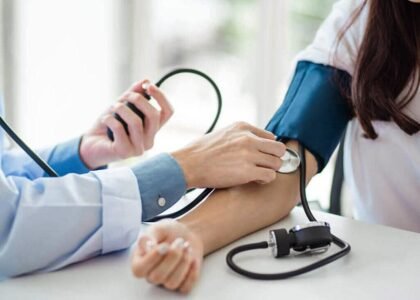
High blood pressure, also known as hypertension, is one of the most common health conditions affecting adults worldwide. Often called the "silent condition," hypertension may develop without noticeable symptoms while gradually affecting important organs such as the heart, brain, kidneys, and blood vessels.

Introduction

Blood pressure is the force exerted by circulating blood against the walls of the arteries. When this pressure remains consistently higher than normal over time, it is referred to as hypertension. Maintaining healthy blood pressure is essential for ensuring that oxygen and nutrients are efficiently delivered throughout the body. This guide shows the importance of controlling high blood pressure.
High Blood Pressure

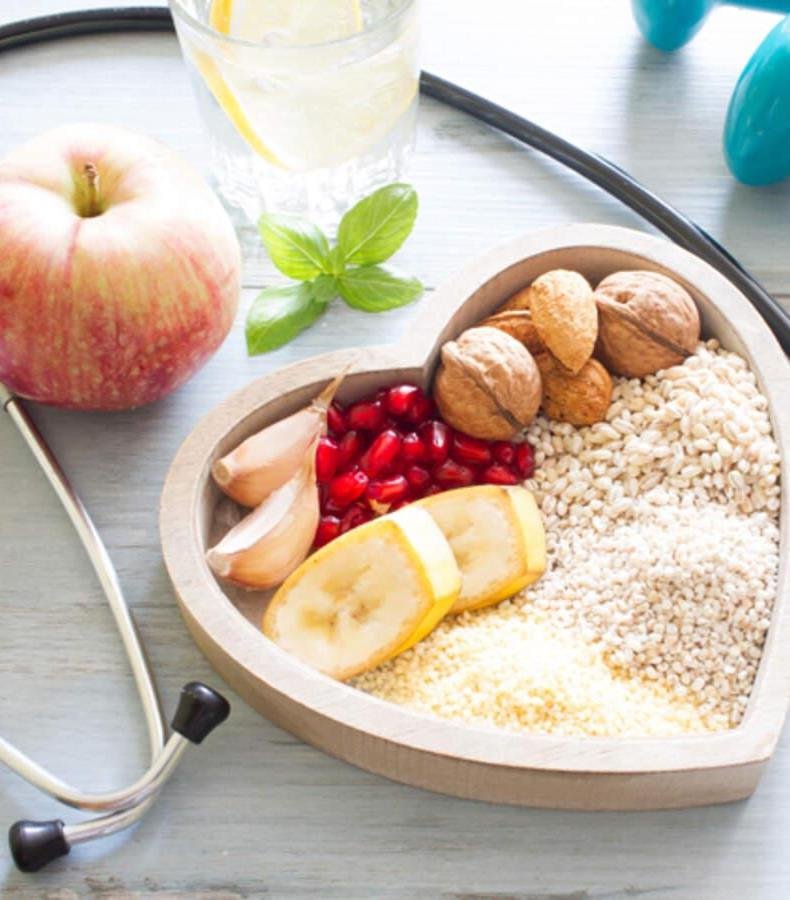
Essential Nutrients For Heart Health and Their Benefits

Nutrients

Benefits

Potassium

Supports Healthy Blood Pressure

Magnesium

Supports and Muscle Function

Calcium

Supports Blood Vessel Function

Fiber

Supports Heart Health

Antioxidants

Cellular Protection

Importance of Managing Hypertension

  • Supports heart health.
  • Promotes healthy blood circulation.
  • Helps maintain kidney function.
  • Supports brain health.
  • Contributes to overall well-being.

Common Causes of High Blood Pressure

Unhealthy Diet

Excessive salt intake and poor dietary habits may contribute to elevated blood pressure.

Physical Inactivity

A sedentary lifestyle can increase the risk of hypertension.

Excess Body Weight

Maintaining a healthy weight supports cardiovascular health.

Chronic Stress

Long-term stress may affect blood pressure levels.

Smoking and Tobacco Use

Tobacco use can negatively affect blood vessels and heart health.

Excessive Alcohol Consumption

High alcohol intake may contribute to elevated blood pressure.

Family History

Genetic factors may increase susceptibility to hypertension.

Common Symptoms

Many people with hypertension experience no symptoms. However, some individuals may report:

  • Headaches.
  • Dizziness.
  • Fatigue.
  • Shortness of breath.
  • Blurred vision.
  • Chest discomfort.

Risk Factors

  • Increasing age.
  • Family history.
  • Obesity.
  • Physical inactivity.
  • High-sodium diet.
  • Stress.
  • Smoking.
  • Excessive alcohol consumption.

Foods That Support Heart Health

  • Fruits and vegetables.
  • Whole grains.
  • Nuts and seeds.
  • Legumes and pulses.
  • Fatty fish.
  • Low-fat dairy products.
  • Leafy green vegetables.

Foods and Habits to Limit

  • Excess salt.
  • Processed foods.
  • Sugary beverages.
  • Excess alcohol.
  • Tobacco products.

Benefits of Healthy Blood Pressure Management

  • Supports heart function.
  • Promotes healthy circulation.
  • Helps maintain kidney health.
  • Supports brain function.
  • Enhances overall quality of life.

How Does Balanzing Help to Control High Blood Pressure?

High blood pressure is a common but manageable condition. Balanzing helps to control blood pressure through healthy eating habits with regular physical activity, stress management, and routine health monitoring. Individuals can take positive steps toward maintaining healthy blood pressure levels.

What Are the Early Warning Signs of High Blood Pressure You Shouldn't Ignore?

Early warning signs may include persistent headaches, dizziness, blurred vision, chest discomfort, or shortness of breath. However, many people have no symptoms, making regular blood pressure checks essential.

How Can I Lower My Blood Pressure Without Medication?

You can help lower blood pressure by eating a balanced diet, reducing salt, exercising regularly, maintaining a healthy weight, managing stress, limiting alcohol, and avoiding smoking.

Should I Check My Blood Pressure at Home? How Often?

Yes. Home monitoring helps track blood pressure changes. Check it daily or as recommended by your healthcare provider, especially if you have hypertension or are starting treatment.

What Supplements or Herbs Actually Lower Blood Pressure?

Some supplements and herbs, such as garlic, omega-3 fatty acids, and hibiscus, may support healthy blood pressure. Always consult your healthcare provider before using supplements, especially with medications.

What Foods Should I Avoid to Lower Blood Pressure?

Limit foods high in sodium, processed meats, fast food, salty snacks, sugary drinks, and excessive alcohol. Choosing fresh, whole foods can help support healthier blood pressure levels.

Do I Need to Limit Alcohol if I Have High Blood Pressure?

Yes. Limiting alcohol can help lower blood pressure and reduce the risk of heart disease. Follow your healthcare provider's guidance or recommended drinking limits for better heart health.


Disclaimer

The information provided on this website is collected and compiled from publicly available sources for general informational purposes only.

High Blood Pressure: Symptoms, Top 10 Diets for Hypertension, Exercises and Normal Blood Pressure Value by Age Everything You Need to Know About High Blood Pressure One of the most common health conditions in the world, High Blood Pressure (also known as hypertension). It occurs when the pressure of blood flow into the arteries is always too high and thus get a very strong heart pumping. Without regular treatment, untreated High Blood Pressure can lead to heart disease, stroke, kidney disease and vision loss. The worrying part is that in most cases a person suffers from High Blood Pressure and does not know it as there are no major indications that one has this medical condition. By being aware of the symptoms of high blood pressure, eating healthy by following a Simple– Salvation 4 System.wordpress diet plan, adopting a physically active lifestyle (Try our best exercises to lower blood pressure) and knowing your age-based normal blood pressure range will help you preserve your health for the future. What Is High Blood Pressure? Blood pressure indicates how much force your blood exerts on the walls of your arteries. There are two numbers that record this system by It measures: systolic pressure — the pressure inside your arteries when your heart beats. Diastolic pressure – this is the pressure when your heart rests between beats. According to current medical guidelines: Normal: Less than 120/80 mmHg Elevated: 120–129/<80 mmHg Stage 1 Hypertension: 130–139/80–89 mmHg Step 2 Hypertension: SBP ≥140 mmHg or DBP ≥90 mmHg If your readings are consistently high, you'll need to see a healthcare professional for High Blood Pressure. Causes of High Blood Pressure There are various factors that lead to High Blood Pressure, such as: Family history Aging Obesity Physical inactivity Smoking Excess alcohol intake High sodium consumption Stress Diabetes Kidney disease While some risk factors are not modifiable, healthy lifestyle behaviours can dramatically decrease this risk. Symptoms of High Blood Pressure Most people don't experience high blood pressure symptoms, therefore, getting your blood pressure checked regularly is important. Symptoms of high blood pressure can include: Frequent headaches Dizziness Blurred vision Chest pain Shortness of breath Nosebleeds Fatigue Heart palpitations We do not feel these symptoms of high blood pressure until the pressure reaches a dangerous level. People with severe symptoms should seek medical assistance. The Danger of High Blood Pressure Uncontrolled High Blood Pressure Kills the blood vessels in every part of the body. It can increase the risk of: Heart attack Stroke Heart failure Kidney failure Vision loss Cognitive decline Peripheral artery disease These have significant consequences, and thus early diagnosis and regular follow-up care mitigates these risks considerably. High Blood Pressure Diet One of the best ways to get rid of hypertension is with a healthy High blood pressure diet. A high blood pressure diet aims at achieving a balance in: Eat More Fruits Vegetables Whole grains Beans Lentils Low-fat dairy Fish Nuts Seeds Healthy fats Reduce Salt Processed foods Sugary drinks Fried foods Processed meats Excess saturated fat A Balanced High blood pressure diet will contain Whole, Natural foods that are Potassium rich and Magensium & Calcium rich! How to Lower Blood Pressure — Foods That Are Good for High Blood Pressure Consider adding these foods regularly: Bananas Spinach Oats Berries Garlic Beetroot Yogurt Avocados Salmon Walnuts Pumpkin seeds Tomatoes Oranges Leafy greens Chickpeas Consuming a range of nutrient-dense foods is the key for better cardiovascular health. Foods to Avoid Should limit: For People with High Blood Pressure Packaged snacks Fast food Instant noodles Sugary desserts Soft drinks High-sodium sauces Processed cheese Fatty red meats Excess caffeine Alcohol Optimize Sodium Intake→One of the most effective dietary approaches to lower blood pressure The Most Effective Exercises for Lowering Blood Pressure It is helpful in controlling hypertension as well but physical activity has a very important role to play. Additionally, the top exercises to decrease hypertension enhance heart wellbeing, circulation and manage weight. Exercises Recommended to Lower Blood Pressure: Walking Simply walking 30 min most days of the week at a brisk pace is very effective. Cycling Using a bicycle is an excellent exercise, as it enhances cardiovascular system fitness and is gentle on the joints. Swimming So, swimming develops the heart and benefits are across the body. Strength Training Two or three times a week moderate resistance exercises can help maintain good blood pressure. Yoga Yoga decreases tension and increases flexibility, along with breath. Stretching Stretching is known for its circulation enhancing effects and should be performed with other forms of physical activity. Before beginning an exercise program and if you have uncontrolled hypertension, please consult your physician. Normal Blood Pressure Levels Over the Years Know the Normal blood pressure Range by age For adults, ideal blood pressure is usually numbers between 90 and 120, over 60 to 80 mmHg but health care providers might also take age, medical history and health into account to understand results better. General reference: Your age guide to systems pressureMMHg*Age GroupTypical Healthy Range18–39 yearsAround 120/80 mmHg40–59 yearsMost should be below 130/80 mmHg60+ yearsSpecific goals depending on general health. Now, knowing the Normal blood pressure range by age prompts an immediate doctor visit when your numbers stay higher than expected. Lifestyle Changes That Help Blood Pressure Control Is More Than Just Medication Healthy habits include: Maintaining a healthy weight Exercising regularly Eating balanced meals Reducing sodium intake Getting quality sleep Managing stress Quitting smoking Limiting alcohol Staying hydrated Monitoring blood pressure regularly Citation: The Lasting Way of Change is Small — The Changeroom (TAC), TAC of Change on Toptal Blog @ivanbuhmiakI started with hacks Is Hypertension Avoidable? Not every case is preventable, but many can lower their exposure by: Staying physically active Eating nutritious foods Maintaining a healthy weight Avoiding tobacco Managing diabetes Limiting processed foods Controlling stress Scheduling routine health checkups It's always easier to prevent than to treat complications later. When Should You See a Doctor? Seek medical advice if you: What people first time read on more then one occasion above 130/80 mmHg Experience chest pain Develop severe headaches Notice blurred vision Feel persistent dizziness Experience shortness of breath And with early treatment, the chances of complications become much lower. Supporting Heart Health Naturally Lifestyle changes continue to be the mainstay of blood pressure control. This includes nutritious meals, exercise sessions during the day to get rid of energy and avoid obesity later on, sleeping time improvement and maintenance, heart-focused stress reactions, and frequent medical follow-up. We at Balanzing believe that long term wellness starts with balanced nutrition and sustainable healthy habits. Eating healthier, exercising, and living a healthy lifestyle can keep blood pressure and general health in check. Frequently Asked Questions Q4: What are typical symptoms of high blood pressure? Many people have no symptoms. Alleged symptoms of high blood pressure include headache, dizziness, blurred vision, chest discomfort and shortness of breath. Best High Blood Pressure Diet The proper High blood pressure diet is based on fruits, vegetables, whole grains, lean proteins, legumes, low-fat dairy and less sodium. What are the best blood pressure reduction exercises? Regular aerobic activity, including walking, cycling, swimming, and yoga but also strength training and flexibility workouts. Normal blood pressure by age Targets differ from person to person, but in general most healthy adults will target readings of 120/80 mmHg or lower. Your doctor can suggest the right target based on your age and history of health problems. Lifestyle changes: Can they lower high blood pressure? Yes. Things like eating healthily, getting enough exercise, maintaining a healthy weight for one's height and body frame, limiting sodium intake to recommended dosages, abstinence of smoking and controlling stress levels are all natural ways blood pressure control can be improved. Conclusion High Blood Pressure is a Common Condition but Manageable. Learn the symptoms of high blood pressure, a suitable High blood pressure diet plan, find out the best exercises to lower blood pressure and know what is normal blood pressure for each age so you are proactive about managing your heart. Early Detection,Healthy Living and Good Medical Care can help reduce the risk of complications thereby leading to a healthier tomorrow! High Blood Pressure: Symptoms, Top 10 Diets for Hypertension, Exercises and Normal Blood Pressure Value by Age Everything You Need to Know About High Blood Pressure One of the most common health conditions in the world, High Blood Pressure (also known as hypertension). It occurs when the pressure of blood flow into the arteries is always too high and thus get a very strong heart pumping. Without regular treatment, untreated High Blood Pressure can lead to heart disease, stroke, kidney disease and vision loss. The worrying part is that in most cases a person suffers from High Blood Pressure and does not know it as there are no major indications that one has this medical condition. By being aware of the symptoms of high blood pressure, eating healthy by following a Simple– Salvation 4 System.wordpress diet plan, adopting a physically active lifestyle (Try our best exercises to lower blood pressure) and knowing your age-based normal blood pressure range will help you preserve your health for the future. What Is High Blood Pressure? Blood pressure indicates how much force your blood exerts on the walls of your arteries. There are two numbers that record this system by It measures: systolic pressure — the pressure inside your arteries when your heart beats. Diastolic pressure – this is the pressure when your heart rests between beats. According to current medical guidelines: Normal: Less than 120/80 mmHg Elevated: 120–129/<80 mmHg Stage 1 Hypertension: 130–139/80–89 mmHg Step 2 Hypertension: SBP ≥140 mmHg or DBP ≥90 mmHg If your readings are consistently high, you'll need to see a healthcare professional for High Blood Pressure. Causes of High Blood Pressure There are various factors that lead to High Blood Pressure, such as: Family history Aging Obesity Physical inactivity Smoking Excess alcohol intake High sodium consumption Stress Diabetes Kidney disease While some risk factors are not modifiable, healthy lifestyle behaviours can dramatically decrease this risk. Symptoms of High Blood Pressure Most people don't experience high blood pressure symptoms, therefore, getting your blood pressure checked regularly is important. Symptoms of high blood pressure can include: Frequent headaches Dizziness Blurred vision Chest pain Shortness of breath Nosebleeds Fatigue Heart palpitations We do not feel these symptoms of high blood pressure until the pressure reaches a dangerous level. People with severe symptoms should seek medical assistance. The Danger of High Blood Pressure Uncontrolled High Blood Pressure Kills the blood vessels in every part of the body. It can increase the risk of: Heart attack Stroke Heart failure Kidney failure Vision loss Cognitive decline Peripheral artery disease These have significant consequences, and thus early diagnosis and regular follow-up care mitigates these risks considerably. High Blood Pressure Diet One of the best ways to get rid of hypertension is with a healthy High blood pressure diet. A high blood pressure diet aims at achieving a balance in: Eat More Fruits Vegetables Whole grains Beans Lentils Low-fat dairy Fish Nuts Seeds Healthy fats Reduce Salt Processed foods Sugary drinks Fried foods Processed meats Excess saturated fat A Balanced High blood pressure diet will contain Whole, Natural foods that are Potassium rich and Magensium & Calcium rich! How to Lower Blood Pressure — Foods That Are Good for High Blood Pressure Consider adding these foods regularly: Bananas Spinach Oats Berries Garlic Beetroot Yogurt Avocados Salmon Walnuts Pumpkin seeds Tomatoes Oranges Leafy greens Chickpeas Consuming a range of nutrient-dense foods is the key for better cardiovascular health. Foods to Avoid Should limit: For People with High Blood Pressure Packaged snacks Fast food Instant noodles Sugary desserts Soft drinks High-sodium sauces Processed cheese Fatty red meats Excess caffeine Alcohol Optimize Sodium Intake→One of the most effective dietary approaches to lower blood pressure The Most Effective Exercises for Lowering Blood Pressure It is helpful in controlling hypertension as well but physical activity has a very important role to play. Additionally, the top exercises to decrease hypertension enhance heart wellbeing, circulation and manage weight. Exercises Recommended to Lower Blood Pressure: Walking Simply walking 30 min most days of the week at a brisk pace is very effective. Cycling Using a bicycle is an excellent exercise, as it enhances cardiovascular system fitness and is gentle on the joints. Swimming So, swimming develops the heart and benefits are across the body. Strength Training Two or three times a week moderate resistance exercises can help maintain good blood pressure. Yoga Yoga decreases tension and increases flexibility, along with breath. Stretching Stretching is known for its circulation enhancing effects and should be performed with other forms of physical activity. Before beginning an exercise program and if you have uncontrolled hypertension, please consult your physician. Normal Blood Pressure Levels Over the Years Know the Normal blood pressure Range by age For adults, ideal blood pressure is usually numbers between 90 and 120, over 60 to 80 mmHg but health care providers might also take age, medical history and health into account to understand results better. General reference: Your age guide to systems pressureMMHg*Age GroupTypical Healthy Range18–39 yearsAround 120/80 mmHg40–59 yearsMost should be below 130/80 mmHg60+ yearsSpecific goals depending on general health. Now, knowing the Normal blood pressure range by age prompts an immediate doctor visit when your numbers stay higher than expected. Lifestyle Changes That Help Blood Pressure Control Is More Than Just Medication Healthy habits include: Maintaining a healthy weight Exercising regularly Eating balanced meals Reducing sodium intake Getting quality sleep Managing stress Quitting smoking Limiting alcohol Staying hydrated Monitoring blood pressure regularly Citation: The Lasting Way of Change is Small — The Changeroom (TAC), TAC of Change on Toptal Blog @ivanbuhmiakI started with hacks Is Hypertension Avoidable? Not every case is preventable, but many can lower their exposure by: Staying physically active Eating nutritious foods Maintaining a healthy weight Avoiding tobacco Managing diabetes Limiting processed foods Controlling stress Scheduling routine health checkups It's always easier to prevent than to treat complications later. When Should You See a Doctor? Seek medical advice if you: What people first time read on more then one occasion above 130/80 mmHg Experience chest pain Develop severe headaches Notice blurred vision Feel persistent dizziness Experience shortness of breath And with early treatment, the chances of complications become much lower. Supporting Heart Health Naturally Lifestyle changes continue to be the mainstay of blood pressure control. This includes nutritious meals, exercise sessions during the day to get rid of energy and avoid obesity later on, sleeping time improvement and maintenance, heart-focused stress reactions, and frequent medical follow-up. We at Balanzing believe that long term wellness starts with balanced nutrition and sustainable healthy habits. Eating healthier, exercising, and living a healthy lifestyle can keep blood pressure and general health in check. Frequently Asked Questions Q4: What are typical symptoms of high blood pressure? Many people have no symptoms. Alleged symptoms of high blood pressure include headache, dizziness, blurred vision, chest discomfort and shortness of breath. Best High Blood Pressure Diet The proper High blood pressure diet is based on fruits, vegetables, whole grains, lean proteins, legumes, low-fat dairy and less sodium. What are the best blood pressure reduction exercises? Regular aerobic activity, including walking, cycling, swimming, and yoga but also strength training and flexibility workouts. Normal blood pressure by age Targets differ from person to person, but in general most healthy adults will target readings of 120/80 mmHg or lower. Your doctor can suggest the right target based on your age and history of health problems. Lifestyle changes: Can they lower high blood pressure? Yes. Things like eating healthily, getting enough exercise, maintaining a healthy weight for one's height and body frame, limiting sodium intake to recommended dosages, abstinence of smoking and controlling stress levels are all natural ways blood pressure control can be improved. Conclusion High Blood Pressure is a Common Condition but Manageable. Learn the symptoms of high blood pressure, a suitable High blood pressure diet plan, find out the best exercises to lower blood pressure and know what is normal blood pressure for each age so you are proactive about managing your heart. Early Detection,Healthy Living and Good Medical Care can help reduce the risk of complications thereby leading to a healthier tomorrow!

Leave a Reply

Your email address will not be published. Required fields are marked *

Comments

  1. I found this article very informative and easy to understand. The sections on the symptoms, diet, and exercises for managing high blood pressure were especially helpful. Thanks to Balanzing for sharing practical health tips that are easy to follow!

Table of Contents