
High Blood Pressure (Hypertension)
High blood pressure, also known as hypertension, is one of the most common health conditions affecting adults worldwide. Often called the "silent condition," hypertension may develop without noticeable symptoms while gradually affecting important organs such as the heart, brain, kidneys, and blood vessels.
Introduction
Blood pressure is the force exerted by circulating blood against the walls of the arteries. When this pressure remains consistently higher than normal over time, it is referred to as hypertension. Maintaining healthy blood pressure is essential for ensuring that oxygen and nutrients are efficiently delivered throughout the body. This guide shows the importance of controlling high blood pressure.
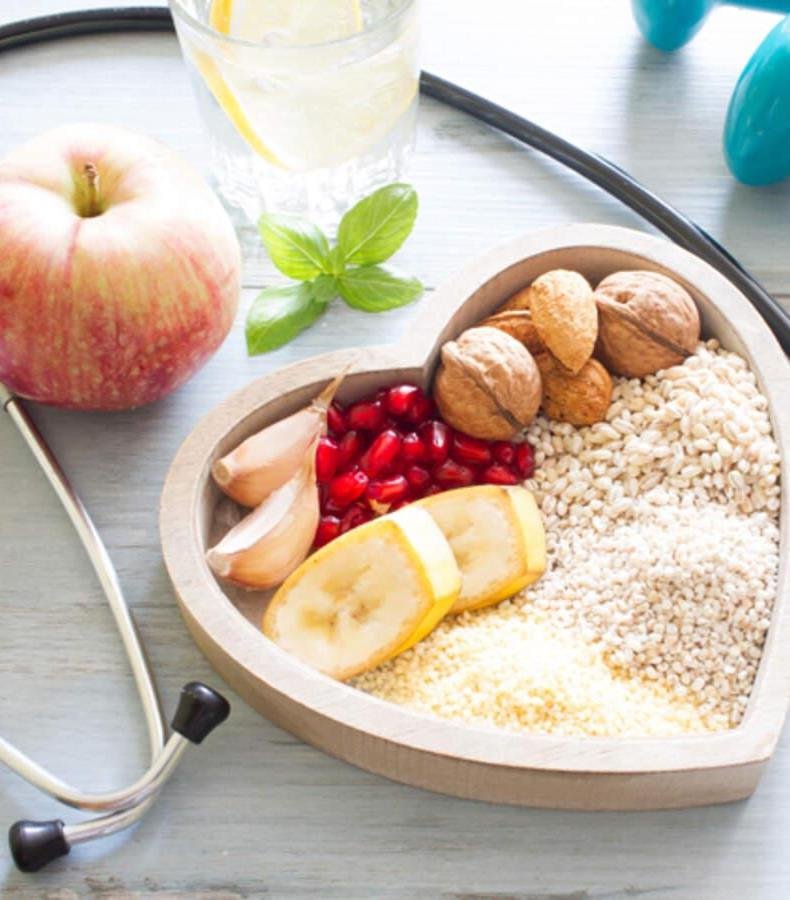
Essential Nutrients For Heart Health and Their Benefits
|
Nutrients |
Benefits |
|
Potassium |
Supports Healthy Blood Pressure |
|
Magnesium |
Supports and Muscle Function |
|
Calcium |
Supports Blood Vessel Function |
|
Fiber |
Supports Heart Health |
|
Antioxidants |
Cellular Protection |
Importance of Managing Hypertension
- Supports heart health.
- Promotes healthy blood circulation.
- Helps maintain kidney function.
- Supports brain health.
- Contributes to overall well-being.
Common Causes of High Blood Pressure
Unhealthy Diet
Excessive salt intake and poor dietary habits may contribute to elevated blood pressure.
Physical Inactivity
A sedentary lifestyle can increase the risk of hypertension.
Excess Body Weight
Maintaining a healthy weight supports cardiovascular health.
Chronic Stress
Long-term stress may affect blood pressure levels.
Smoking and Tobacco Use
Tobacco use can negatively affect blood vessels and heart health.
Excessive Alcohol Consumption
High alcohol intake may contribute to elevated blood pressure.
Family History
Genetic factors may increase susceptibility to hypertension.
Common Symptoms
Many people with hypertension experience no symptoms. However, some individuals may report:
- Headaches.
- Dizziness.
- Fatigue.
- Shortness of breath.
- Blurred vision.
- Chest discomfort.
Risk Factors
- Increasing age.
- Family history.
- Obesity.
- Physical inactivity.
- High-sodium diet.
- Stress.
- Smoking.
- Excessive alcohol consumption.
Foods That Support Heart Health
- Fruits and vegetables.
- Whole grains.
- Nuts and seeds.
- Legumes and pulses.
- Fatty fish.
- Low-fat dairy products.
- Leafy green vegetables.
Foods and Habits to Limit
- Excess salt.
- Processed foods.
- Sugary beverages.
- Excess alcohol.
- Tobacco products.
Benefits of Healthy Blood Pressure Management
- Supports heart function.
- Promotes healthy circulation.
- Helps maintain kidney health.
- Supports brain function.
- Enhances overall quality of life.
How Does Balanzing Help to Control High Blood Pressure?
High blood pressure is a common but manageable condition. Balanzing helps to control blood pressure through healthy eating habits with regular physical activity, stress management, and routine health monitoring. Individuals can take positive steps toward maintaining healthy blood pressure levels.
What Are the Early Warning Signs of High Blood Pressure You Shouldn't Ignore?
Early warning signs may include persistent headaches, dizziness, blurred vision, chest discomfort, or shortness of breath. However, many people have no symptoms, making regular blood pressure checks essential.
How Can I Lower My Blood Pressure Without Medication?
You can help lower blood pressure by eating a balanced diet, reducing salt, exercising regularly, maintaining a healthy weight, managing stress, limiting alcohol, and avoiding smoking.
Should I Check My Blood Pressure at Home? How Often?
Yes. Home monitoring helps track blood pressure changes. Check it daily or as recommended by your healthcare provider, especially if you have hypertension or are starting treatment.
What Supplements or Herbs Actually Lower Blood Pressure?
Some supplements and herbs, such as garlic, omega-3 fatty acids, and hibiscus, may support healthy blood pressure. Always consult your healthcare provider before using supplements, especially with medications.
What Foods Should I Avoid to Lower Blood Pressure?
Limit foods high in sodium, processed meats, fast food, salty snacks, sugary drinks, and excessive alcohol. Choosing fresh, whole foods can help support healthier blood pressure levels.
Do I Need to Limit Alcohol if I Have High Blood Pressure?
Yes. Limiting alcohol can help lower blood pressure and reduce the risk of heart disease. Follow your healthcare provider's guidance or recommended drinking limits for better heart health.



Disclaimer
The information provided on this website is collected and compiled from publicly available sources for general informational purposes only.
Leave a Reply Cancel reply
Comments
Table of Contents
Toggle
I found this article very informative and easy to understand. The sections on the symptoms, diet, and exercises for managing high blood pressure were especially helpful. Thanks to Balanzing for sharing practical health tips that are easy to follow!