
Healthy intake 😃 Balanzed living

High Fiber Diet For Adults

A high-fiber diet is an essential part of a healthy lifestyle and plays a significant role in maintaining digestive health, supporting heart health, and promoting overall well-being. Fiber is a type of carbohydrate that the body cannot fully digest, allowing it to support healthy bowel function and regulate blood sugar and cholesterol levels.

Introduction

A high-fiber diet focuses on increasing the intake of foods naturally rich in dietary fiber, such as fruits, vegetables, whole grains, legumes, nuts, and seeds. Adults should aim to consume adequate fiber daily as part of a balanced diet while maintaining proper hydration. Including fiber-rich foods in your daily meals can improve digestion, help with weight management, and reduce the risk of several chronic diseases. This guide shows the benefits of a high-fiber diet.

High Fiber Diet For Adults

Essential Nutrients that Work Alongside Fiber and Their Benefits


Nutrients

Benefits

Fiber

Supports Healthy Digestion

Protein

Supports Muscle Health

Vitamin C

Supports Immunity

Magnesium

Supports Muscle and Nerve Function

Potassium

Supports Heart Health


Health Benefits of a High-Fiber Diet

    • Supports Digestive Health

    Fiber helps prevent constipation and promotes regular bowel movements.

    • Promotes Heart Health

    Soluble fiber may help lower cholesterol levels and support cardiovascular health.

    • Helps Manage Blood Sugar

    Fiber slows the absorption of sugar, helping maintain stable blood glucose levels.

    • Supports Weight Management

    High-fiber foods help you feel full for longer, reducing unnecessary snacking.

    • Supports Gut Health

    Fiber nourishes beneficial gut bacteria, promoting a healthy digestive system.

    • May Reduce the Risk of Chronic Diseases

    A fiber-rich diet is associated with a lower risk of certain digestive and cardiovascular conditions.

Healthy Tips for Increasing Fiber Intake

  • Increase Fiber Gradually

Add fiber-rich foods slowly to help your digestive system adjust.

  • Drink Plenty of Water

Adequate hydration helps fiber work effectively.

  • Choose Whole Foods

Replace refined grains with whole grains whenever possible.

  • Eat More Fruits and Vegetables

Include a variety of colorful produce at every meal.

  • Include Legumes Weekly

Add beans, lentils, and chickpeas to soups, salads, and main dishes.

Benefits of Following a High-Fiber Diet

  • Improved digestion.
  • Better bowel regularity.
  • Enhanced heart health.
  • Healthy blood sugar control.
  • Better weight management.
  • Improved gut health.
  • Reduced mobility.

Signs You May Need More Fiber

  • Frequent constipation.
  • Irregular bowel movements.
  • Feeling hungry soon after meals.
  • Poor digestive health.
  • Difficulty maintaining a healthy weight.
  • Low intake of fruits, vegetables, and whole grains.

Foods to Limit

To maximize the benefits of a high-fiber diet, reduce the intake of:

    • Refined grains.
    • Sugary snacks.
    • Sweetened beverages.
    • Highly processed foods.
    • Fried foods.
    • Fast food.

Which Foods Are High in Fiber?

FoodApproximate Fiber (per serving)Key Benefit
Chia Seeds (2 tbsp)10 gSupports digestion and gut health
Lentils (1 cup, cooked)15 gPromotes fullness and heart health
Oats (1 cup, cooked)4 gHelps maintain healthy cholesterol levels
Pear (1 medium)6 gSupports regular bowel movements
Broccoli (1 cup, cooked)5 gRich in fiber and essential nutrients
Brown Rice (1 cup, cooked)3.5 gProvides sustained energy and fiber
Chickpeas (1 cup, cooked)12.5 gSupports digestive and heart health
Almonds (1 oz)3.5 gHealthy snack with fiber and good fats

What Foods Are Insanely High in Fiber?

Some of the highest-fiber foods include chia seeds, flaxseeds, lentils, black beans, chickpeas, oats, quinoa, whole grains, raspberries, pears, avocados, broccoli, Brussels sprouts, and almonds. Including a variety of these foods in your diet can help you meet your daily fiber needs.

How Long Does It Take for a High Fiber Diet to Work?

Many people notice improvements in digestion within a few days of increasing their fiber intake. For long-term benefits, such as improved heart health, weight management, and better gut health, it may take several weeks of consistently following a high-fiber diet.

How Can I Get 25g of Fiber a Day?

You can reach 25g of fiber by eating fiber-rich foods throughout the day. For example, have oatmeal with berries for breakfast, a lentil salad for lunch, an apple and nuts as a snack, and vegetables with brown rice or whole grains for dinner. Increase your fiber intake gradually and drink plenty of water.

Does a High Fiber Diet Help With Constipation or Diarrhea?

Yes. A high-fiber diet can help relieve constipation by adding bulk to stools and promoting regular bowel movements. Soluble fiber can also help manage diarrhea by absorbing excess water and improving stool consistency. Staying hydrated is essential for fiber to work effectively.

Can You Get Too Much Fiber?

Yes. Consuming too much fiber too quickly may cause bloating, gas, stomach cramps, or constipation if you do not drink enough water. Increase your fiber intake gradually and maintain adequate hydration to avoid digestive discomfort.

Why Am I Always Tired? Could It Be Low Fiber?

Low fiber intake may contribute to energy fluctuations because fiber helps regulate blood sugar levels and supports healthy digestion. However, persistent tiredness can have many causes, including poor sleep, stress, nutrient deficiencies, or medical conditions. If fatigue continues, consult a healthcare professional.

How Much Fiber Do I Really Need Daily?

Most adults should aim for about 25 grams of fiber per day for women and 38 grams per day for men. Individual needs may vary depending on age, activity level, and overall health.

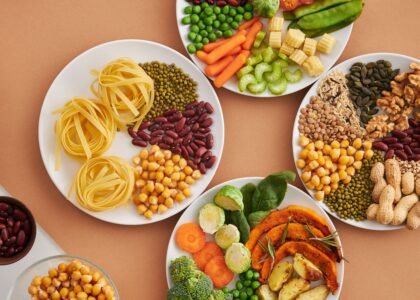
High Fiber Diet For Adults:-High Fiber Diet for Adults: A Complete Guide for Better HealthYour health largely depends on what you eat. Fiber is a nutrient that people often miss while ensuring they eat right, and it could revolutionize your health significantly. With a High Fiber Diet For Adults you will improve on digestion, take care of your heart, manage body weight efficiently, and reduce the risk of developing chronic illnesses. Nevertheless, the amount of fiber consumed by adults in the US is significantly below the advised amount.Improving fiber in your diet does not involve drastic lifestyle change. With simple dietary choices such as switching to whole grains from refined grains, adding more fruits and vegetables to your diet, as well as consumption of legumes, nuts, and seeds can make a huge difference. Having basic understanding on The Benefits of a High Fiber Diet will help you make informed choices and enjoy a healthier lifestyle.The below guide gives you an in depth explanation of all you should know on fiber which includes its importance, dosage recommended, excellent food sources of fiber and simple strategies to incorporate this in your diet.What Is a High Fiber Diet?A High Fiber Diet for Adults focuses on inclusion of foods that are naturally rich in dietary fiber. Fiber is a carbohydrate that the body cannot digest in anyway unlike other carbohydrates which are metabolized in the body for its requirements. Rather, Fiber passes largely un-altered through the digestive system to play a crucial role in regulating digestive functions.Fiber can be broadly classified into two types:Soluble FiberSoluble fiber blends with water and Forms a gel-like solution in the system aiding in lowering cholesterol levels and controlling blood sugar levels to maintain heart health.Common sources include: Oats, Apples, oranges, citrus fruits, Beans, Lentils, Chia seeds, Flaxseeds.Insoluble fiberInsoluble fiber gives bulk to stool and aid the movement of food through the digestive tract preventing constipation issues.Common sources include: Whole wheat, Brown rice, Whole grain cereals, Broccoli, Carrots, Cauliflower, Nuts.You need both types of fiber for your overall good health.Why is it Necessary for Adults to eat more fiber?Most adults eat highly processed meals low in Fiber and it is believed that having less Fiber in your diet contributes to digestive issues, excessive weight gain, fluctuations in body blood sugar and higher blood cholesterol levels. A High Fiber Diet for Adults will support your body's natural processes of digestion and at the same time protect it from a wide range of health problems in the long run. It is advised that you adhere to the recommended Daily Fiber Intake for Adults for excellent digestive and all round body health.The Benefits of High Fiber DietLet us consider the numerous Benefits of High Fiber Diet for human beings, as Fiber is among the most vital nutrients that contribute to good health.1. Boosts digestionThe smooth transit of meals throughout the digestive tract is ensured by fiber, thereby reducing constipation. Fiber-rich Foods for Better Digestion promote healthier gut flora as it provides food for beneficial bacteria.2. Promotes a Healthy HeartWith its tendency to lower body cholesterol levels it effectively reduces cholesterol absorption in the digestive system and helps reduce blood pressure too. As a result, there is generally less risk of cardiovascular problems.3. Manages Body WeightThe ability to prevent overeating coupled with appetite suppressant effect of fiber-rich foods, can make effective body weight management a reality. Fiber slows down digestion causing the meals to take longer to settle, thereby preventing excessive snaking throughout the day. Individuals consuming High Fiber Diet for Adults are easily able to maintain optimum body weight.4. Controls body blood sugar levelFiber significantly aids in slowing down glucose absorption in the blood, providing balanced blood sugar and improving insulin response; making it ideal for blood sugar management and curbing cravings. This naturally makes it very effective for people with diabetes as well.Daily Fiber Intake for AdultsIt is crucial that you consume the Daily Fiber Intake for Adults recommended for optimum health.Generally speaking adults need the following amount of fiber per day depending on their age and gender:* Adult women (19 to 50 years) need 25 grams of fiber per day * Adult men (19 to 50 years) need 38 grams of fiber per day * Women 51 and above need 21 grams of fiber per day * Men 51 and above need 30 grams of fiber per dayThe irony is that most adults today consume an average of just 15-18 grams per day and thus, it is important that we gradually increase our daily Fiber intake.Fiber-Rich Foods for Better DigestionThis is arguably the easiest way to improving your health, by consuming the right natural Fiber-Rich Foods for Better Digestion and taking control of your diet and health outcomes.FruitsAlmost all fruits are rich in some or the other fiber. The best fruit choices are Apples, Pears, Oranges, Bananas, Berries and Avocados. As opposed to fruit juices, fresh fruits retain a higher amount of fiber value.VegetablesAll vegetables are fiber-rich and nutritious. These are best consumed include the likes of Broccoli, Spinach, Carrots, Brussels sprouts, Sweet potatoes, and Green peas. Vegetables can be included in every meal.Whole Grain Fiber FoodsReplacing all refined grains in your diet with Whole Grain Fiber Foods will make an impact on your health for the better. Some fantastic whole grain fiber foods include: Brown rice, Oats, Whole wheat bread, Whole wheat pasta, Quinoa, Barley and Millet. The goodness of these grains is sustained energy along with digestive benefits.LegumesThis particular food group is among the best known for being rich in dietary fiber. Some popular choices include Black beans, Kidney beans, Chickpeas, Lentils and Split peas. Soups, Salads and Curries are excellent options to incorporate legumes in the diet.Nuts and SeedsIn addition to providing fiber, Nuts and Seeds also offer healthy fats and proteins. Chia seeds, Flaxseeds, Almonds, Walnuts, Pumpkin seeds and Sunflower seeds are excellent choices. Add a handful of your preferred nuts for a health-conscious snack.Simple Methods to Increase Fiber IntakeYou don't have to completely alter your diet all of sudden. Start with small, attainable goals. Follow these suggestions:* Switch your white bread for whole-grain bread. * Replace white rice for Brown rice or Quinoa. * Reach out for whole fruits rather than sugary snacks. * Incorporate beans in salads and soups. * Add vegetables in each meal that you consume. * Pour chia seeds or flax seeds over your cereal or yogurt. * Replace processed foods with nuts when you have a craving. * Remember to drink adequate water especially when you start taking more fiber.Make Fiber intake an integral part of your life by following these ways and your digestive system and body will thank you for it.High Fiber Diet For Adults: A Complete Guide to Better HealthEver feel sluggish, bloated, or like your digestion is a bit, well, off? You're not alone! Many adults simply don't get enough fiber, and while it's not always obvious, our bodies do send us signals.# Signs You May Not Be Getting Enough FiberIf these symptoms sound familiar, it might be time to boost your fiber intake:* Frequent constipation: The classic sign that your digestive system needs some help. * Feeling hungry soon after eating: Fiber helps you feel full, so without enough, those cravings can creep back in quickly. * Bloating or general digestive discomfort: Yep, that unhappy gut feeling can be linked to low fiber. * Irregular bowel movements: Think inconsistency. If your bathroom routine feels unpredictable, fiber could be the missing piece. * Difficulty maintaining a healthy weight: Fiber aids in feeling satisfied, which can make weight management a bit easier. * Blood sugar fluctuations: Fiber helps slow down sugar absorption, keeping your energy levels more stable. * High cholesterol levels: Certain types of fiber, particularly soluble fiber, can help lower bad cholesterol. * Low energy throughout the day: Those energy crashes might be tied to your blood sugar being all over the place.If these symptoms resonate with you, incorporating more Fiber-Rich Foods for Better Digestion might be just what the doctor ordered!# Foods to Limit on a High Fiber DietJust like it's important to add fiber, it can also be beneficial to cut down on foods that offer very little of it.Think:* White bread* White rice* Sugary cereals* Pastries* Chips* Fast food* Processed snacks* Sugary beveragesInstead, swap these for Whole Grain Fiber Foods and fresh produce to give your body the nutrients and digestive support it craves.# Sample High Fiber Meal PlanReady to get started? Here's a simple meal plan to help you navigate the world of High Fiber Diet For Adults:| Meal | Healthy Option || :------------ | :---------------------------------------------- || Breakfast | Oatmeal topped with berries, chia seeds, and almonds | | Morning Snack | Apple with peanut butter | | Lunch | Brown rice, lentil curry, mixed vegetable salad | | Evening Snack | Roasted chickpeas or mixed nuts | | Dinner | Grilled vegetables, quinoa, and beans | | Dessert | Fresh fruit salad |This plan offers a great mix of fiber, vitamins, minerals, and protein to keep you satisfied and energized!# Tips for Following a High Fiber DietWant to make this a natural part of your routine? Here's how:1. Read Nutrition Labels: Look for foods with at least 3-5 grams of fiber per serving. Every little bit counts! 2. Eat More Whole Fruits: Skip the juice! Whole fruits are loaded with fiber. That whole orange is much more beneficial than a glass of orange juice. 3. Include Vegetables at Every Meal: Toss some into your morning omelet, add a side salad to your lunch, and load up your dinner. 4. Switch to Whole Grains: This is a game-changer. Swap white bread and white rice for Whole Grain Fiber Foods like oats, barley, whole wheat bread, and brown rice. 5. Stay Hydrated: Fiber needs water to work its magic. Drink plenty of fluids throughout the day to avoid any uncomfortable constipation. 6. Increase Fiber Gradually: Your digestive system needs time to adjust. Add fiber slowly over a few weeks to prevent any bloating or gas.# Common Myths About FiberLet's bust a few common misconceptions:* Myth 1: Fiber Is Only for Constipation.* Fact: While fiber is fantastic for digestion, the Benefits of a High Fiber Diet extend to improved heart health, better blood sugar control, and weight management.* Myth 2: Fiber Supplements Can Replace Healthy Foods.* Fact: Supplements can be a good addition for some, but they lack the essential vitamins, minerals, antioxidants, and other nutrients found in whole foods.* Myth 3: Only Older Adults Need Fiber.* Fact: Adults of all ages benefit greatly from adequate fiber intake! * Myth 4: All Fiber Is the Same. * Fact: There are soluble and insoluble fibers, and both play important but different roles in your health.# High-Fiber Foods Comparison| Food | Fiber (Approx.) | Main Benefit || :-------------------------- | :-------------- | :------------------------------ | | Chia Seeds (2 tbsp) | 10 g | Excellent for digestion | | Lentils (1 cup cooked) | 15 g | Supports heart health | | Chickpeas (1 cup cooked) | 12.5 g | Keeps you full longer | | Pear (1 medium) | 6 g | Promotes regular bowel movements | | Broccoli (1 cup cooked) | 5 g | Rich in vitamins and fiber | | Oats (1 cup cooked) | 4 g | Supports healthy cholesterol | | Brown Rice (1 cup cooked) | 3.5 g | Provides sustained energy | | Almonds (28 g) | 3.5 g | Healthy fats and fiber |# Frequently Asked Questions (FAQs)1. What Foods Are Insanely High in Fiber?You can find massive amounts of fiber in chia seeds, flaxseeds, lentils, black beans, chickpeas, oats, pears, raspberries, avocados, broccoli, and Whole Grain Fiber Foods like oats, barley, and brown rice.2. How Long Does It Take for a High Fiber Diet to Work? You'll likely notice improved digestion within a few days. More long-term Benefits of a High Fiber Diet, such as lower cholesterol and better weight management, usually take a few weeks of consistent effort.3. How Can I Get 25g of Fiber a Day? Start your day with oatmeal and fruit, add beans or lentils to your lunch, snack on nuts and fruit, and fill up on vegetables and whole grains at dinner. Easy peasy!4. Does a High Fiber Diet Help With Constipation or Diarrhea?Yes! Fiber is excellent for digestive regularity. Soluble fiber can help firm things up during diarrhea, while insoluble fiber aids in relieving constipation.5. Can You Get Too Much Fiber? While uncommon, it's possible! Increasing your fiber intake too quickly without enough water can lead to bloating, gas, or stomach pain. Start slowly and drink up!6. Why Am I Always Tired? Could It Be Low Fiber?Low fiber can contribute to unstable blood sugar, leading to energy dips. However, persistent fatigue can be a symptom of many things, so if you're always tired, it's a good idea to check with a healthcare professional.7. How Much Fiber Do I Really Need Daily?Most women should aim for about 25 grams, while men should aim for around 38 grams per day, though this can vary.High Fiber Diet For Adults, Benefits of a High Fiber Diet, Daily Fiber Intake for Adults, Fiber-Rich Foods for Better Digestion, Whole Grain Fiber Foods# ConclusionMaking a High Fiber Diet For Adults a reality is one of the simplest and most effective ways to boost your overall health. From the numerous Benefits of a High Fiber Diet to consistently hitting that recommended Daily Fiber Intake for Adults, you can empower your body with Fiber-Rich Foods for Better Digestion and Whole Grain Fiber Foods. These choices support not only healthy digestion but also a happy heart, stable blood sugar, and better weight management. By slowly adding more of these wonderful foods to your plate, staying hydrated, and making mindful dietary choices, you're paving the way for a healthier, more vibrant lifestyle!

Disclaimer

The information provided on this website is collected and compiled from publicly available sources for general informational purposes only.

Leave a Reply

Your email address will not be published. Required fields are marked *

Comments

  1. Excellent article by Balanzing! The tips on following a High Fiber Diet For Adults are practical and easy to implement. A great guide for anyone looking to improve their digestive health naturally.

Table of Contents