
High Fiber Diet For Adults
A high-fiber diet is an essential part of a healthy lifestyle and plays a significant role in maintaining digestive health, supporting heart health, and promoting overall well-being. Fiber is a type of carbohydrate that the body cannot fully digest, allowing it to support healthy bowel function and regulate blood sugar and cholesterol levels.
Introduction
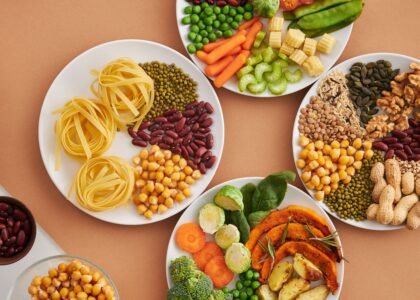
A high-fiber diet focuses on increasing the intake of foods naturally rich in dietary fiber, such as fruits, vegetables, whole grains, legumes, nuts, and seeds. Adults should aim to consume adequate fiber daily as part of a balanced diet while maintaining proper hydration. Including fiber-rich foods in your daily meals can improve digestion, help with weight management, and reduce the risk of several chronic diseases. This guide shows the benefits of a high-fiber diet.

Essential Nutrients that Work Alongside Fiber and Their Benefits
|
Nutrients |
Benefits |
|
Fiber |
Supports Healthy Digestion |
|
Protein |
Supports Muscle Health |
|
Vitamin C |
Supports Immunity |
|
Magnesium |
Supports Muscle and Nerve Function |
|
Potassium |
Supports Heart Health |
Health Benefits of a High-Fiber Diet
-
- Supports Digestive Health
Fiber helps prevent constipation and promotes regular bowel movements.
- Promotes Heart Health
Soluble fiber may help lower cholesterol levels and support cardiovascular health.
- Helps Manage Blood Sugar
Fiber slows the absorption of sugar, helping maintain stable blood glucose levels.
- Supports Weight Management
High-fiber foods help you feel full for longer, reducing unnecessary snacking.
- Supports Gut Health
Fiber nourishes beneficial gut bacteria, promoting a healthy digestive system.
- May Reduce the Risk of Chronic Diseases
A fiber-rich diet is associated with a lower risk of certain digestive and cardiovascular conditions.
Healthy Tips for Increasing Fiber Intake
- Increase Fiber Gradually
Add fiber-rich foods slowly to help your digestive system adjust.
- Drink Plenty of Water
Adequate hydration helps fiber work effectively.
- Choose Whole Foods
Replace refined grains with whole grains whenever possible.
- Eat More Fruits and Vegetables
Include a variety of colorful produce at every meal.
- Include Legumes Weekly
Add beans, lentils, and chickpeas to soups, salads, and main dishes.
Benefits of Following a High-Fiber Diet
- Improved digestion.
- Better bowel regularity.
- Enhanced heart health.
- Healthy blood sugar control.
- Better weight management.
- Improved gut health.
- Reduced mobility.
Signs You May Need More Fiber
- Frequent constipation.
- Irregular bowel movements.
- Feeling hungry soon after meals.
- Poor digestive health.
- Difficulty maintaining a healthy weight.
- Low intake of fruits, vegetables, and whole grains.
Foods to Limit
To maximize the benefits of a high-fiber diet, reduce the intake of:
-
- Refined grains.
- Sugary snacks.
- Sweetened beverages.
- Highly processed foods.
- Fried foods.
- Fast food.
Which Foods Are High in Fiber?
| Food | Approximate Fiber (per serving) | Key Benefit |
|---|---|---|
| Chia Seeds (2 tbsp) | 10 g | Supports digestion and gut health |
| Lentils (1 cup, cooked) | 15 g | Promotes fullness and heart health |
| Oats (1 cup, cooked) | 4 g | Helps maintain healthy cholesterol levels |
| Pear (1 medium) | 6 g | Supports regular bowel movements |
| Broccoli (1 cup, cooked) | 5 g | Rich in fiber and essential nutrients |
| Brown Rice (1 cup, cooked) | 3.5 g | Provides sustained energy and fiber |
| Chickpeas (1 cup, cooked) | 12.5 g | Supports digestive and heart health |
| Almonds (1 oz) | 3.5 g | Healthy snack with fiber and good fats |
What Foods Are Insanely High in Fiber?
Some of the highest-fiber foods include chia seeds, flaxseeds, lentils, black beans, chickpeas, oats, quinoa, whole grains, raspberries, pears, avocados, broccoli, Brussels sprouts, and almonds. Including a variety of these foods in your diet can help you meet your daily fiber needs.
How Long Does It Take for a High Fiber Diet to Work?
Many people notice improvements in digestion within a few days of increasing their fiber intake. For long-term benefits, such as improved heart health, weight management, and better gut health, it may take several weeks of consistently following a high-fiber diet.
How Can I Get 25g of Fiber a Day?
You can reach 25g of fiber by eating fiber-rich foods throughout the day. For example, have oatmeal with berries for breakfast, a lentil salad for lunch, an apple and nuts as a snack, and vegetables with brown rice or whole grains for dinner. Increase your fiber intake gradually and drink plenty of water.
Does a High Fiber Diet Help With Constipation or Diarrhea?
Yes. A high-fiber diet can help relieve constipation by adding bulk to stools and promoting regular bowel movements. Soluble fiber can also help manage diarrhea by absorbing excess water and improving stool consistency. Staying hydrated is essential for fiber to work effectively.
Can You Get Too Much Fiber?
Yes. Consuming too much fiber too quickly may cause bloating, gas, stomach cramps, or constipation if you do not drink enough water. Increase your fiber intake gradually and maintain adequate hydration to avoid digestive discomfort.
Why Am I Always Tired? Could It Be Low Fiber?
Low fiber intake may contribute to energy fluctuations because fiber helps regulate blood sugar levels and supports healthy digestion. However, persistent tiredness can have many causes, including poor sleep, stress, nutrient deficiencies, or medical conditions. If fatigue continues, consult a healthcare professional.
How Much Fiber Do I Really Need Daily?
Most adults should aim for about 25 grams of fiber per day for women and 38 grams per day for men. Individual needs may vary depending on age, activity level, and overall health.



Disclaimer
The information provided on this website is collected and compiled from publicly available sources for general informational purposes only.
Leave a Reply Cancel reply
Comments
Table of Contents
Toggle
Excellent article by Balanzing! The tips on following a High Fiber Diet For Adults are practical and easy to implement. A great guide for anyone looking to improve their digestive health naturally.